2. Mansiyon, International Competition for the Conceptual Architectural Design of the Central University Library in Podgorica


- 31 Ekim 2025
- 5956 defa okundu.
2. Mansiyon, International Competition for the Conceptual Architectural Design of the Central University Library in Podgorica
Slot Architects ve BlocWorks'ün "International Competition for the Conceptual Architectural Design of the Central University Library in Podgorica" için tasarladığı proje, 2. mansiyon ödülünü kazandı.
Proje Raporu:
Preface
The emergence of libraries is one of the most tangible spatial manifestations of humanity’s relationship with knowledge throughout history. Since the dawn of existence, humans have sought ways to preserve and transmit information to counter the fragility of memory. With the invention of writing, material traces of knowledge appeared, and libraries became institutions that organize, protect, and transmit these traces to future generations. In this process, the library emerges not merely as a storage space but as a place that plays an active role in shaping social order and cultural memory.
Chapter 1. The Idea of a Library
1. 1. Thinking the Library
The origin of the library cannot be explained merely by the need to preserve or accumulate knowledge. On the contrary, the emergence of libraries reflects the spatial manifestation of the relationship between knowledgeand power. The earliest libraries, along the trajectory from Mesopotamia to Alexandria, functioned not asinstitutions opening knowledge to everyone, but as repositories controlled by a select minority. From its inception, the library has been at the center of a debate about the social circulation of knowledge: Who may read? Whomay access it? Who is left outside?
Looking at its origins, the library is simultaneously an act of preservation and limitation. On one hand, itgathers, organizes, and protects human knowledge that resists oblivion; on the other, it performs an exclusionaryrole by deciding which knowledge is worthy of preservation. This dual nature renders the library not merely anarchive but also a space of ideology.
On the architectural plane, the library resembles a petrified form of memory. In the ancient world, itintertwined with temples; in the Middle Ages, with monasteries; and in the modern era, with the monumentalstructures of the nation-state. In each case, the library demonstrates that knowledge is represented not only throughits content but also through space. In this way, the library has continually reproduced the context of power in which it exists, at times as a closed treasure and at others as a public forum.
Thus, the origin of the library is not simply a “place where books are collected, ” but a point where debatesover who has access to knowledge, in what way, and in which spaces converge. To rethink “the idea of a library” today is to reopen this foundational discussion: Does the library carry only the traces of the past, or doesit also shape the imagination of knowledge in the future?
1. 2. A Library as a Social Forum
Putting aside the many topics that could be discussed about the library, knowledge itself has already mobilized, one way or another, to the extent possible, in the form it is ultimately meant to be accessed. This new, chaotic, and filter-needing relationship that humans have begun to establish with knowledge calls for examination from afresh perspective.
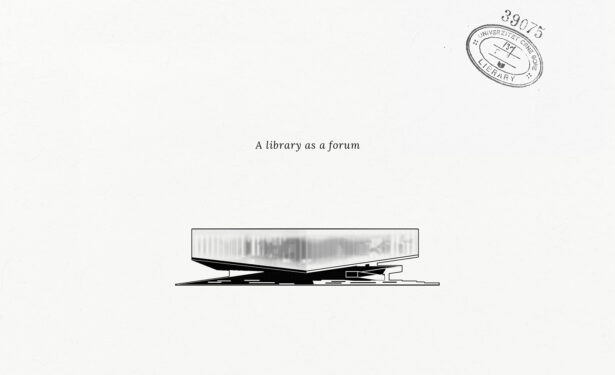
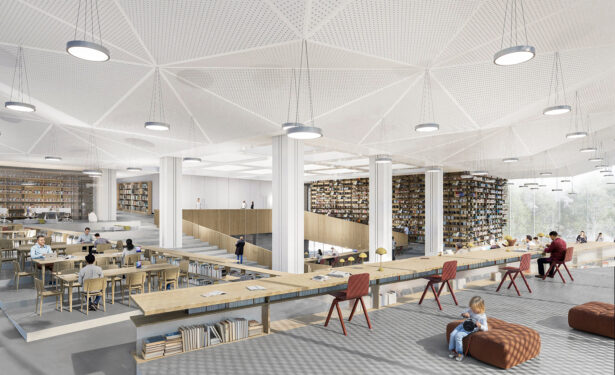
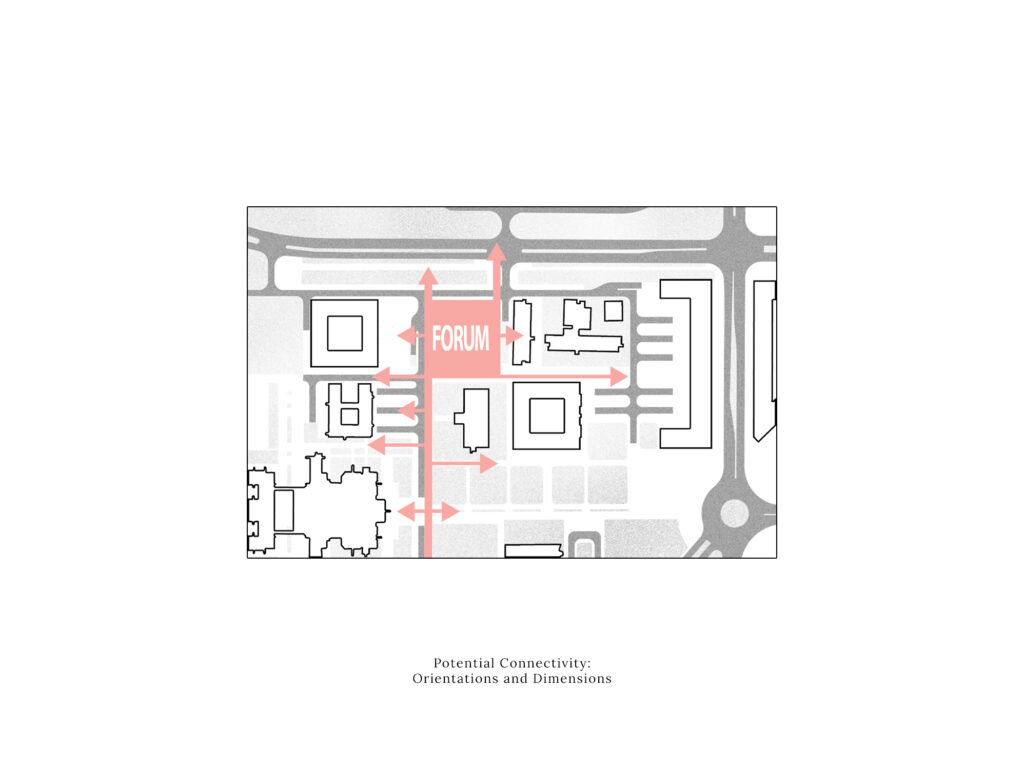
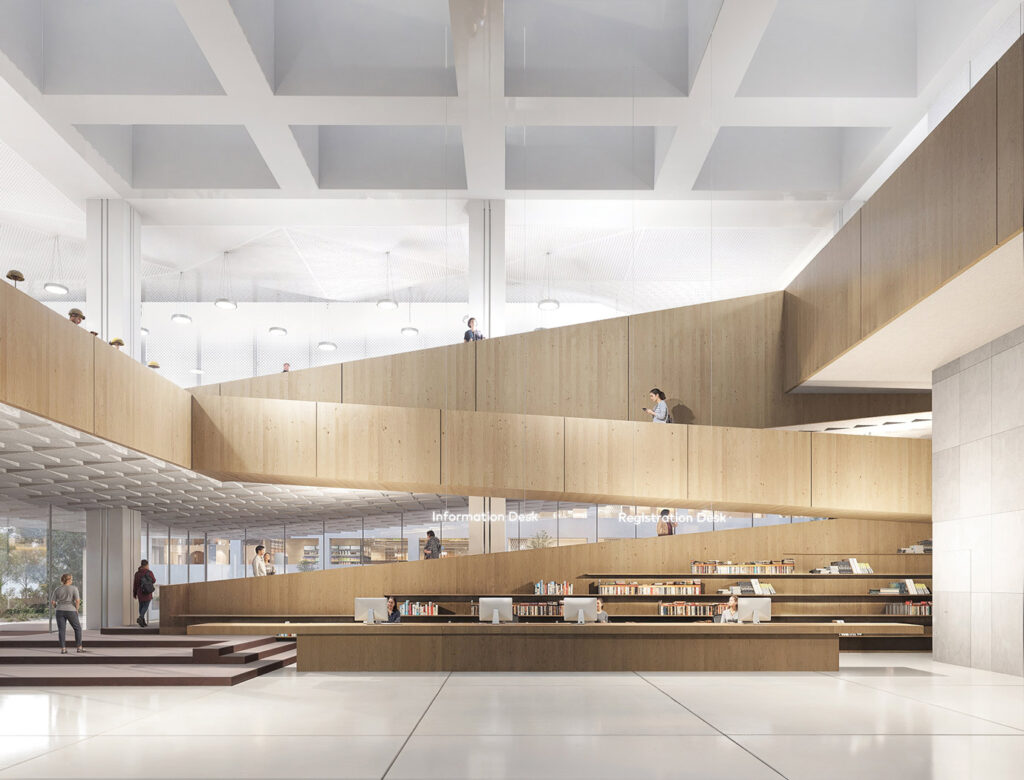
At this stage, the library’s role extends beyond serving merely as an interface for accessing knowledge; it can actas a bridge between knowledge and meaning. This function manifests in multiple dimensions, encompassing situationsthat may serve as forms of verification of knowledge through encounters, discussions, and both consensusand conflict. By fostering strong connections with the public, a new type of library experience can coexist with the traditionally focused and serene atmosphere of libraries. A spatial strategy is proposed that positions the library asa site for encounters and unforeseen urban moments between a growing city and a dynamic university campus, creating a ground that allows the building to transcend its functional purpose and achieve an existence beyond itsinitial promise.
1. 3. Library & Urban Anchoring
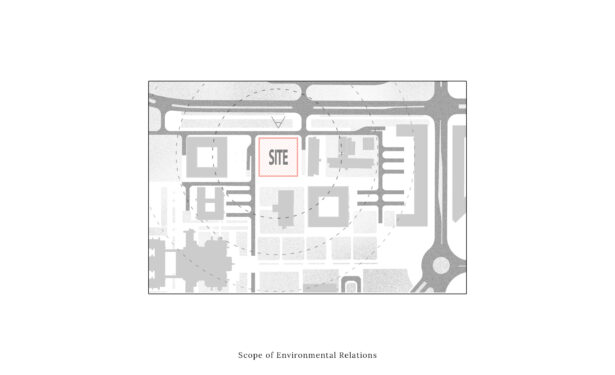
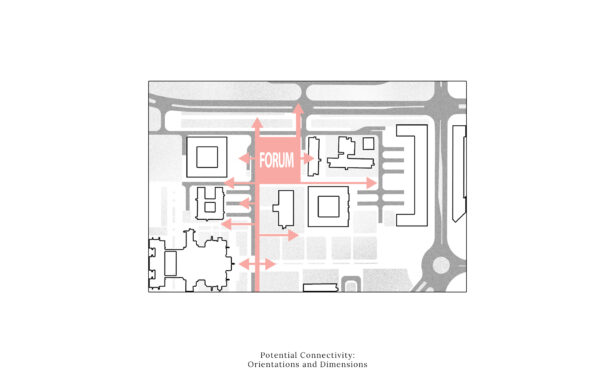
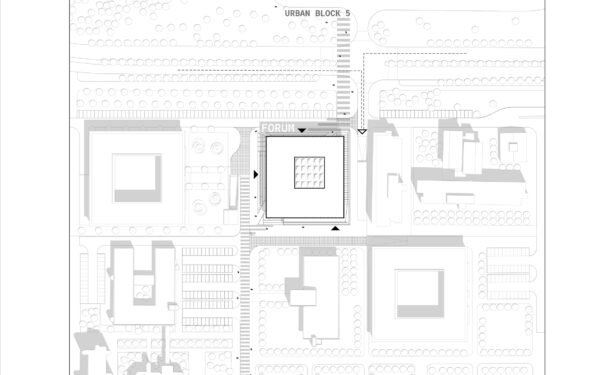
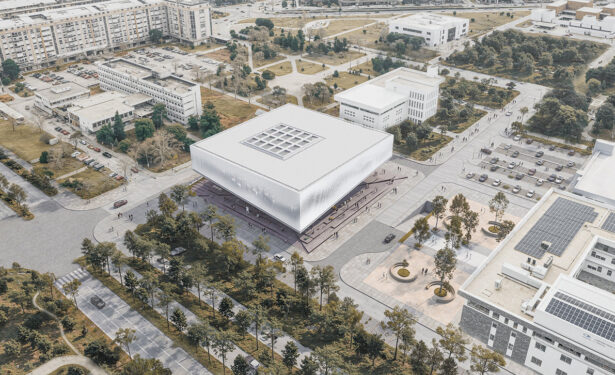
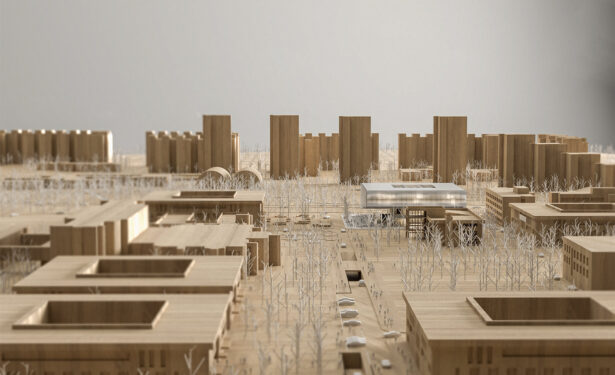
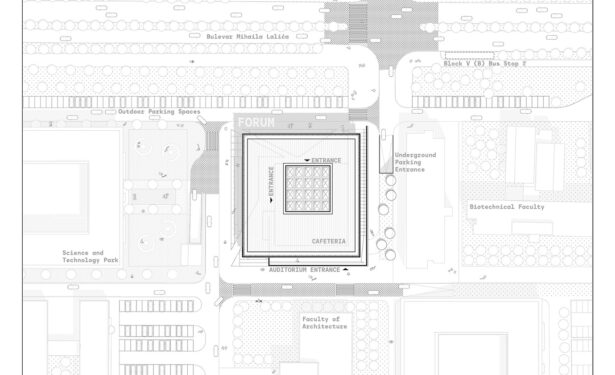
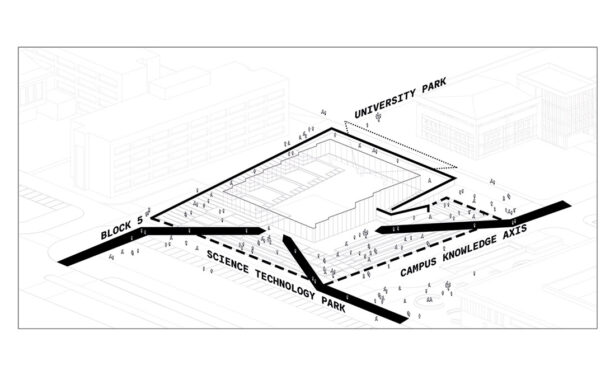
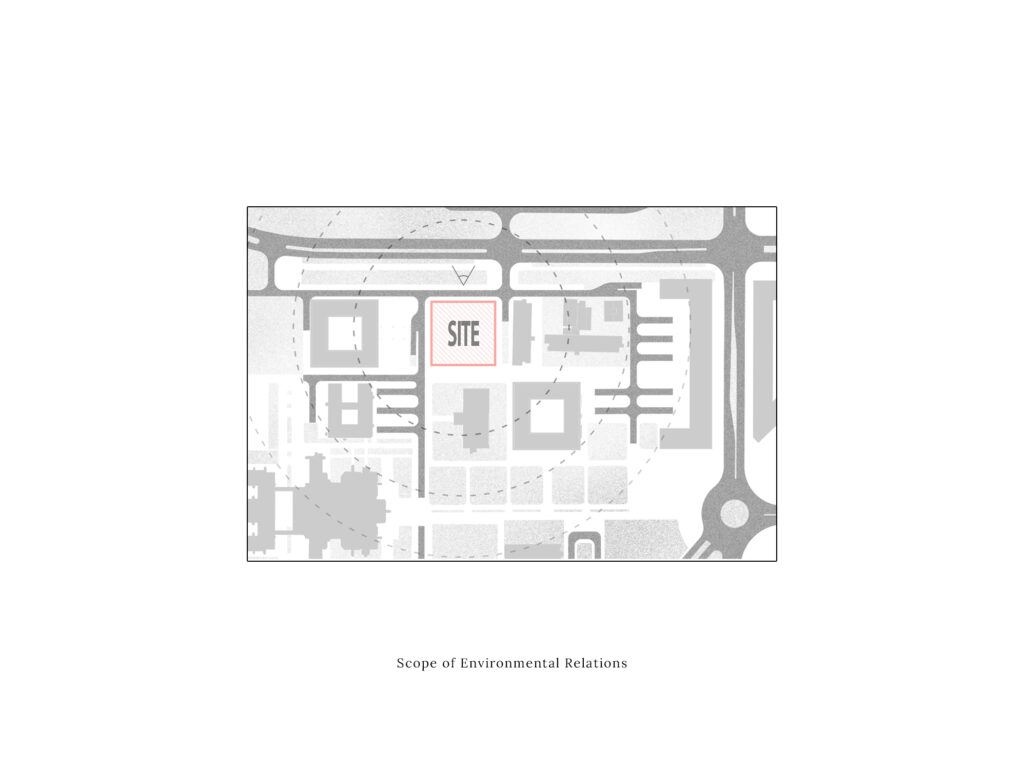
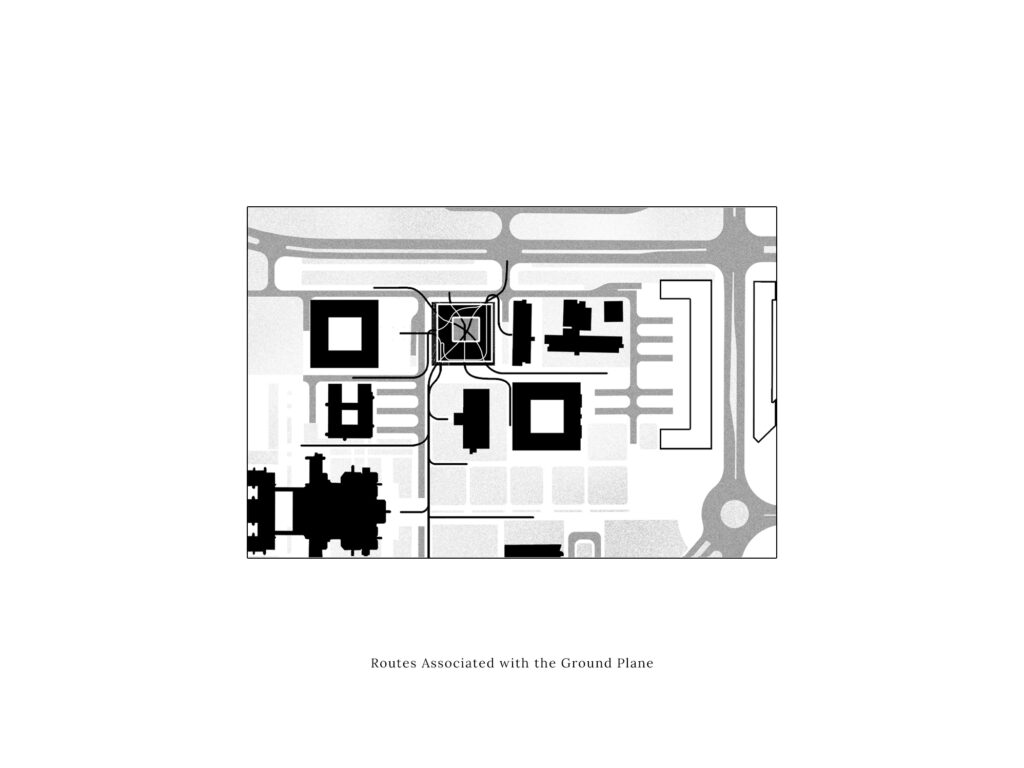
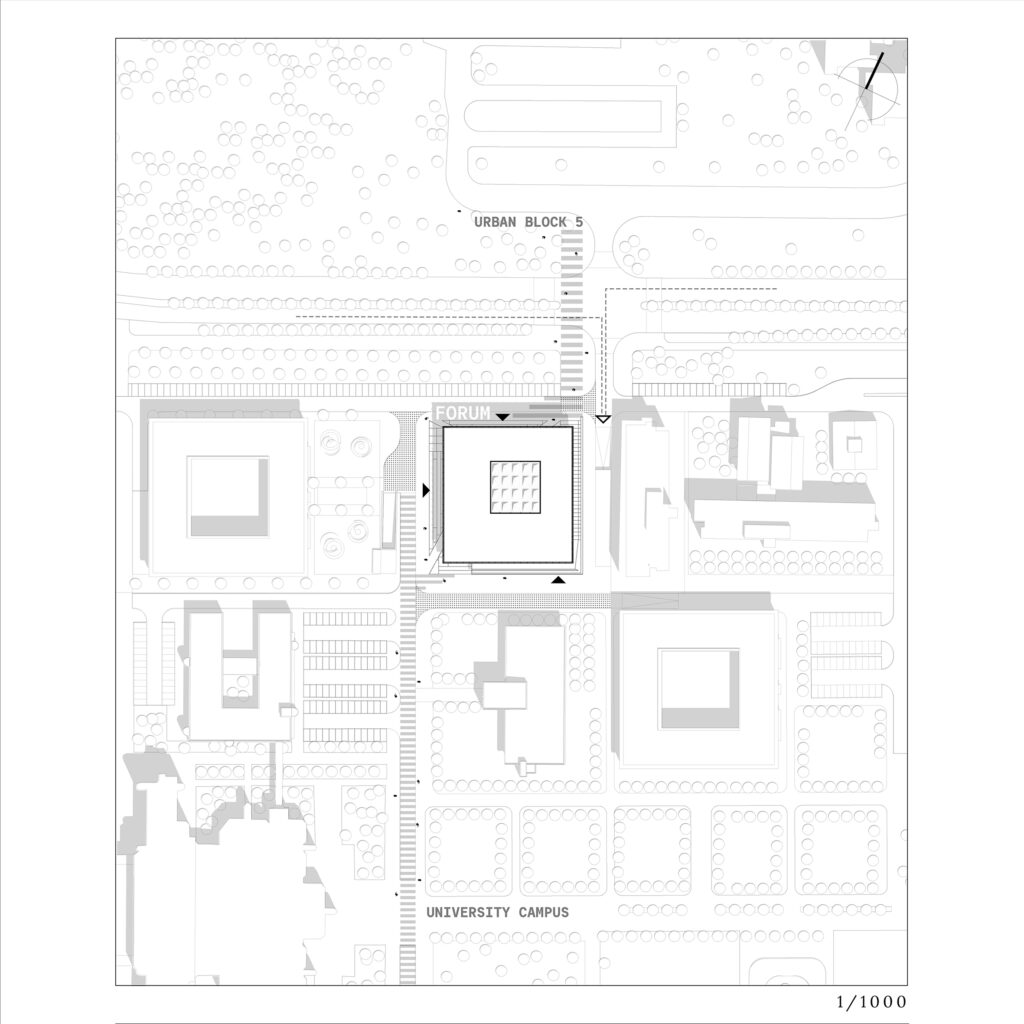
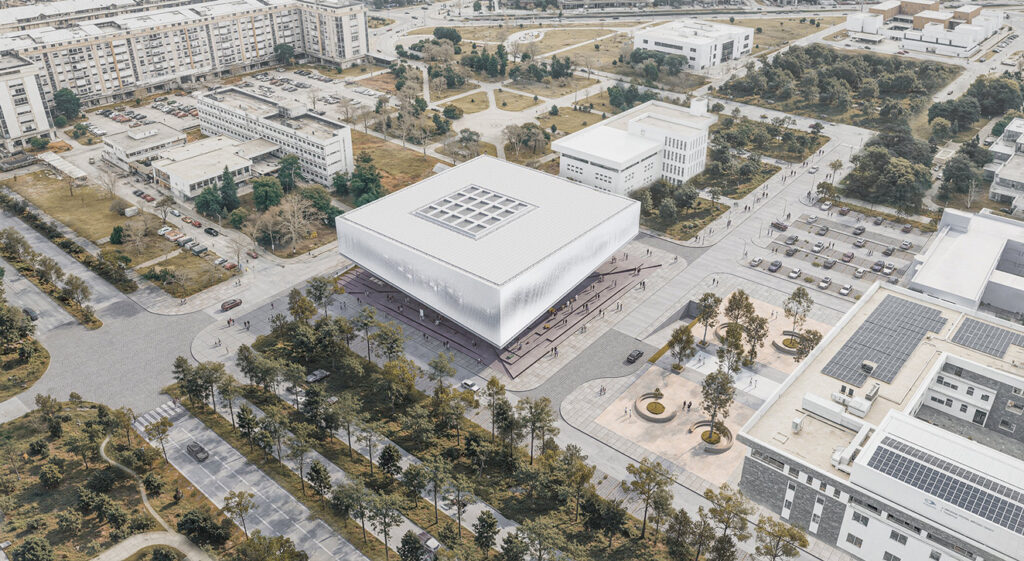
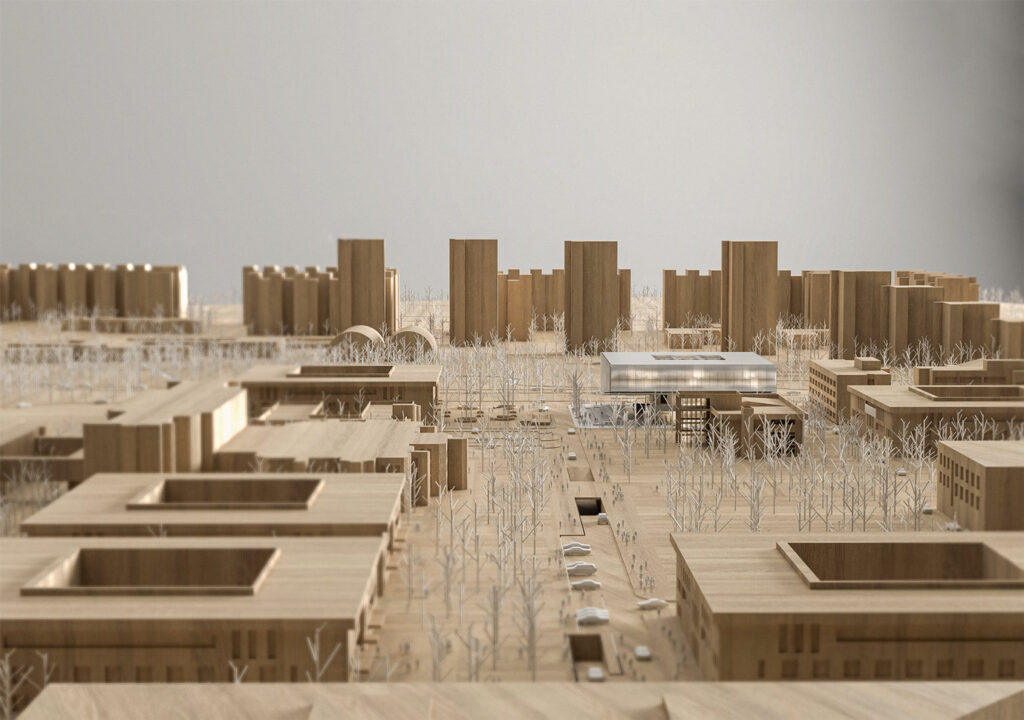
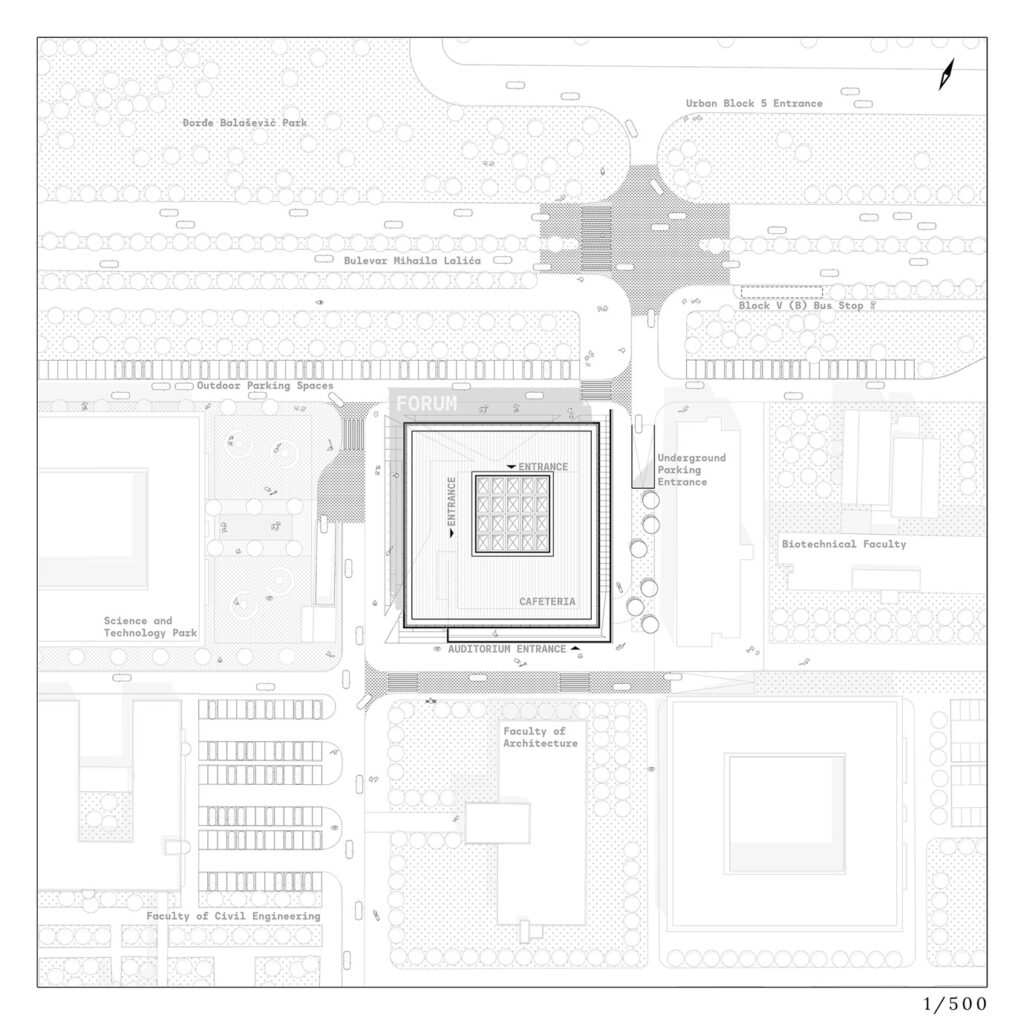
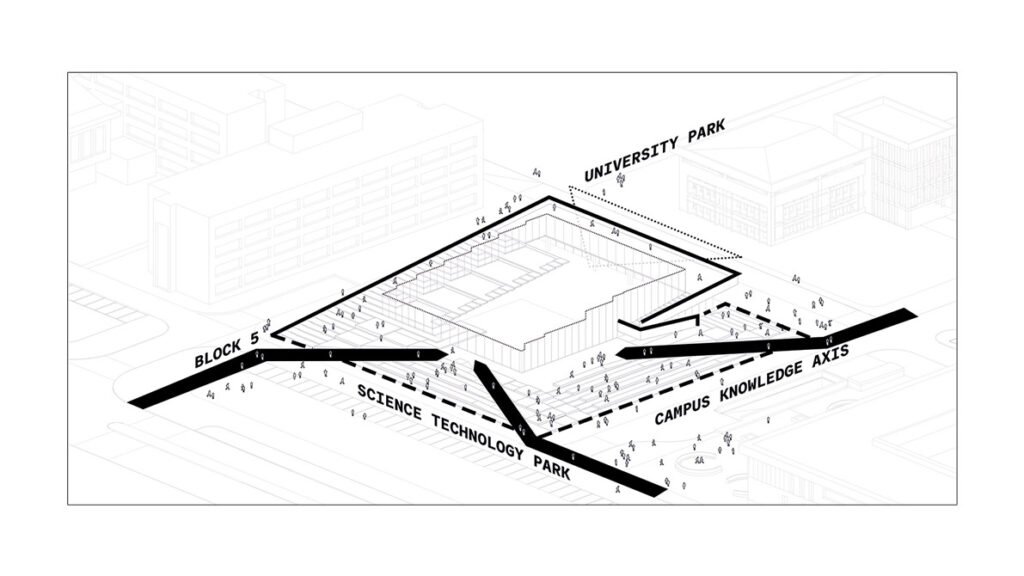
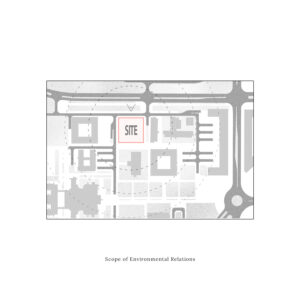
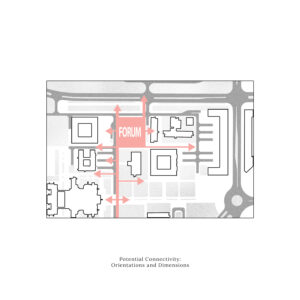
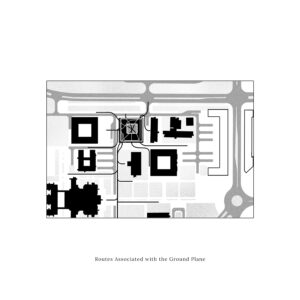
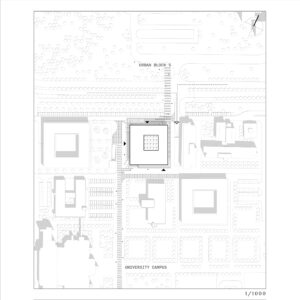
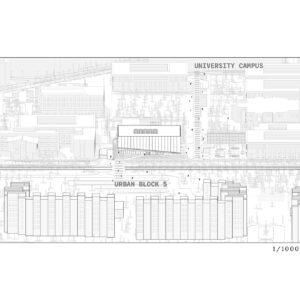
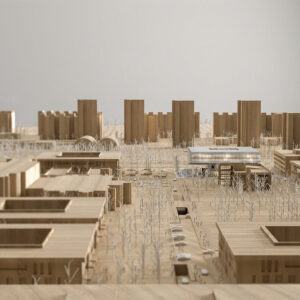
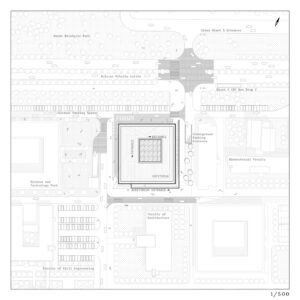
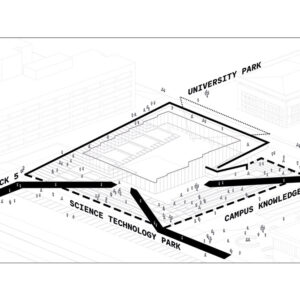
The project site is situated at a point that can be considered the northern gateway of the university campus. It is adjacent to various educational units and draws influence from multiple approaches. The site is aligned with the pedestrian axis that forms the backbone of the campus development plan along its western edge, while the approach from the university’s northern entrance predominantly shapes its sectional and tectonic configuration. The western façade engages with the adjacent open space and the Faculty of Architecture, as well as with surfaces of varying scales and programs that intersect the area.
Chapter 2. Design Concept: From Mass to Meaning
Form, Layers and Ground
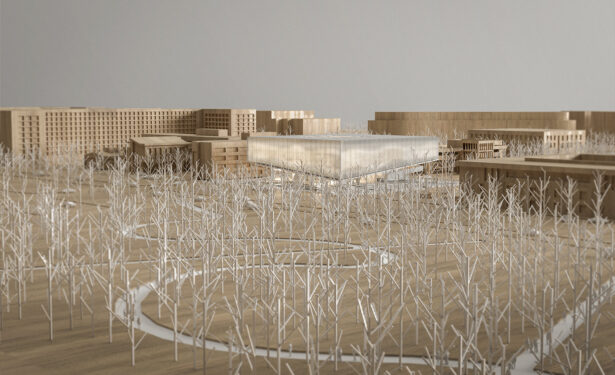
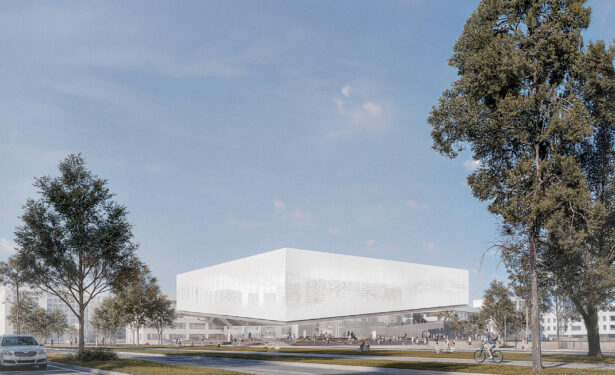
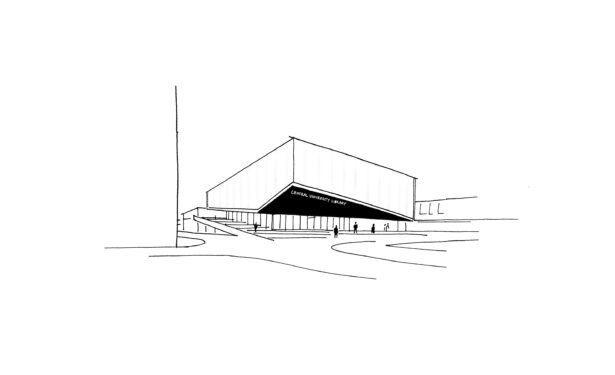
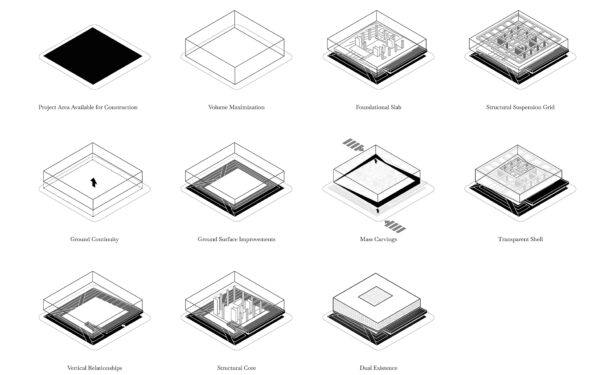
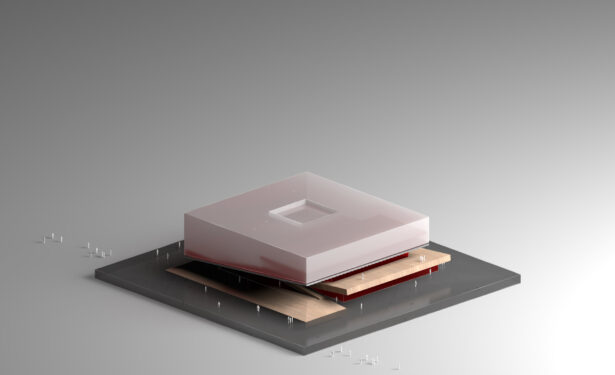
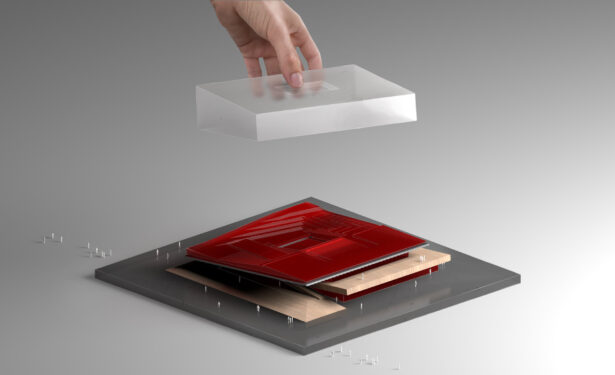
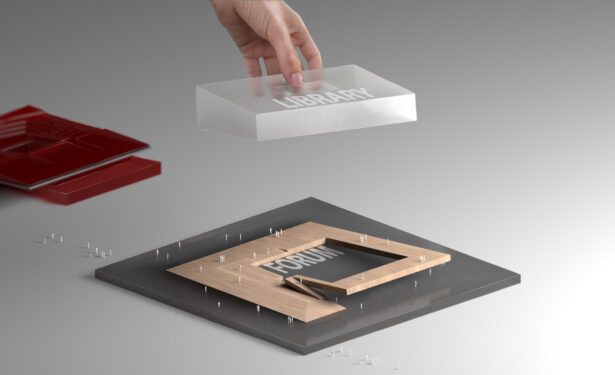
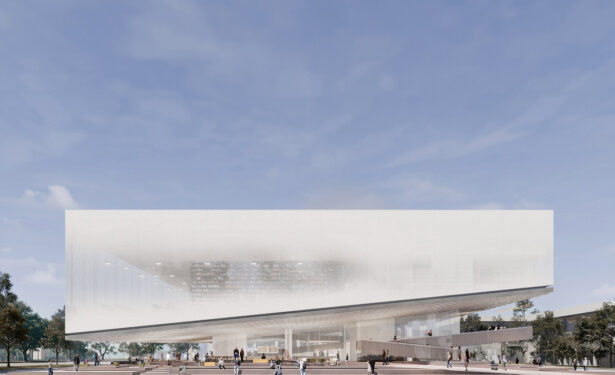
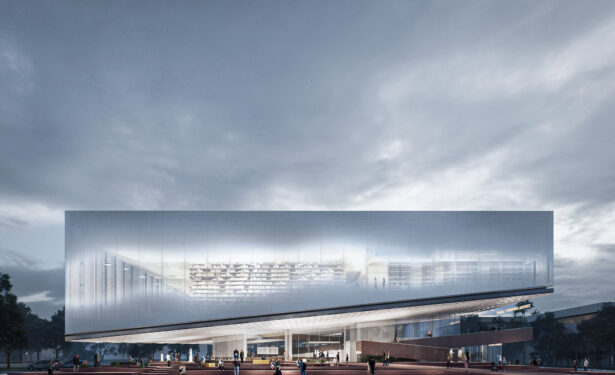
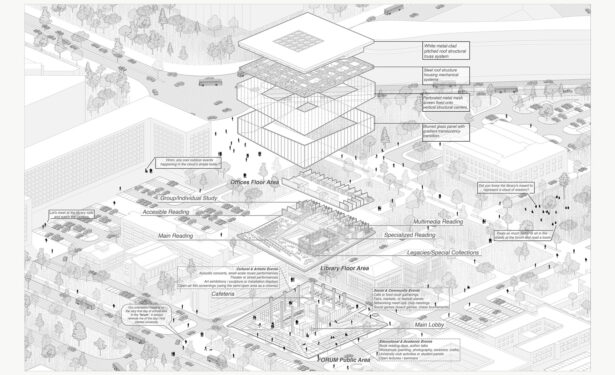
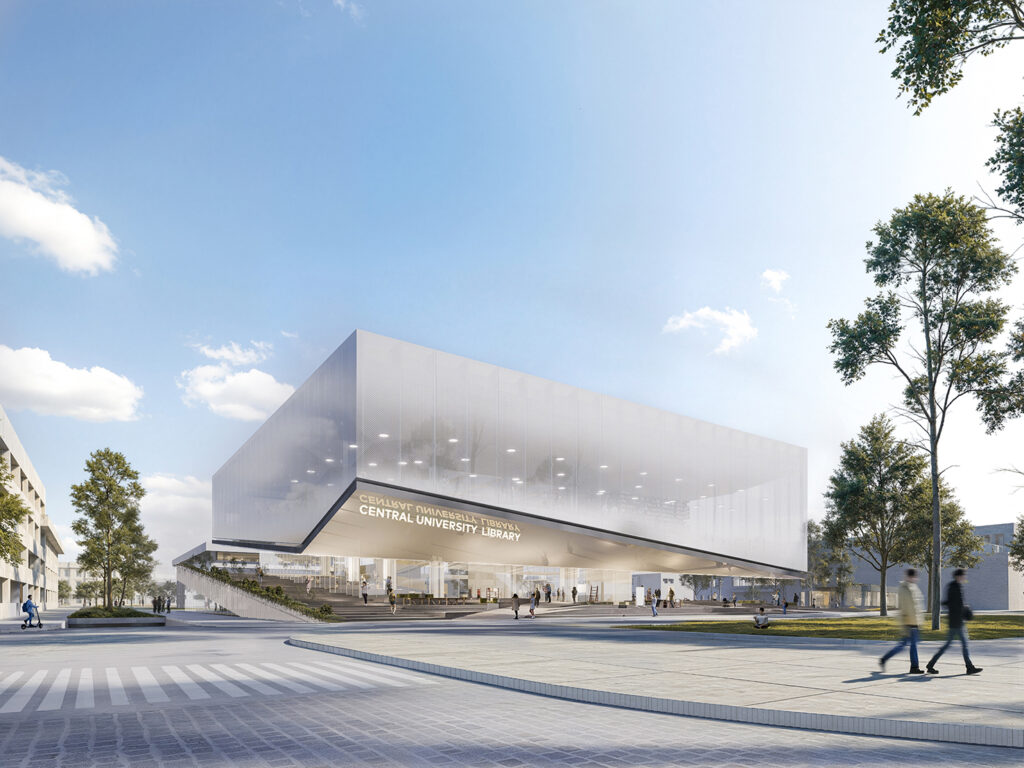
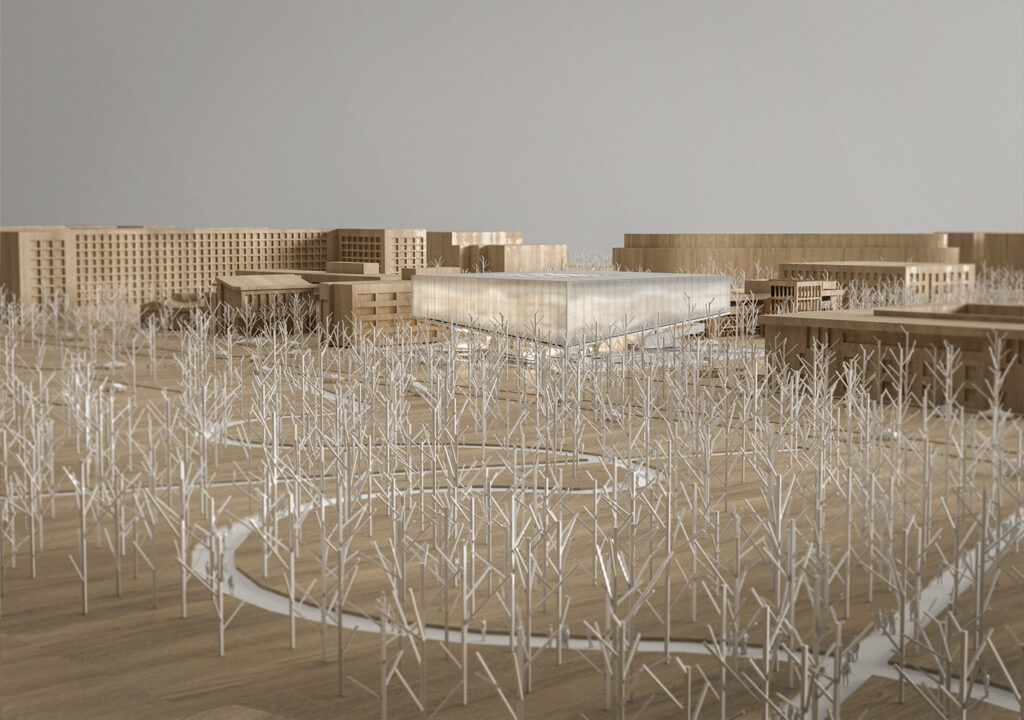
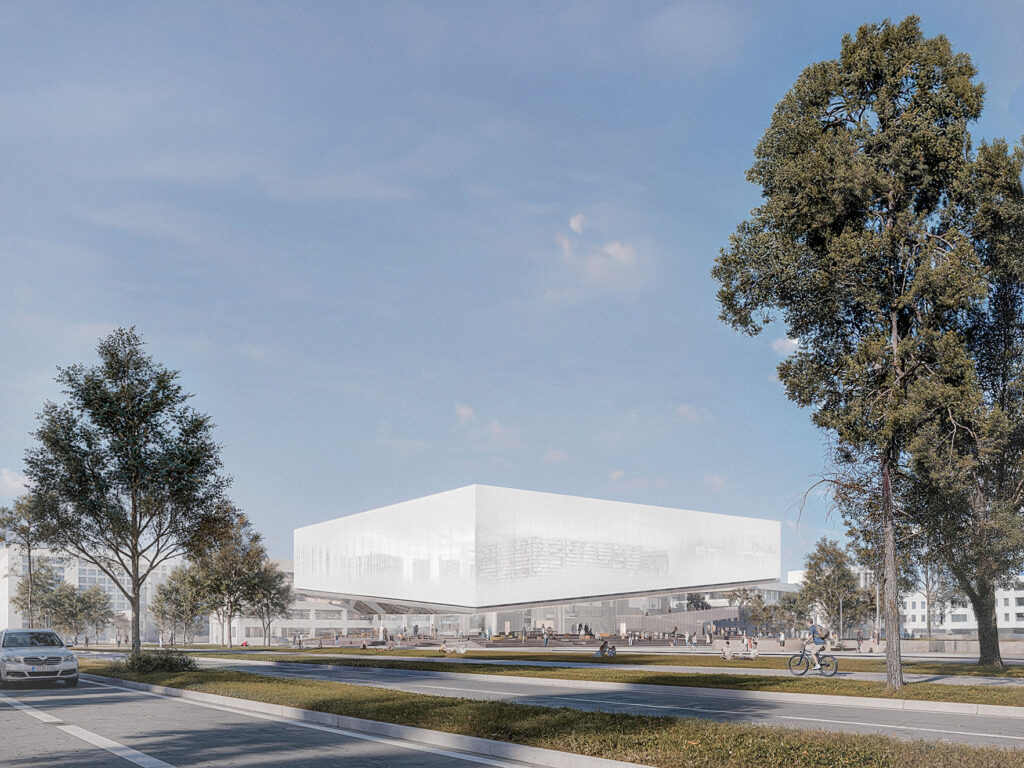
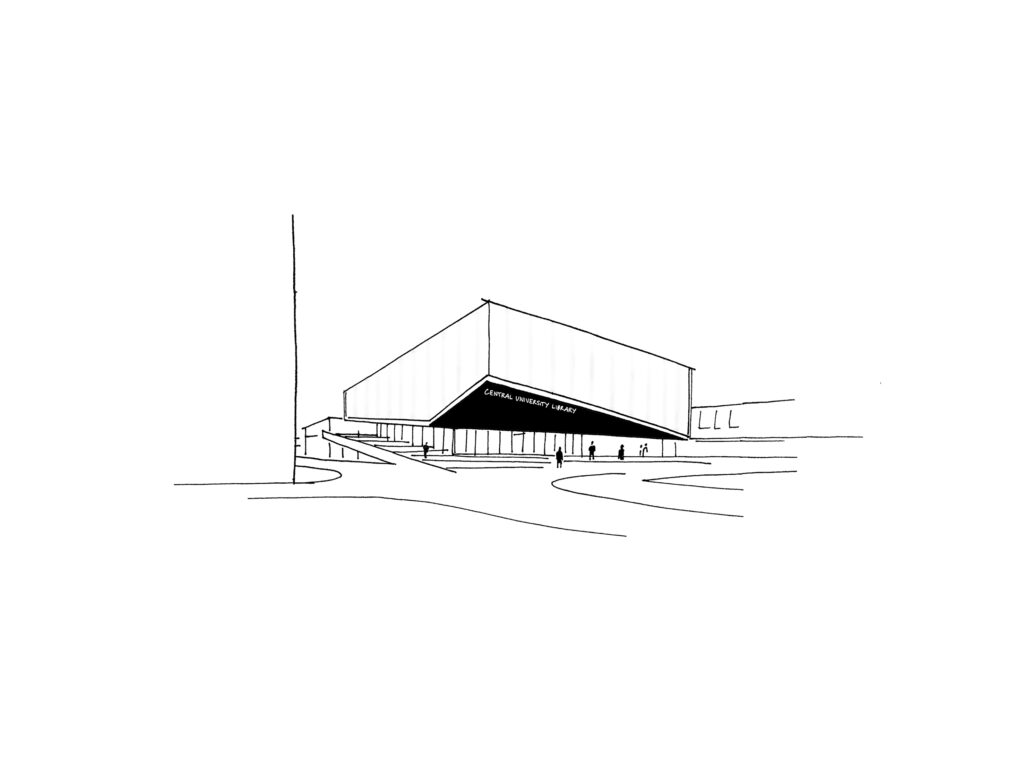
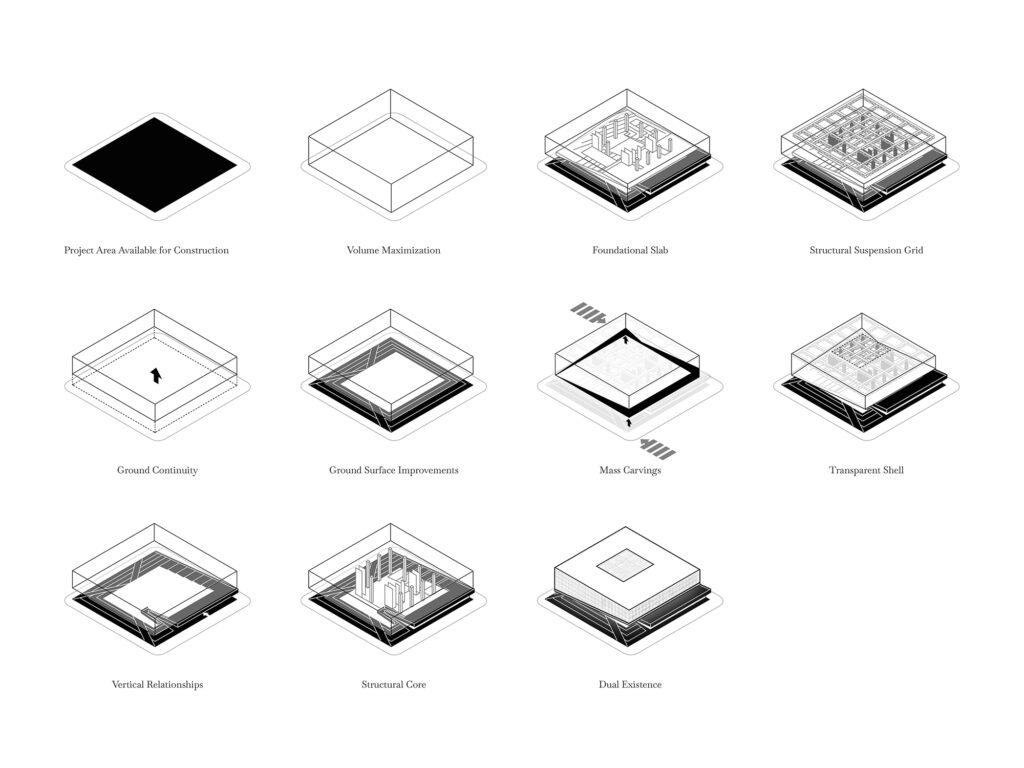
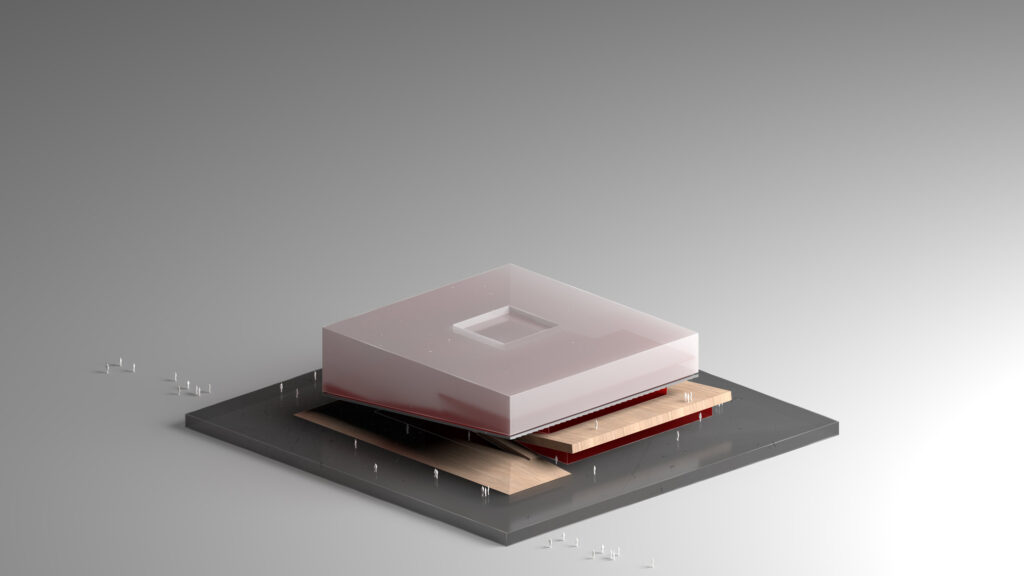
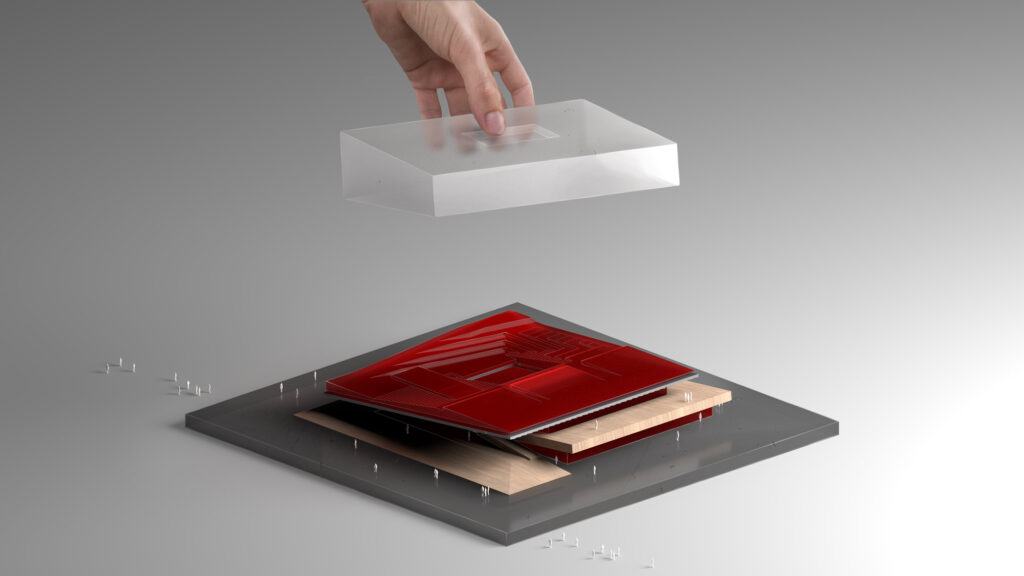
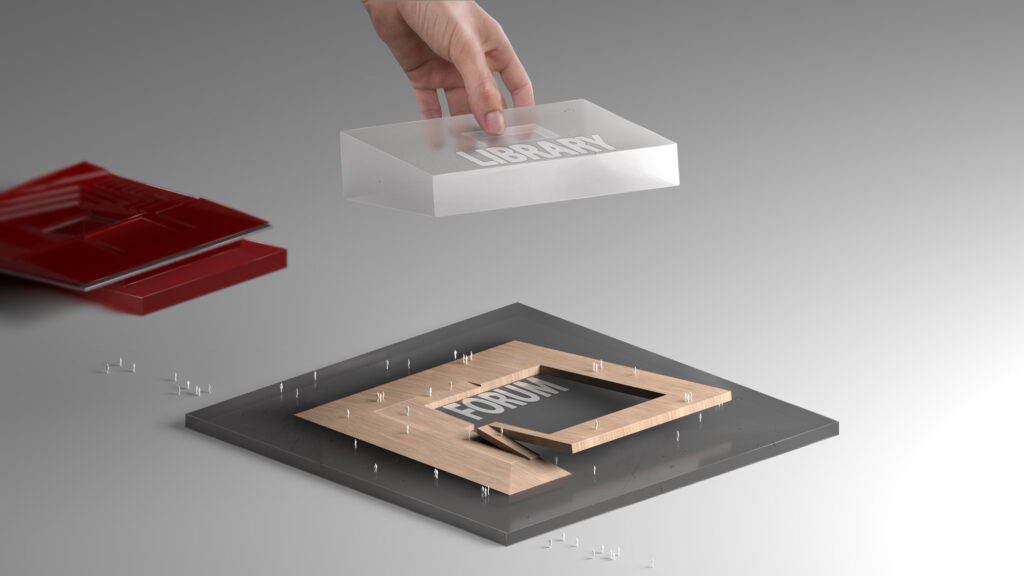
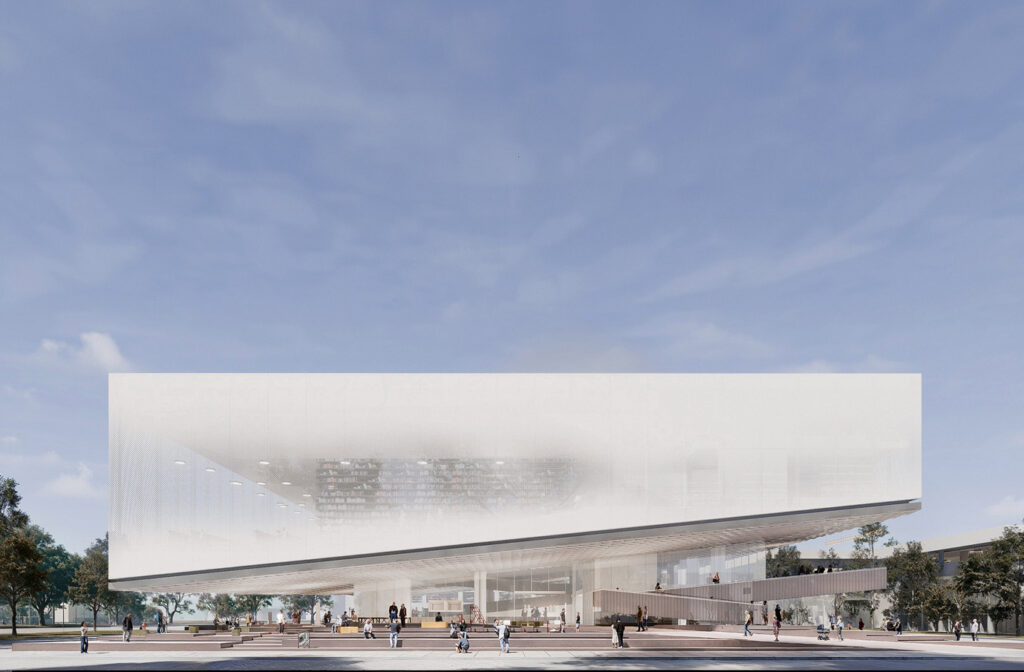
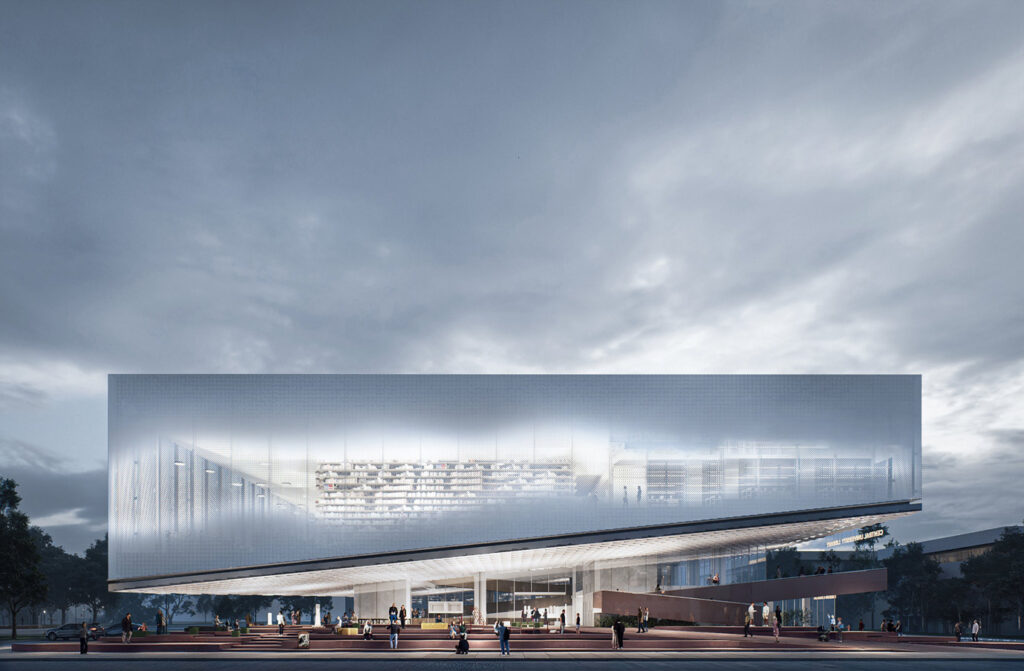
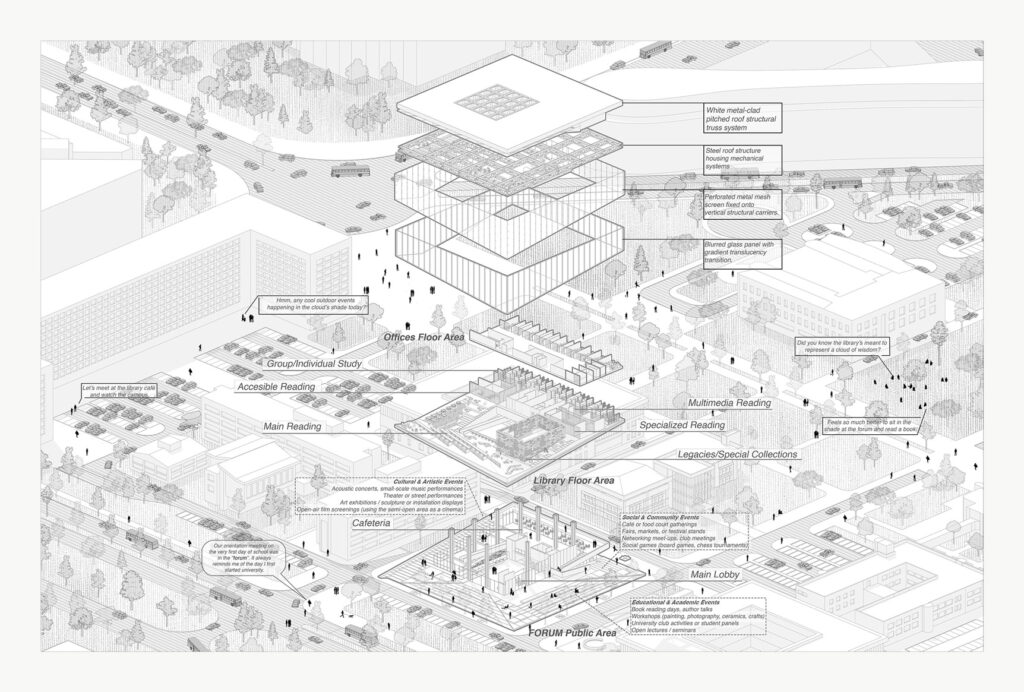
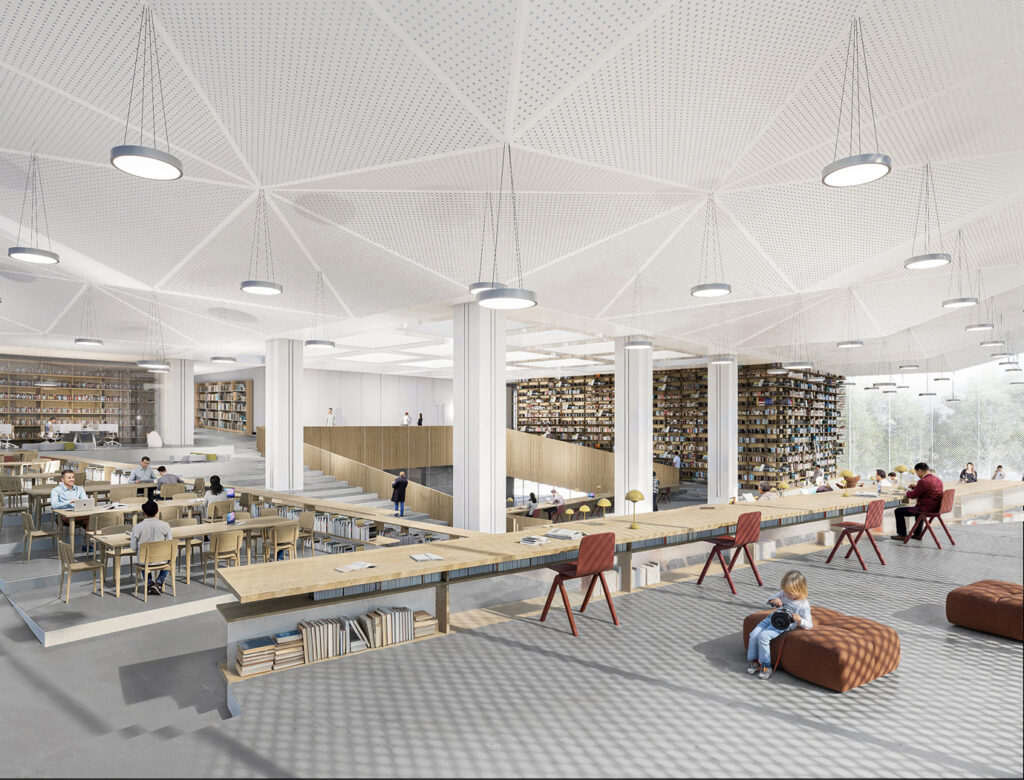
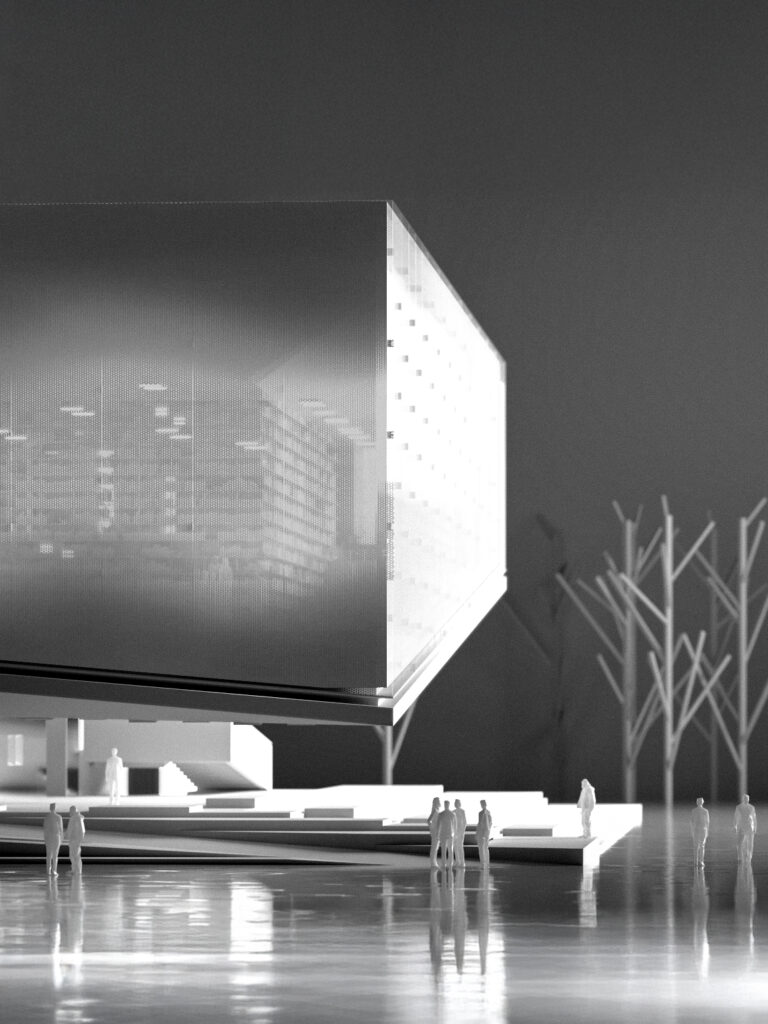
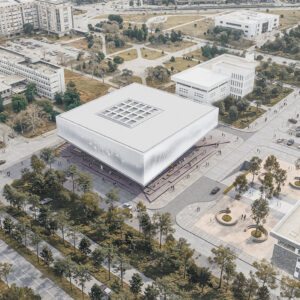
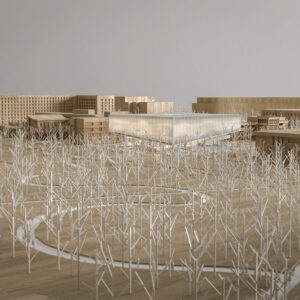
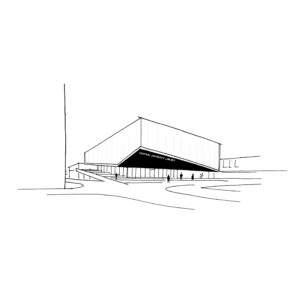
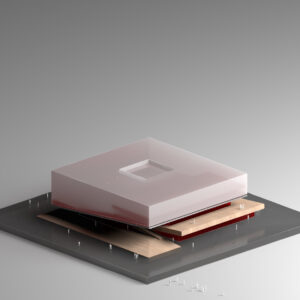
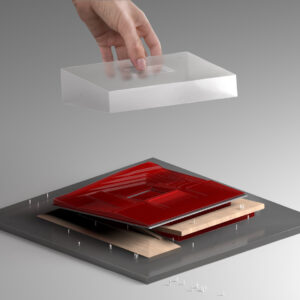
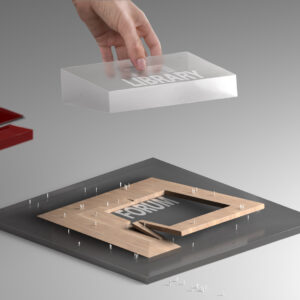
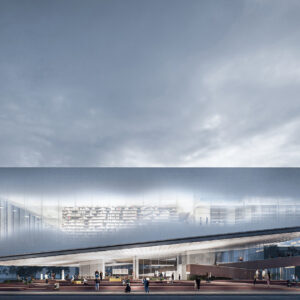
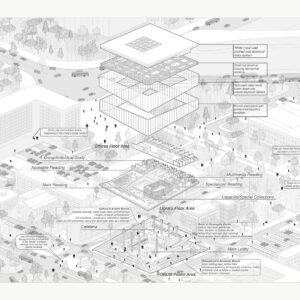
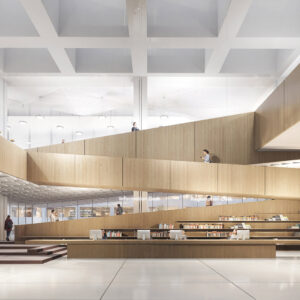
The form of the building emerges from the duality inherent in the two envisioned characters of the library’s content. Layered upon one another, these strata gradually unfold, revealing two opposing yet interconnected extremes. The serenity captured within the sculpted, cloud-like volume gently disperses, merging with the rhythms of the campus and the city beyond. This delicate interplay between silence and sound, detachment and engagement, illuminates the profound narrative concealed within the design, inviting the observer to experience the library not merely as a building, but as a living bridge between knowledge, meaning, and place.
Chapter 3. Use, Movement, Program
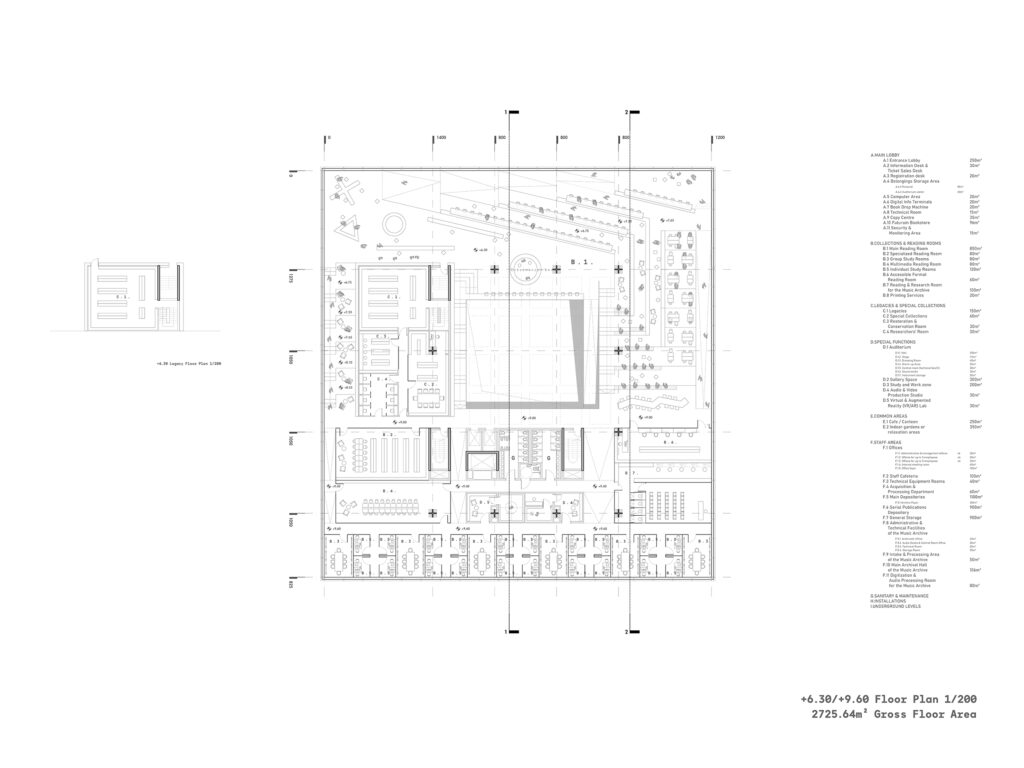
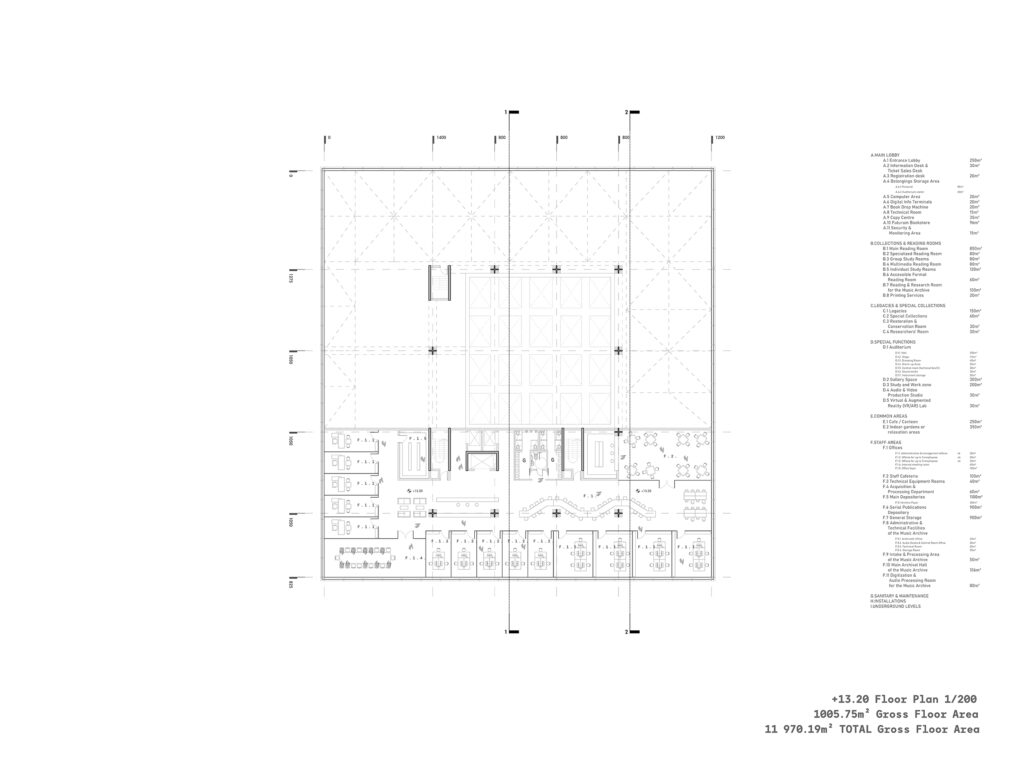
Plans
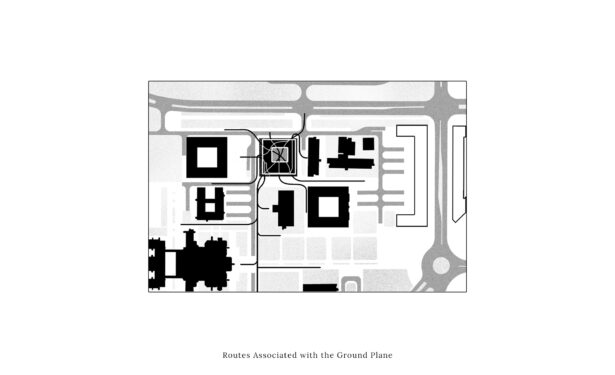
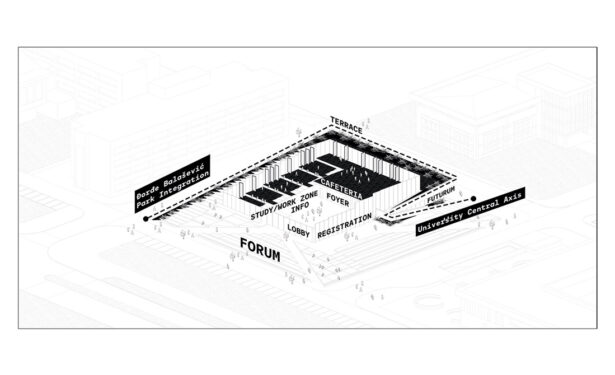
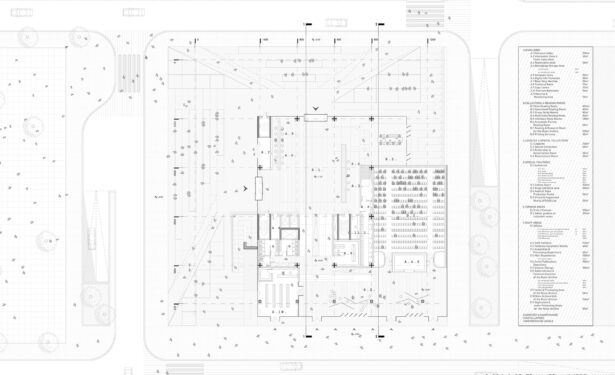
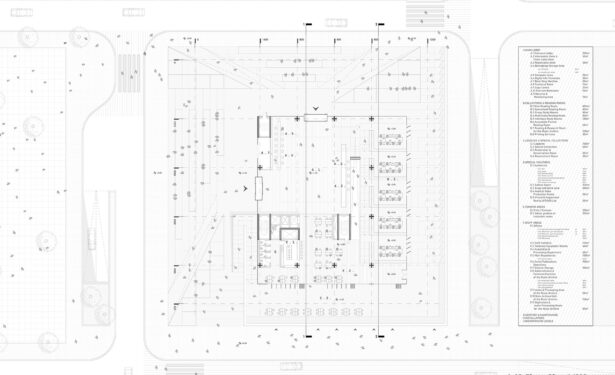
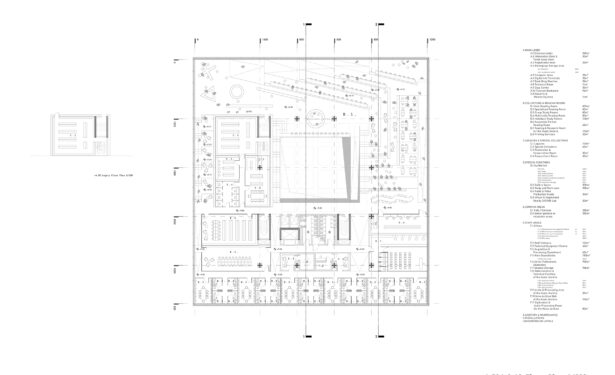
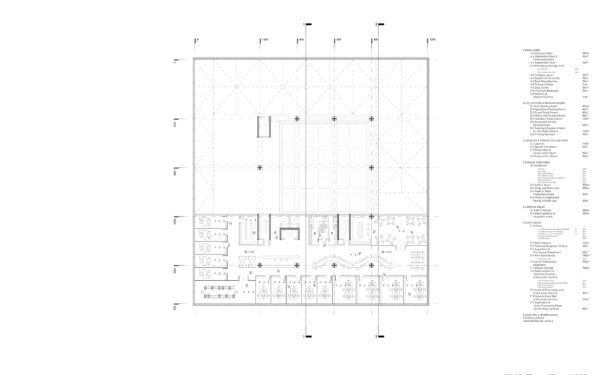
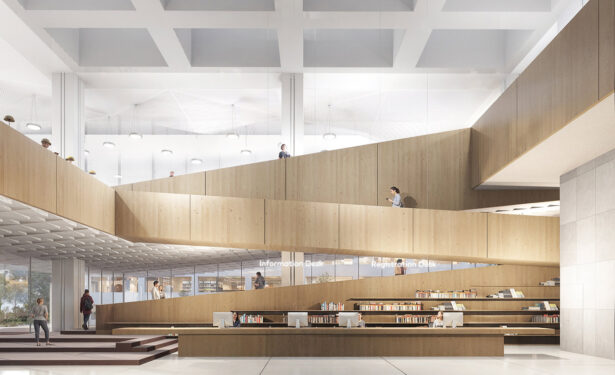
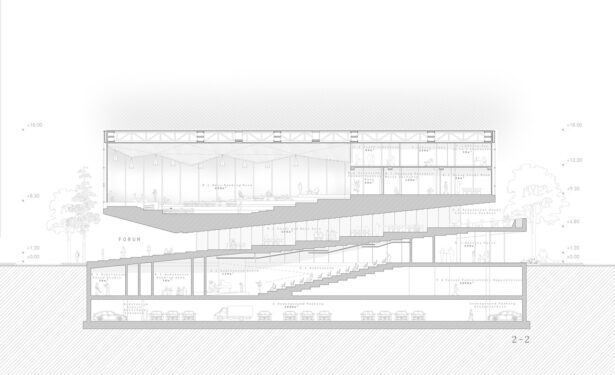
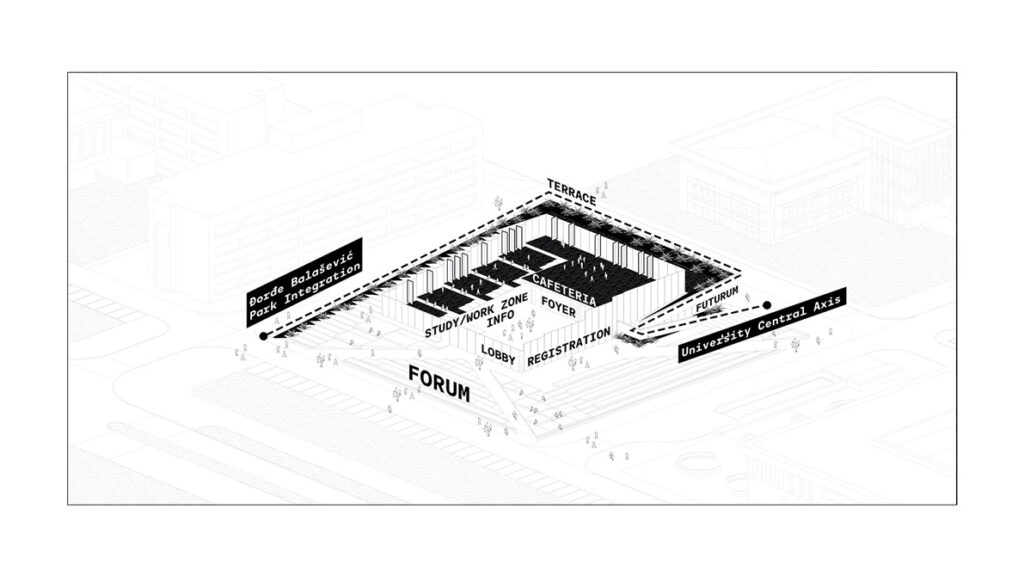
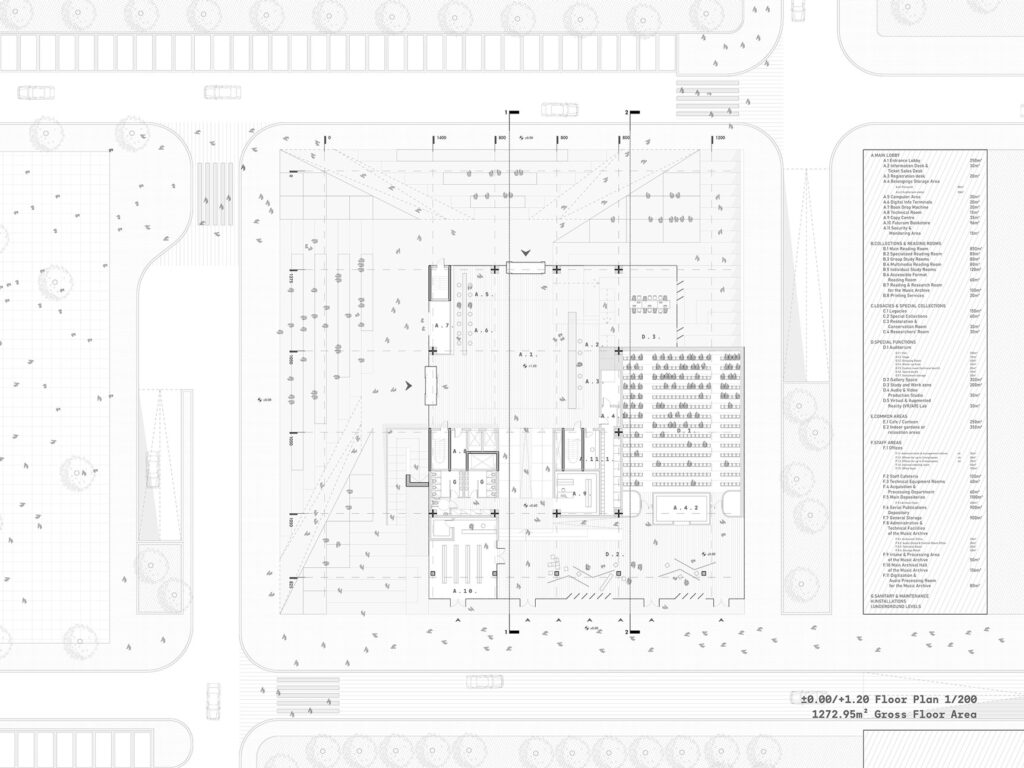
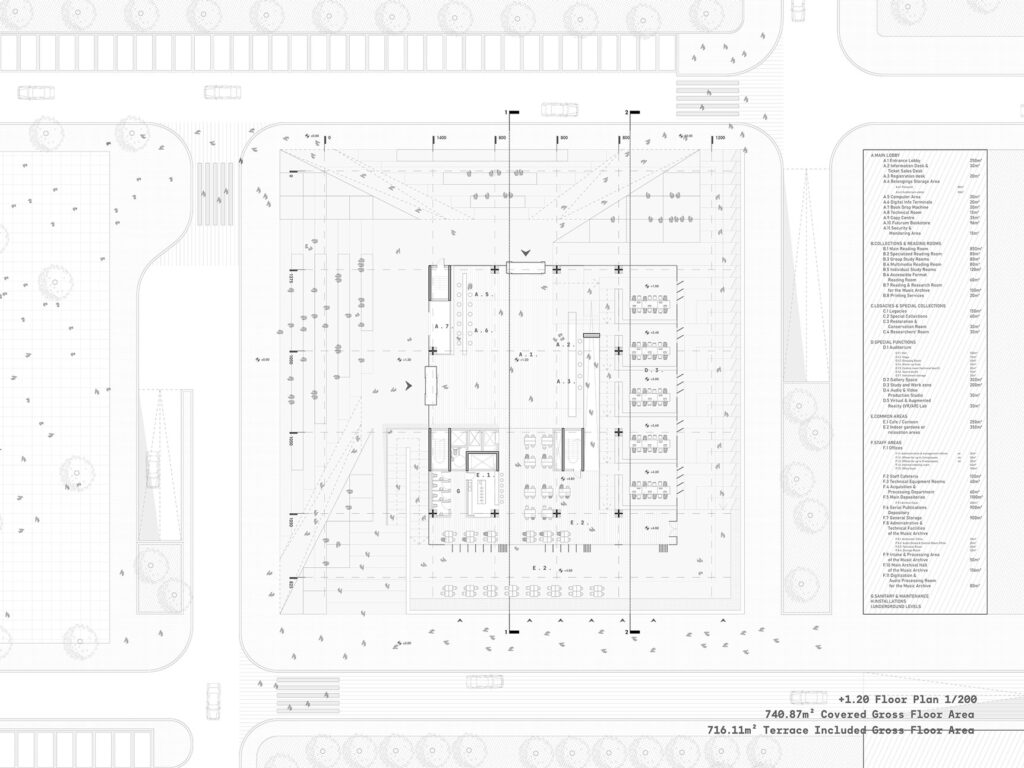
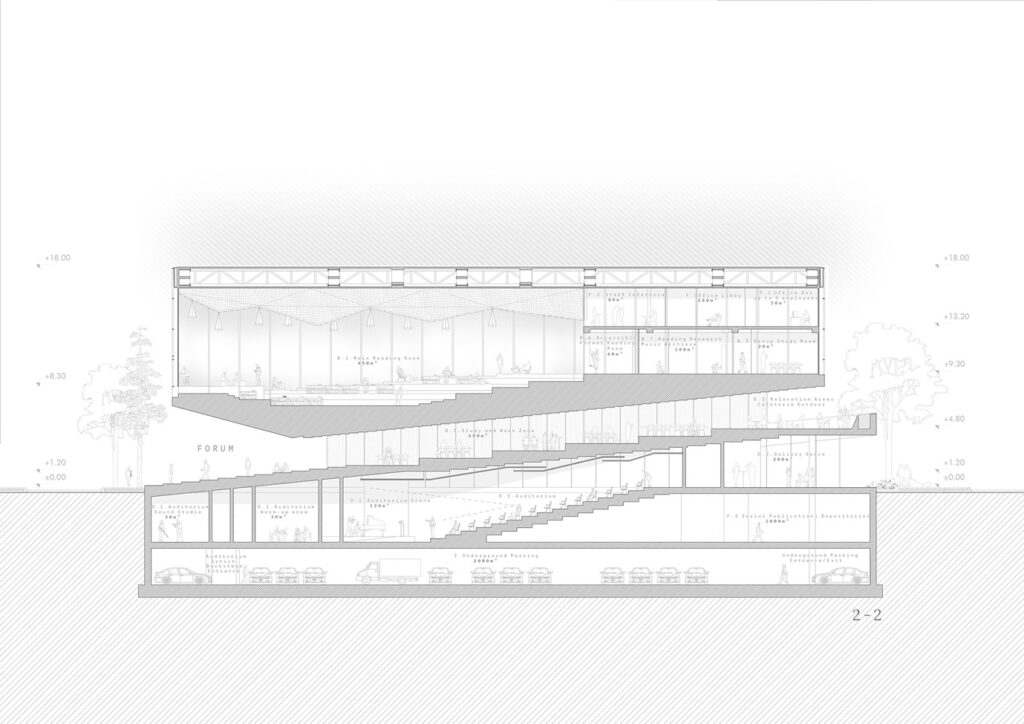
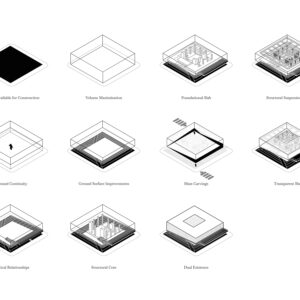
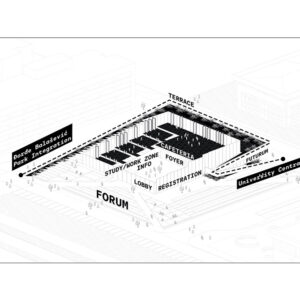
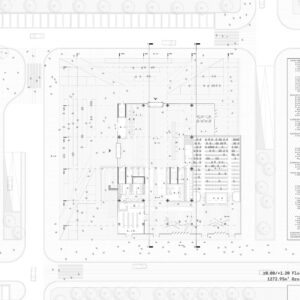
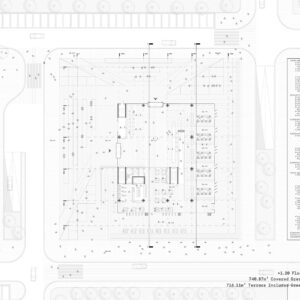
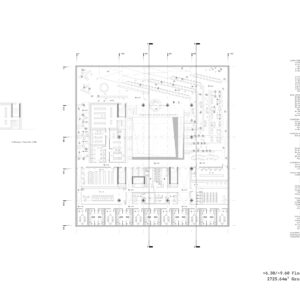
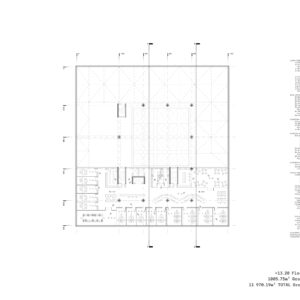
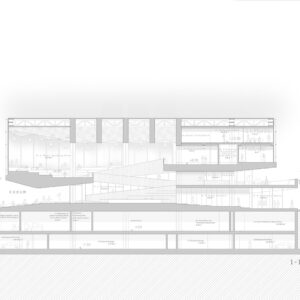
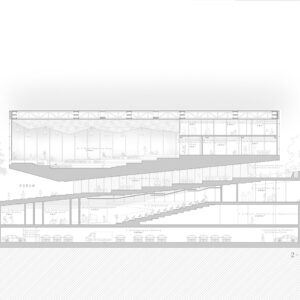
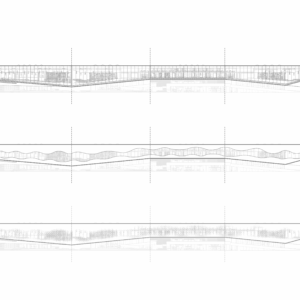
The movement between the university’s north entrance and the north–south axis has been translated into a guiding ground gesture within the site, shaping the arrangement of programmatic elements. This surface allows the different functions to unfold and relate to each other naturally.
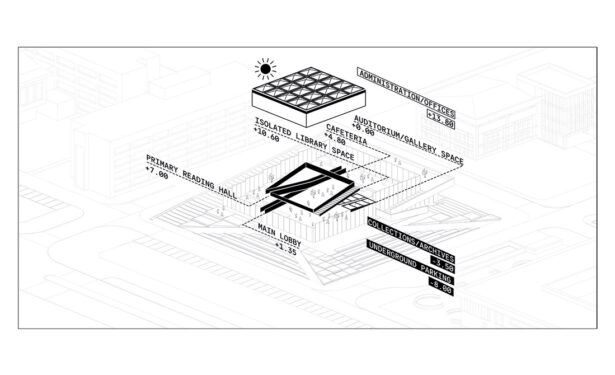
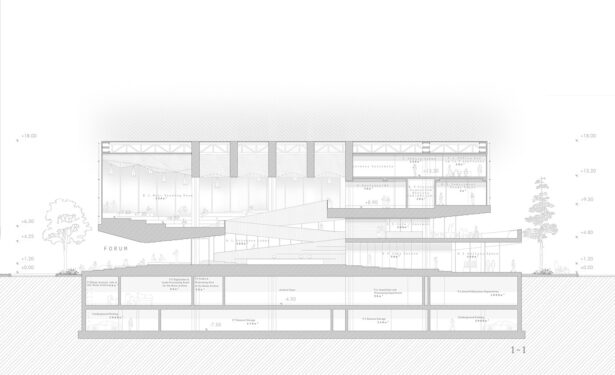
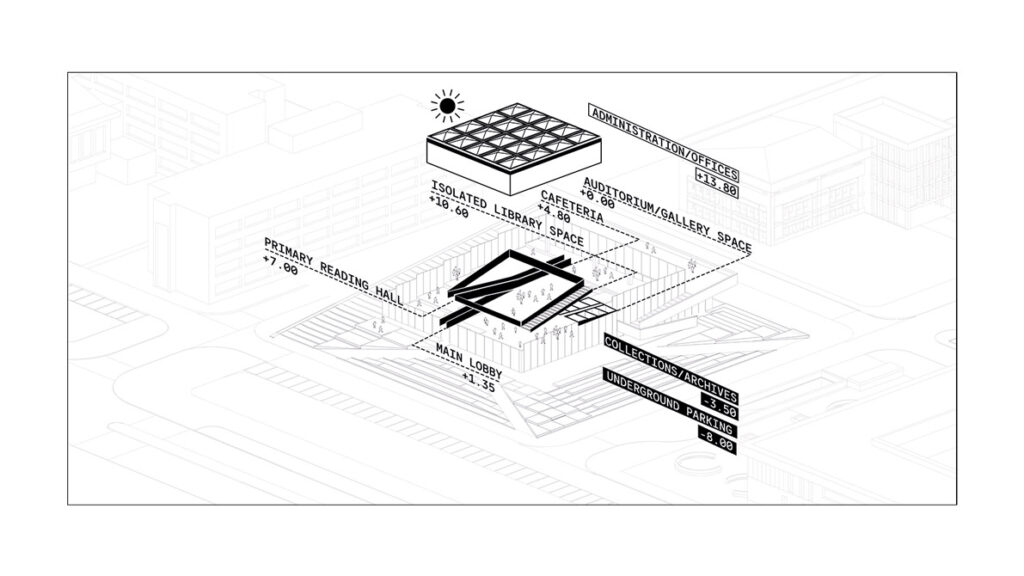
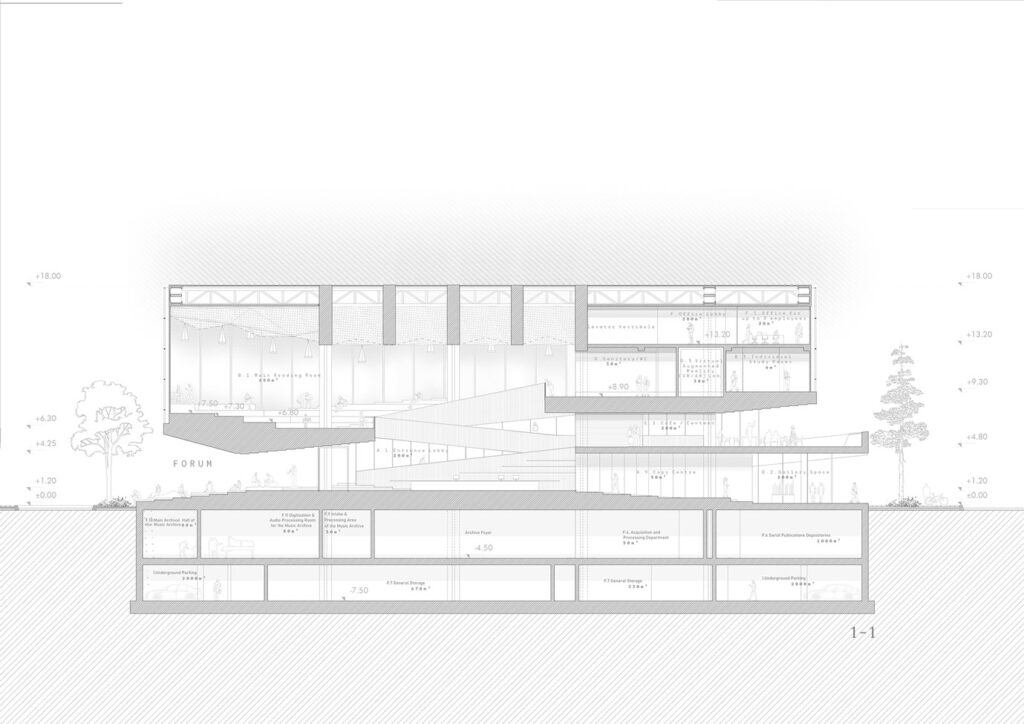
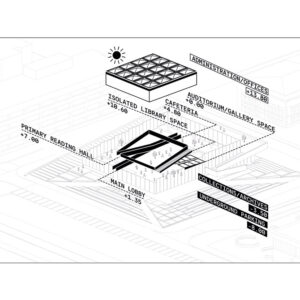
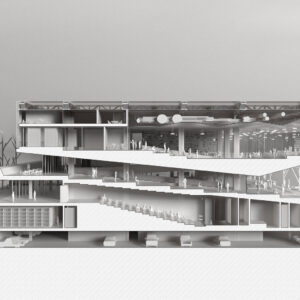
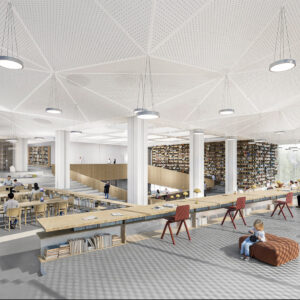
At +4. 80 elevation, the cafeteria is located as a social hub, while along the east façade, between +4. 80 and ±0. 00, the study and work zones are integrated with the entrance area to maximize programmatic connections. The ground-level transitions guide movement from open spaces toward enclosed areas, forming the main circulation of the building.
In this way, a movement that begins as an urban connection transforms into a human-scale experience, linking the city context with the building’s internal spatial logic.
Chapter 4. The Language of Making
4. 1. Materials & Tectonics
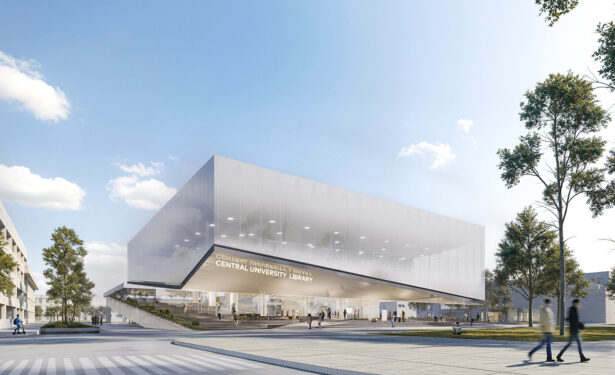
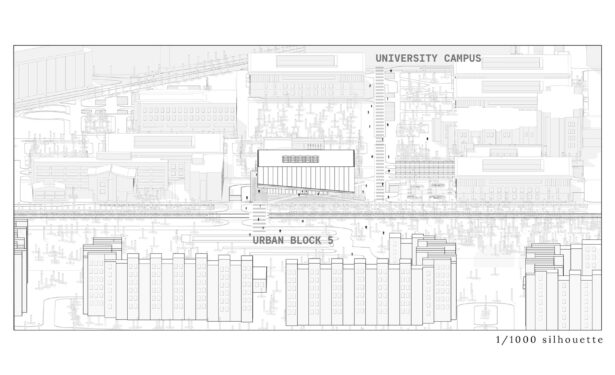
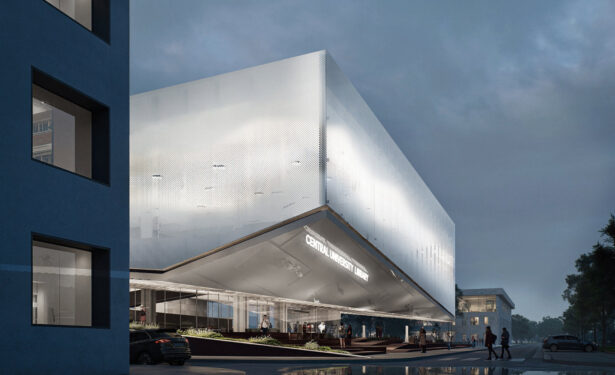
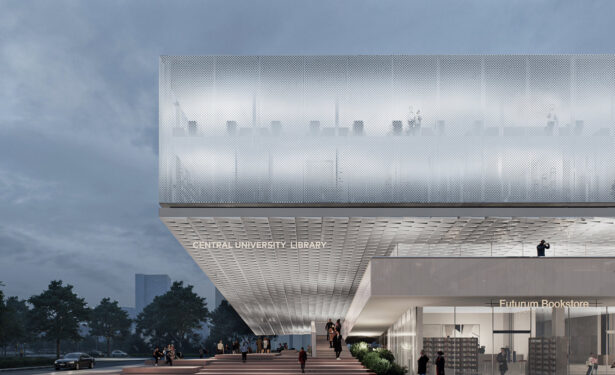
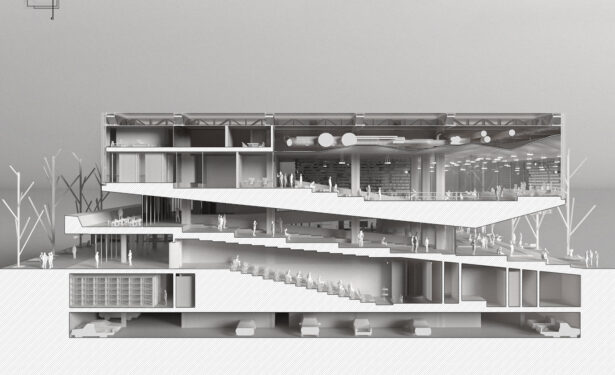
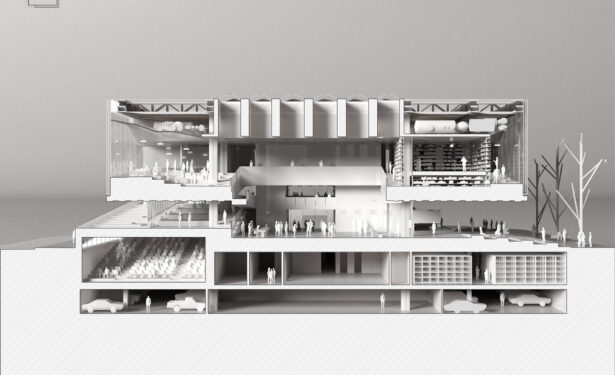
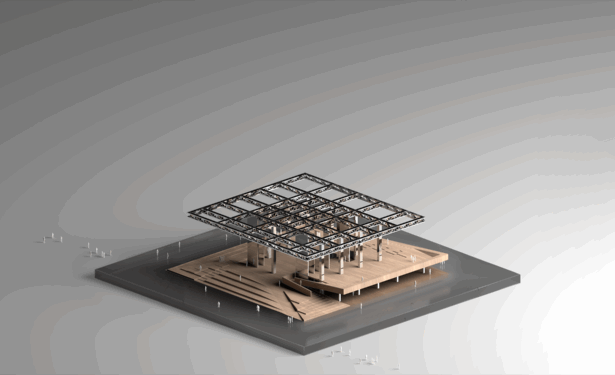
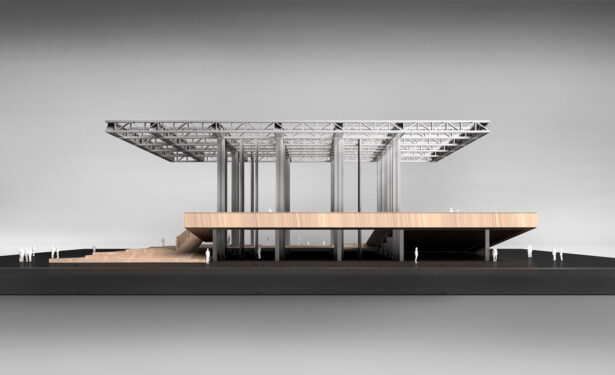
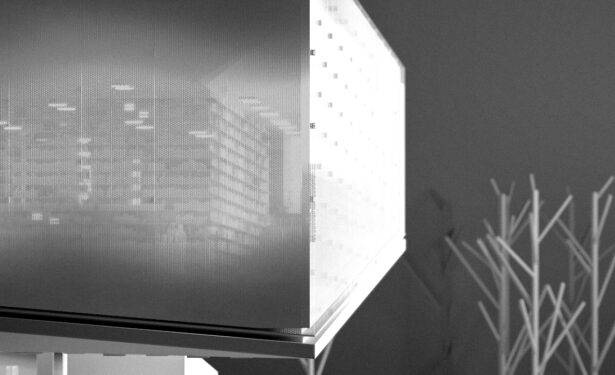
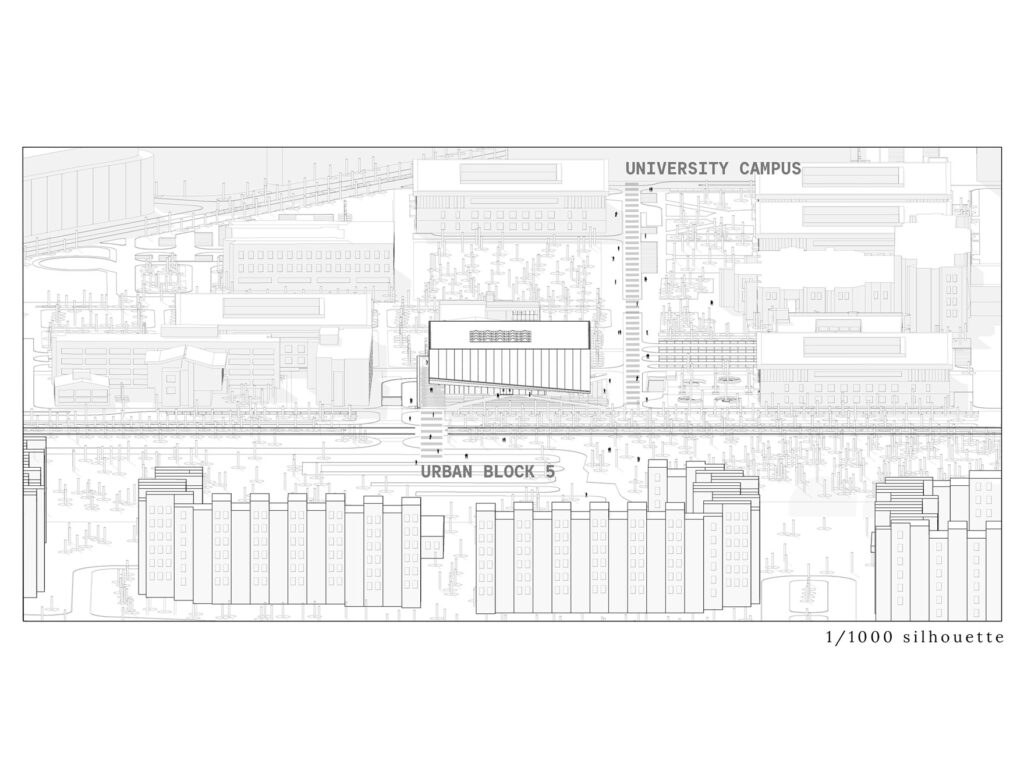
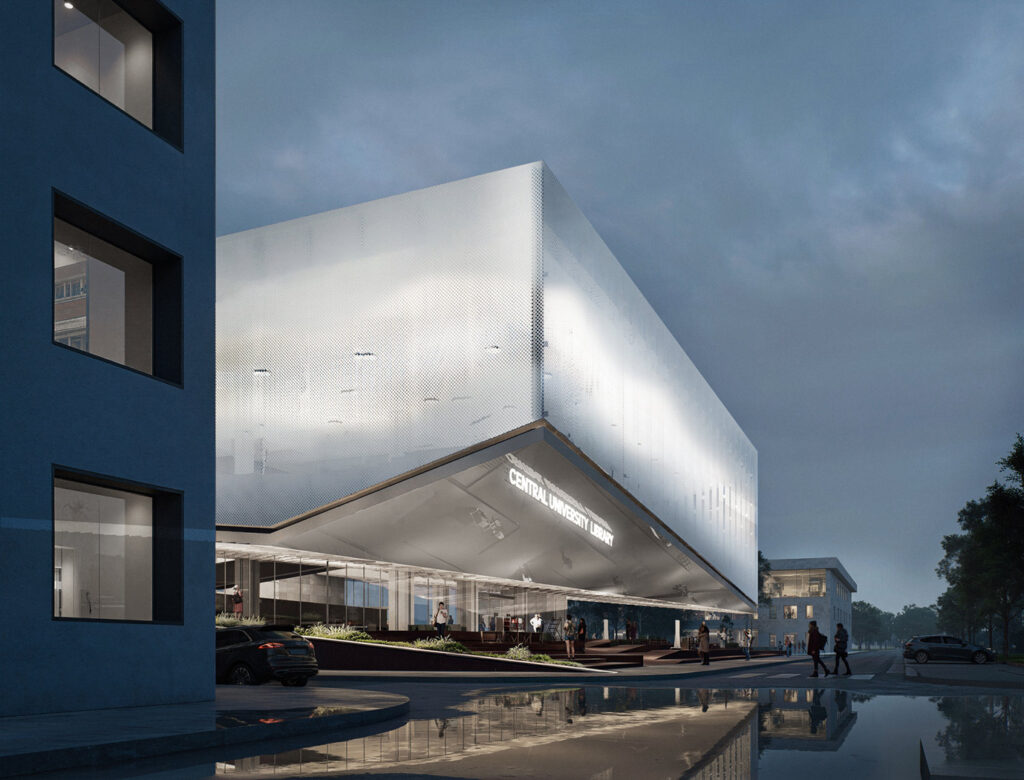
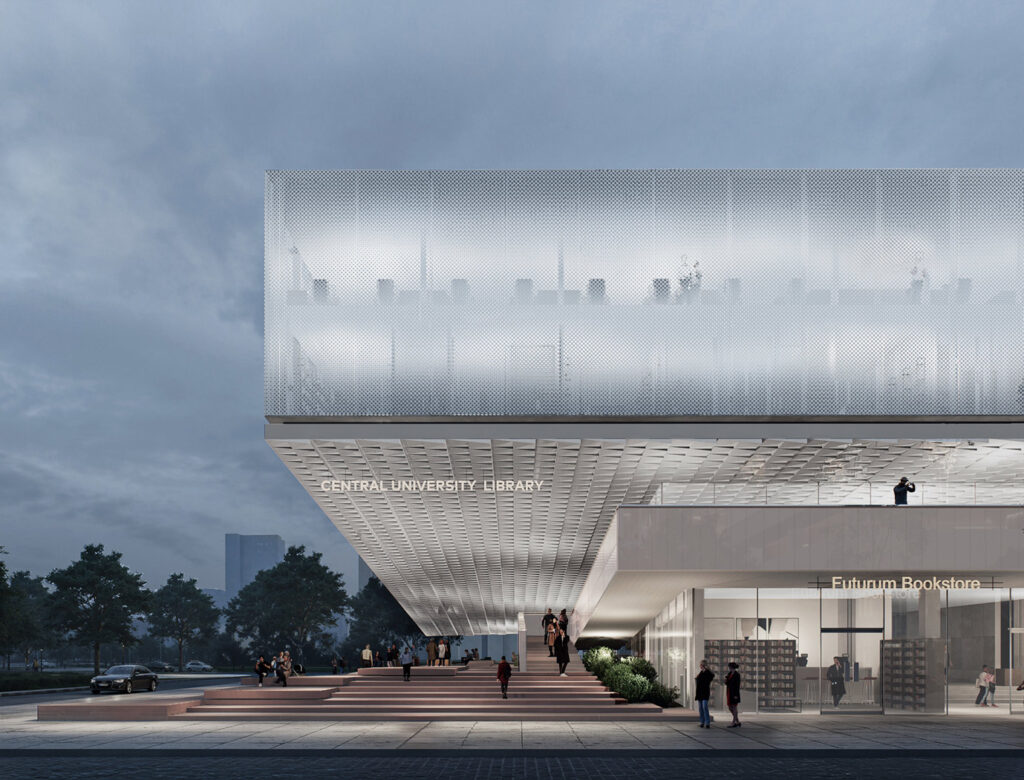
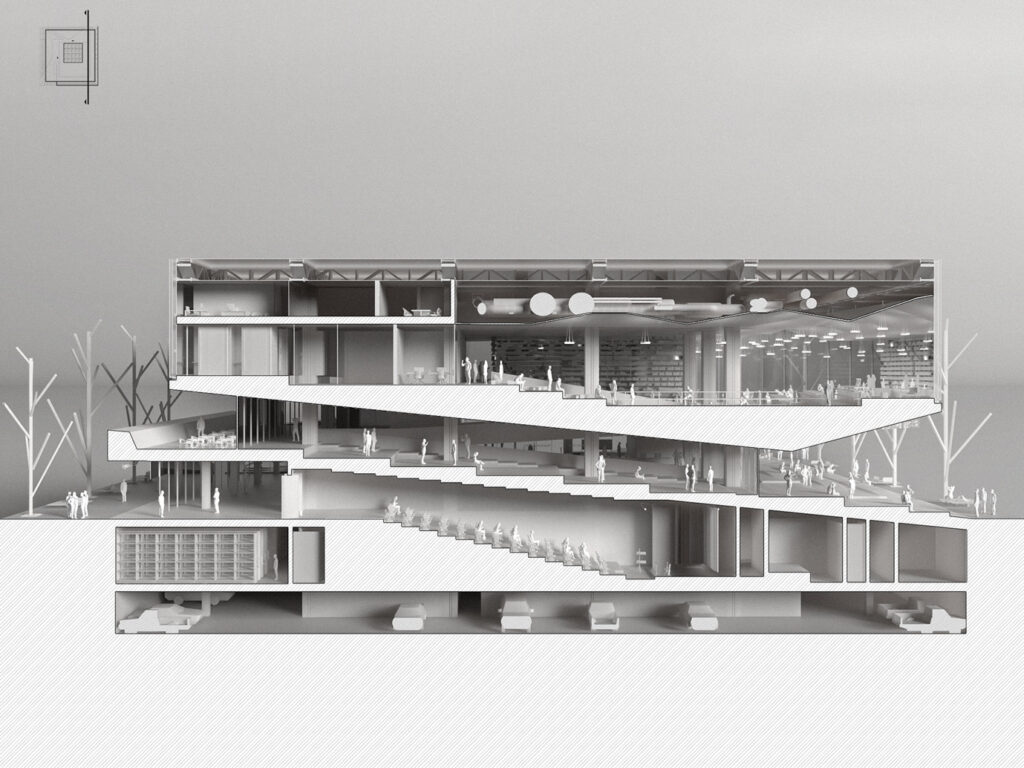
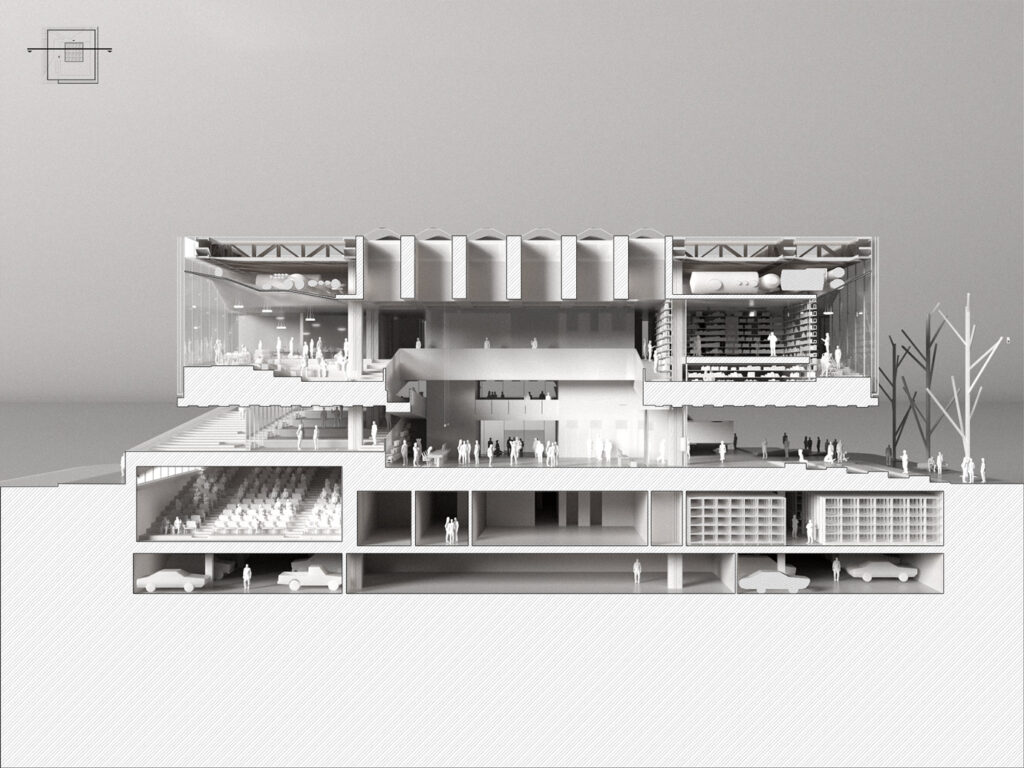
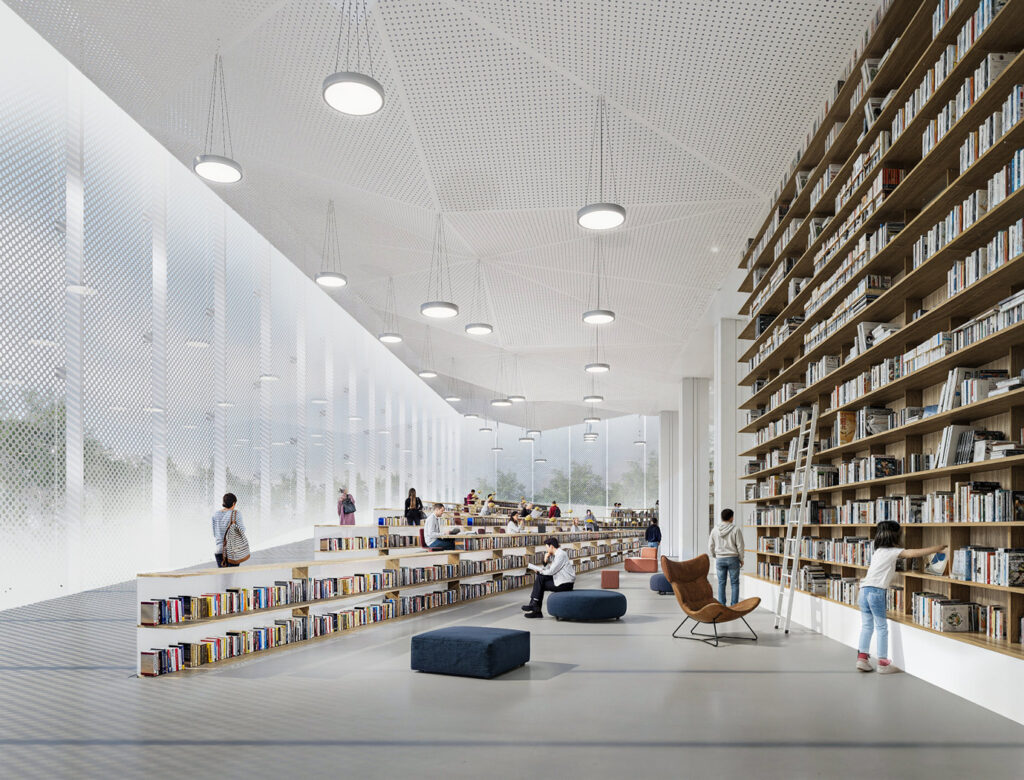
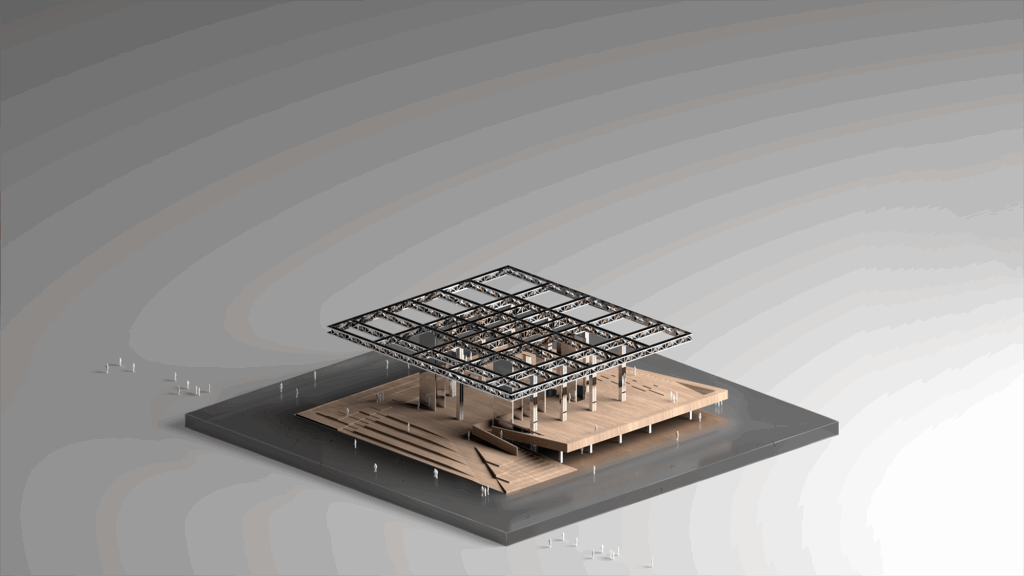
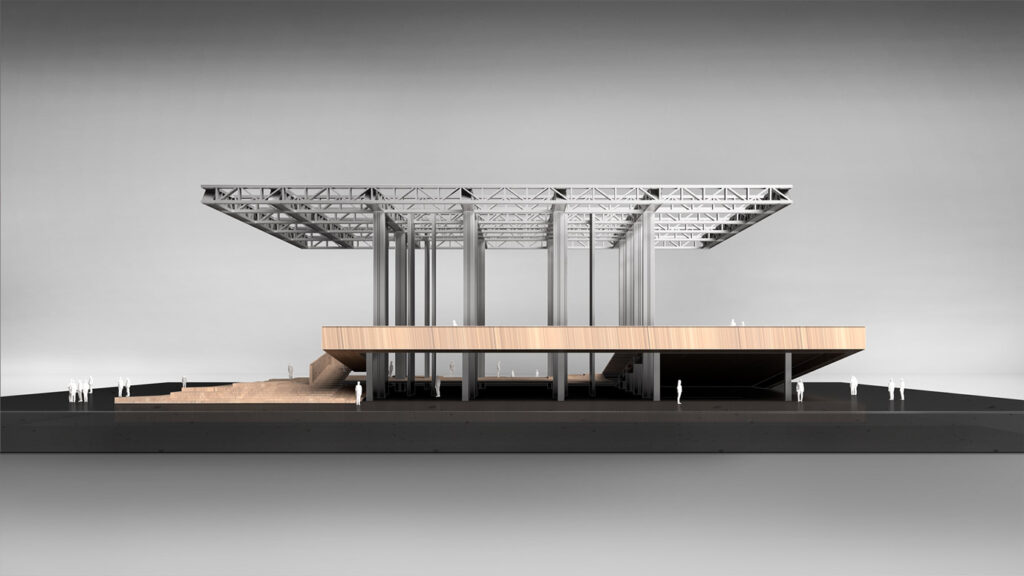
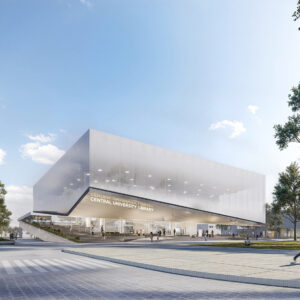
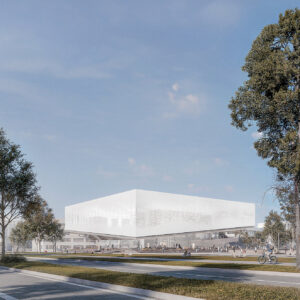
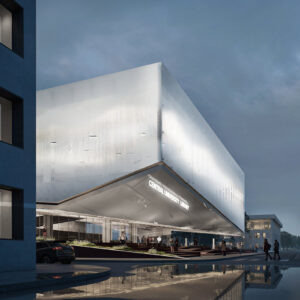
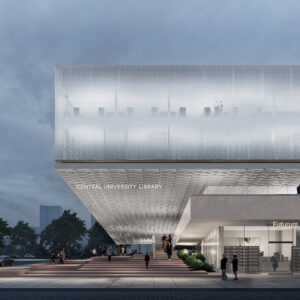
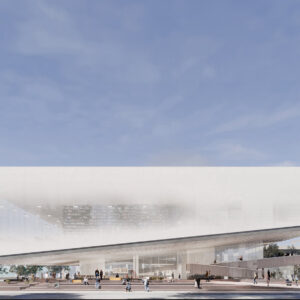
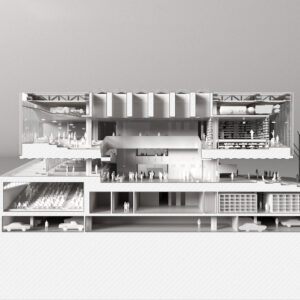
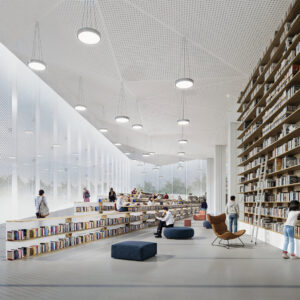
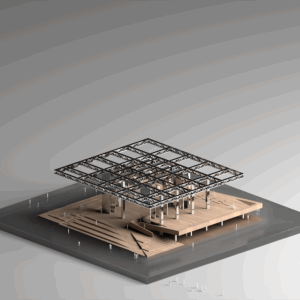
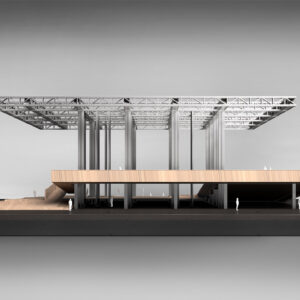
The proposed ground-level activity and the single-story library experience are articulated through a structural system characterized by thick sections, which are elegantly wrapped in glass and mesh façades. By lifting the floor plate from the ground, the design creates a distinct volumetric presence that simultaneously enhances the building’s landmark identity and expresses the dynamic life of its program. The heterogeneous façade, with its carefully designed openings, mirrors the rhythms of internal activity, allowing the building to communicate its functions outwardly.
At close range, the structure reads as a canopy, highlighting the forum and fostering a sense of gathering within the campus scale. From longer distances, however, it transforms into a strong, legible urban object, asserting its presence and character within the larger city context. Through this approach, the building negotiates between human-scale experience and urban visibility, achieving a balance between functional expression and architectural significance.
4. 2. Structure
The building’s structural system is defined as a hybrid of reinforced concrete and steel. On the basement and ground floors, reinforced concrete works together with the system to provide support.
On the upper floors, structural support is achieved through a 100 cm × 100 cm column grid, anchored by the elevator and fire stair cores. This grid interlocks with the roof and library floor slabs, ensuring overall structural stability and load-bearing performance.
4. 3. Facade as Expression
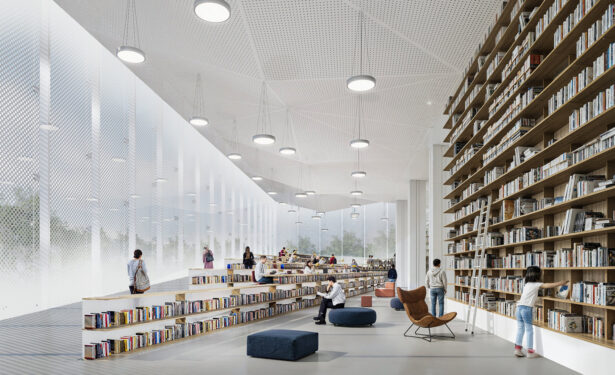
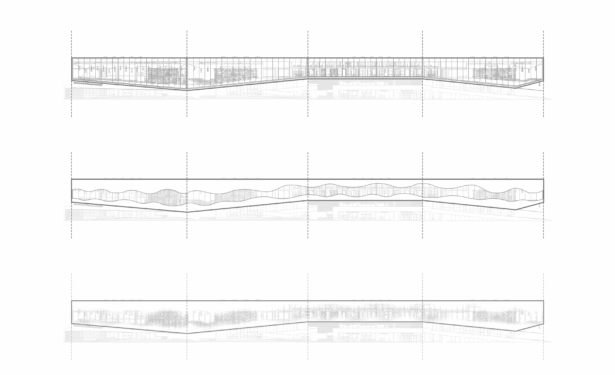
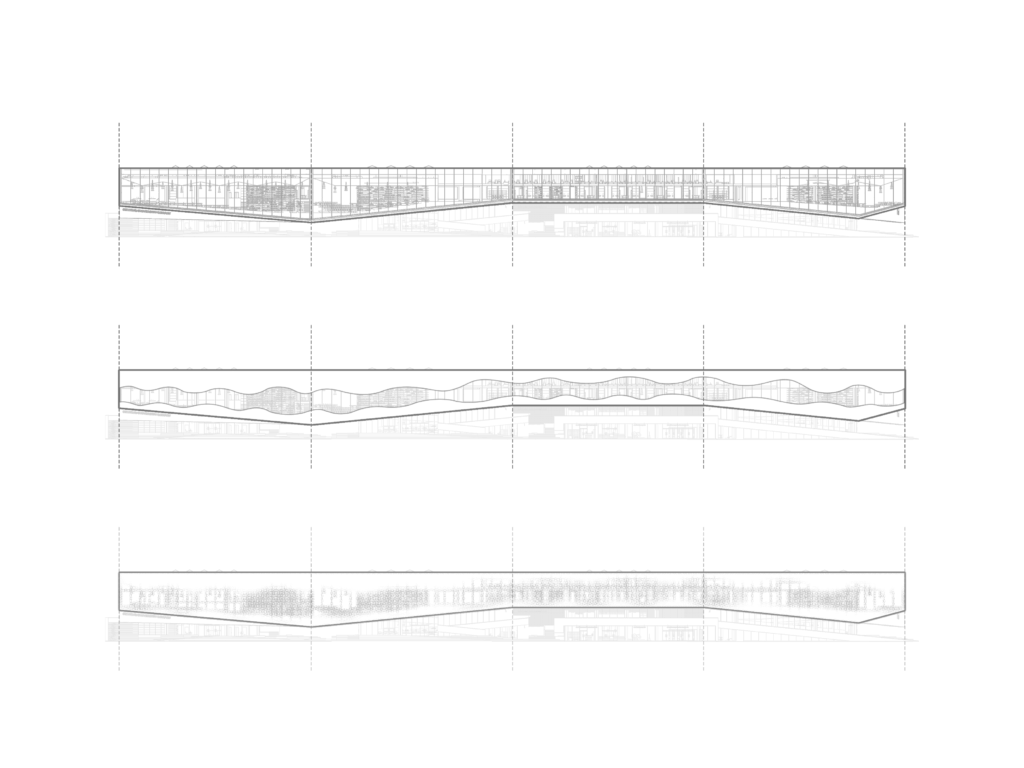
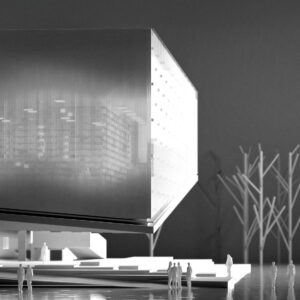
In accordance with the building’s urban expressive potential and the intended quality of internal experience, the structure has been articulated with a double-glass façade overlaid with a mesh, giving it a light and ethereal presence. The permeability of each elevation has been meticulously crafted, responding to the specific light requirements and spatial proportions of the interiors. By day, the building engages in a delicate dialogue with natural light, while at night it transforms into a luminous
The façade has been thoughtfully designed along the entire length of the building, carefully considering and responding to the diverse functions and spatial requirements of the library floor. Every element and articulation of the exterior has been aligned with the internal programmatic needs, ensuring that the architectural expression of the façade resonates with the activities, flows, and experiences within the library. This approach creates a coherent relationship between interior functions and the building’s external presence, allowing the façade to reflect the library’s role as both a functional and symbolic component of the structure.
4. 4 The Forum
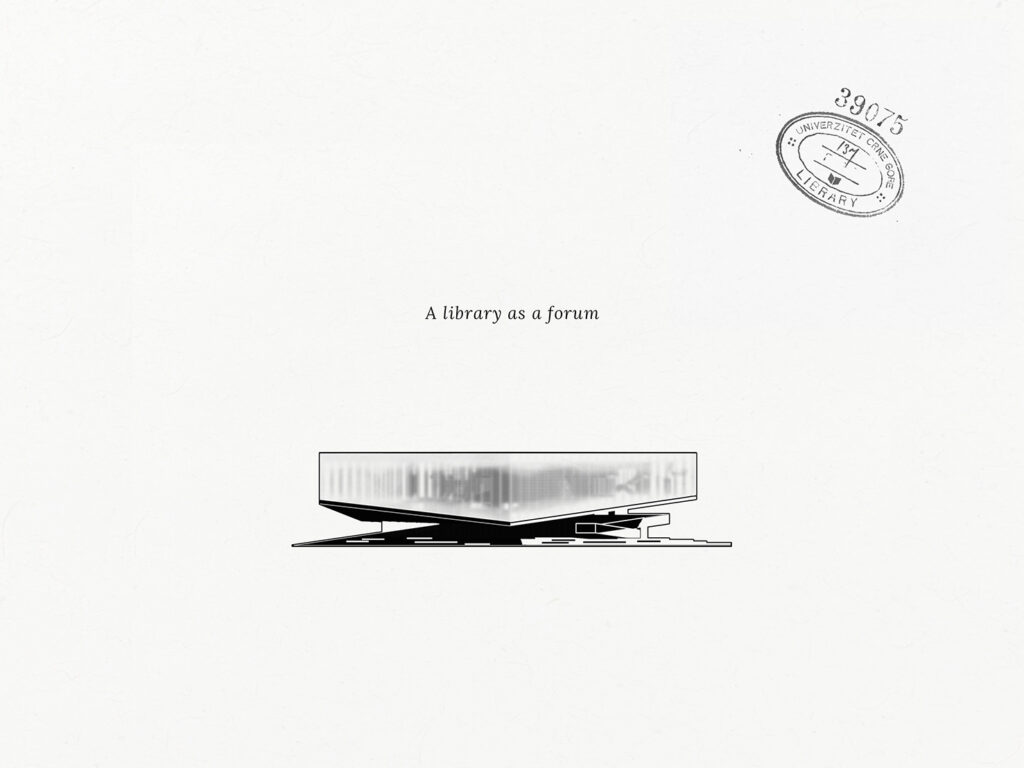
Knowledge is no longer bound solely to the physical presence of libraries, as it once was. Yet, we still need spaces where one can sit in the shade at lunch, encounter a friend or meet someone new, and engage with information not as rigid forms, but shared in its full context and depth. Such a space offers the possibility of new encounters and exists as a living forum within a dynamic campus, creating a place where knowledge, interaction, and experience converge.
Etiketler

İlgili Projeler
-
 Mansiyon, TerraViva Nidos De Aqua
-
Eşdeğer Mansiyon, SATSO Üretim ve Dijital Dönüşüm Merkezi Ödüllü Mimari Proje Yarışması
-
Katılımcı, Kayseri Mimarsinan OSB Giriş Mekanları Öğrenci Mimari Fikir Yarışması
-
Deep Flow – Hafriyat Geri Dönüşümü ve Entegre Ekolojik Yaşam Modeli
-
Satın Alma, Muğla Büyükşehir Belediyesi Sosyal Kültürel ve İdari Hizmetler Binası Mimari Proje Yarışması