- 15 Nisan 2026
- 7021 defa okundu.
Call of the Sea Architecture Competition
TerraViva Competitions tarafından düzenlenen "Call of the Sea Architecture Competition" başlıklı yarışma için 9 Ekim 2026 tarihine kadar başvuru yapılabiliyor.
Intro
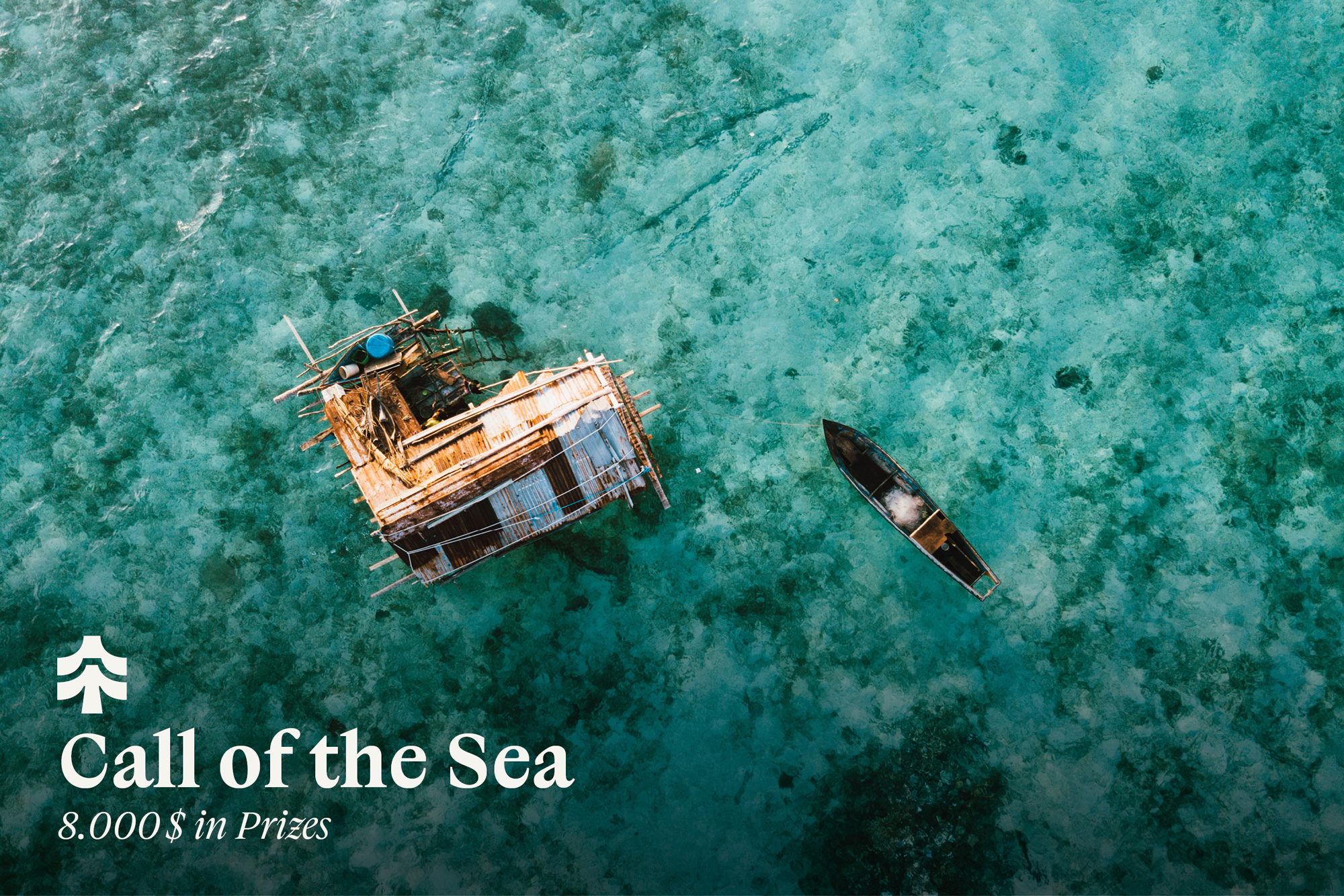
Call of the Sea invites participants to design a small-scale overwater accommodation within the village of Torosiaje, a unique Bajau settlement located off the coast of North Sulawesi, Indonesia. The aim is to create a space capable of hosting up to 6-8 guests, offering an immersive experience deeply connected to the life, culture and rhythms of the sea.
The project should propose a new form of hospitality – simple, respectful and integrated within the existing context – where visitors can engage with everyday activities. Particular attention should be given to the relationship with water, the use of local materials and the adoption of sustainable strategies adapted to the coastal environment.
Rather than designing a conventional accommodation, participants are encouraged to explore how architecture can become a bridge between visitors and community, enhancing both the local economy and cultural identity. The proposal may take different forms, from a single structure to modular or dispersed systems, allowing flexibility in spatial organisation and guest experience.
The challenge lies in interpreting the spirit of the place, proposing a design that balances environmental sensitivity, architectural quality and a meaningful connection with one of the most unique marine cultures in the world.
The Competition
The floating village of Torosiaje already hosts a few modest guesthouses, offering a glimpse into the potential of community-based tourism. However, there is an opportunity to rethink this model through a more conscious and design-driven approach. This competition challenges architects and designers to imagine a new form of hospitality – one that goes beyond accommodation and becomes an integral part of the village’s coastal environment. A place where visitors can experience everyday life: fishing at dawn, navigating by boat, sharing meals, observing the rhythms of the sea.
How can a new structure engage in dialogue with its surroundings through materials, proportions and construction techniques? Should it merge with the existing fabric or stand apart as an independent presence over the water?
The project should be conceived as a respectful addition to the village, capable of capturing its essence while offering a contemporary experience. It has the potential to become a meaningful destination for travellers seeking an authentic and immersive encounter: an opportunity to engage directly with local culture and the marine landscape. Ultimately, the aim is to imagine this intervention as a new source of income for the resident community, growing organically from its identity and contributing to its long-term resilience.
The Project
Participants are invited to design a small accommodation structure within the floating village, capable of hosting between 6 and 8 guests. The proposal should offer a simple yet comfortable living experience, aligned with the local context and far removed from conventional luxury standards: shaping a functional, minimal and essential intervention that harmoniously merges with the setting and existing buildings.
The project can take various forms: a single structure, a cluster of units or a modular system. It may be positioned independently over the water, integrated within the existing village or connected through new pathways and platforms.
The programme should include essential sleeping spaces, shared bathrooms and common areas for relaxation, reading, eating, and any sort of social interaction. Flexibility is encouraged: participants are free to define the character and spatial organisation of the concept, shaping the accommodation through single, double or shared units in response to their design vision.
Special attention should be given to materials, construction techniques and environmental impact. Lightweight, sustainable solutions are strongly recommended, privileging local resources and minimising impact on the ecosystem.
Climatic conditions will play a crucial role in the design process. High humidity, strong sun exposure, heavy rainfall and tidal variations must be carefully considered to ensure durability and comfort. Natural ventilation, shading systems and passive strategies should guide the architectural approach.
The challenge is to design a place that belongs to the village – a structure that feels rooted in its context, capable of enhancing both the visitor experience and the life of the community. Embrace the spirit of the sea and envision a unique overwater retreat in Indonesia!
Prizes
1° Prize: 3.000 $
2° Prize: 2.000 $
3° Prize: 1.000 $
5 Golden Mentions: coupon for a free membership
10 Honorable Mentions: coupon for a free competition
30 Finalists: published on Terraviva channels
Calendar
“Early” registrations: 14.04.2026 — 10.07.2026 (h 3:00 pm CET)
“Standard” registrations: 10.07.2026 — 11.09.2026 (h 3:00 pm CET)
“Late” registrations: 11.09.2026 — 09.10.2026 (h 3:00 pm CET)
Submission deadline: 09.10.2026 (h 3:00 pm CET)
Winners announcement: 09.11.2026 (h 12:00 pm CET)
Jury
• Irina Busurina [Los Angeles, USA] | Plantist
• Gaetano Giordano [Rotterdam, Netherlands] | Nudus
• Michela Quadrelli [Berlin/Korbach, Germany] | Christoph Hesse Architects
• Ramy Abi Antoun [Byblos, Lebanon] | RAMAC
• Kübra Mercan Harputluoğlu [Istanbul, Turkey] | Qh. Studio
• Xianming Sang [Boston, USA] | Perkins & Will
• Neetu Kapoor [Hamirpur, India] | NIT Hamirpur
• Liuyun Wang [Dallas, USA] | TBG Partners
Etiketler

Yarışmalar
-
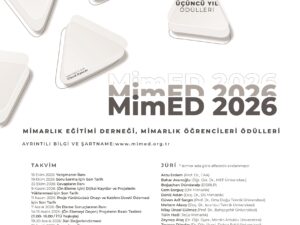
 MimED2026 Mimarlık Öğrencileri Proje Ödülleri
-
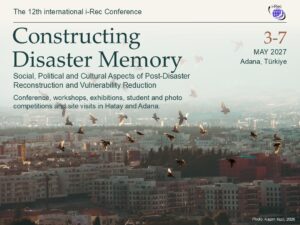
"Risk, Afet ve İyileşmenin Temsilleri: Eleştirel Peyzajlar, Mekanlar ve Anlamlar" Temalı Öğrenci Tasarım Yarışması
-
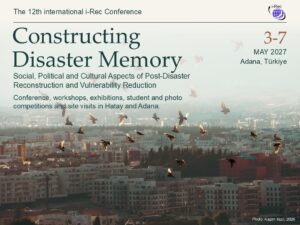
"Fotoğraf Aracılığıyla Afet Belleğinin İnşası" Temalı Fotoğraf Yarışması
-
Archiprix Türkiye 2026
-
im2026 | İçmimarlık Öğrencileri Proje Yarışması