

- 9 Mart 2026
- 4598 defa okundu.
Eşdeğer Mansiyon, Living Ruins II Competition
Spika Mimarlık'ın "Living Ruins II Competition" için tasarladığı proje, eşdeğer mansiyon ödülü kazandı.
Proje Raporu:
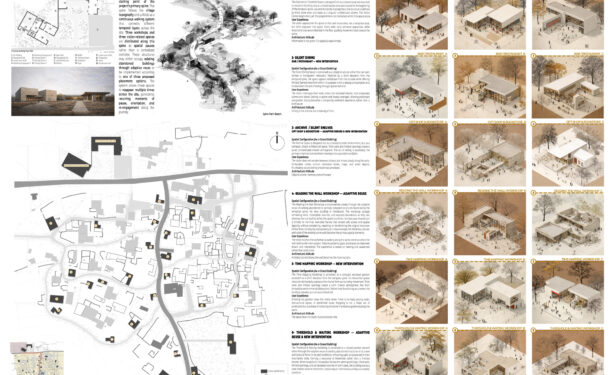
Proje, harabe kavramını yalnızca korunması gereken bir geçmiş kalıntısı olarak değil, yeniden üretilebilecek bir mekânsal potansiyel olarak ele alan yaklaşımıyla dikkat çekiyor. Tasarım, mevcut yapı izlerini silmek yerine onları projenin temel referansı haline getirerek geçmiş ile yeni müdahaleler arasında dengeli bir ilişki kurmayı amaçlıyor. Eski ve yeni arasındaki bu diyaloğu güçlü bir mekânsal kurgu üzerinden kuran proje, mimari eklerin mevcut dokuyla rekabet etmediği, aksine onu tamamlayan ve görünür kılan bir dil öneriyor. Bu yaklaşım, harabelerin zamansal katmanlarını korurken aynı zamanda onları yeniden yaşama dahil eden bir mimari strateji ortaya koyuyor.
Strata of Time
“Walking The Palimpsest”
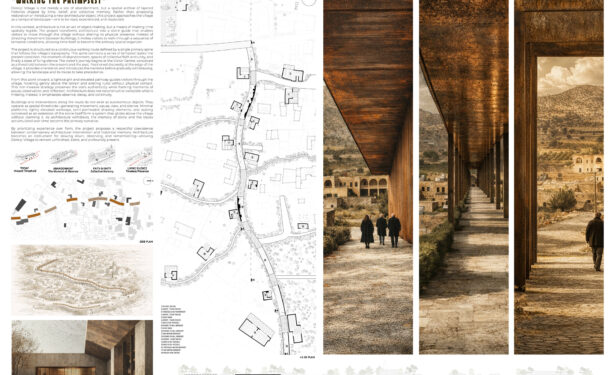
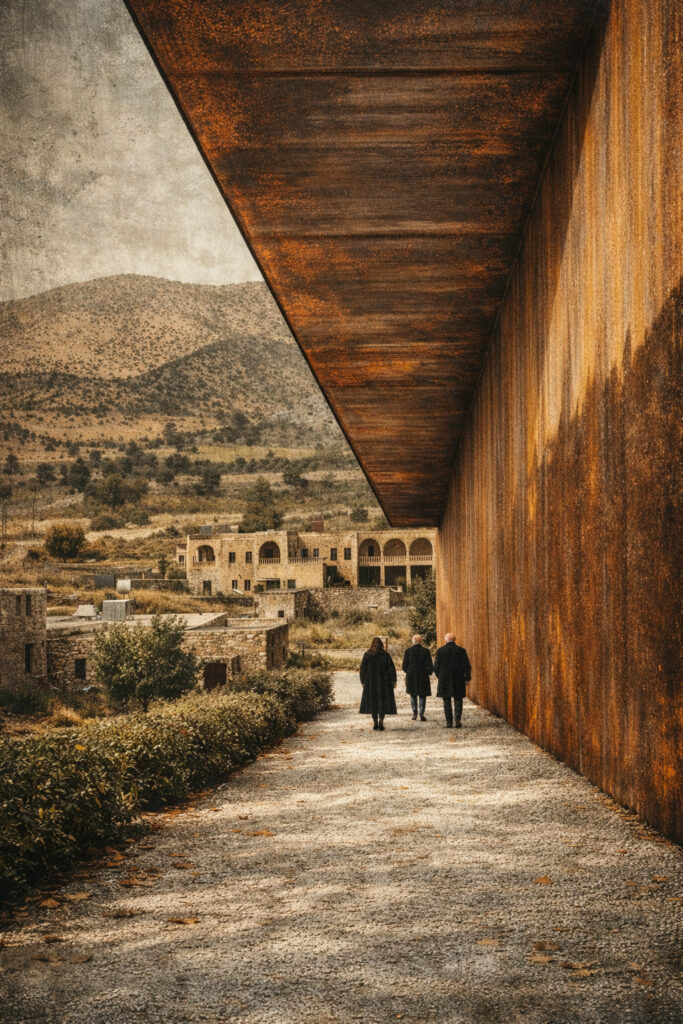
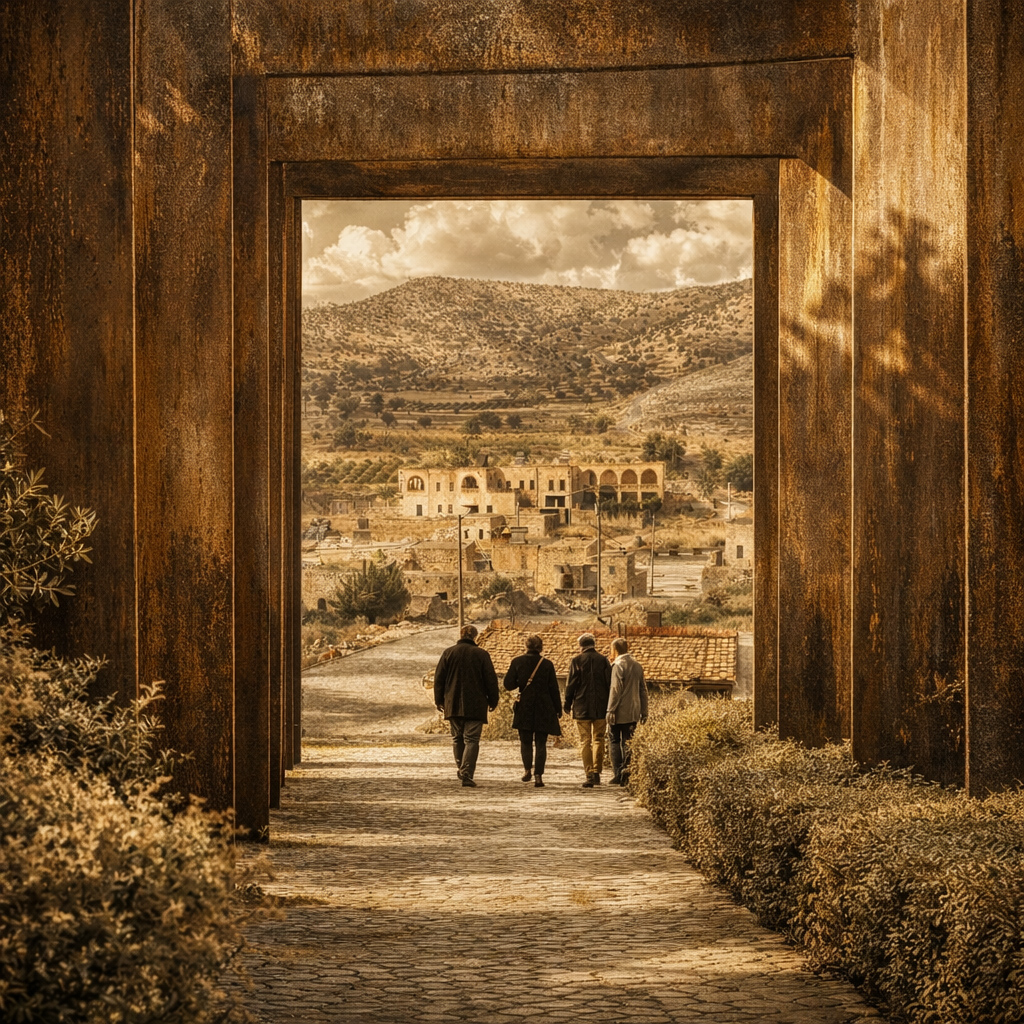
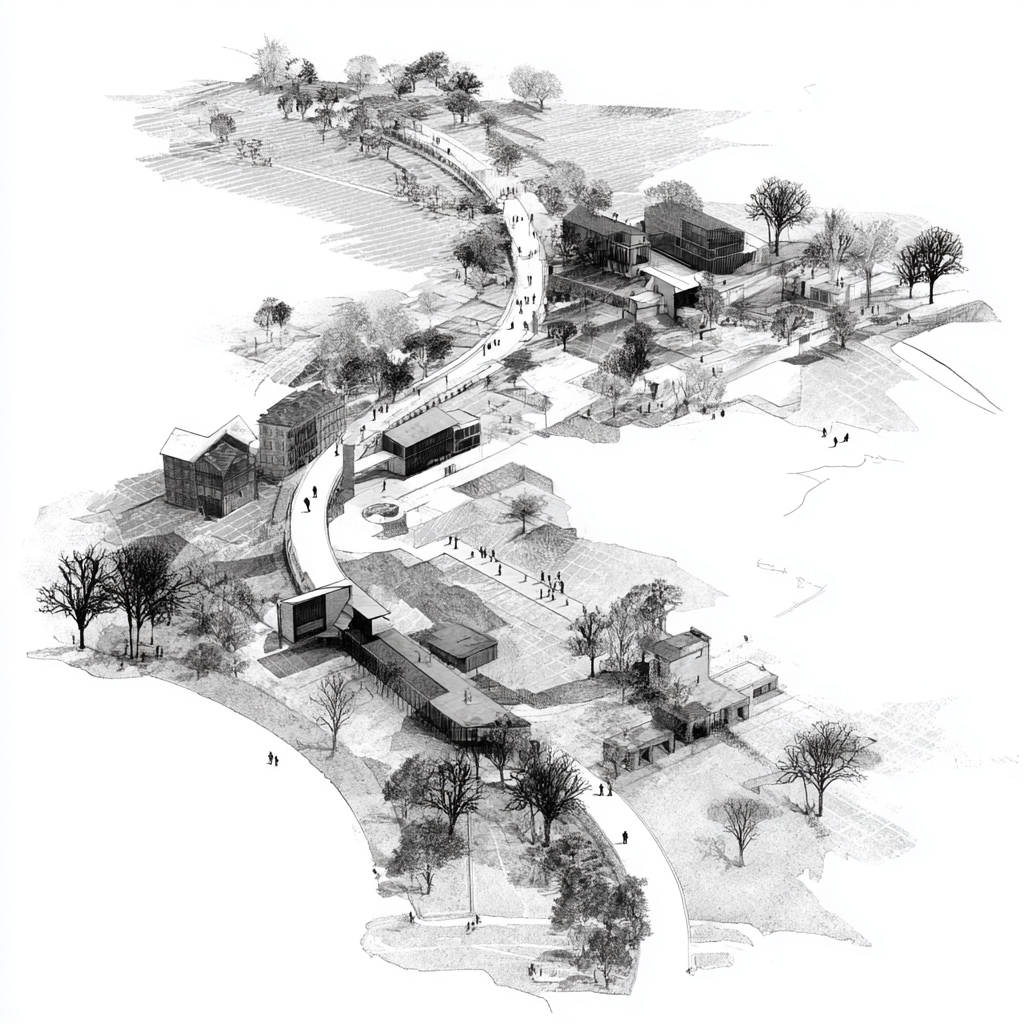
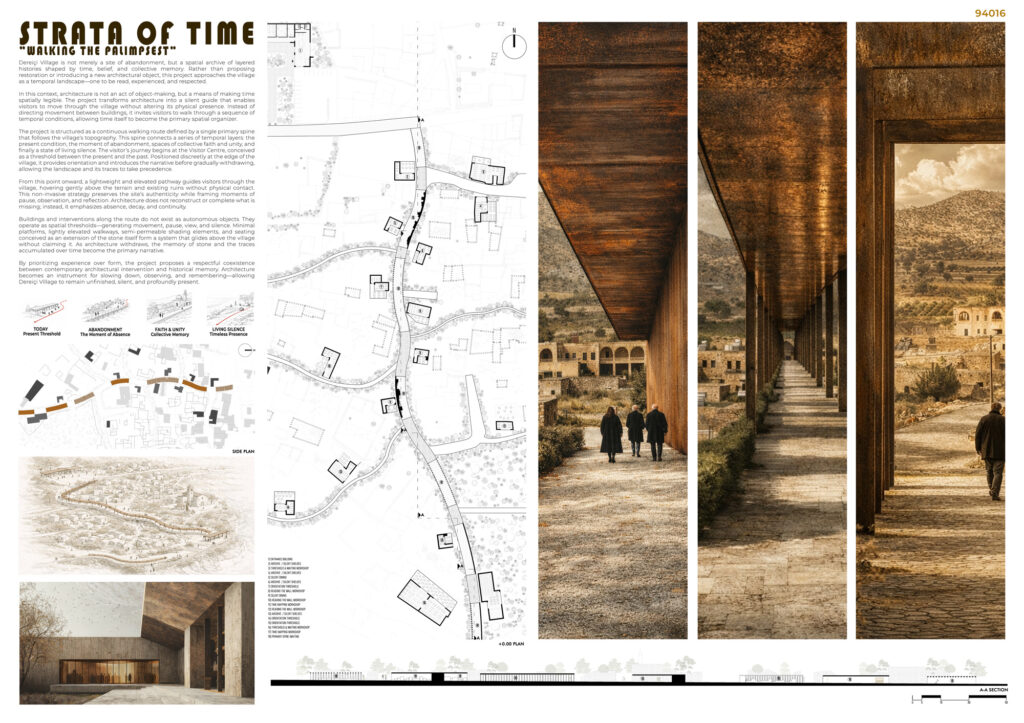
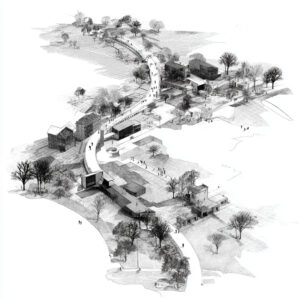
In Dereiçi Village, time is not merely a phenomenon left in the past; it remains present on the surfaces of stone, within voids, and in silence itself. This project approaches architecture not as a means of producing a new narrative, but as a quiet companion that makes existing traces of time legible. The visitor does not simply move through a settlement; with each step, they pass through different states of time. Walking becomes less a physical act and more a sensory relationship formed between past and present.
Within this context, architecture deliberately withdraws. Walls are not completed, voids are not filled, and silence is not interrupted. Path, pause, and view become more significant than the building itself. The memory of stone is not revealed through architectural gestures, but through waiting, slowing down, and observing. For this reason, the project seeks not to produce spaces, but to design how time is felt within space.
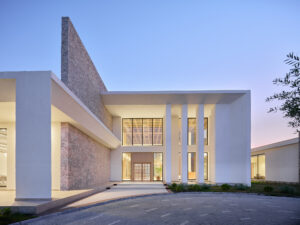
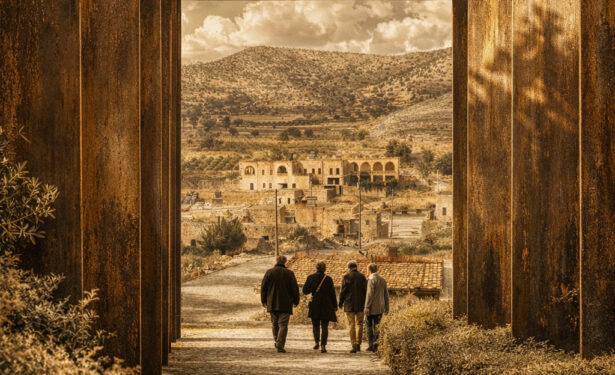
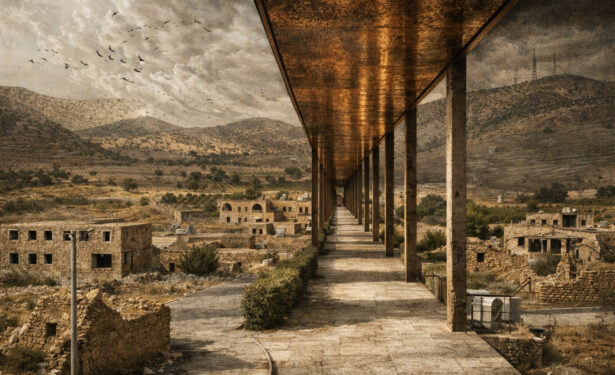
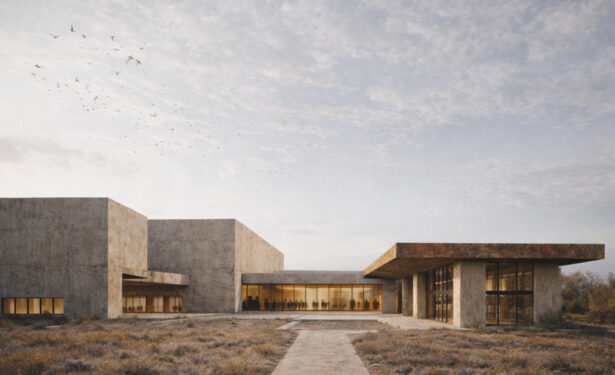
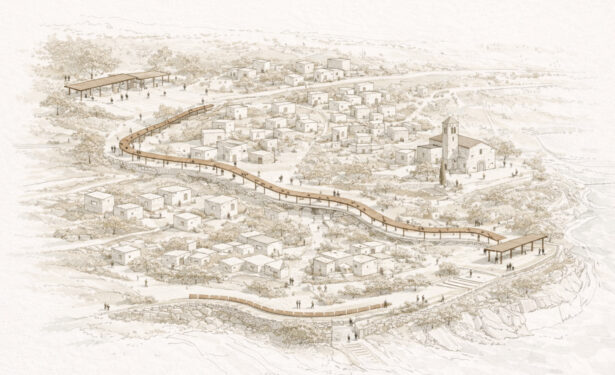
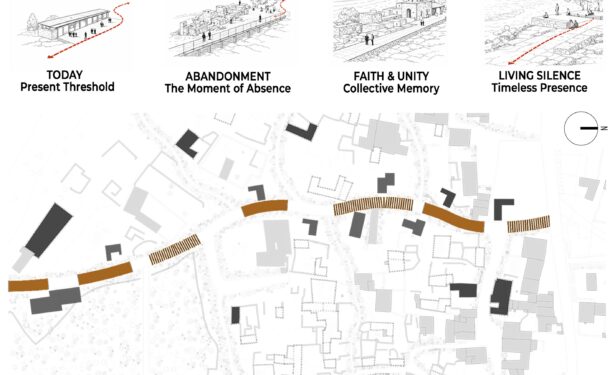
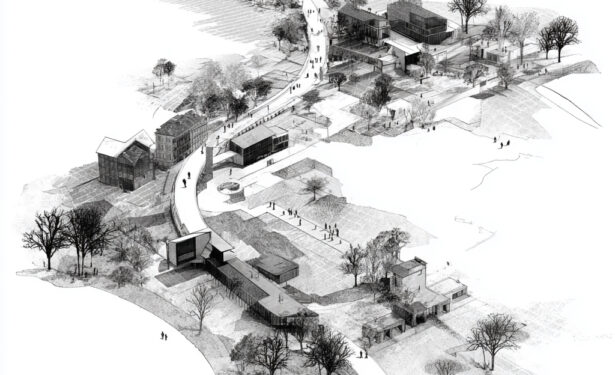
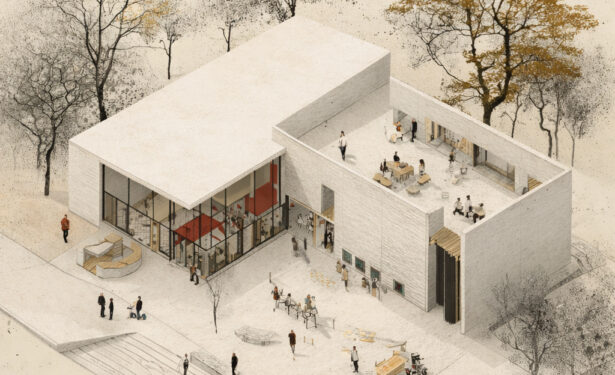
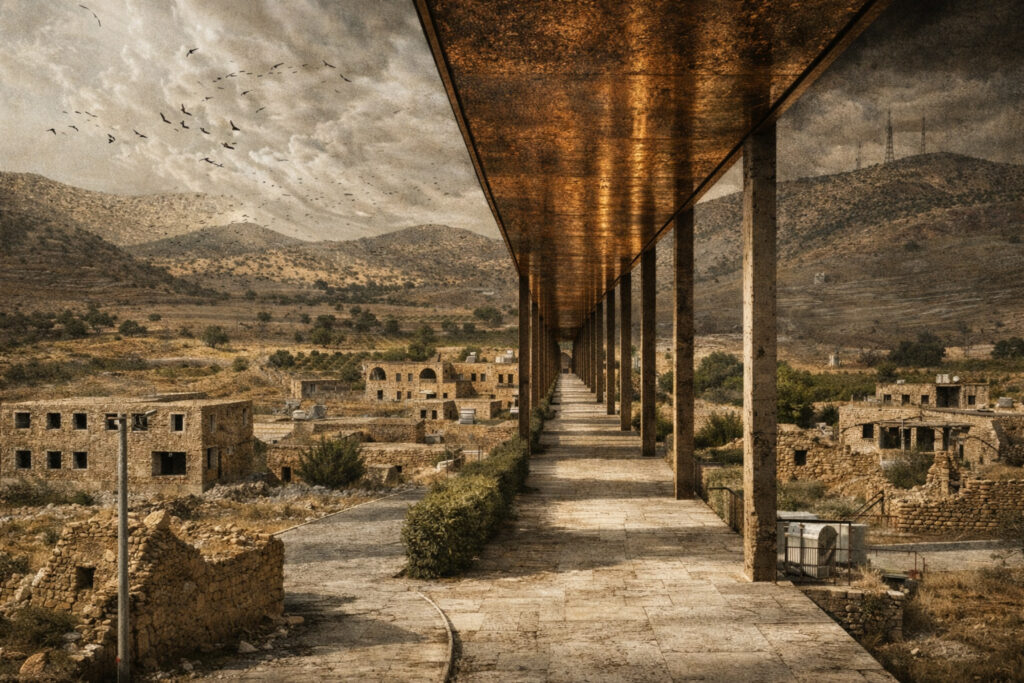
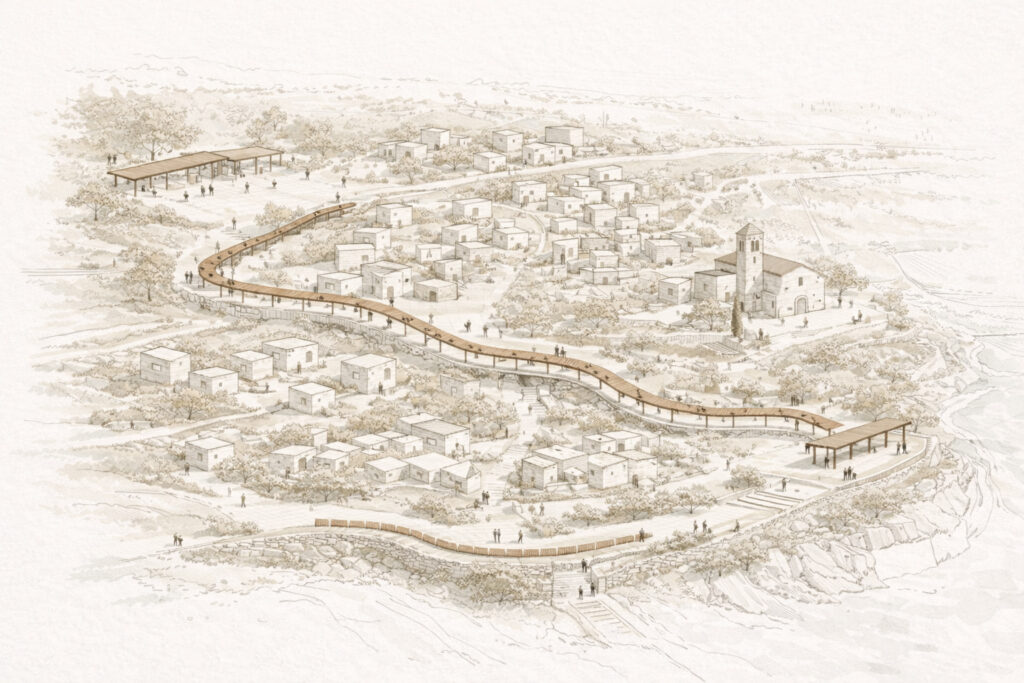
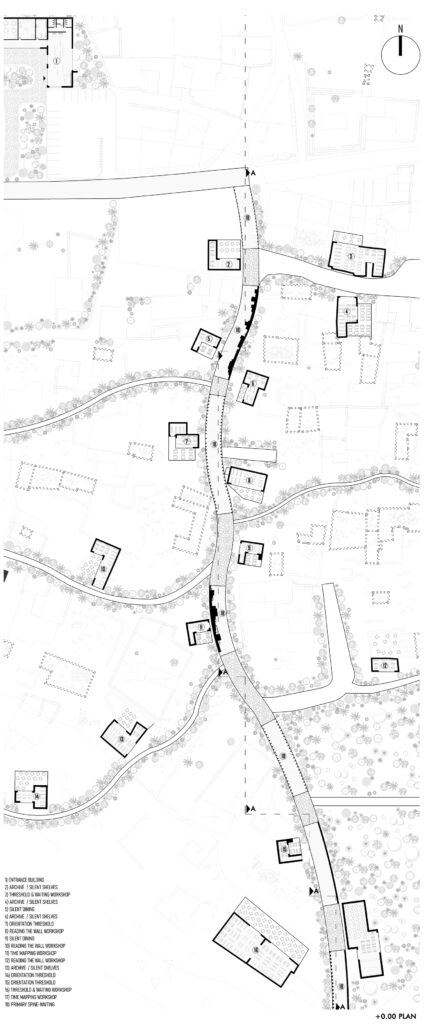
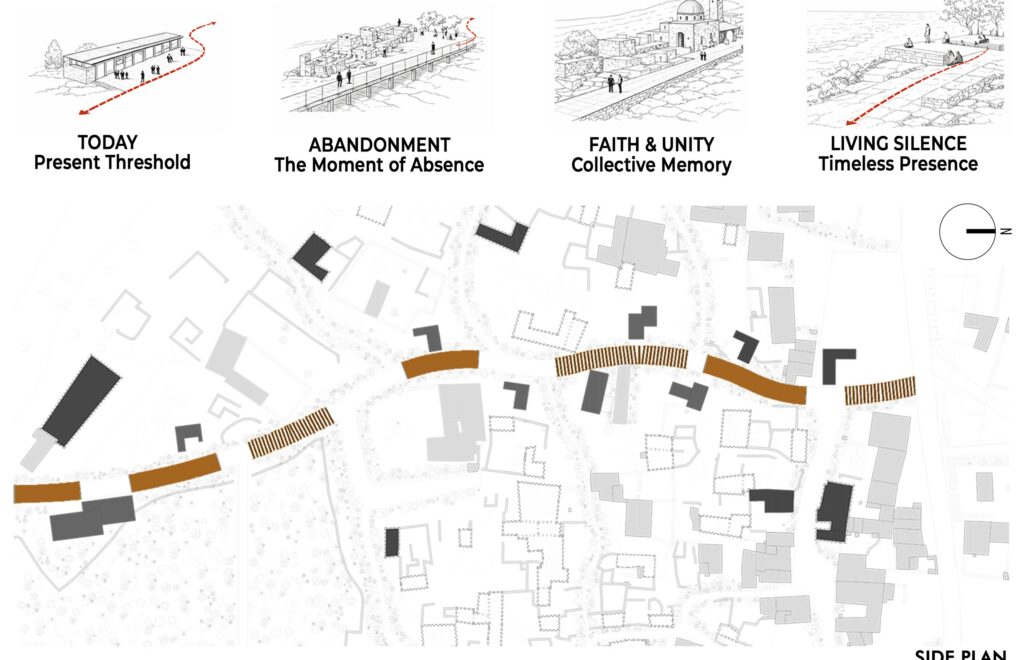
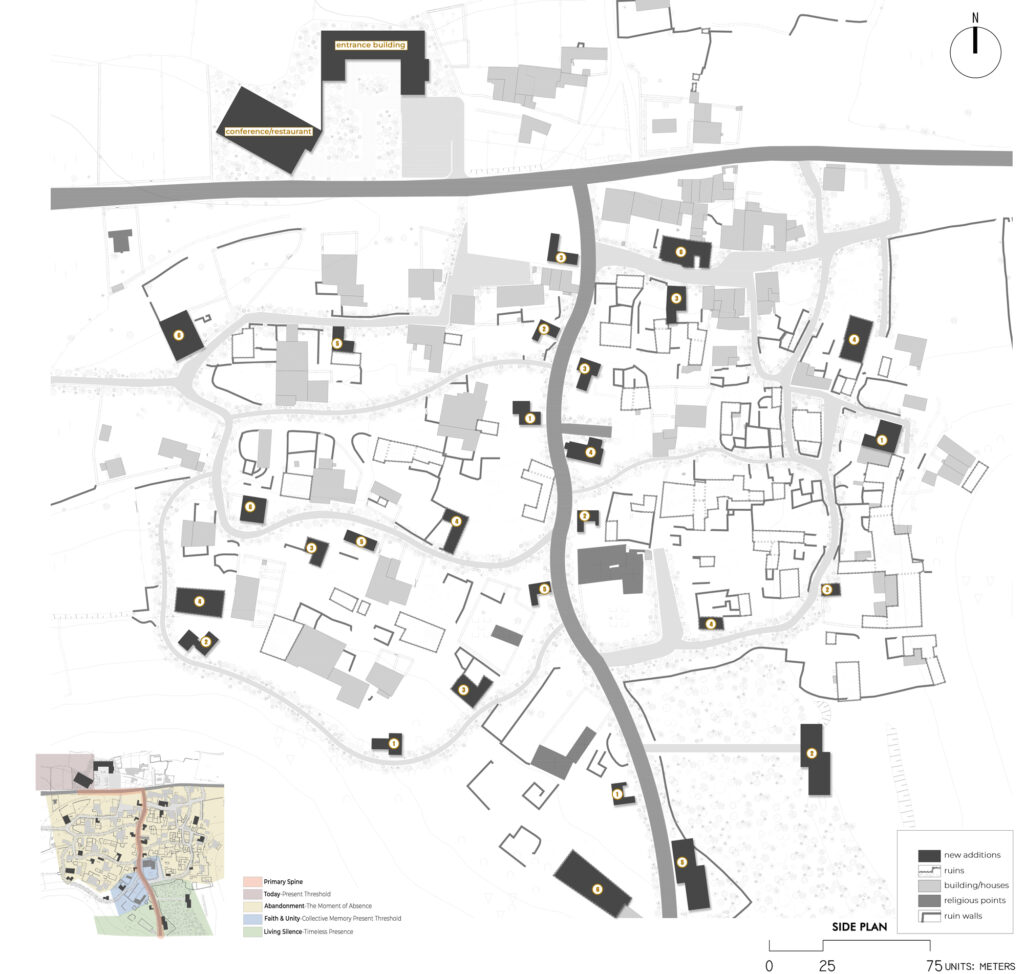
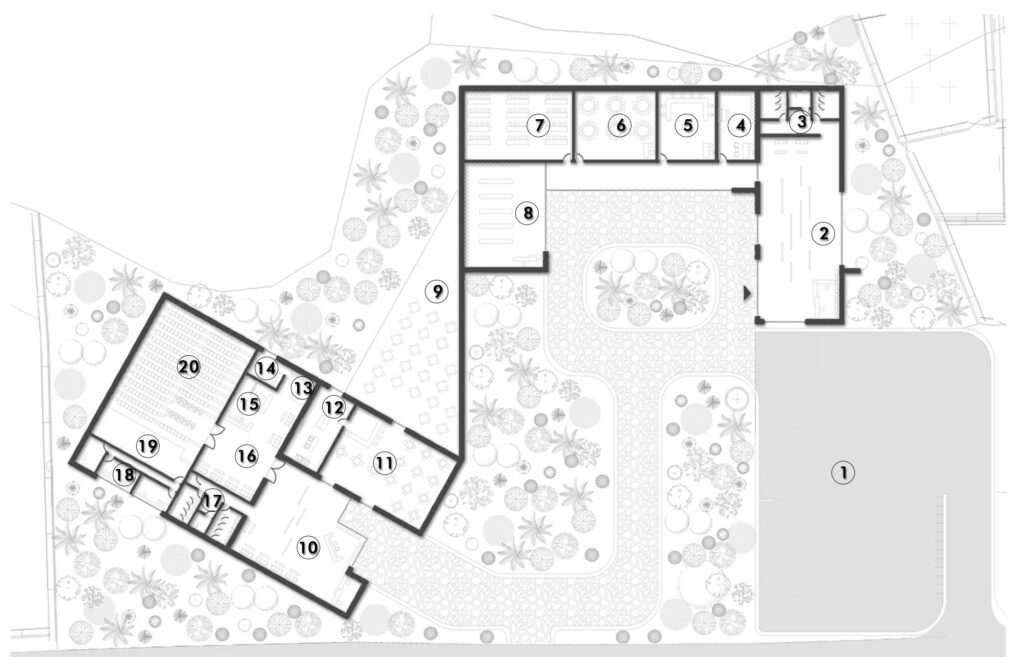
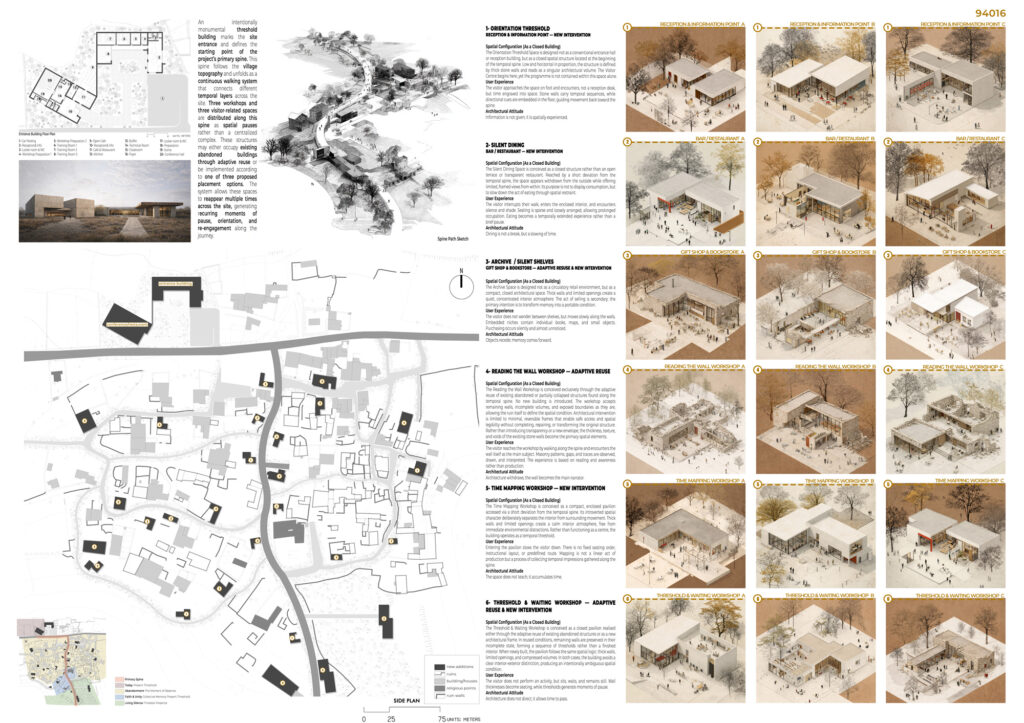
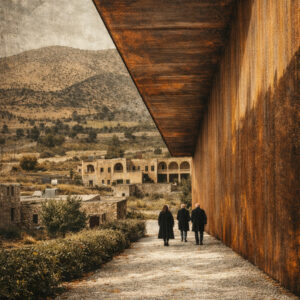
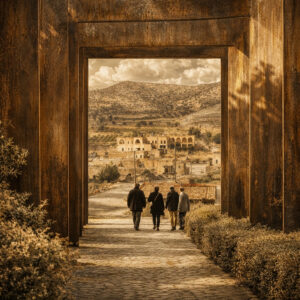
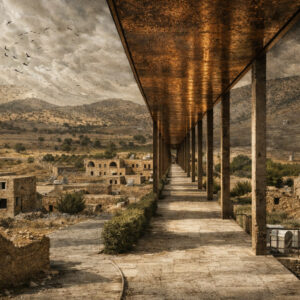
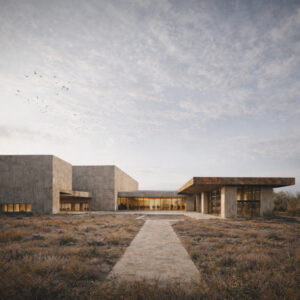
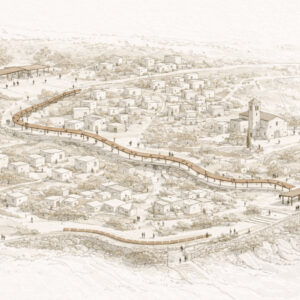
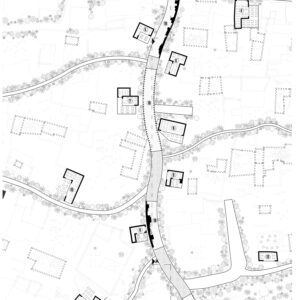
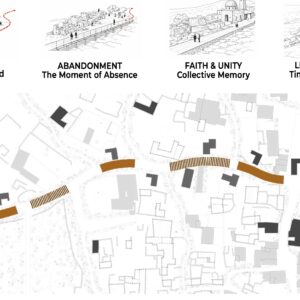
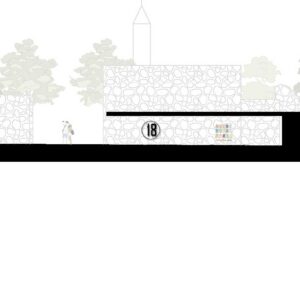
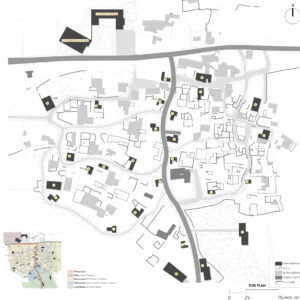
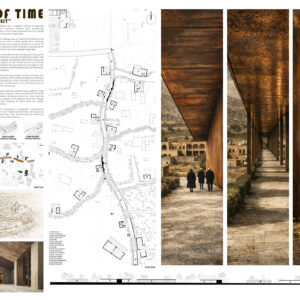
The primary structure of the project is formed by the Primary Spine, which follows the village topography. This spine begins at a threshold building located at the site entrance, perceptually monumental in character. Rather than functioning as a central orientation hub, this initial structure operates as the first threshold of the temporal experience. From this point onward, the spine unfolds as a continuous walking system, connecting a sequence of temporal conditions ranging from the present to abandonment, from spaces of faith and collectivity to living silence.
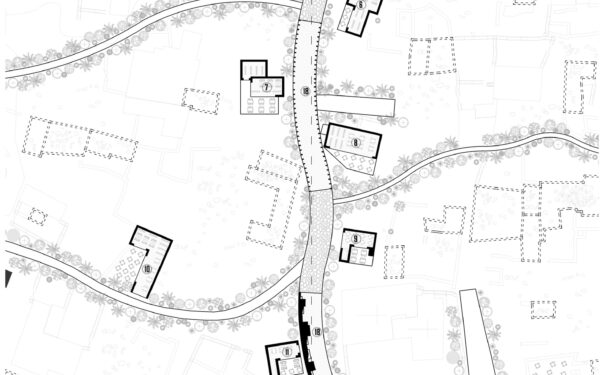
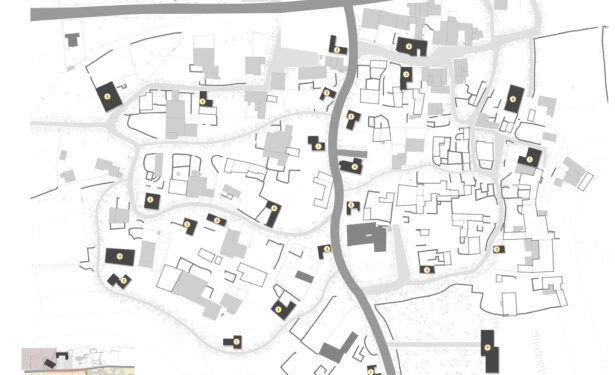
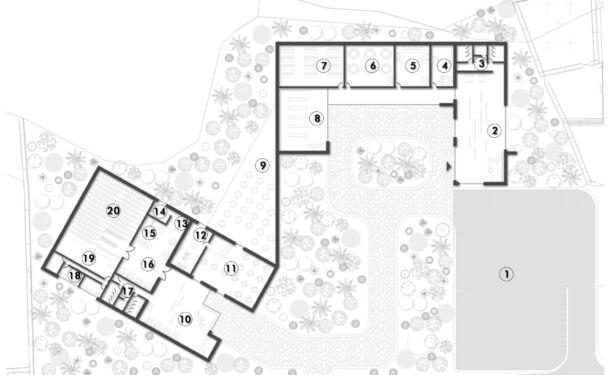
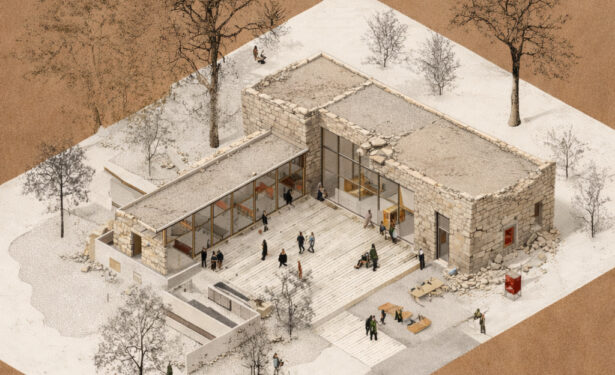
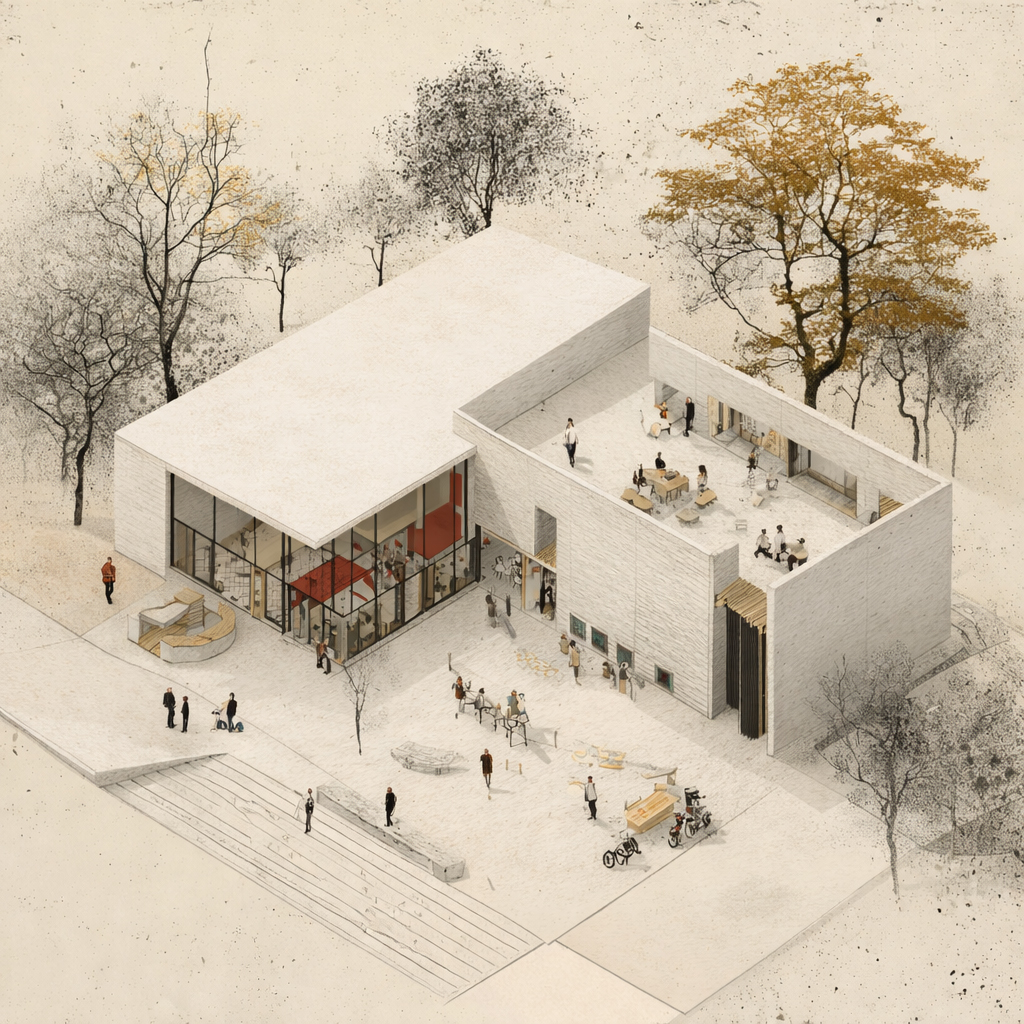
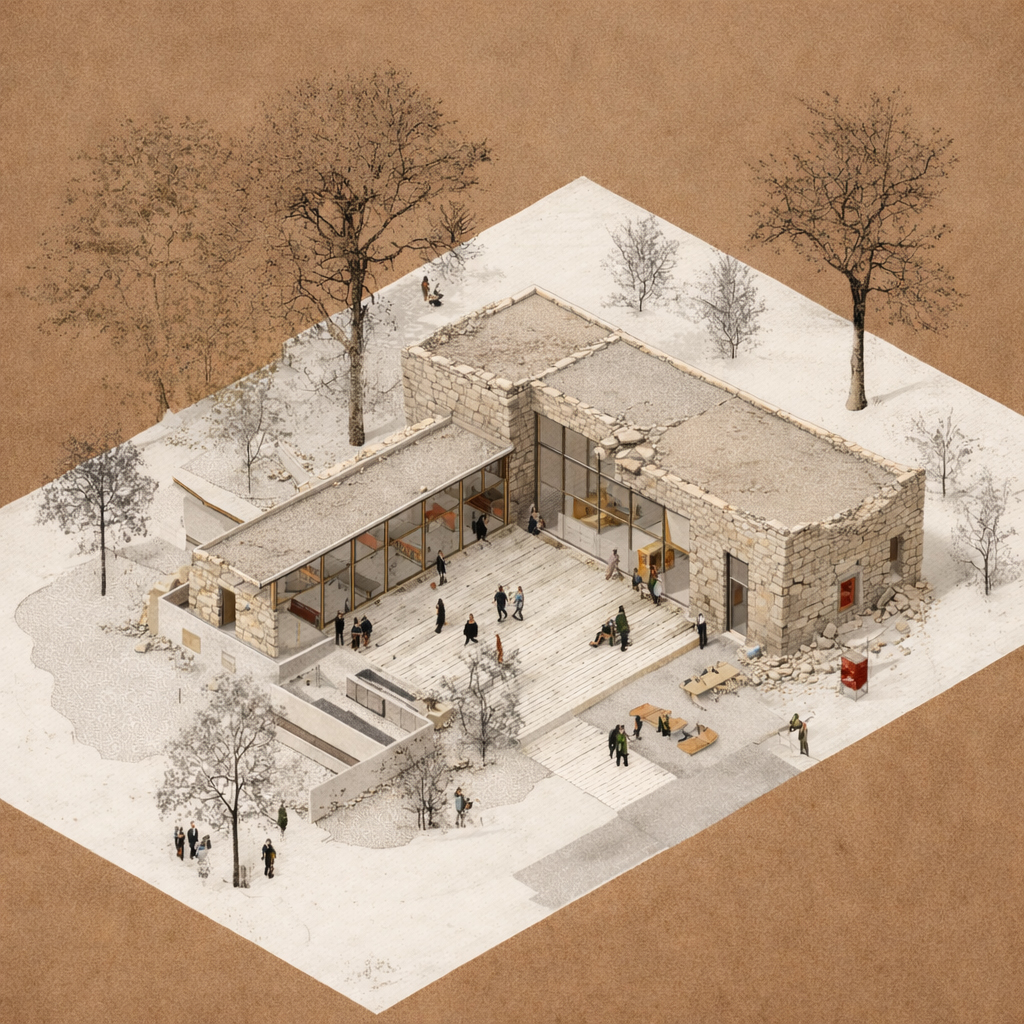
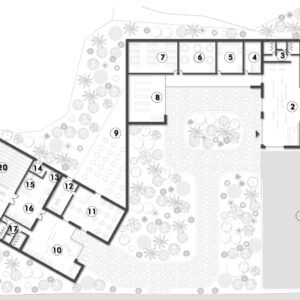
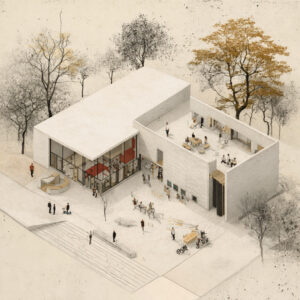
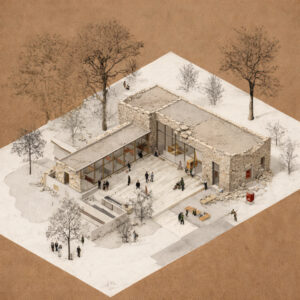
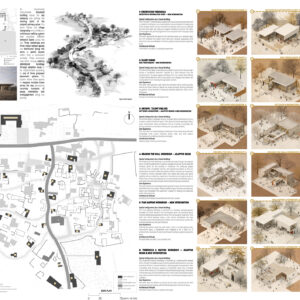
Along the Primary Spine, three workshops and three visitor-related spaces are distributed as spatial thresholds rather than being gathered in a single centre. These structures may be embedded within existing abandoned or partially collapsed buildings through adaptive reuse, or implemented according to one of the proposed placement options defined by the project. The system allows these spaces to appear multiple times across the site, multiplying moments of pause, waiting, and re-orientation for the visitor.
The workshops are conceived as spaces of awareness rather than production. The Reading the Wall Workshop is located exclusively within existing ruined structures, enabling a direct reading of the stone’s memory. The Time Mapping Workshop functions as an enclosed space where experience is recorded, while the Threshold & Waiting Workshop spatialises the act of waiting through both reused structures and new architectural frames. Visitor-related spaces outside the workshops address essential needs such as orientation, nourishment, and remembrance, without ever overtaking the experiential narrative.
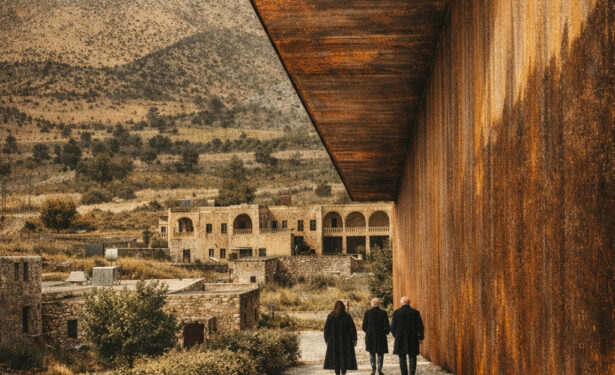
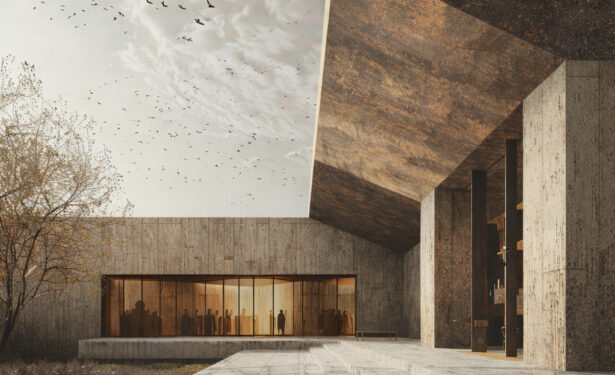
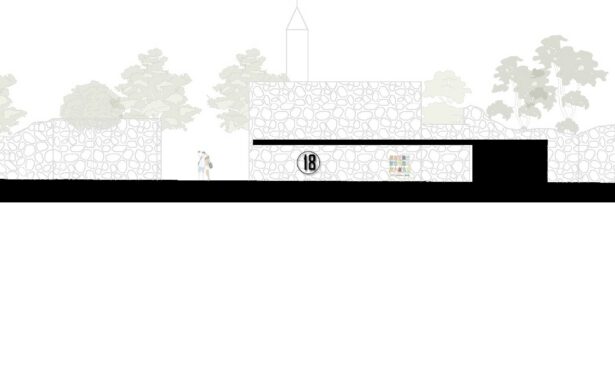
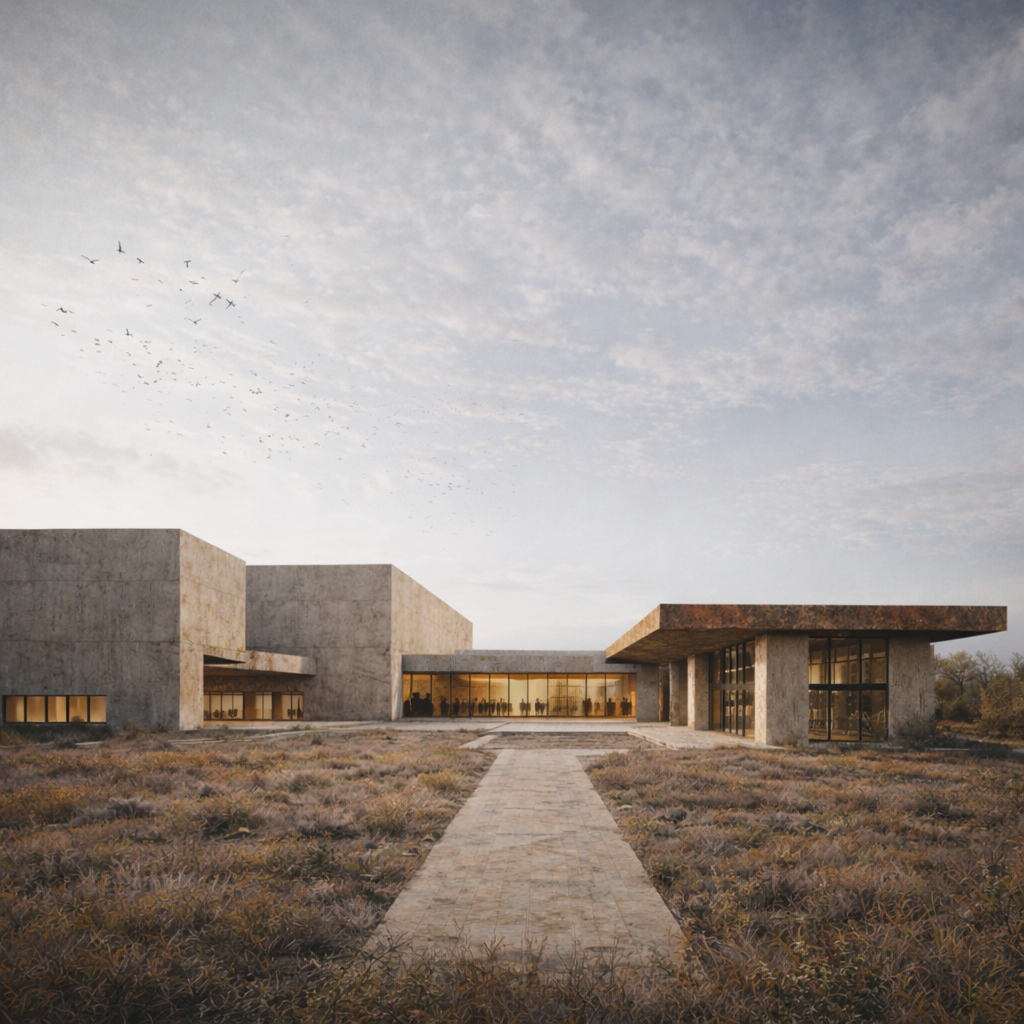
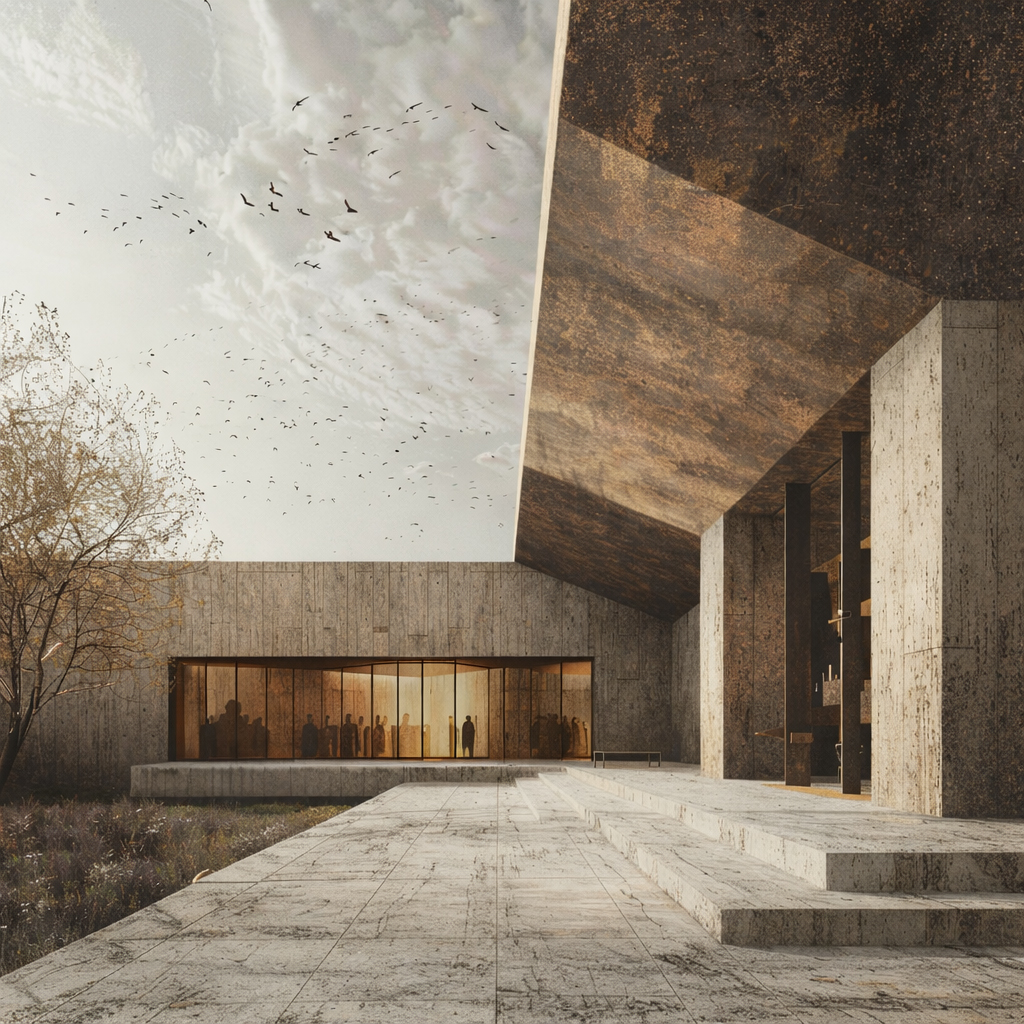
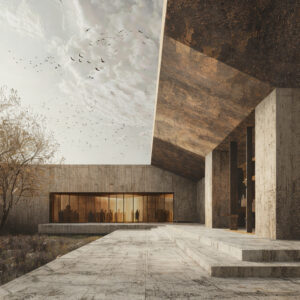
The architectural language is defined by a restrained approach that does not compete with stone, but exists alongside it. Lightly elevated pathways, platforms that glide without touching the ground, semi-permeable shading elements, and seating perceived as extensions of the stone itself allow architecture to recede so that stone may speak. What emerges is not a fixed ensemble of buildings, but a system of repeating spatial thresholds unfolding over time. The project does not seek to reconstruct Dereiçi, but to make its accumulated silence readable.
Etiketler