



- 11 Şubat 2025
- 4063 defa okundu.
Eşdeğer Mansiyon, Living Ruins 2024 Competition
hay.axi'nin "Living Ruins 2024 Competition" için tasarladığı proje, eşdeğer mansiyon ödülü kazandı.
Proje Raporu:
Urban Camouflage
Chronotopos, derived from the Greek words for “time” and “place,” refers to the interconnectedness of time and space. In the context of the Levissi, it symbolizes the intersection of history, memory, and built environment.
History
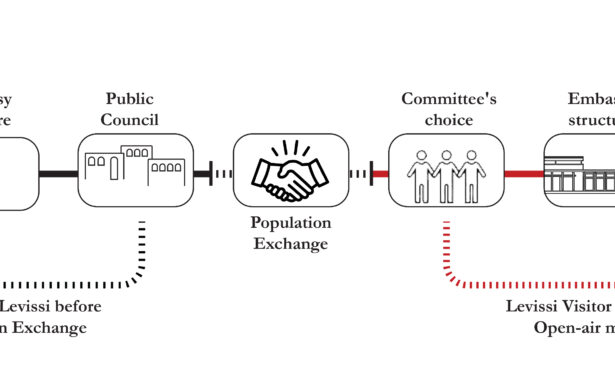
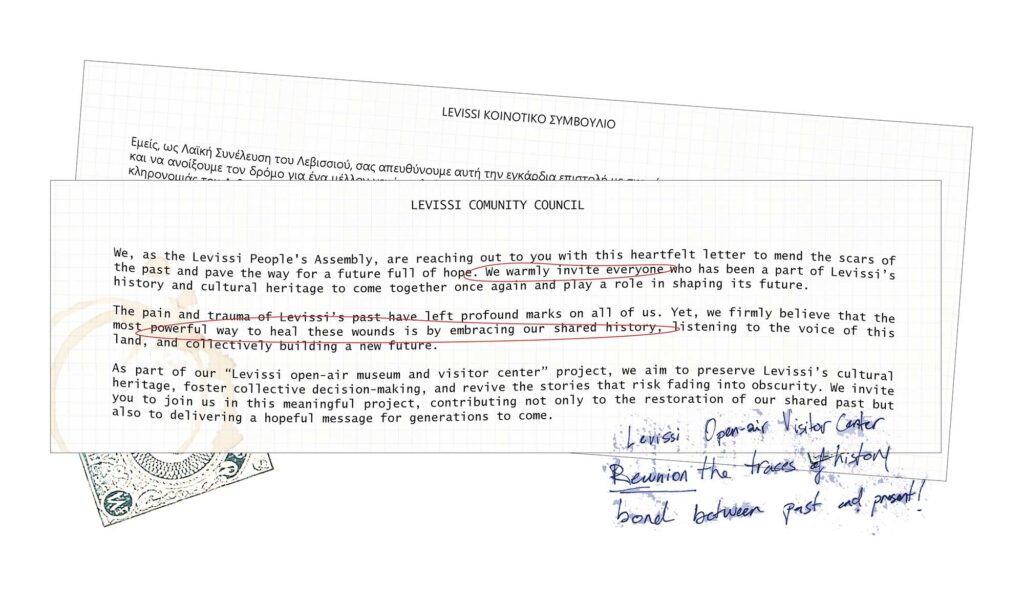
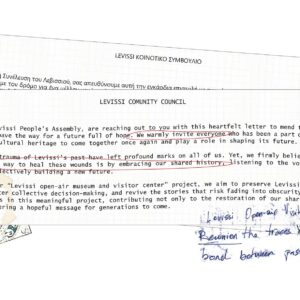
The ruins of Kayaköy, historically known as Levissi, stands as a reminder of the 1923 population exchange between Greece and Turkey. This mandatory migration forced locals left their ancestral lands, causing cultural disorientation and collective trauma. Proposal builds on this narrative. Building a bridge to the past and a sense of belonging for all visitors, regardless of their origin.
Concept
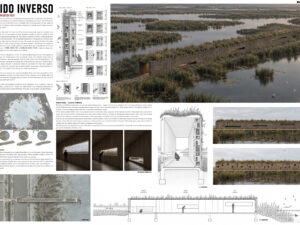
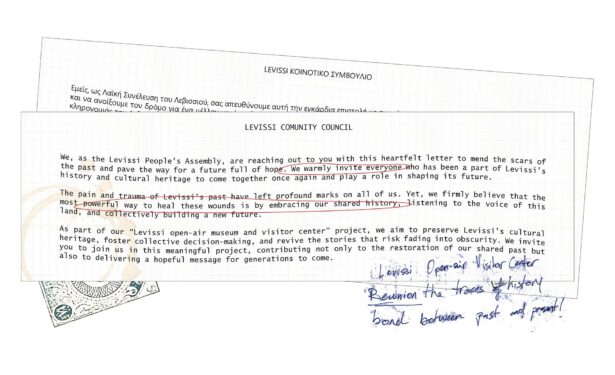
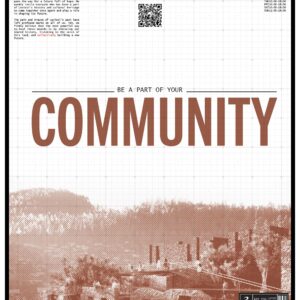
The project adopts a philosophy of humility, where the design takes a secondary, supportive role, to enhance the authenticity of the site without overshadowing. Acting as a “silent bridge,” the project invites visitors to connect with Levissi’s layered narratives of time, place, and memory.
Design
Visitor Center:
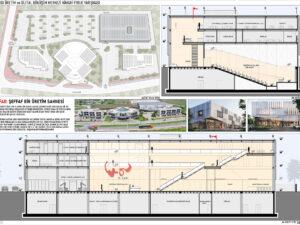
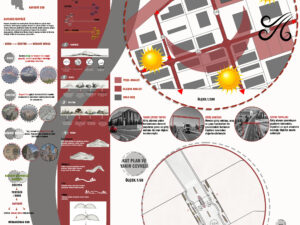
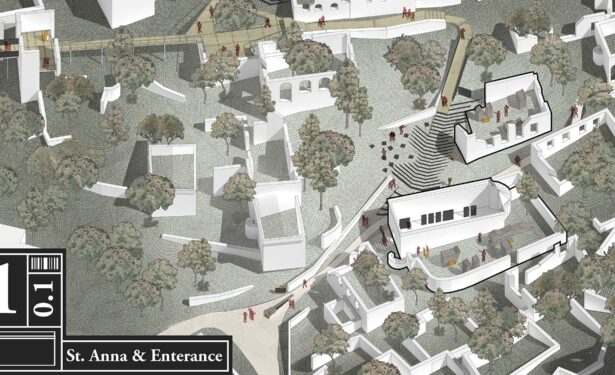
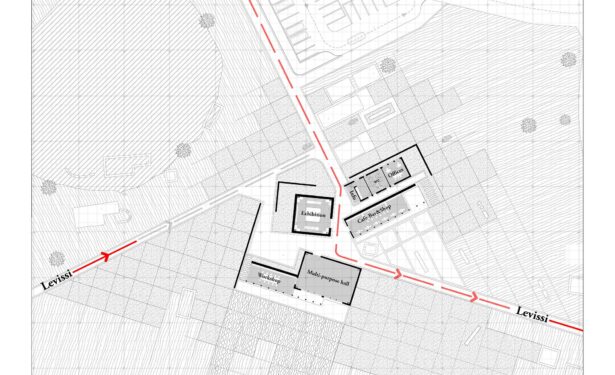
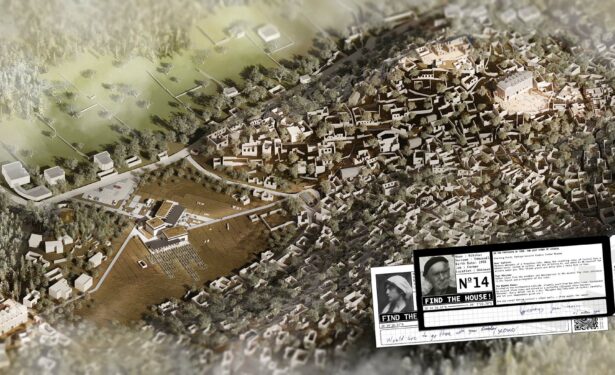
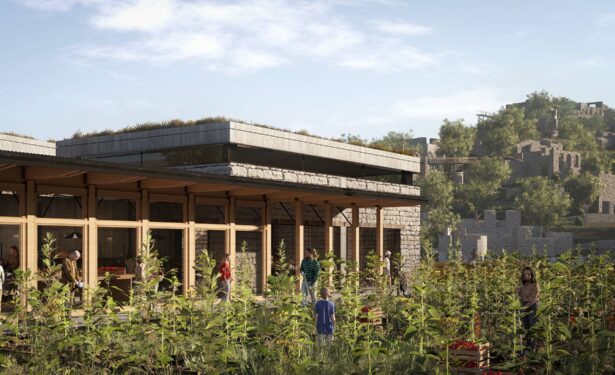
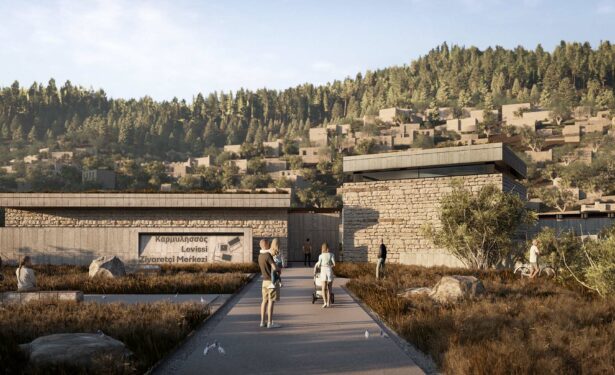
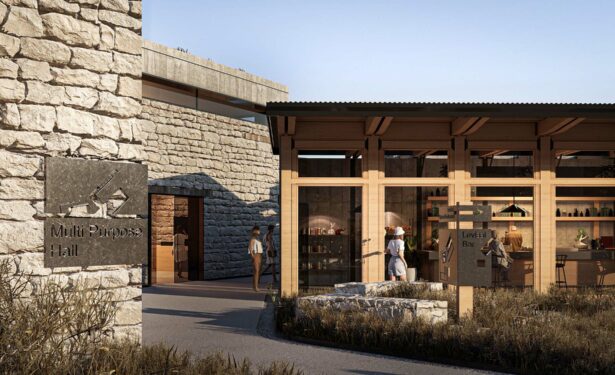
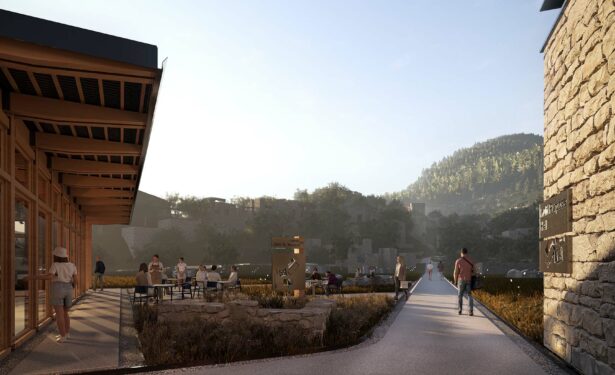
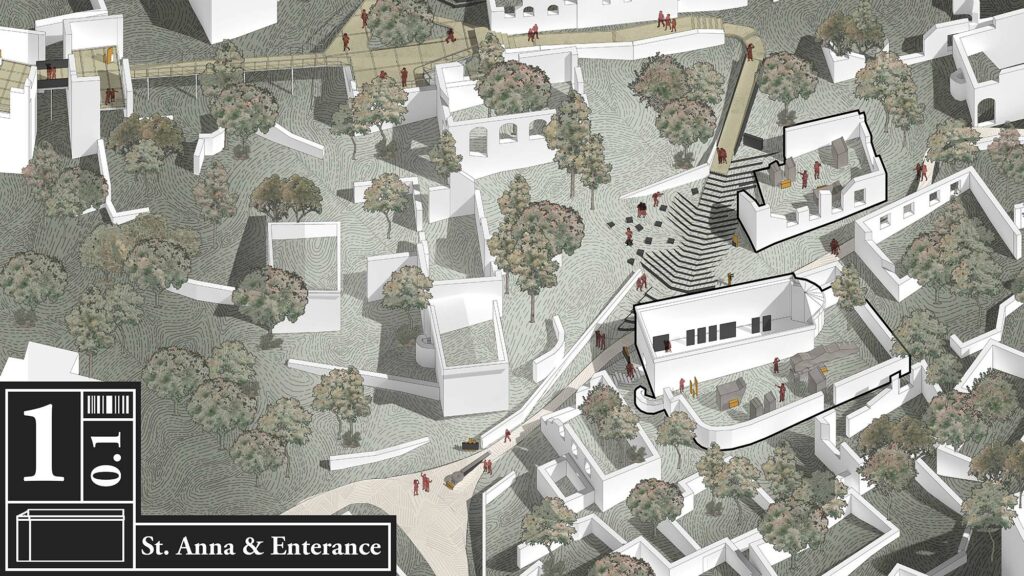
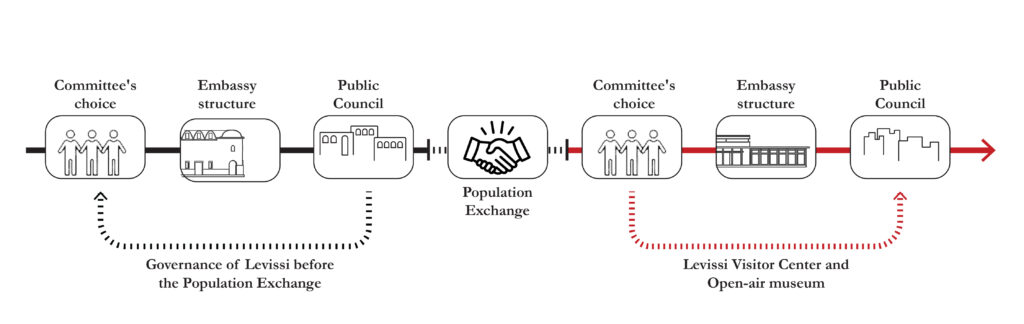
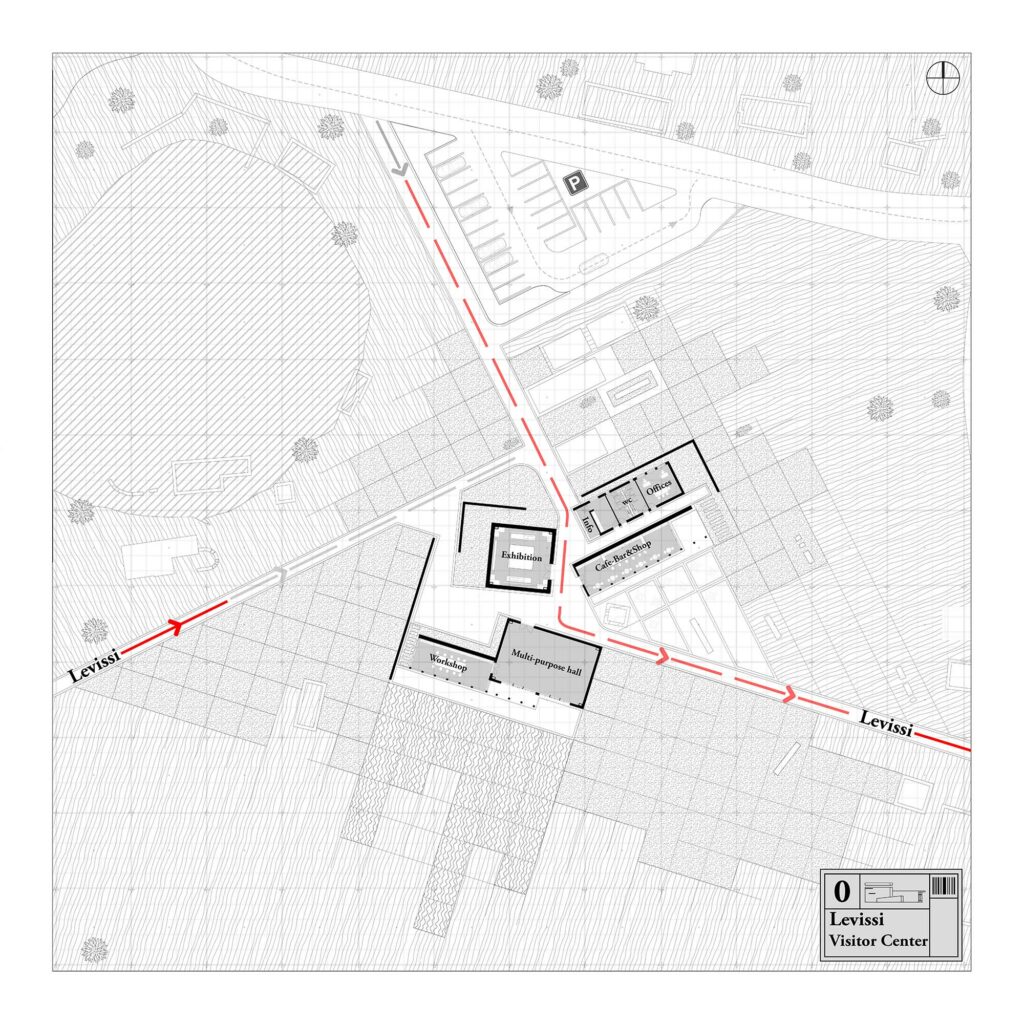
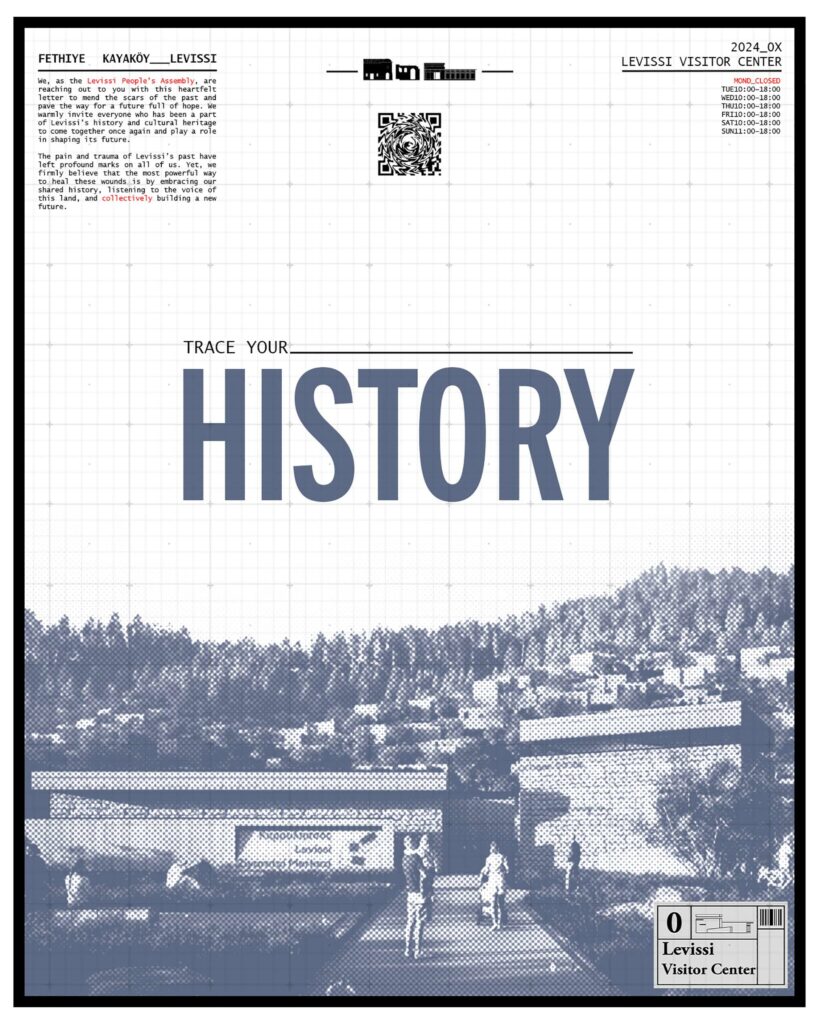
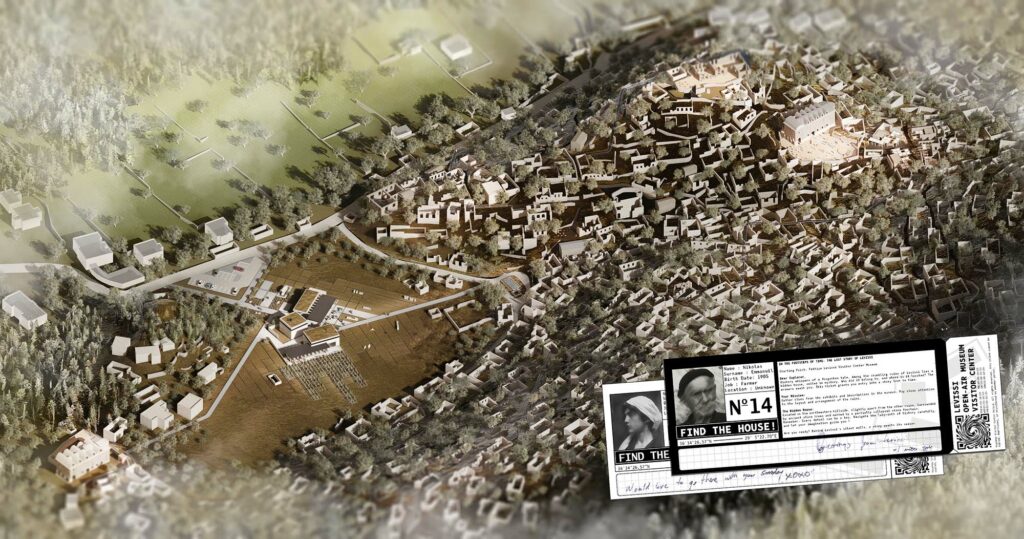
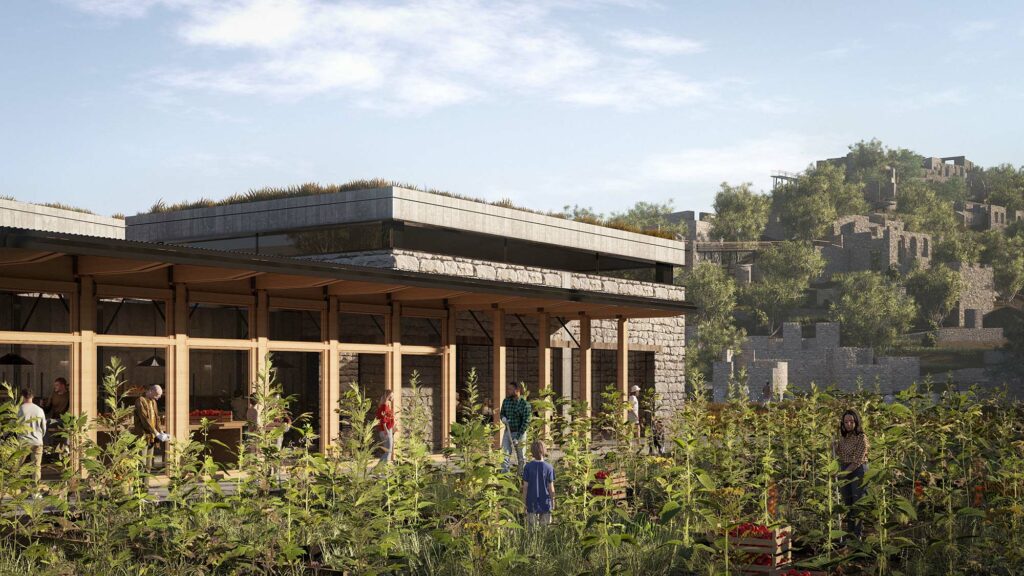
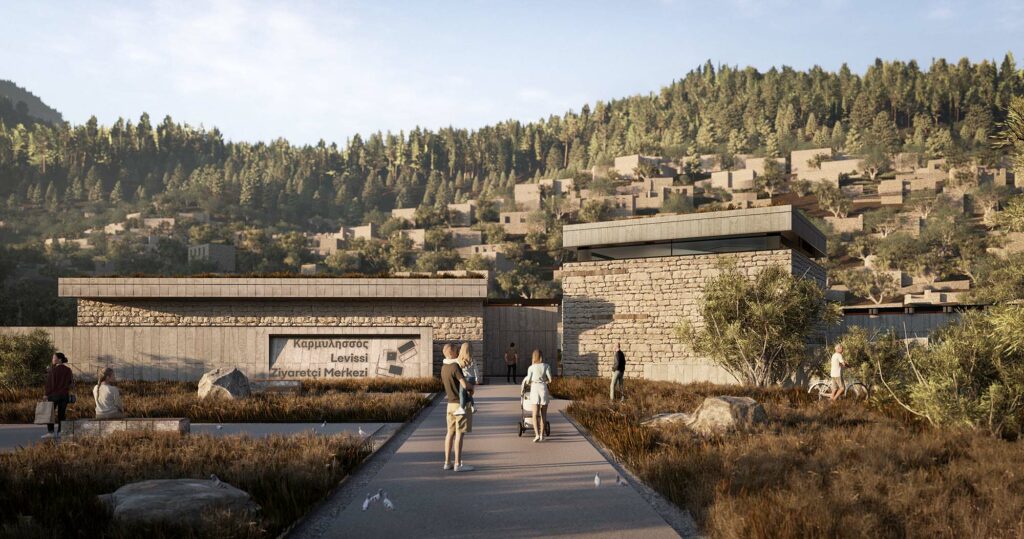
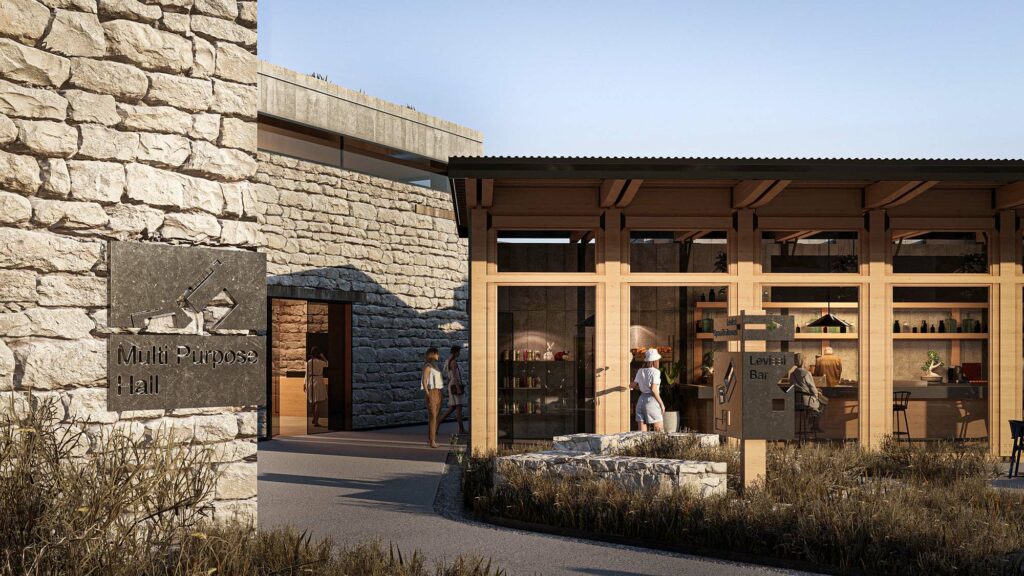
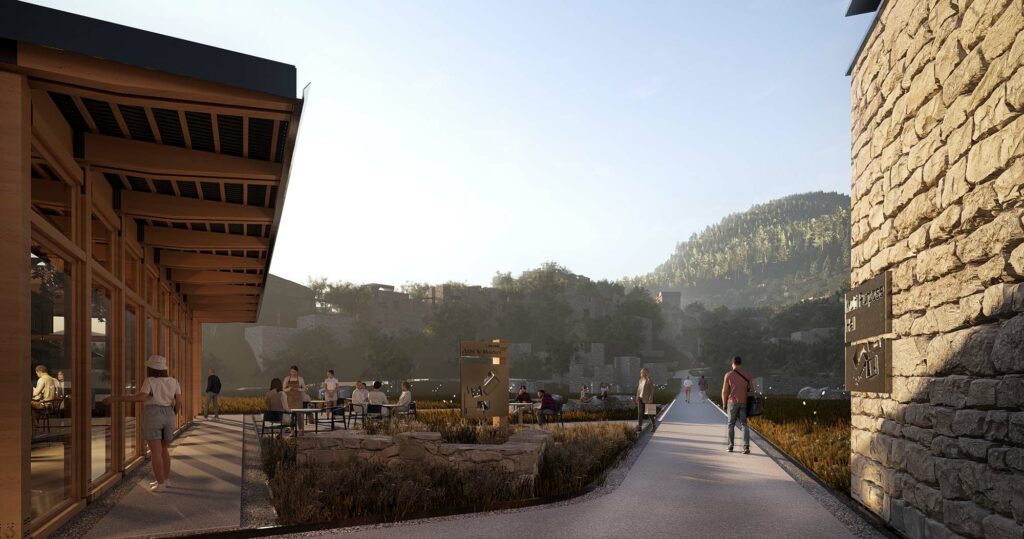
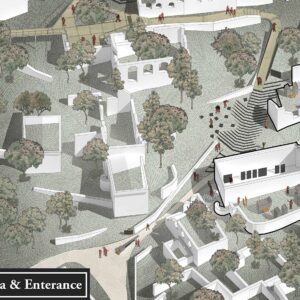
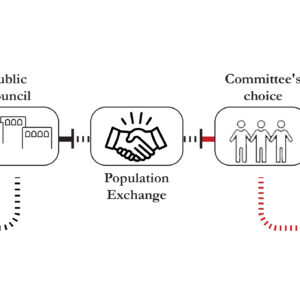
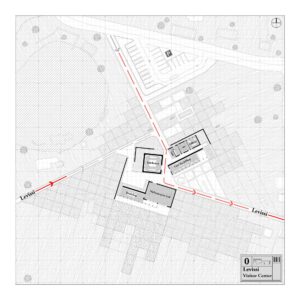
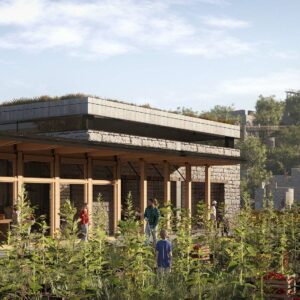
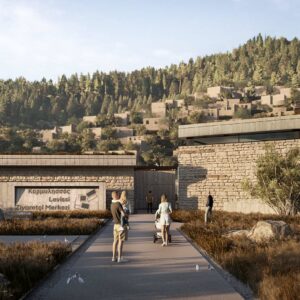
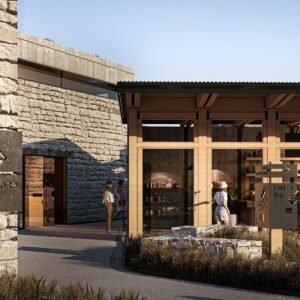
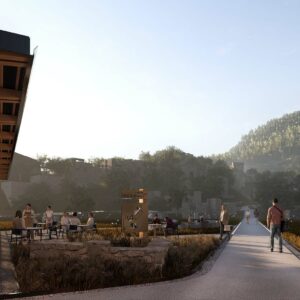
The experience begins with the original site entrance, maintaining historical continuity. The center comprises three structures built with local materials, reflecting vernacular space-making, information center providing site management and orientation, an exhibition hall narrating history from ancient Lycia to the population exchange, a community space venue for workshops, performances, and events. Events and uses will be decided by a community council akin to Levissi’s elderly council. Adjacent is a “bostan” (communal garden) celebrates traditional farming practices with grapes, figs, and olives, further anchoring visitors in the site’s vernacular heritage.
Journey in the Site:
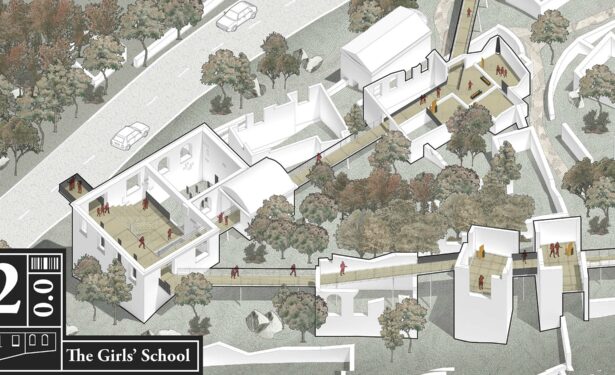
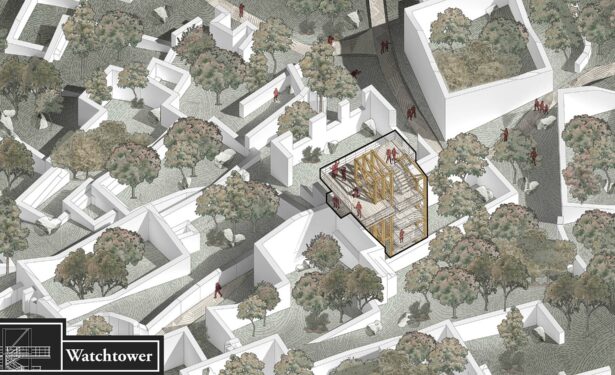
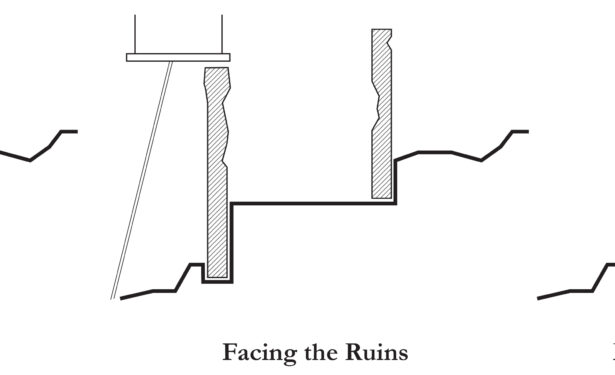
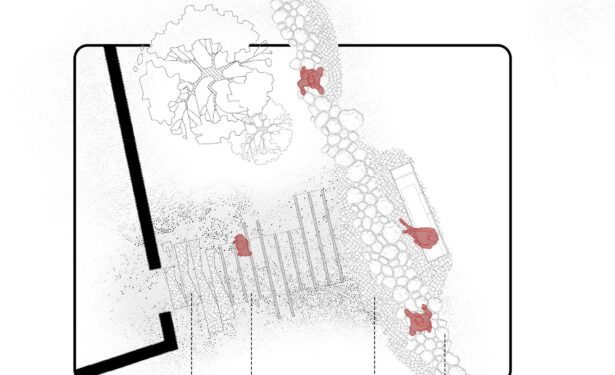
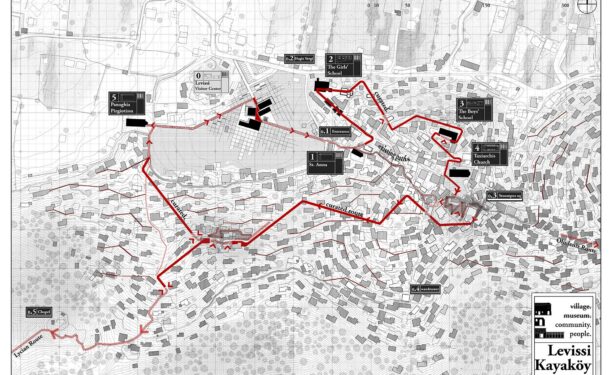
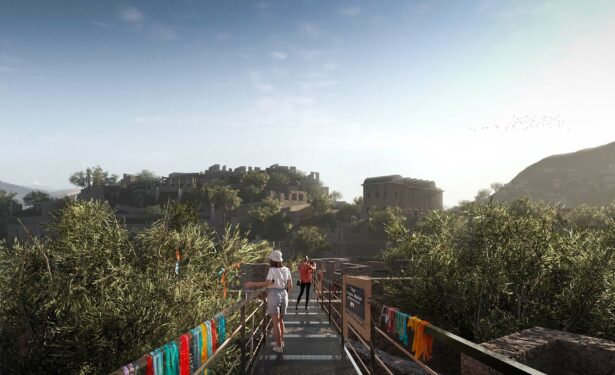
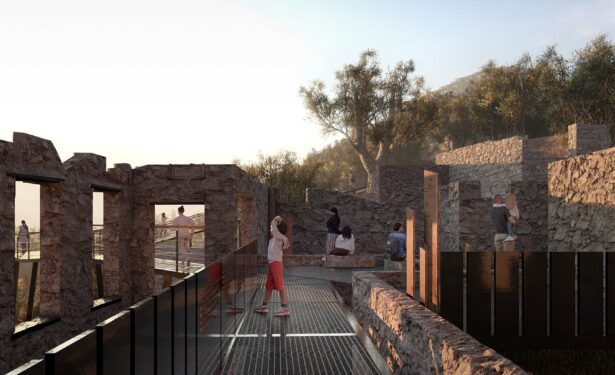
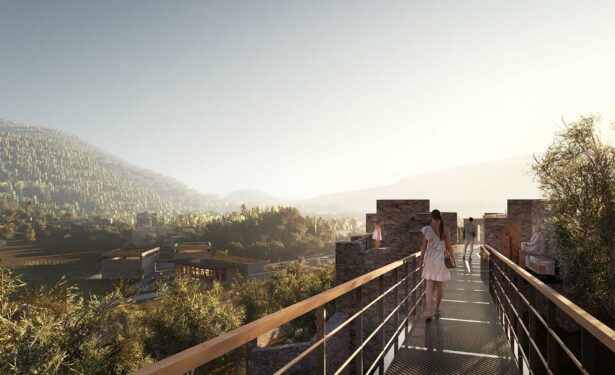
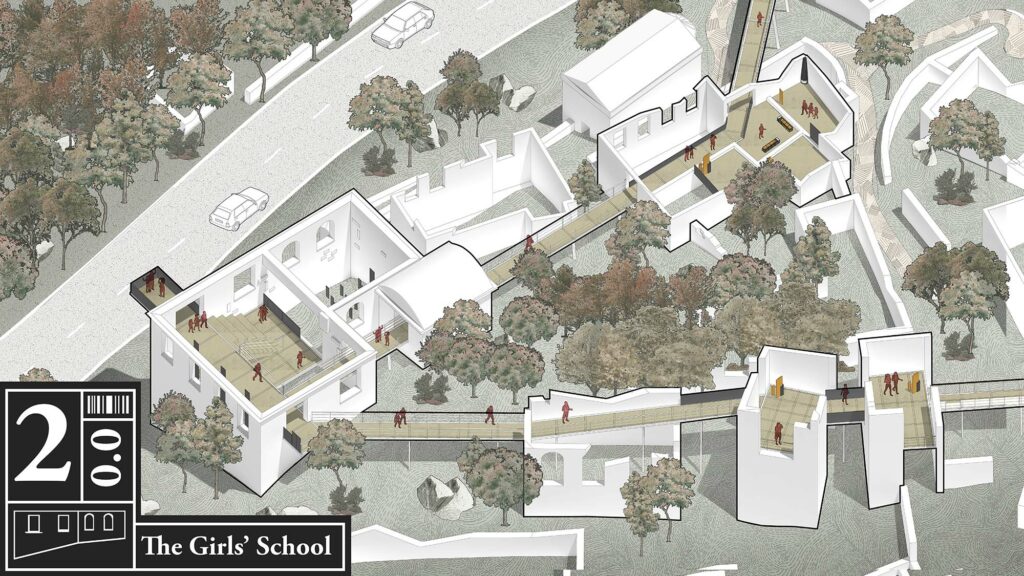
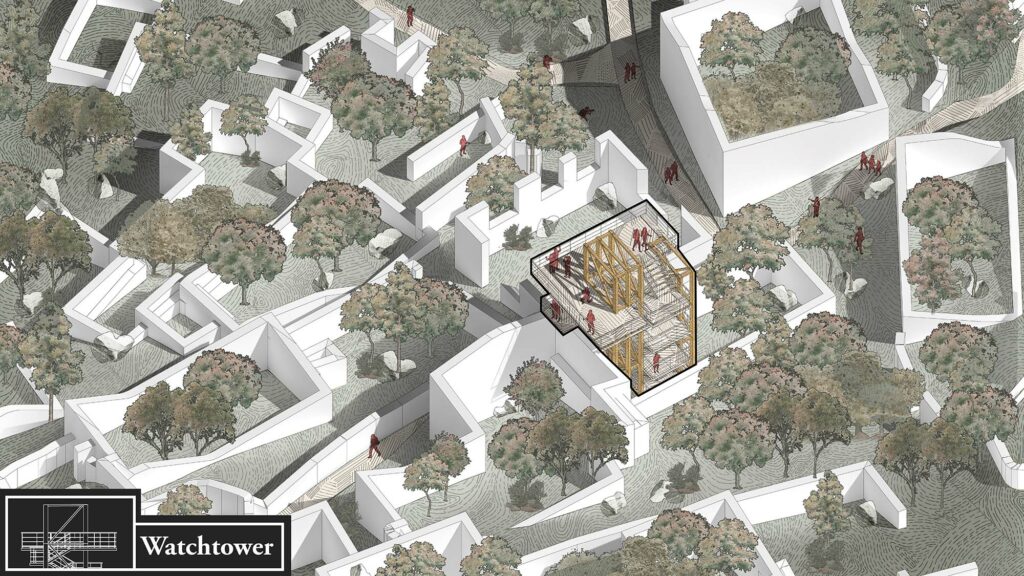
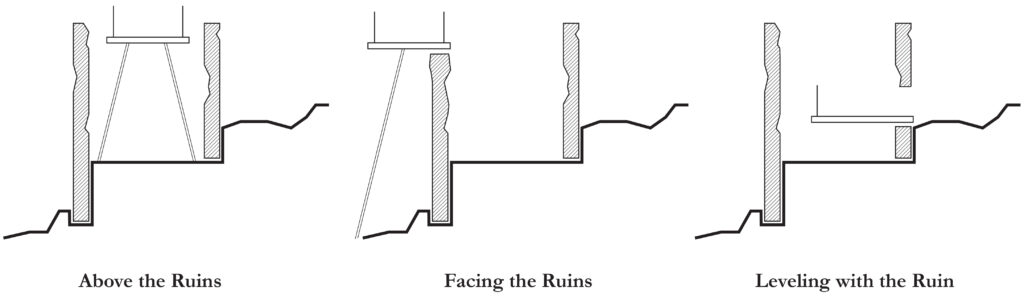
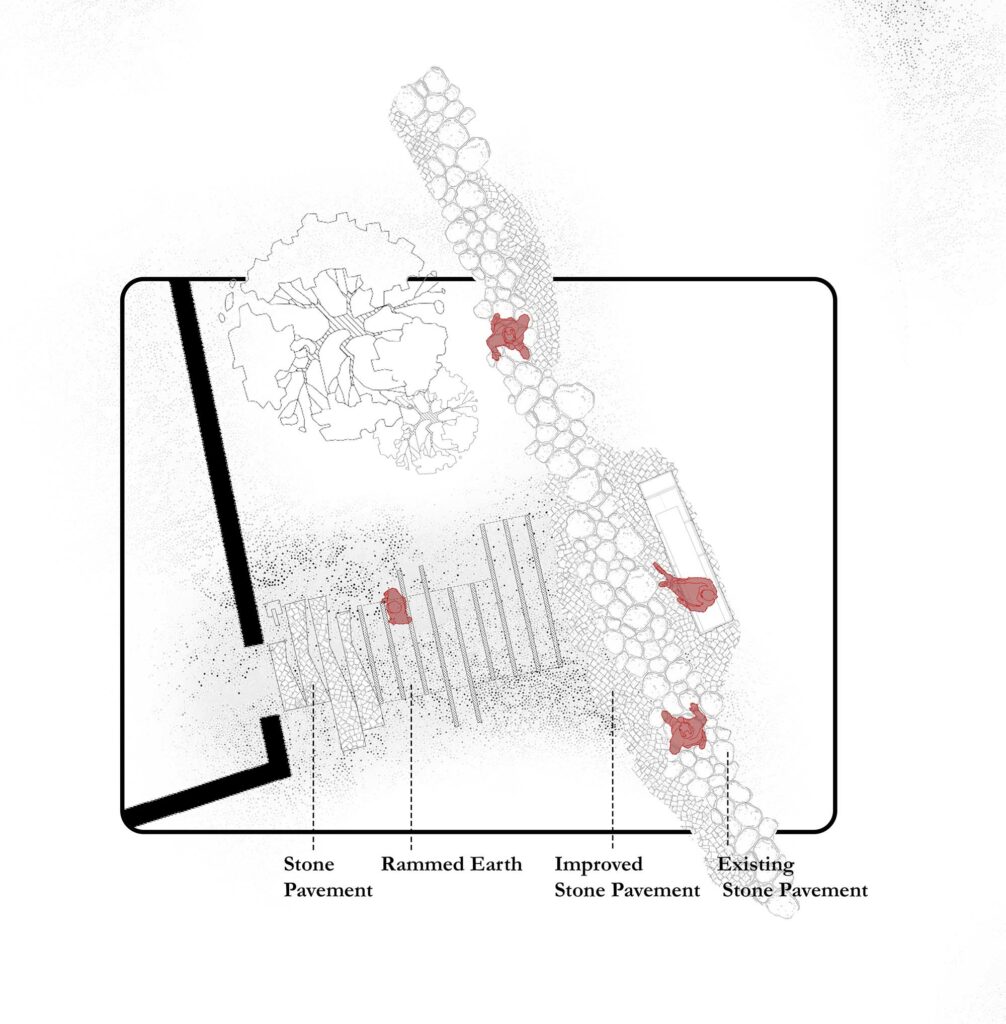
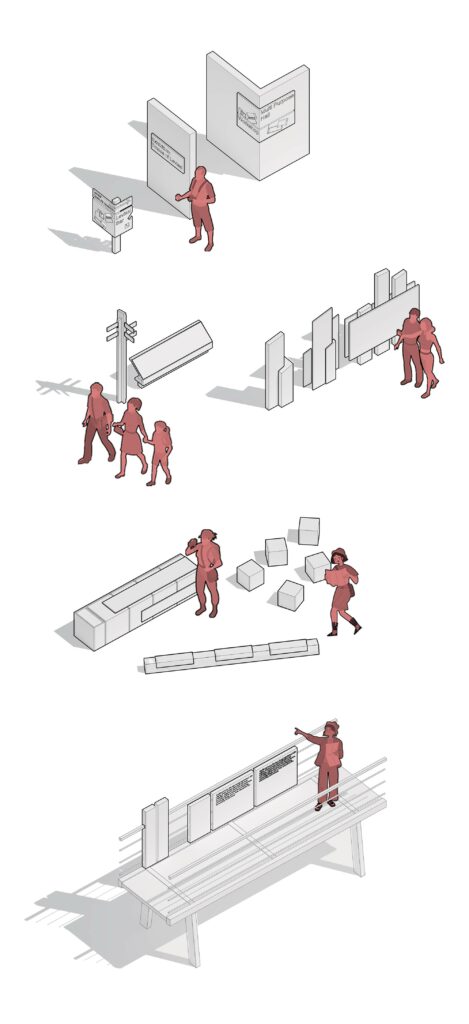
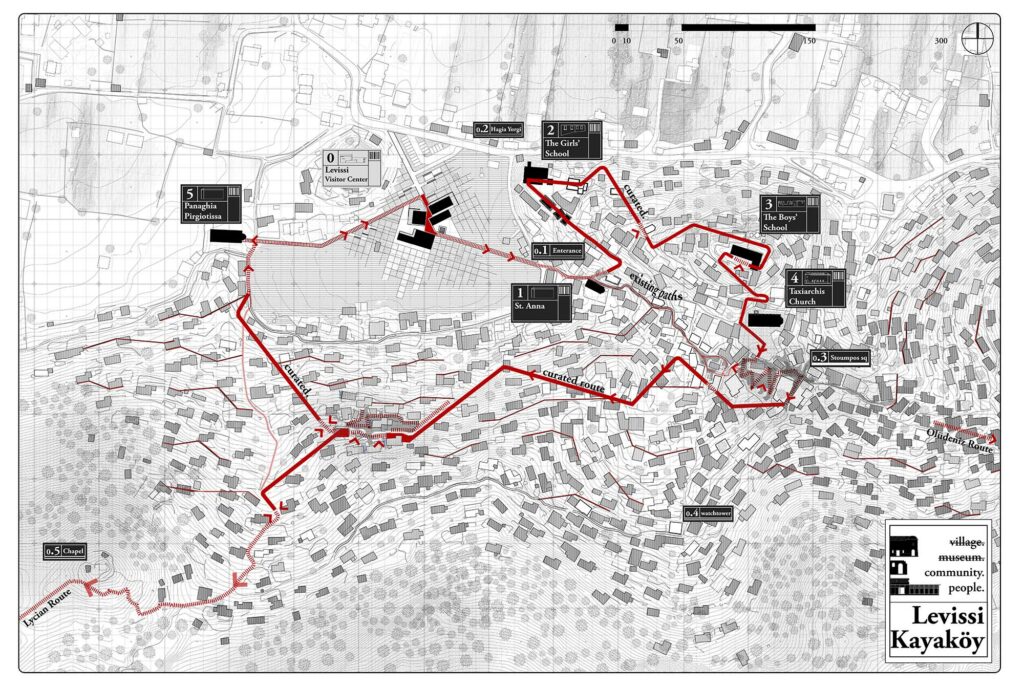
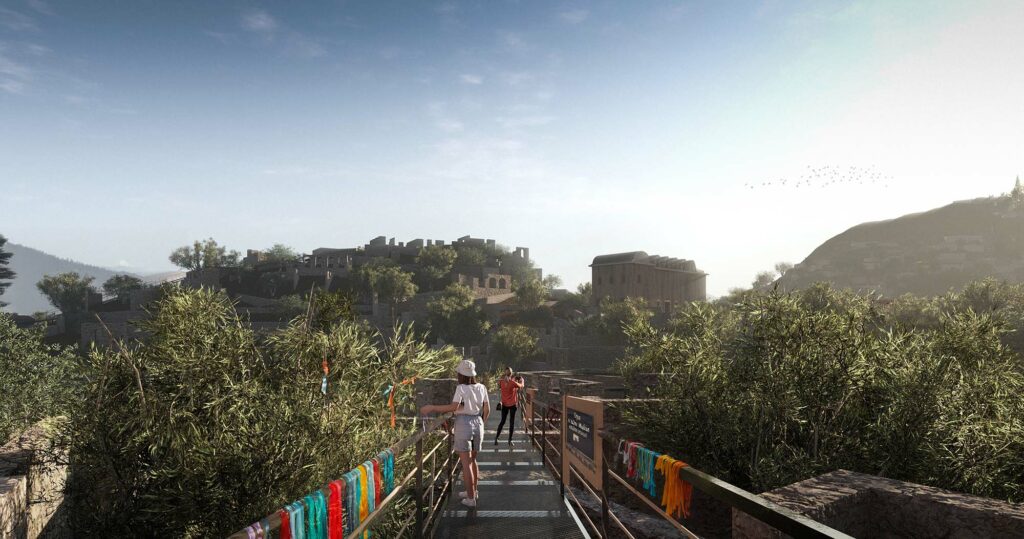
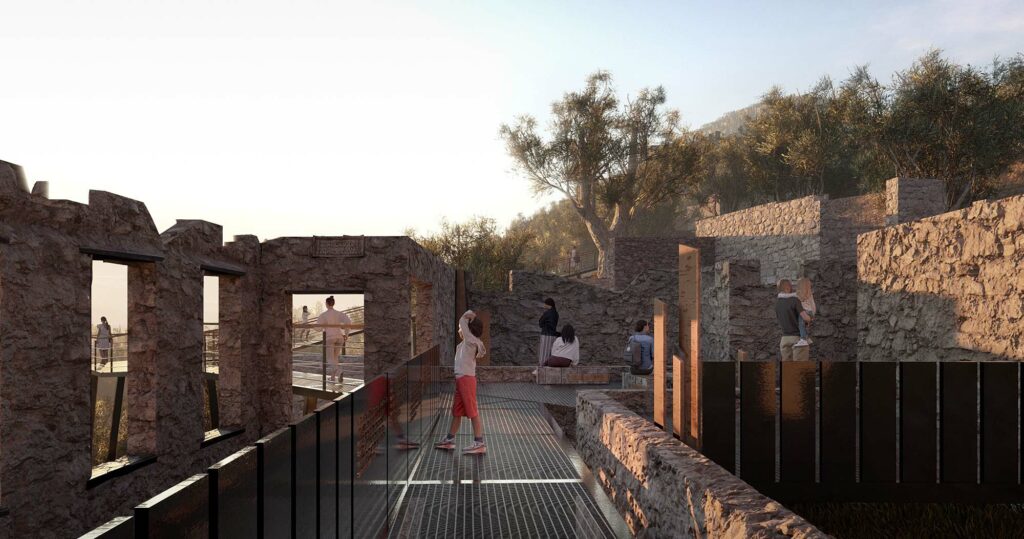
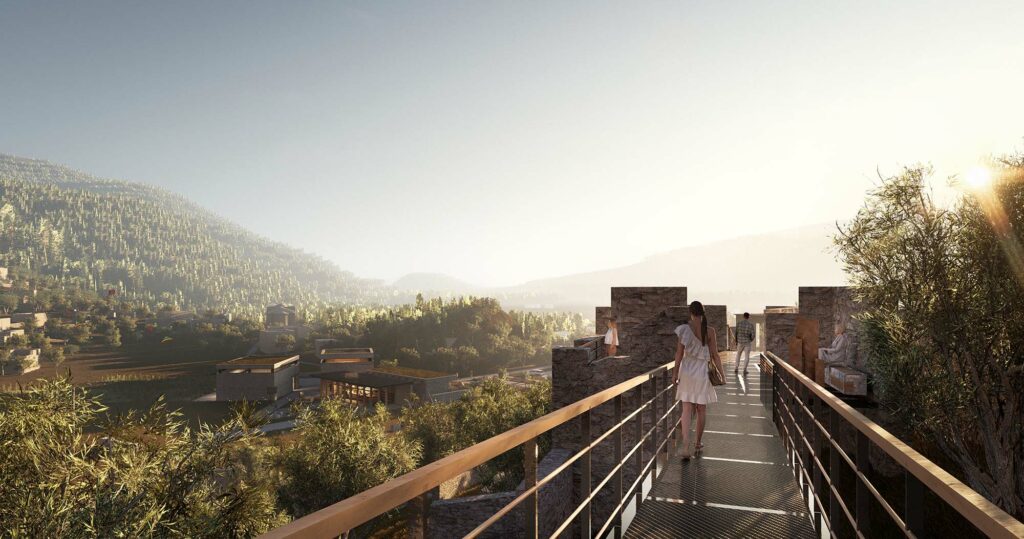
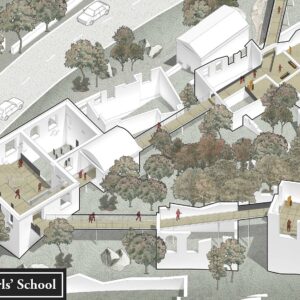
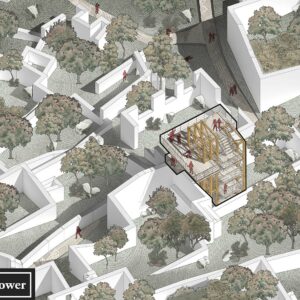
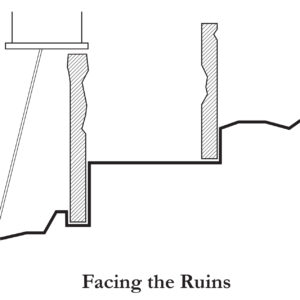
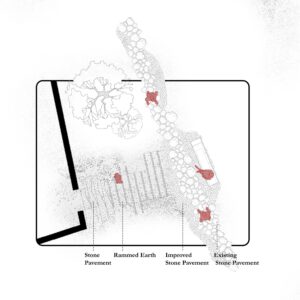
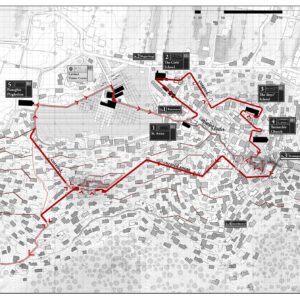
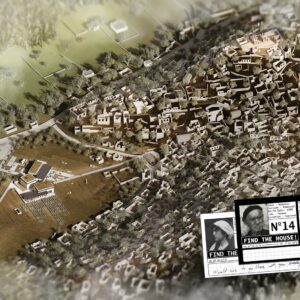
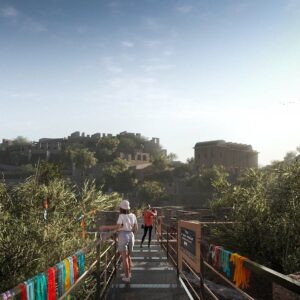
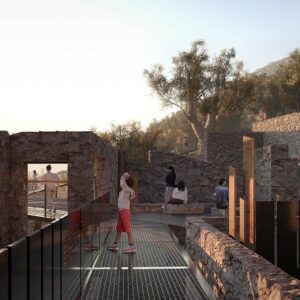
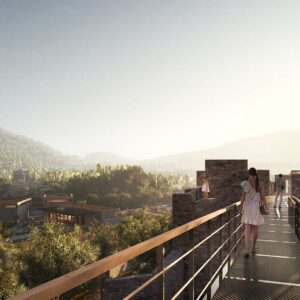
Visitors are free to wander through the site on a semi-curated route. Paths are interconnected, creating a flexible route that allows to exit and reenter at various points. Allowing to walk directly through the ruins, navigating the natural terrain with its topography. They can explore house ruins and feel the site’s raw essence. Historic roads are enhanced with interventions to ensure accessibility while preserving their original character. Another addition is the pronomade, walkways aim to provide a contrasting perspective, enabling visitors to see the village as external observers. This detachment fosters reflective understanding of the site and history.
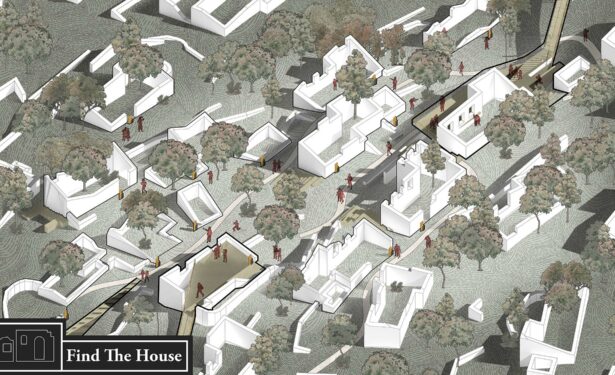
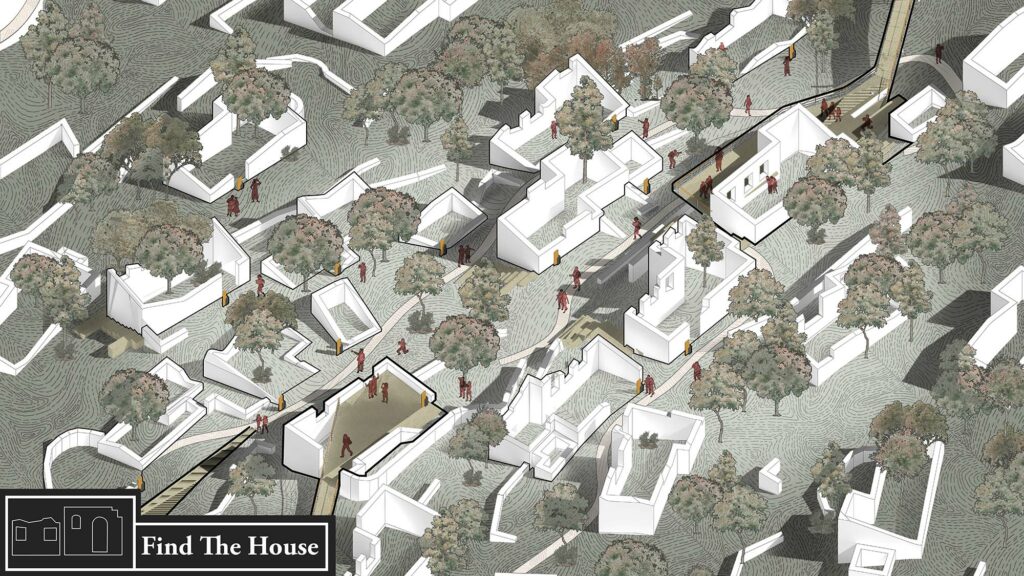
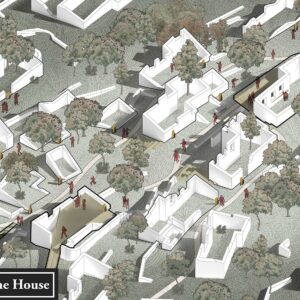
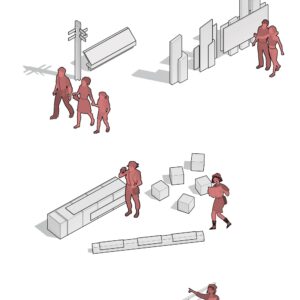
Visitors can participate in an immersive experience (Find The House!), where they search for a house of a past resident while learning about their lives. This interactive activity fosters empathy and a deeper connection to Levissi’s people.
Revitalized Spaces:
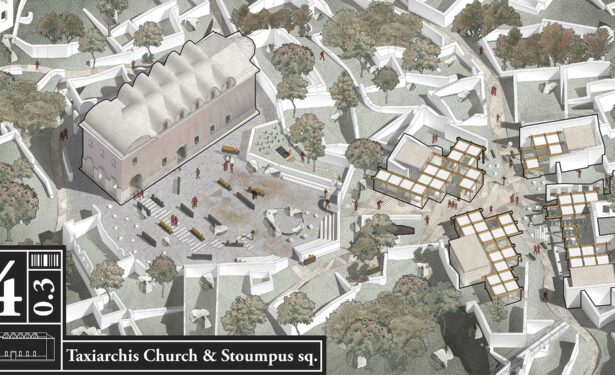
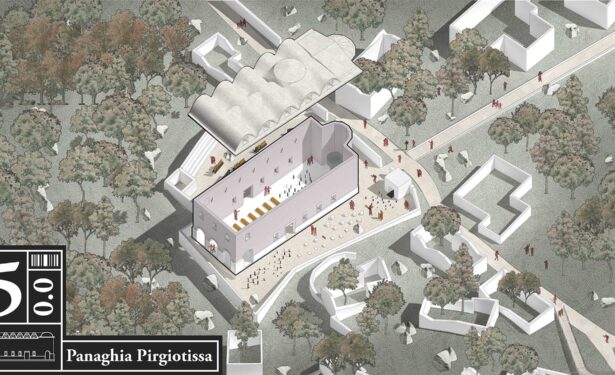
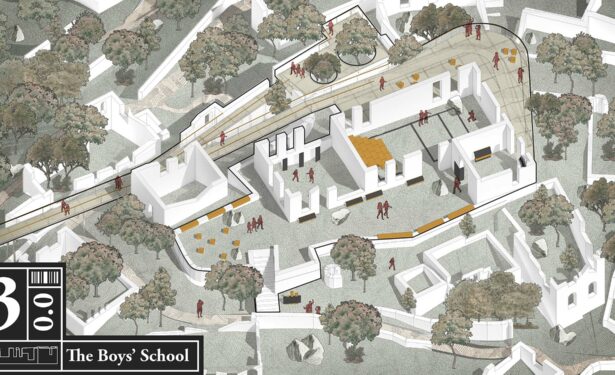
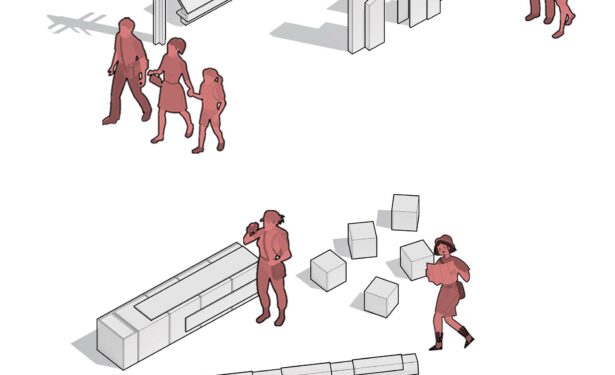
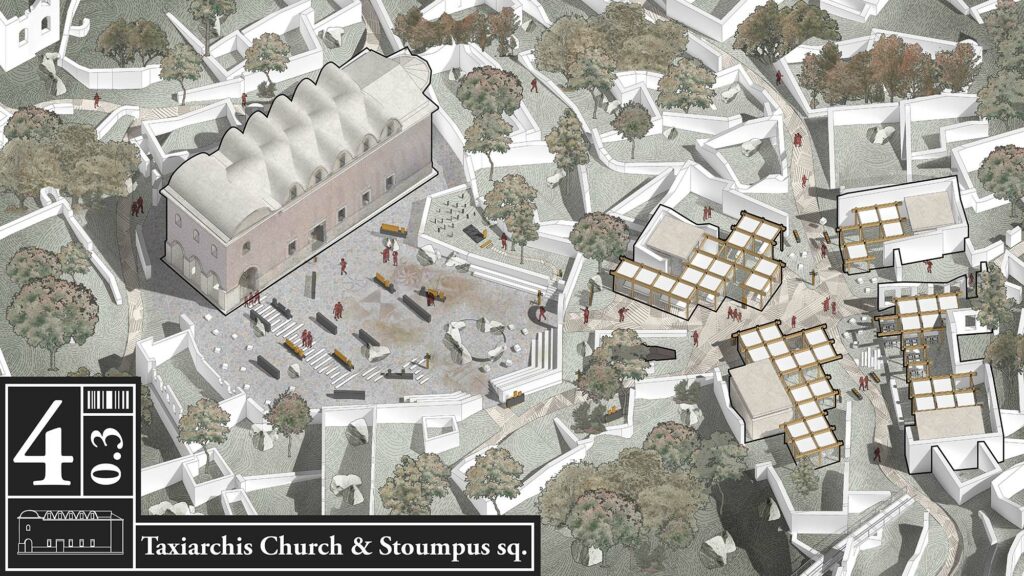
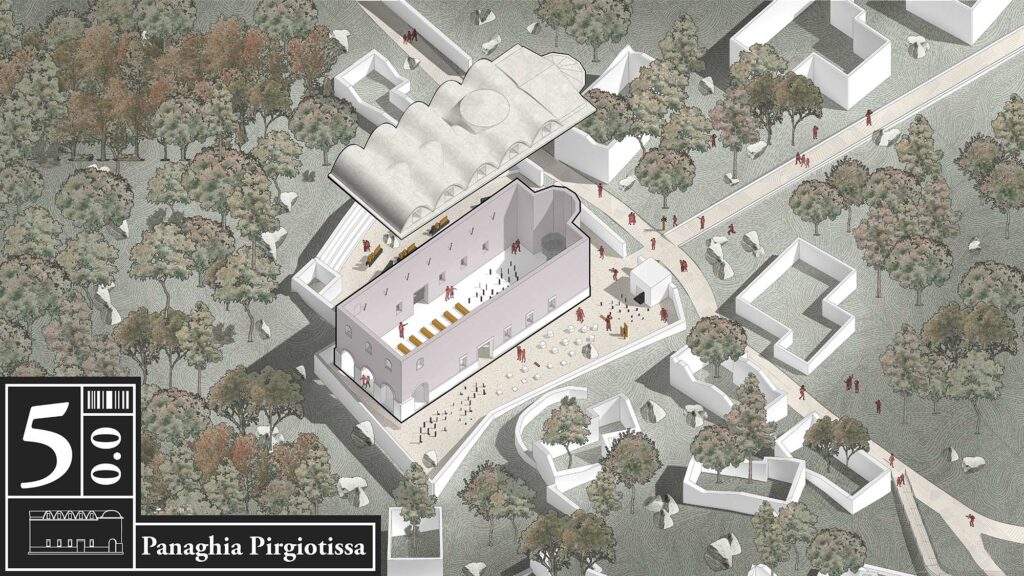
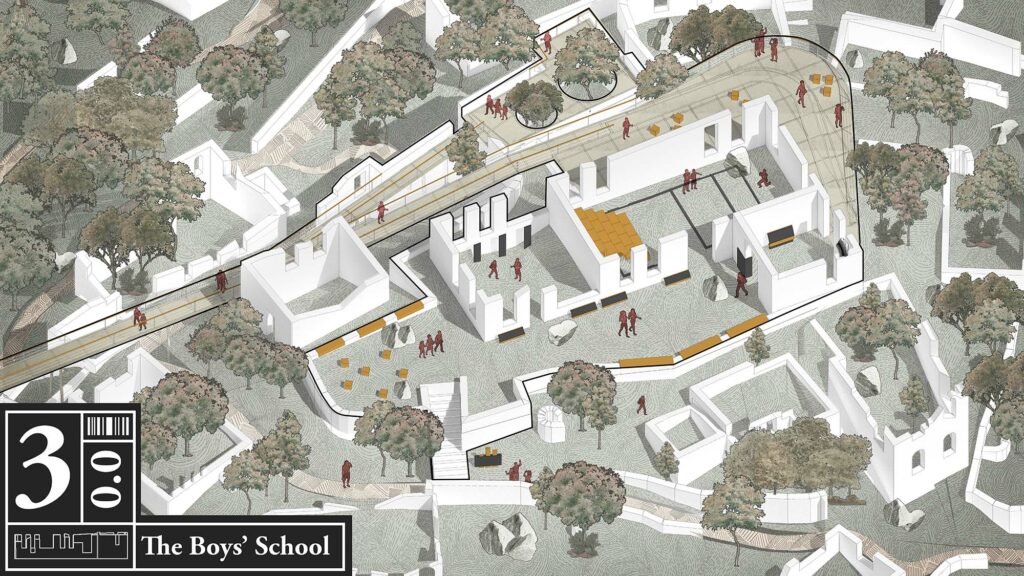
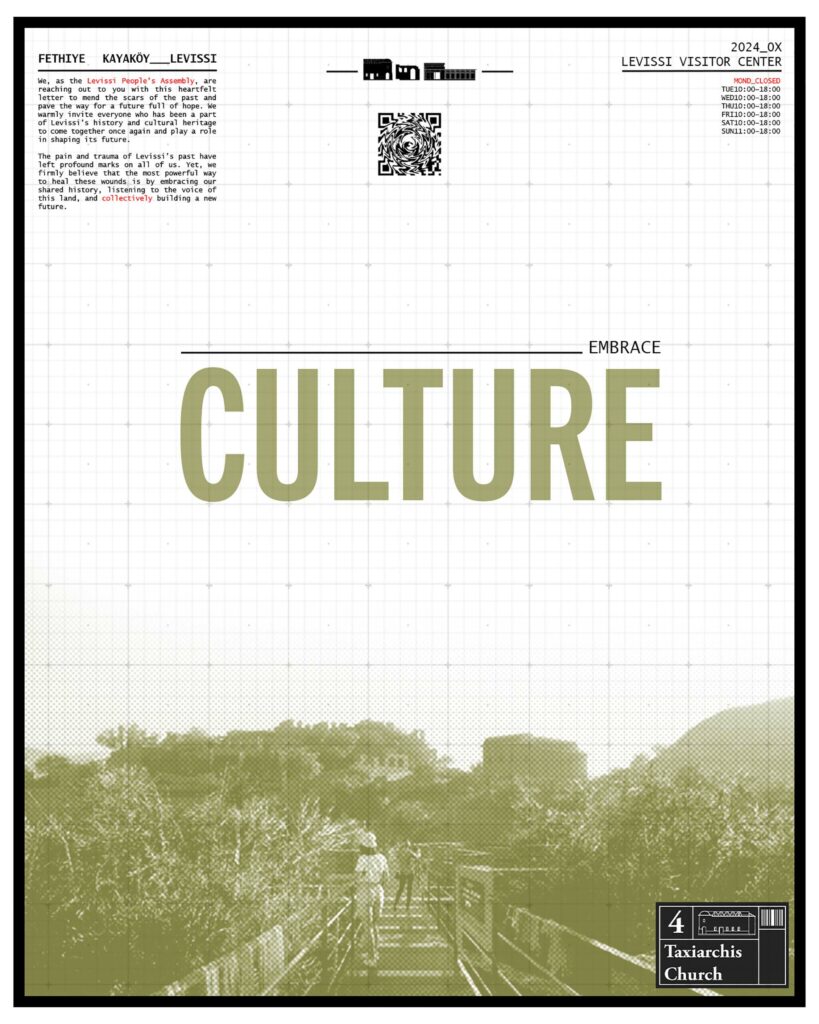
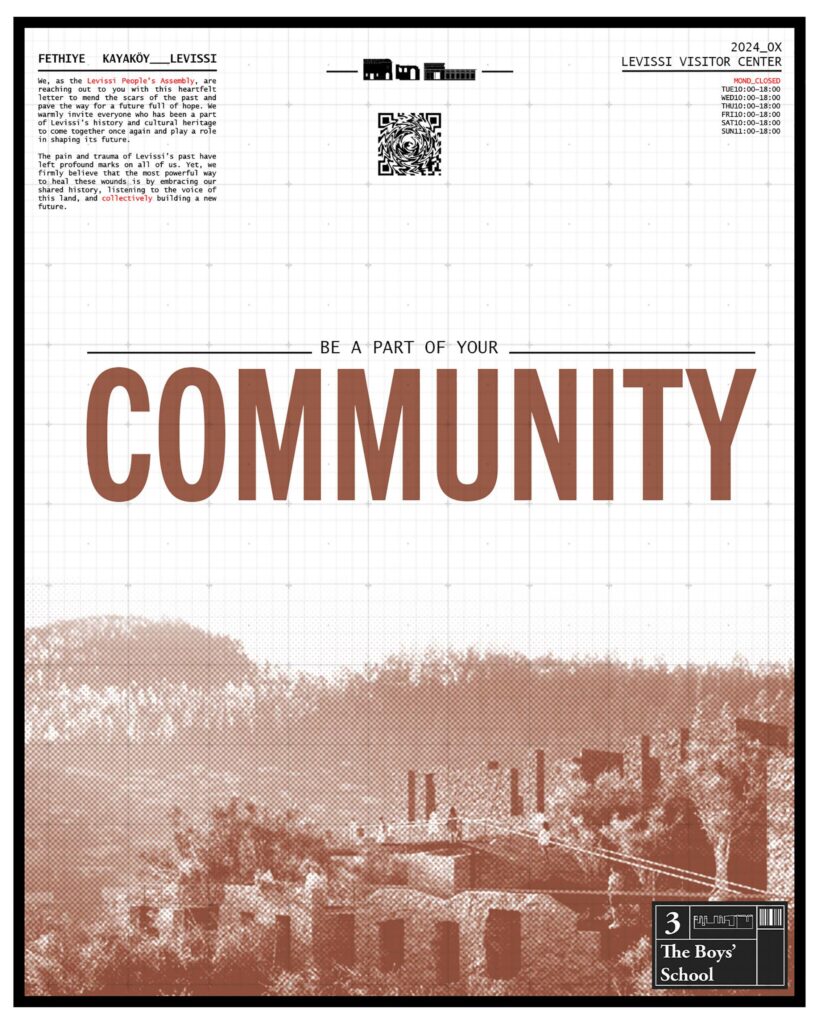
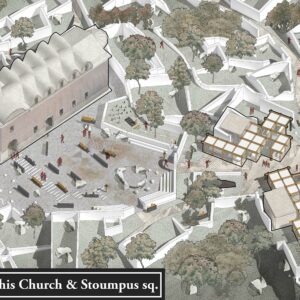
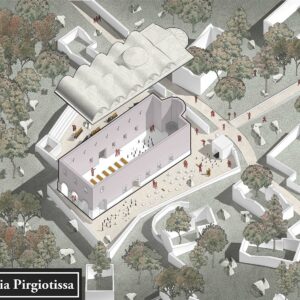
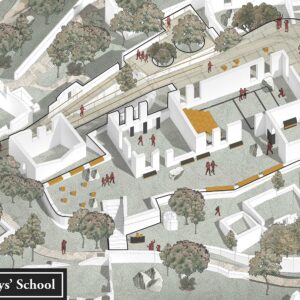
Historical landmarks serve as nodes for visitors to rest, learn, and interact. Taxiarchis Church is repurposed as a communal space with open-air exhibitions. The boys’ and girls’ schools and chapel function as cultural and educational hubs, housing displays & activities that reinterpret their historical roles. The village square and its surrounding formerly shops are revitalized for contemporary communal uses. Small amphitheaters are integrated into some ruins for performances and discussions, allowing visitors to experience the site as both a preserved artifact and a living space.
The project proposes a sensitive design to revitalize Levissi, transforming the “ghost village” into a space for learning, reflection, and shared humanity. Immersive experiences, revitalized communal spaces, and respectful interventions aim to maintain Levissi as a site of living history.
Etiketler