
- 3 Şubat 2026
- 3574 defa okundu.
Kısa Liste, Dubai Urban Elements Design Challenge Competition
Rumeysa Gür Gönültaş'ın Dubai Urban Elements Design Challenge Competition için tasarladığı proje kısa listeye kaldı.
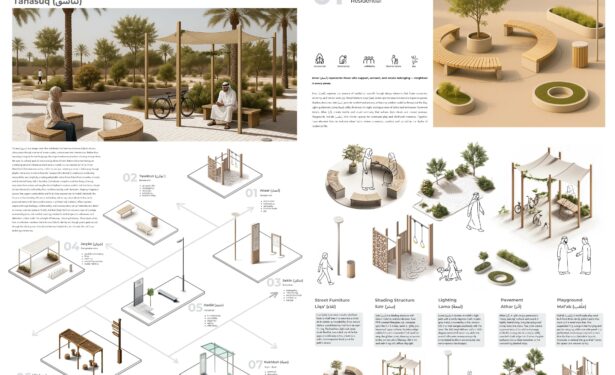
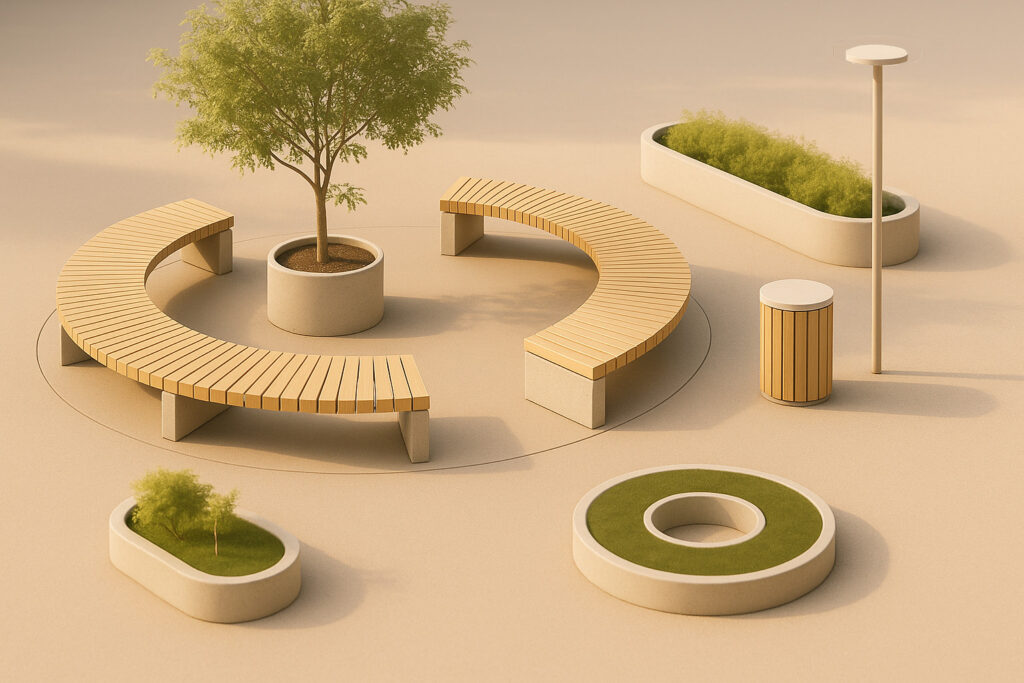
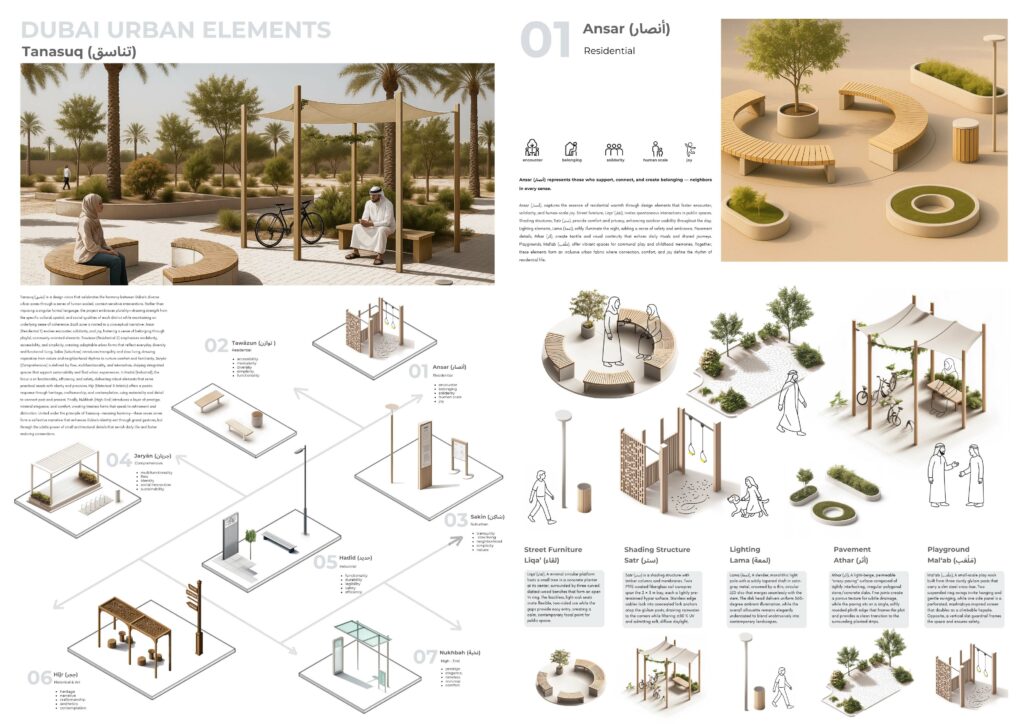
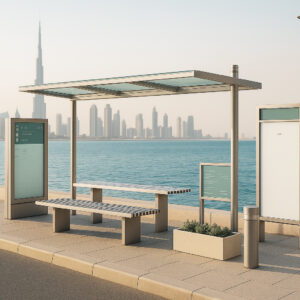
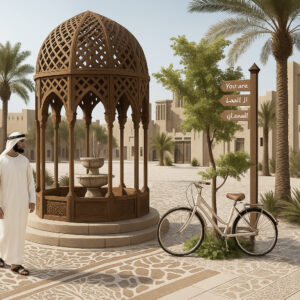
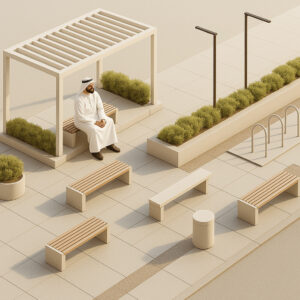
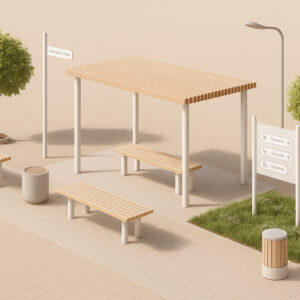
Tanasuq (تناسق) is a design vision that celebrates the harmony between Dubai’s diverse urban zones through a series of human-scaled, context-sensitive interventions. Rather than imposing a singular formal language, the project embraces plurality—drawing strength from the specific cultural, spatial, and social qualities of each district while maintaining an underlying sense of coherence. Each zone is rooted in a conceptual narrative: Ansar (Residential 1) evokes encounter, solidarity, and joy, fostering a sense of belonging through playful, community-oriented elements. Tawāzun (Residential 2) emphasizes modularity, accessibility, and simplicity, creating adaptable urban forms that reflect everyday diversity and functional living. Sakin (Suburban) introduces tranquility and slow living, drawing inspiration from nature and neighborhood rhythms to nurture comfort and familiarity. Jaryān (Comprehensive) is defined by flow, multifunctionality, and interaction, shaping integrated spaces that support sustainability and fluid urban experiences. In Hadid (Industrial), the focus is on functionality, efficiency, and safety, delivering robust elements that serve practical needs with clarity and precision. Hijr (Historical & Artistic) offers a poetic response through heritage, craftsmanship, and contemplation, using materiality and detail to connect past and present. Finally, Nukhbah (High-End) introduces a layer of prestige, minimal elegance, and comfort, creating timeless forms that speak to refinement and distinction. United under the principle of Tanasuq—meaning harmony—these seven zones form a collective narrative that enhances Dubai’s identity not through grand gestures, but through the subtle power of small architectural details that enrich daily life and foster enduring connections.
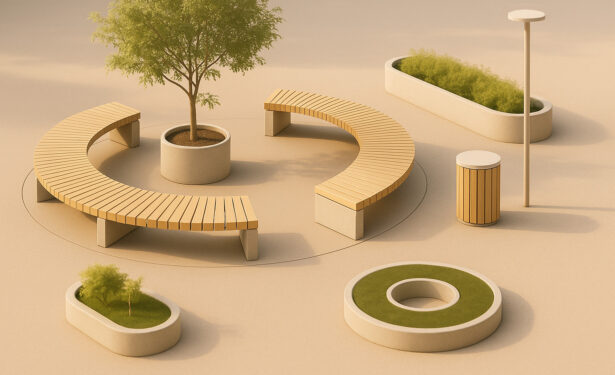
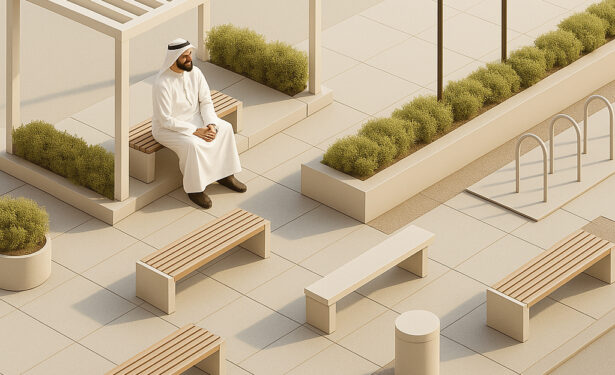
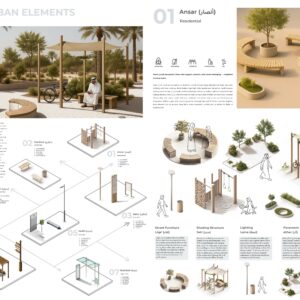
Ansar (أنصار) represents those who support, connect, and create belonging — neighbors in every sense.
Ansar (أنصار), captures the essence of residential warmth through design elements that foster encounter, solidarity, and human-scale joy. Street furniture, Liqa’ (لقاء), invites spontaneous interactions in public spaces. Shading structures, Satr (ستر), provide comfort and privacy, enhancing outdoor usability throughout the day. Lighting elements, Lama (لمعة), softly illuminate the night, adding a sense of safety and ambiance. Pavement details, Athar (أثر), create tactile and visual continuity that echoes daily rituals and shared journeys. Playgrounds, Mal‘ab (مَلْعَب), offer vibrant spaces for communal play and childhood memories. Together, these elements form an inclusive urban fabric where connection, comfort, and joy define the rhythm of residential life.
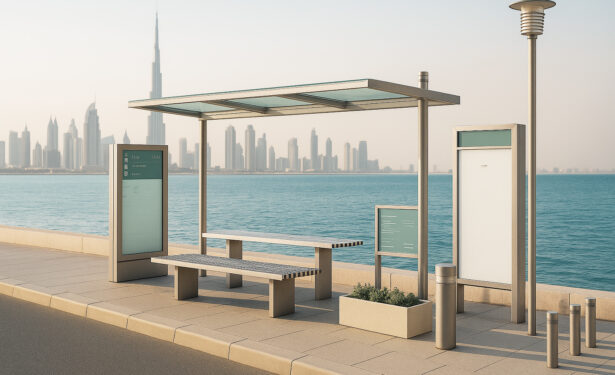
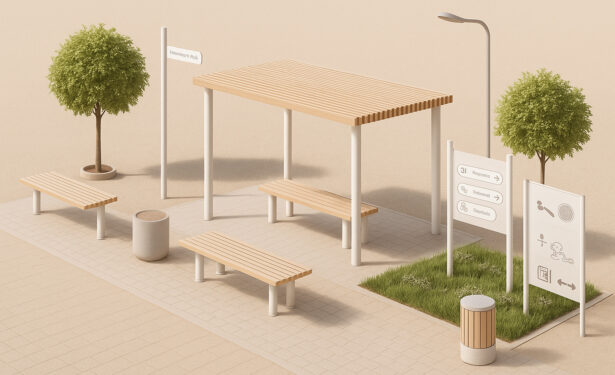
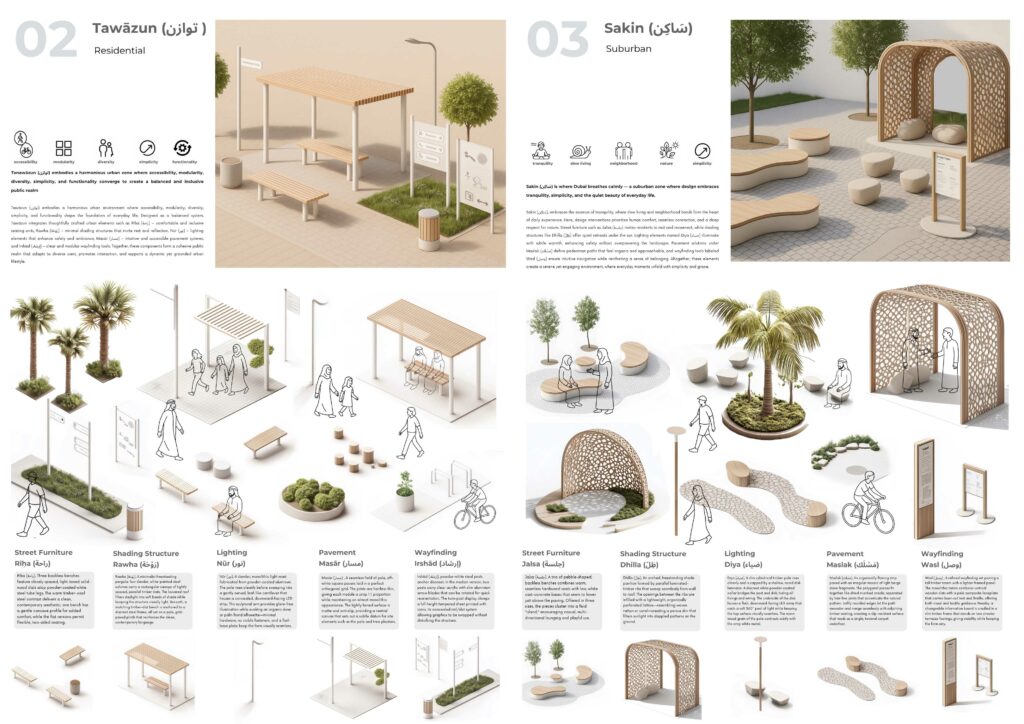
Tanawāzun (توازن) embodies a harmonious urban zone where accessibility, modularity, diversity, simplicity, and functionality converge to create a balanced and inclusive public realm
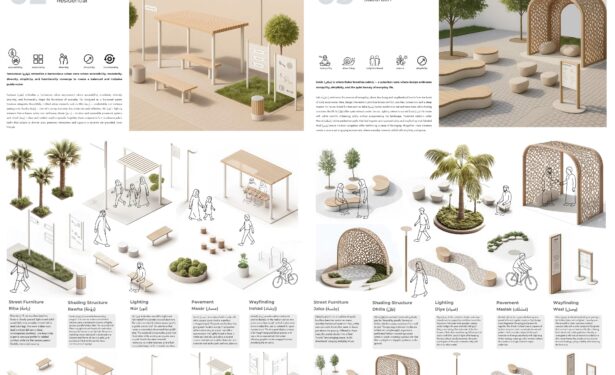
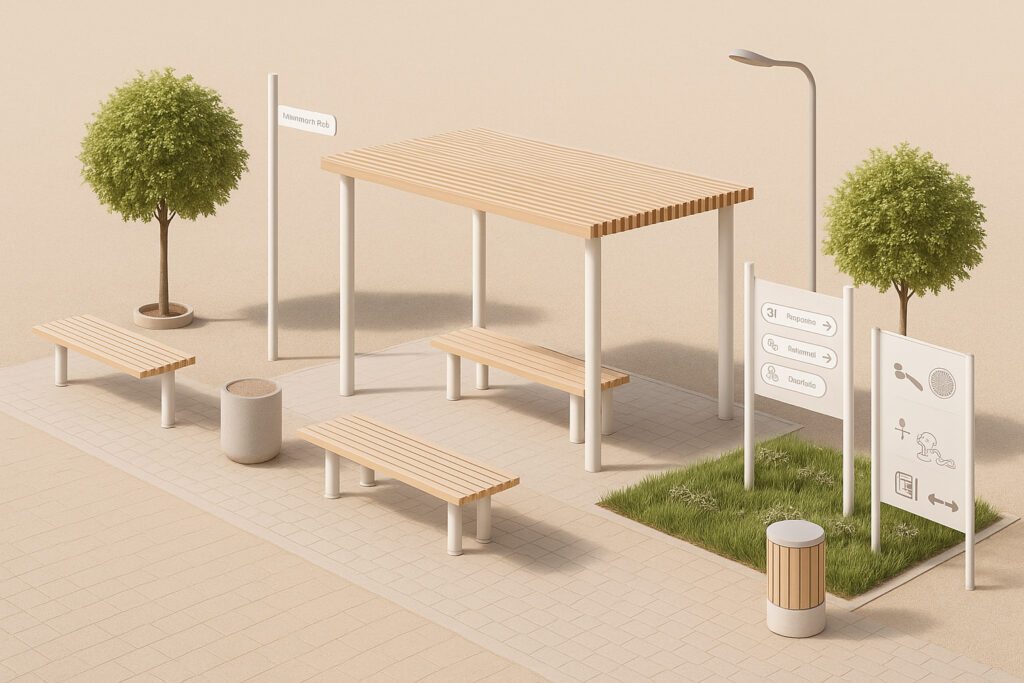
Tawāzun (توازن) embodies a harmonious urban environment where accessibility, modularity, diversity, simplicity, and functionality shape the foundation of everyday life. Designed as a balanced system, Tawāzun integrates thoughtfully crafted urban elements such as Rīḥa (راحة) – comfortable and inclusive seating units, Rawha (رَوْحَة) – minimal shading structures that invite rest and reflection, Nūr (نور) – lighting elements that enhance safety and ambiance, Masār (مسار) – intuitive and accessible pavement systems, and Irshād (إرشاد) – clear and modular wayfinding tools. Together, these components form a cohesive public realm that adapts to diverse users, promotes interaction, and supports a dynamic yet grounded urban lifestyle.
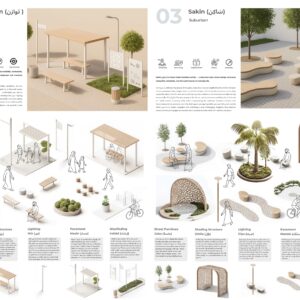
Sakin (سَاكِن) is where Dubai breathes calmly — a suburban zone where design embraces tranquility, simplicity, and the quiet beauty of everyday life.
Sakin (سَاكِن), embraces the essence of tranquility, where slow living and neighborhood bonds form the heart of daily experience. Here, design interventions prioritize human comfort, seamless connection, and a deep respect for nature. Street furniture such as Jalsa (جلسة) invites residents to rest and reconnect, while shading structures like Dhilla (ظِلّ) offer quiet retreats under the sun. Lighting elements named Diya (ضياء) illuminate with subtle warmth, enhancing safety without overpowering the landscape. Pavement solutions under Maslak (مَسْلَك) define pedestrian paths that feel organic and approachable, and wayfinding tools labeled Wasl (وصل) ensure intuitive navigation while reinforcing a sense of belonging. Altogether, these elements create a serene yet engaging environment, where everyday moments unfold with simplicity and grace.
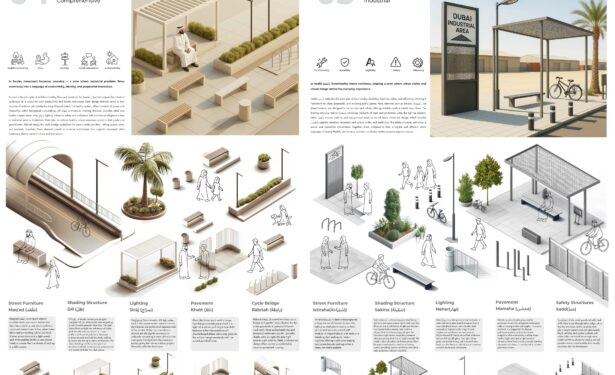
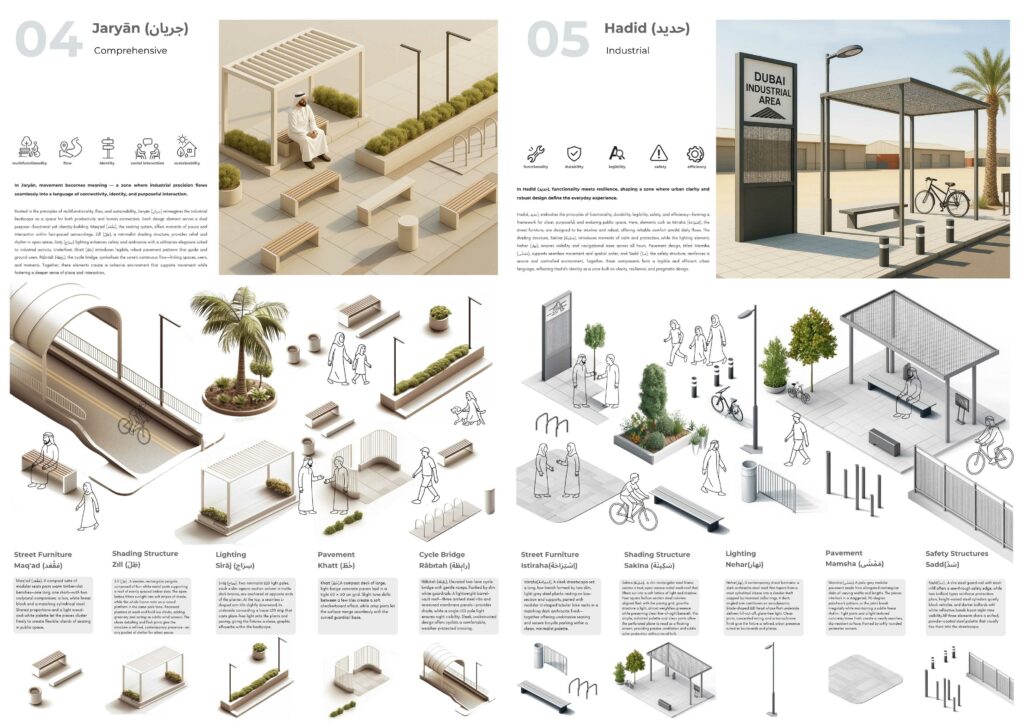
Jaryān, movement becomes meaning — a zone where industrial precision flows seamlessly into a language of connectivity, identity, and purposeful interaction.
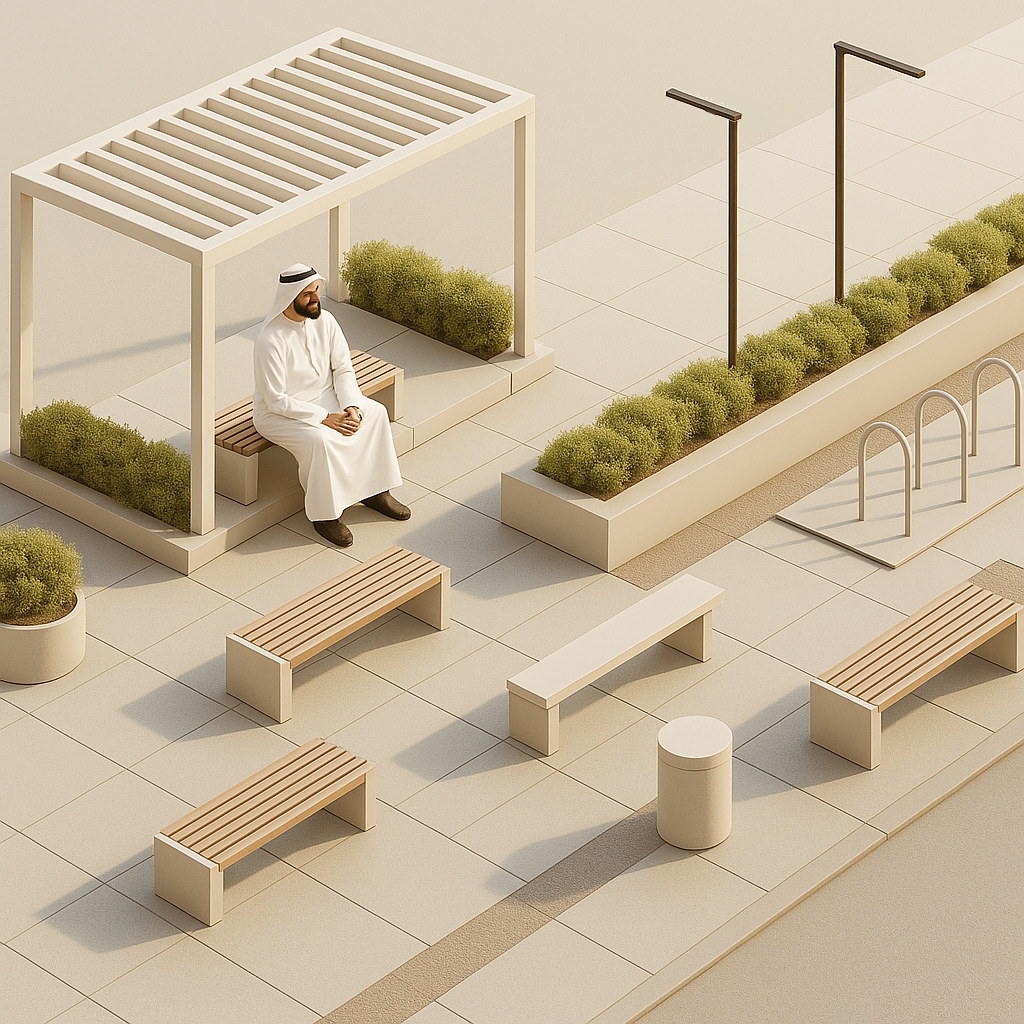
Rooted in the principles of multifunctionality, flow, and sustainability, Jaryān (جريان) reimagines the industrial landscape as a space for both productivity and human connection. Each design element serves a dual purpose—functional yet identity-building. Maq\’ad (مَقْعَد), the seating system, offers moments of pause and interaction within fast-paced surroundings. Zıll (ظِلّ), a minimalist shading structure, provides relief and rhythm in open areas. Sirāj (سِرَاج) lighting enhances safety and ambiance with a utilitarian elegance suited to industrial activity. Underfoot, Khatt (خَطّ) introduces legible, robust pavement patte s that guide and ground users. Râbıtah (رابِطَة), the cycle bridge, symbolizes the zone’s continuous flow—linking spaces, users, and moments. Together, these elements create a cohesive environment that supports movement while fostering a deeper sense of place and interaction.
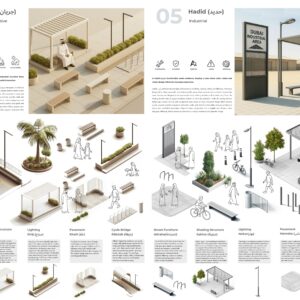
Hadid (حديد), functionality meets resilience, shaping a zone where urban clarity and robust design define the everyday experience.
Hadid, حديد), embodies the principles of functionality, durability, legibility, safety, and efficiency—forming a framework for clear, purposeful, and enduring public space. Here, elements such as Istiraha (اِسْتِرَاحَة), the street furniture, are designed to be intuitive and robust, offering reliable comfort amidst daily flows. The shading structure, Sakīna (سَكِينَة), introduces moments of calm and protection, while the lighting element, Nehar (نهار), ensures visibility and navigational ease across all hours. Pavement design, titled Mamsha (مَمْشَى), supports seamless movement and spatial order, and Sadd (سَدّ), the safety structure, reinforces a secure and controlled environment. Together, these components form a legible and efficient urban language, reflecting Hadid’s identity as a zone built on clarity, resilience, and pragmatic design.
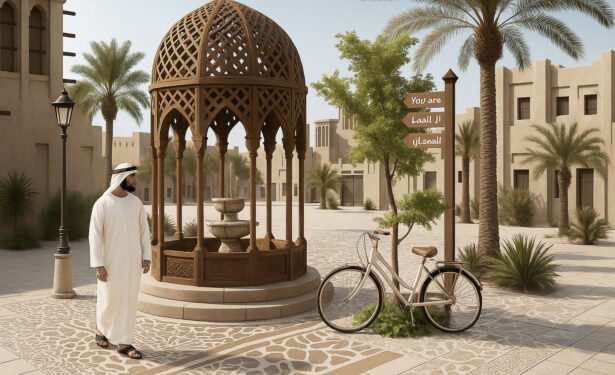
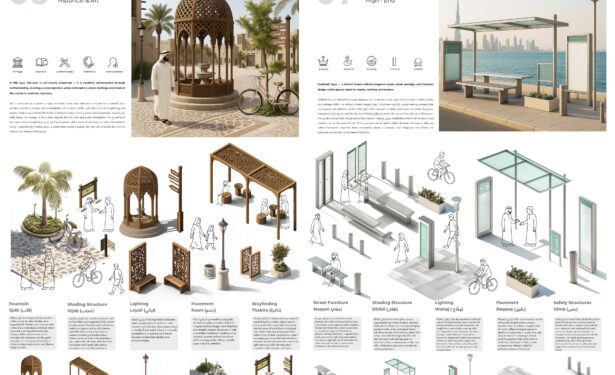
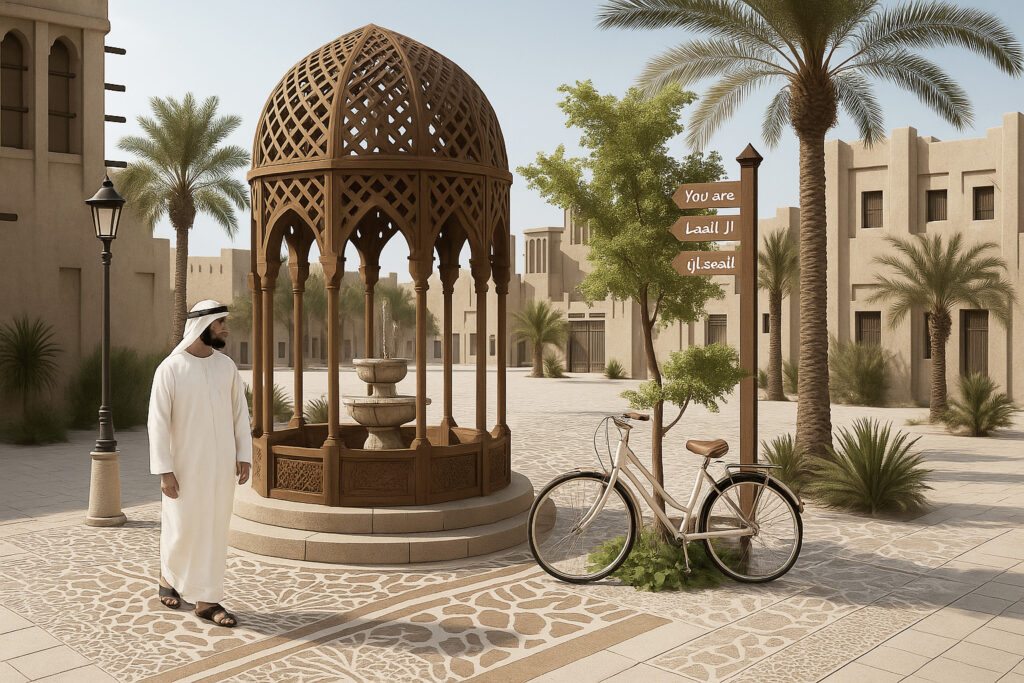
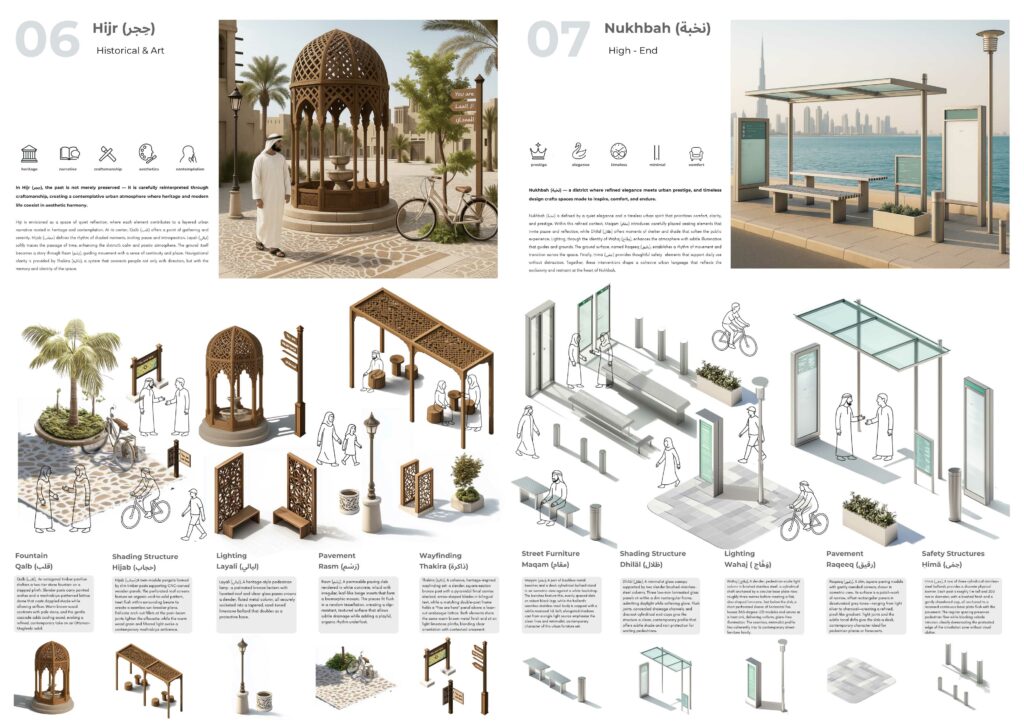
Hijr (حِجر), the past is not merely preserved — it is carefully reinterpreted through craftsmanship, creating a contemplative urban atmosphere where heritage and mode life coexist in aesthetic harmony.
Hijr is envisioned as a space of quiet reflection, where each element contributes to a layered urban narrative rooted in heritage and contemplation. At its center, Qalb (قلب) offers a point of gathering and serenity. Hijab (حجاب) defines the rhythm of shaded moments, inviting pause and introspection. Layali (ليالي) softly traces the passage of time, enhancing the district’s calm and poetic atmosphere. The ground itself becomes a story through Rasm (رَسْم), guiding movement with a sense of continuity and place. Navigational clarity is provided by Thakira (ذاكرة), a system that connects people not only with direction, but with the memory and identity of the space.
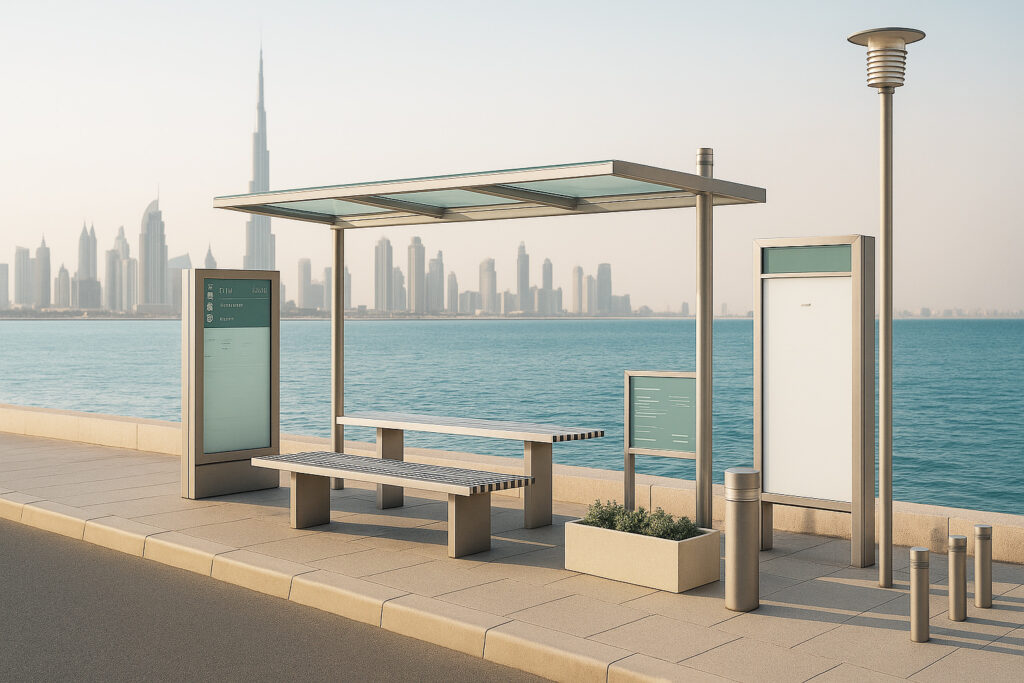
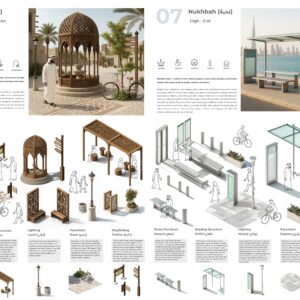
Nukhbah (نخبة) — a district where refined elegance meets urban prestige, and timeless design crafts spaces made to inspire, comfort, and endure.
Nukhbah (نخبة) is defined by a quiet elegance and a timeless urban spirit that prioritizes comfort, clarity, and prestige. Within this refined context, Maqam (مقام) introduces carefully placed seating elements that invite pause and reflection, while Dhilāl (ظلال) offers moments of shelter and shade that soften the public experience. Lighting, through the identity of Wahaj (وَهَّاج), enhances the atmosphere with subtle illumination that guides and grounds. The ground surface, named Raqeeq (رقيق), establishes a rhythm of movement and transition across the space. Finally, Ḥimā (حِمَى) provides thoughtful safety elements that support daily use without distraction. Together, these interventions shape a cohesive urban language that reflects the exclusivity and restraint at the heart of Nukhbah.
Etiketler

İlgili Projeler
-
 Seçki Ödülü, Mimarhane Öğrenci Projeleri Ödüllü Seçkisi 2025
-
Eşdeğer Mansiyon, Alaşehir Kent Merkezi Kentsel Tasarım Projesi Yarışması
-
Satın Alma, Kuşadası Belediyesi Hizmet Binası Mimari Proje Yarışması
-
Katılımcı, Kuşadası Belediyesi Hizmet Binası Mimari Proje Yarışması
-
Katılımcı, Kuşadası Belediyesi Hizmet Binası Mimari Proje Yarışması