











- 12 Eylül 2025
- 8039 defa okundu.
1. Ödül, New Museum of Architecture and Design Competition
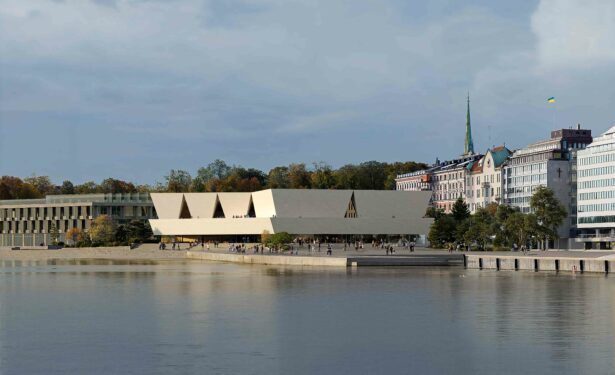
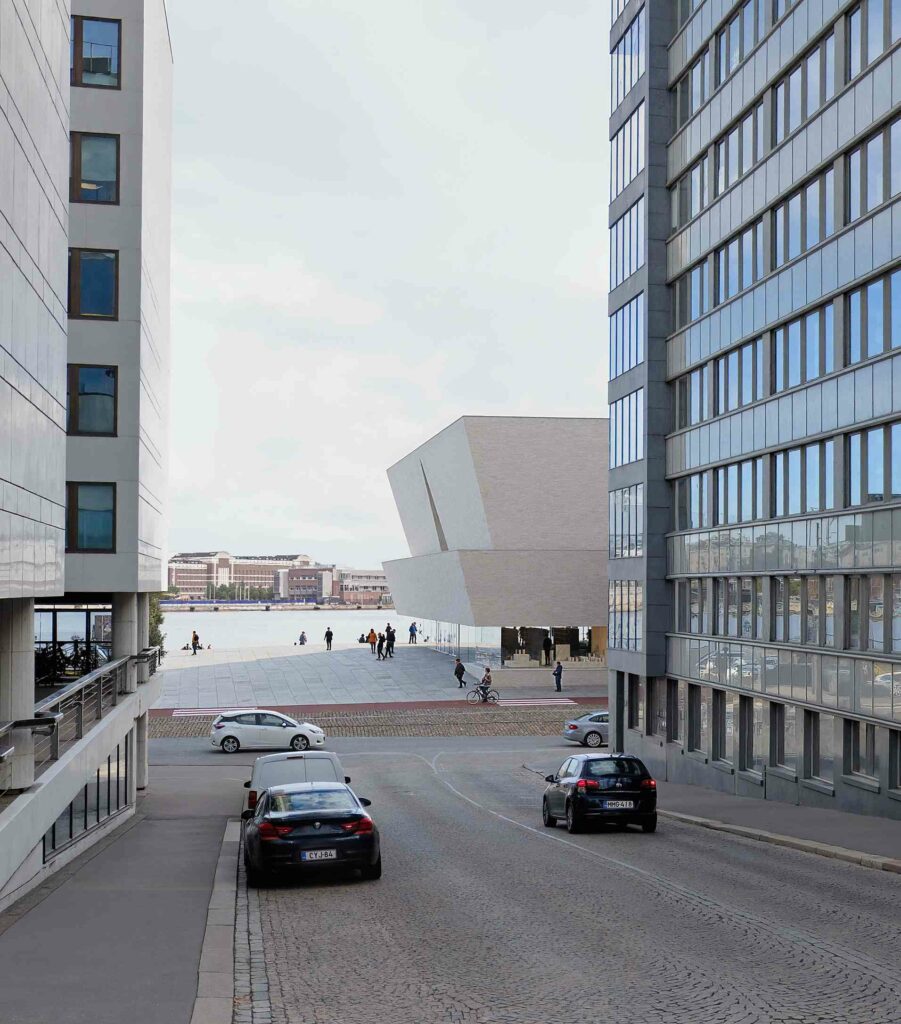
JKMM Architects, Finlandiya'nın Helsinki şehrinde yapılacak olan yeni mimarlık ve tasarım müzesi için açılan yarışmayı Kumma projesiyle kazandı.
JKMM Architects, Finlandiya’nın Helsinki şehrinde yapılacak olan yeni Mimarlık ve Tasarım Müzesi’ni tasarlamak üzere seçildi.
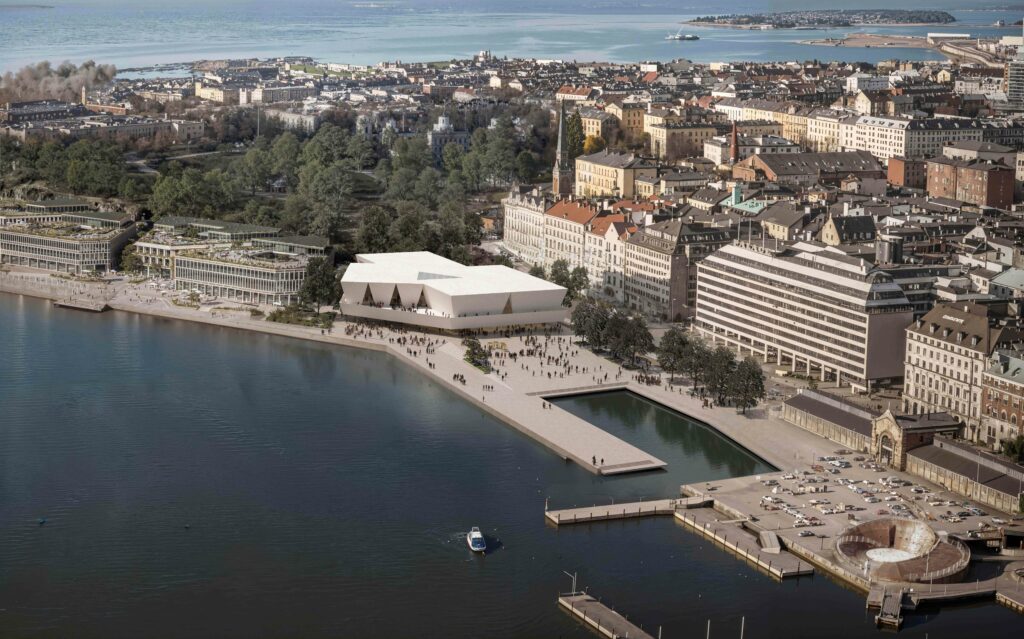
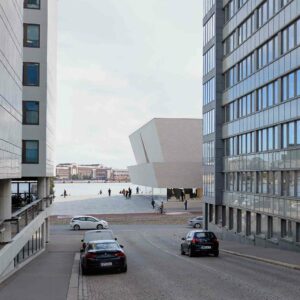
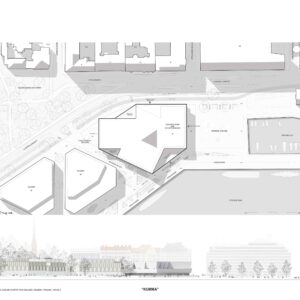
Helsinki’nin tarihi Güney Limanı’ndaki sahil şeridinde yapılması planlanan 10.050 metrekarelik yeni bir müze binasının 2030 yılı sonlarında halka açılmayı hedefliyor.
Finlandiya’nın yeni Mimarlık ve Tasarım Müzesi, “tasarım araçlarını demokratikleştirme” temel misyonuyla 900.000’den fazla eserden oluşan bir koleksiyonu uluslararası bir kültür kurumu bünyesinde bir araya getiriyor.
Proje Ofisinin Tanıtım Metni:
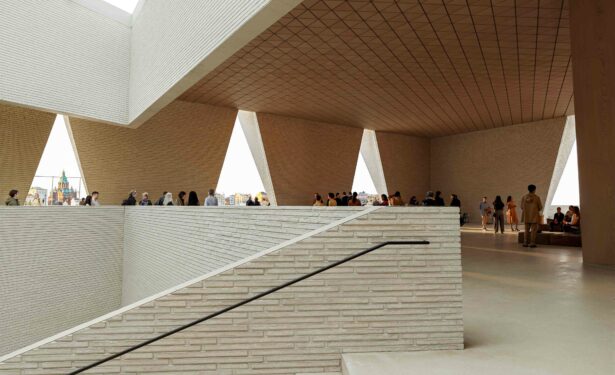
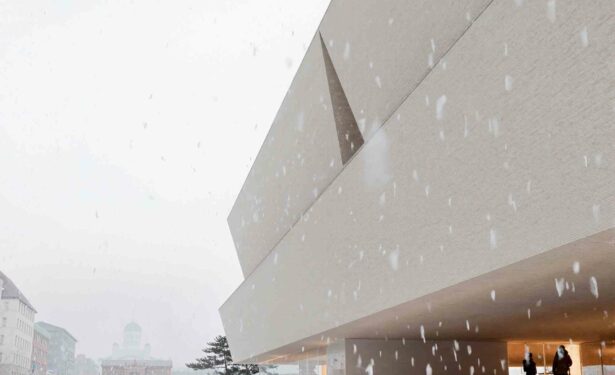
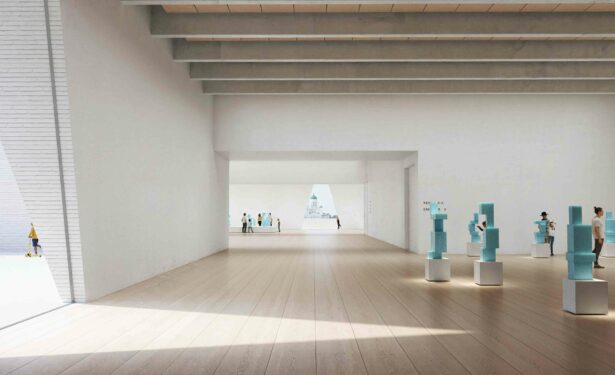
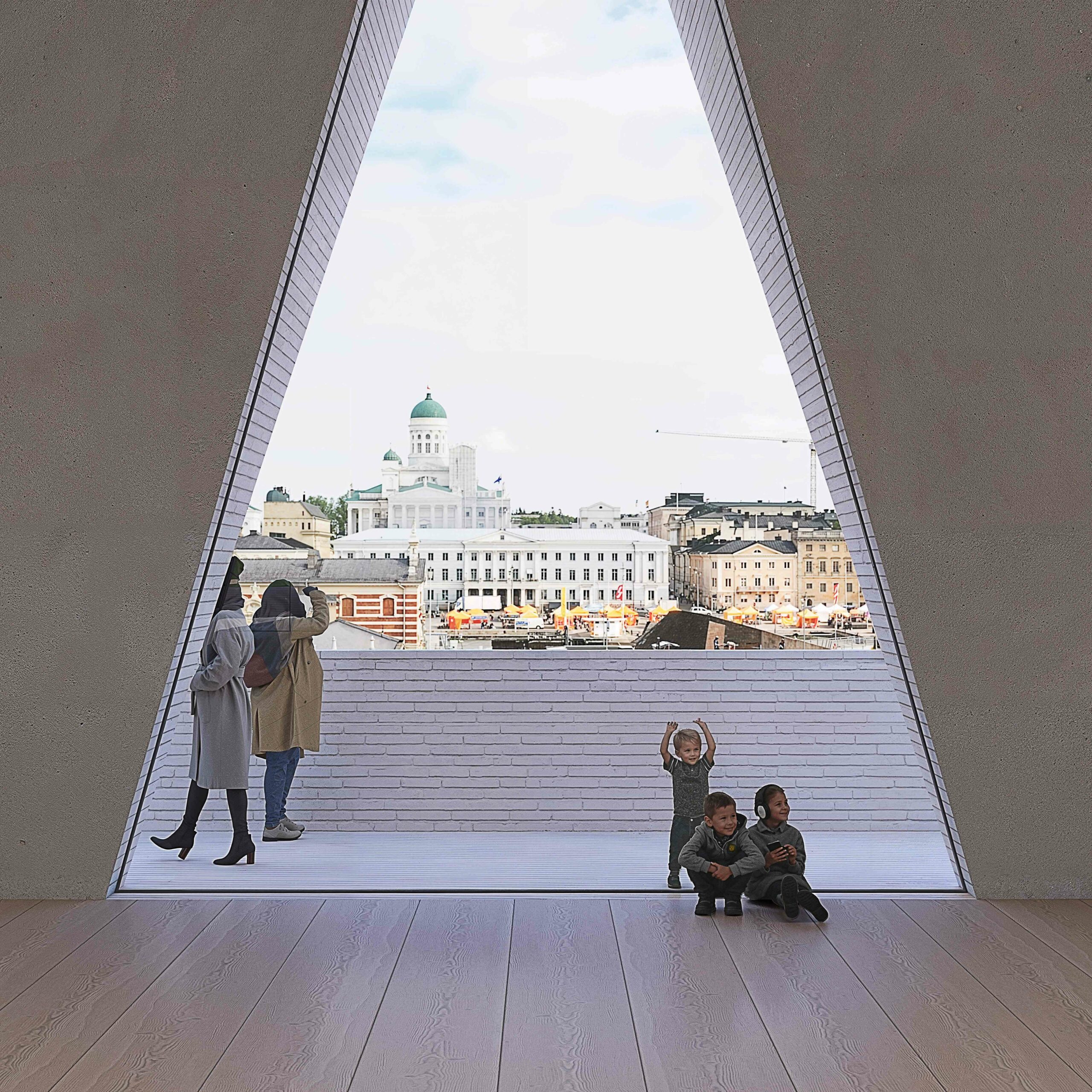
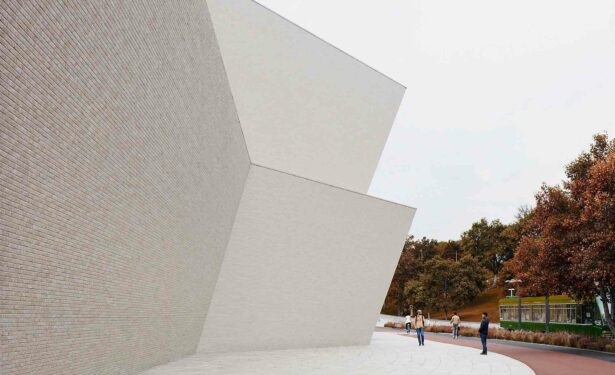
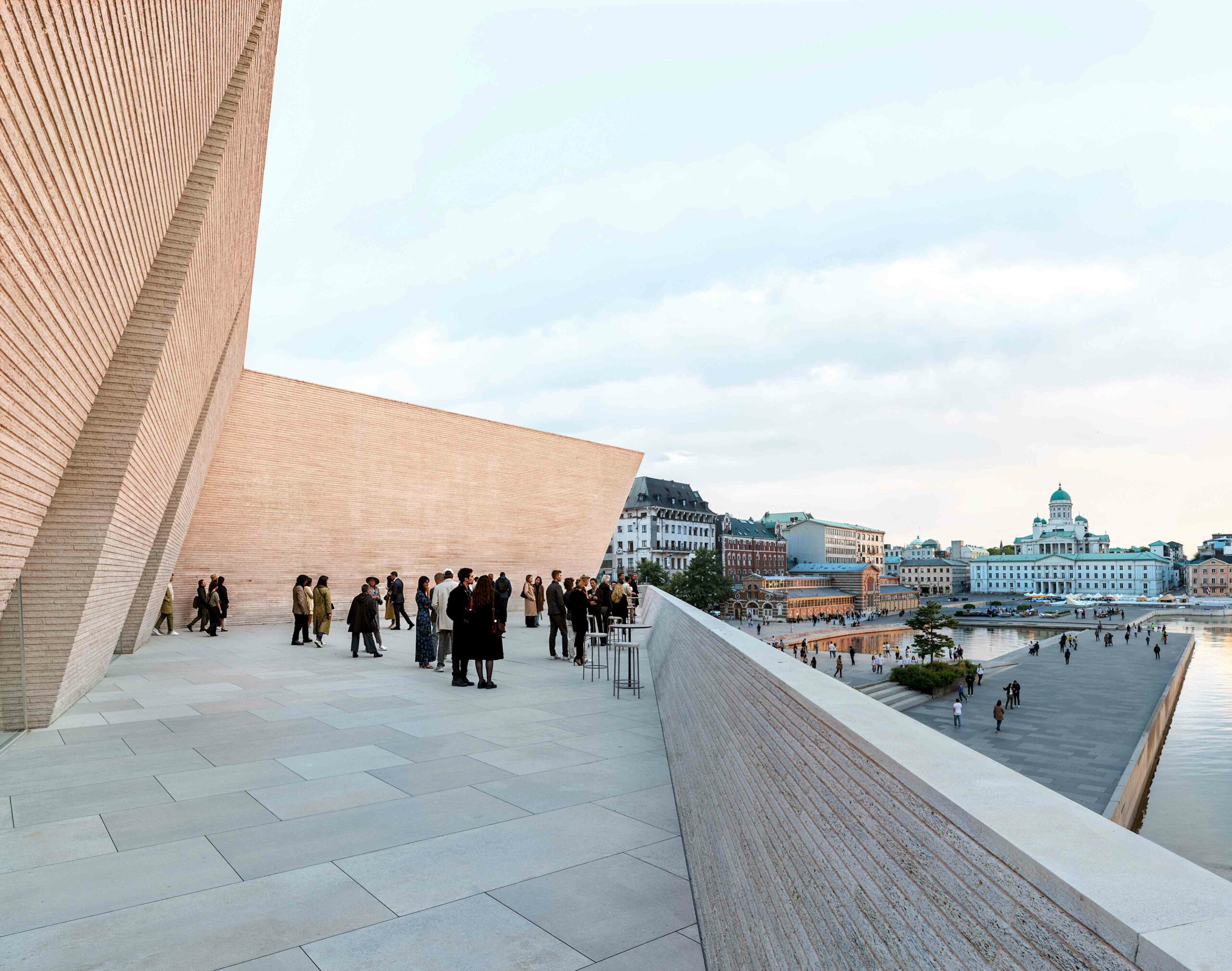
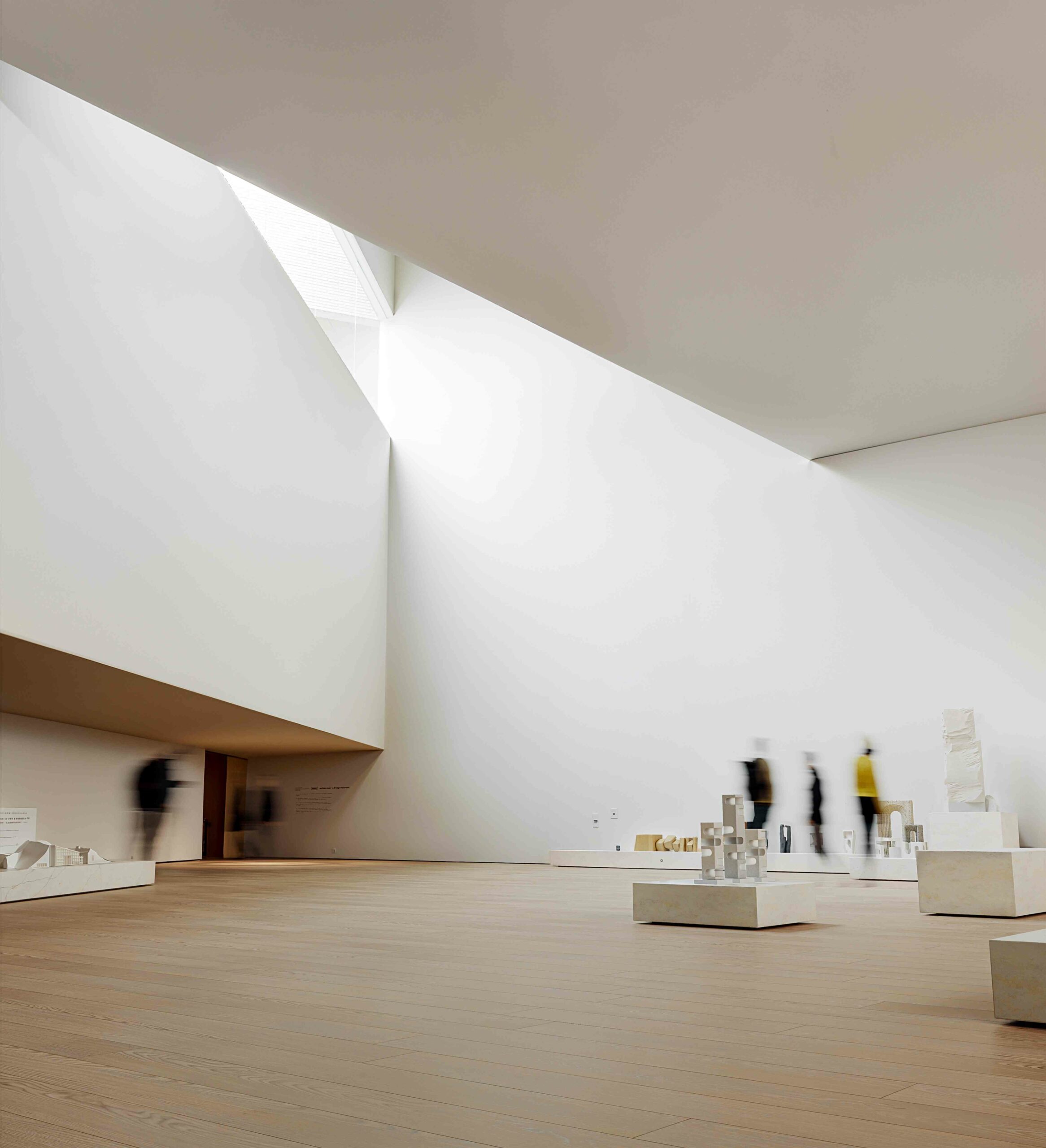
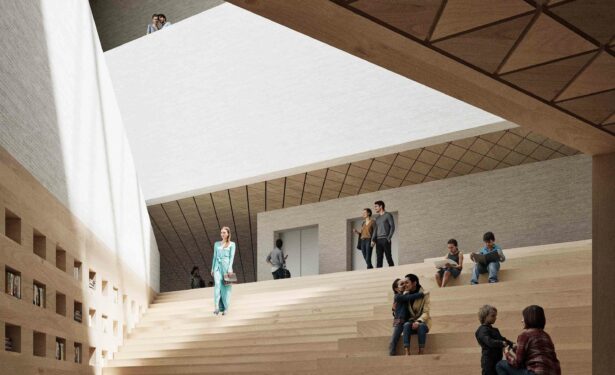
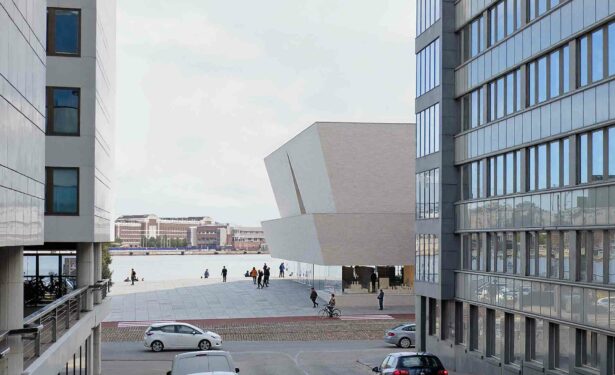
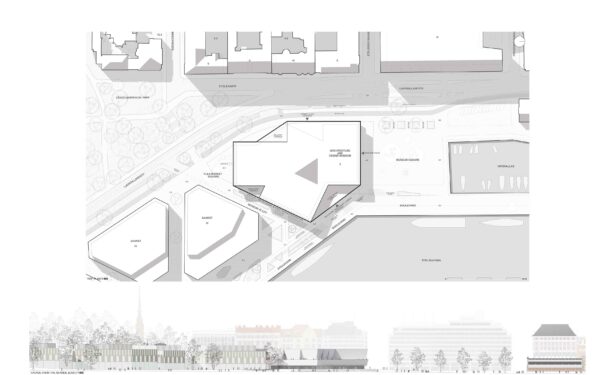
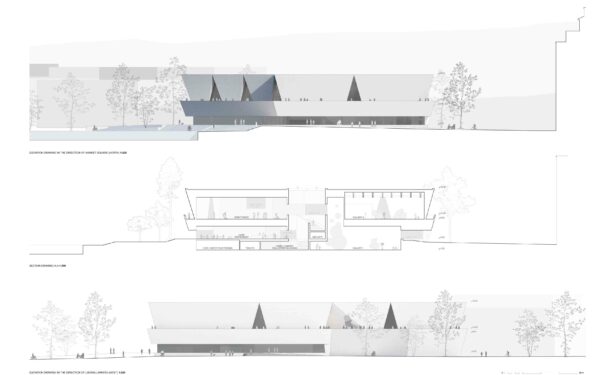
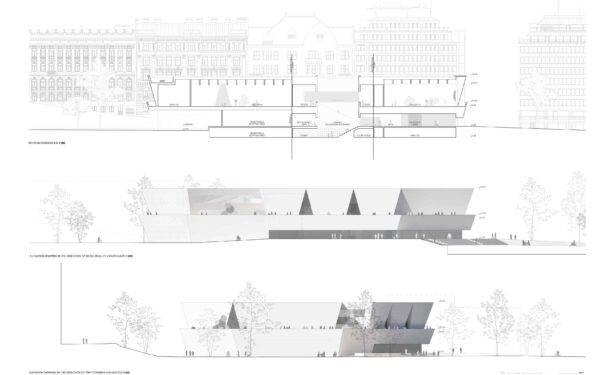
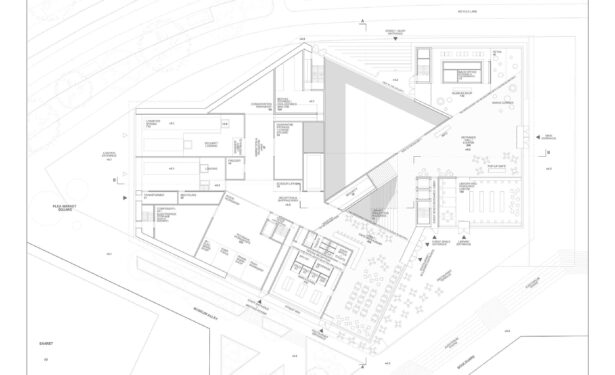
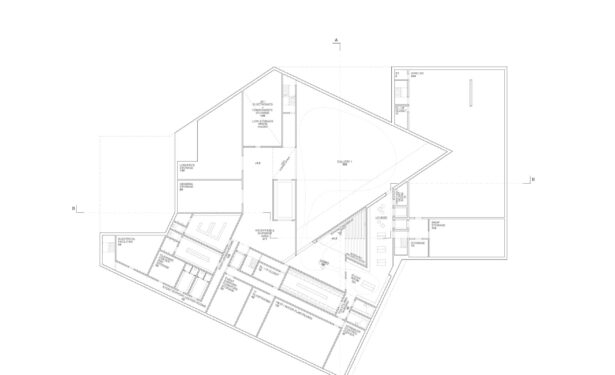
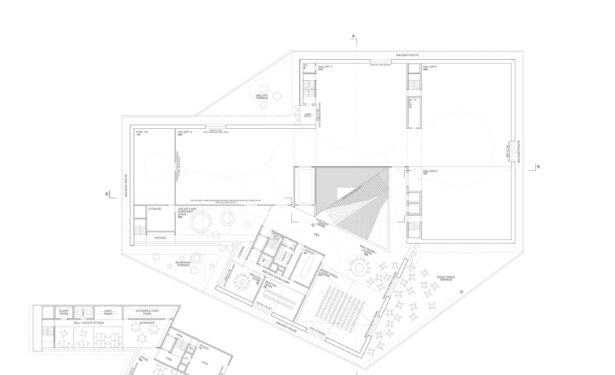
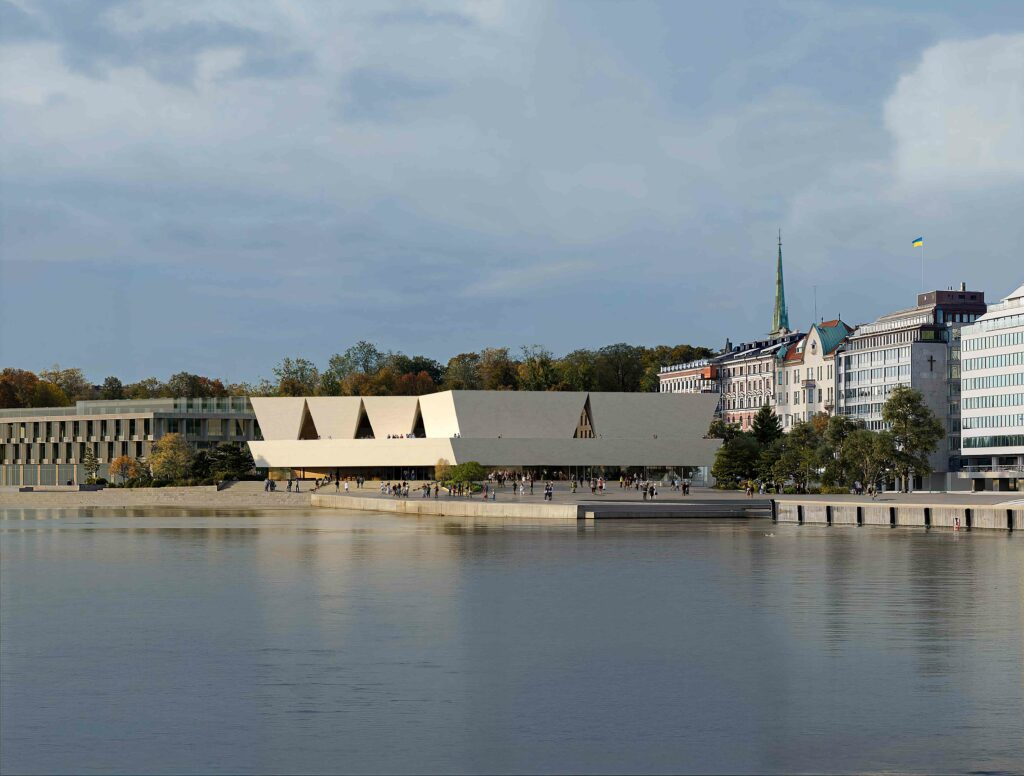
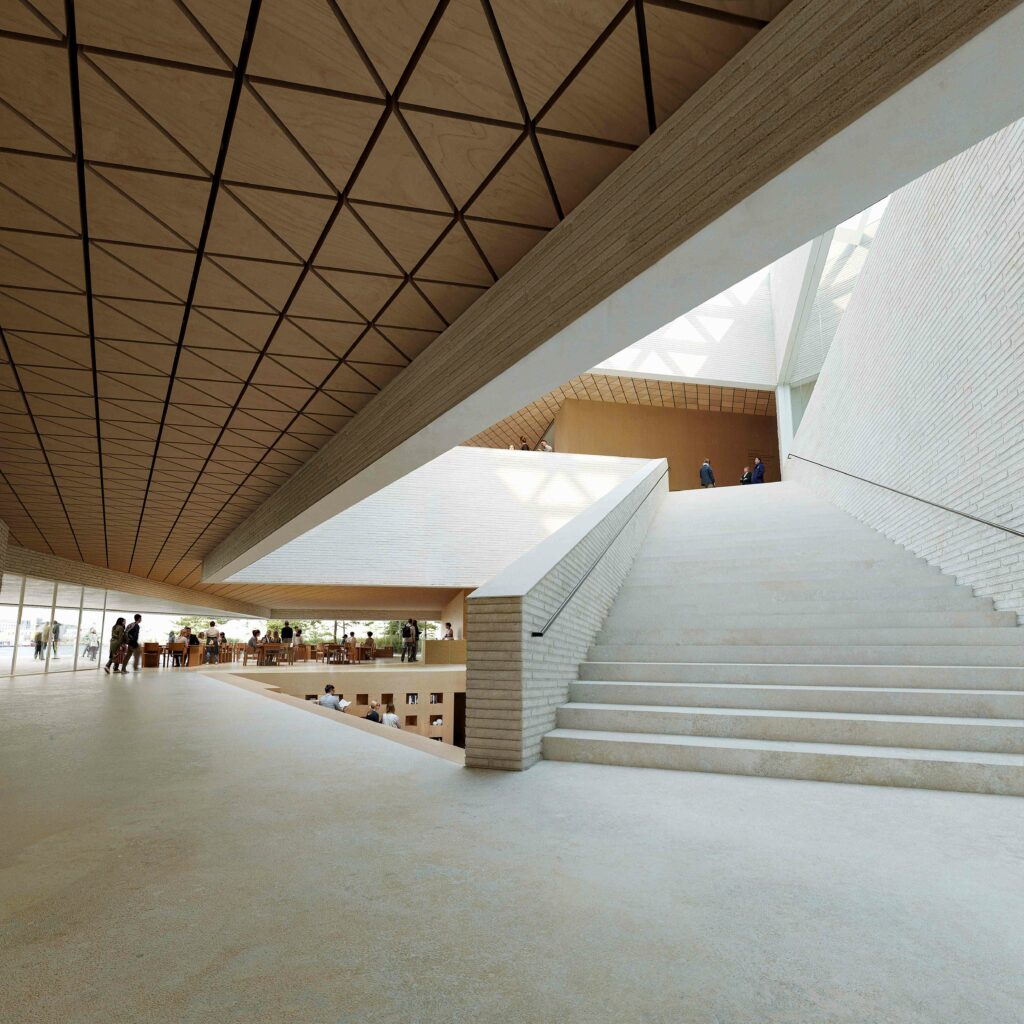
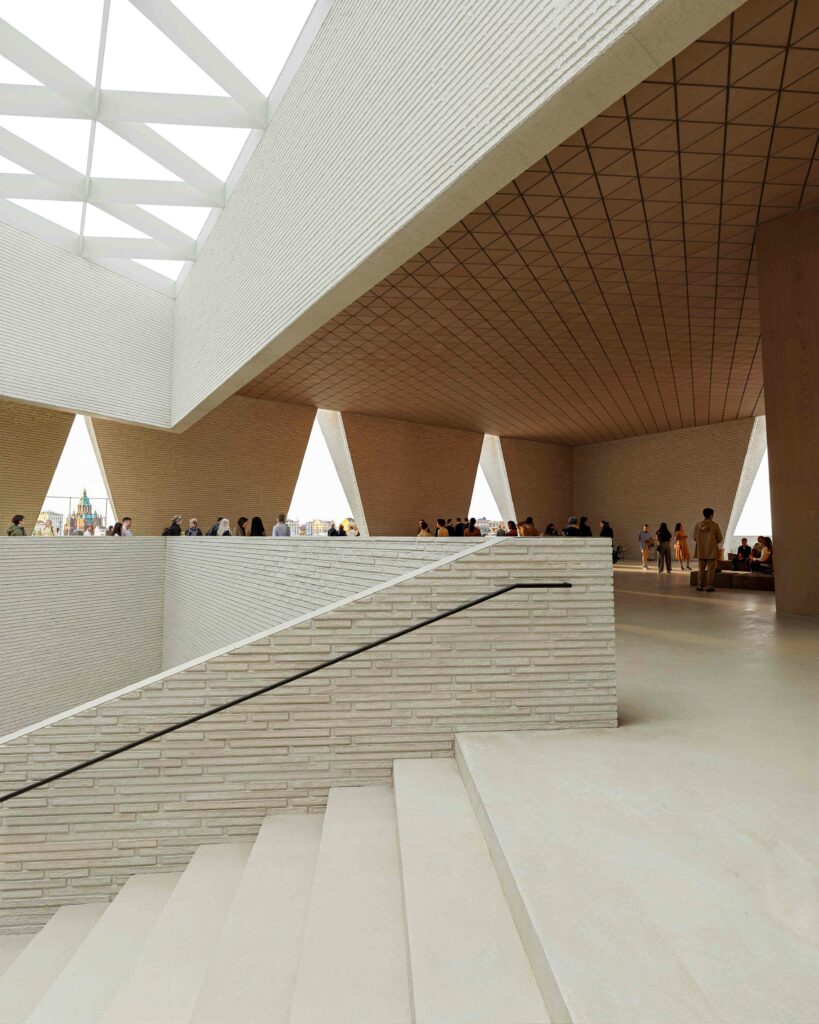
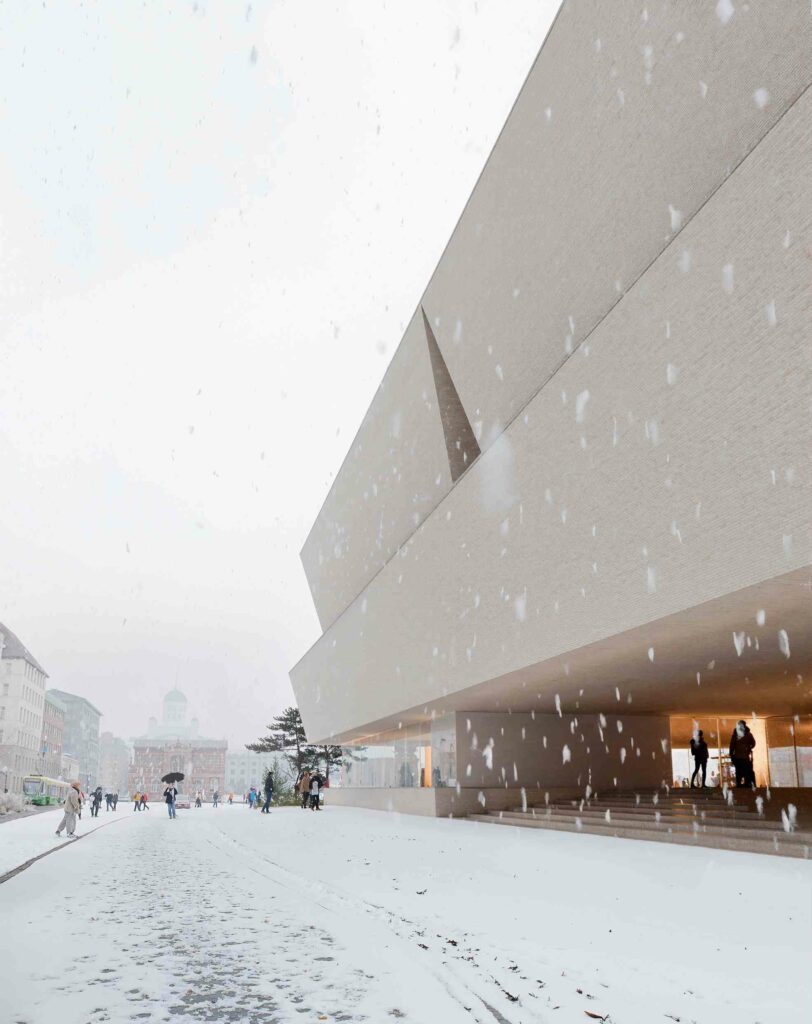
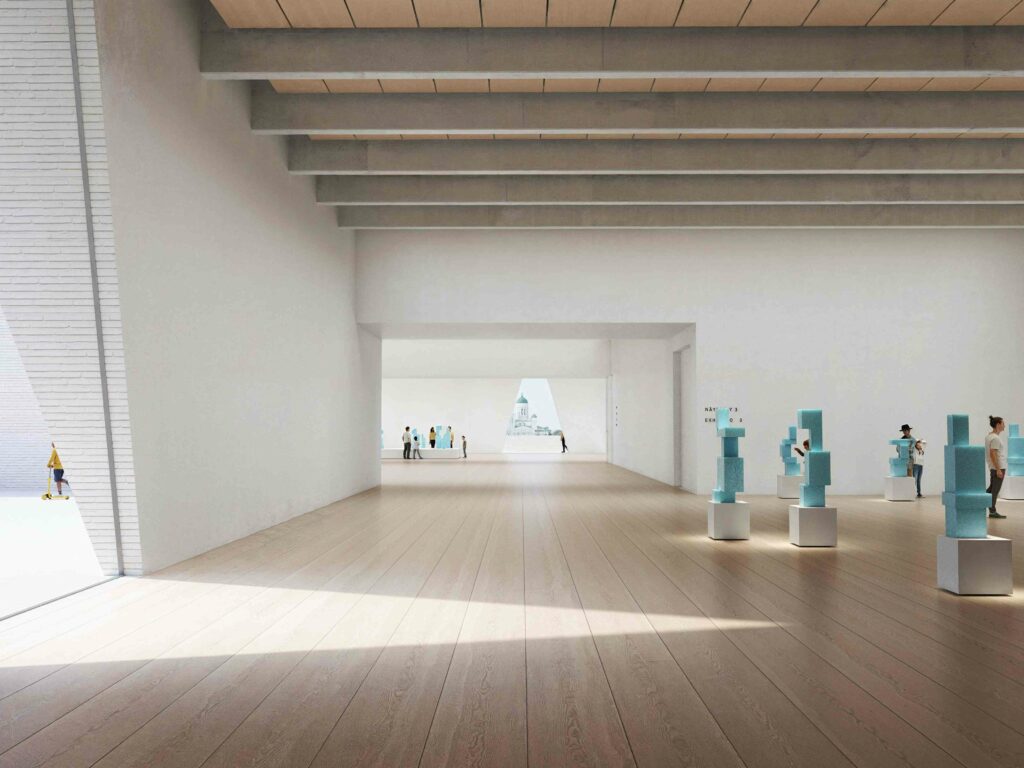
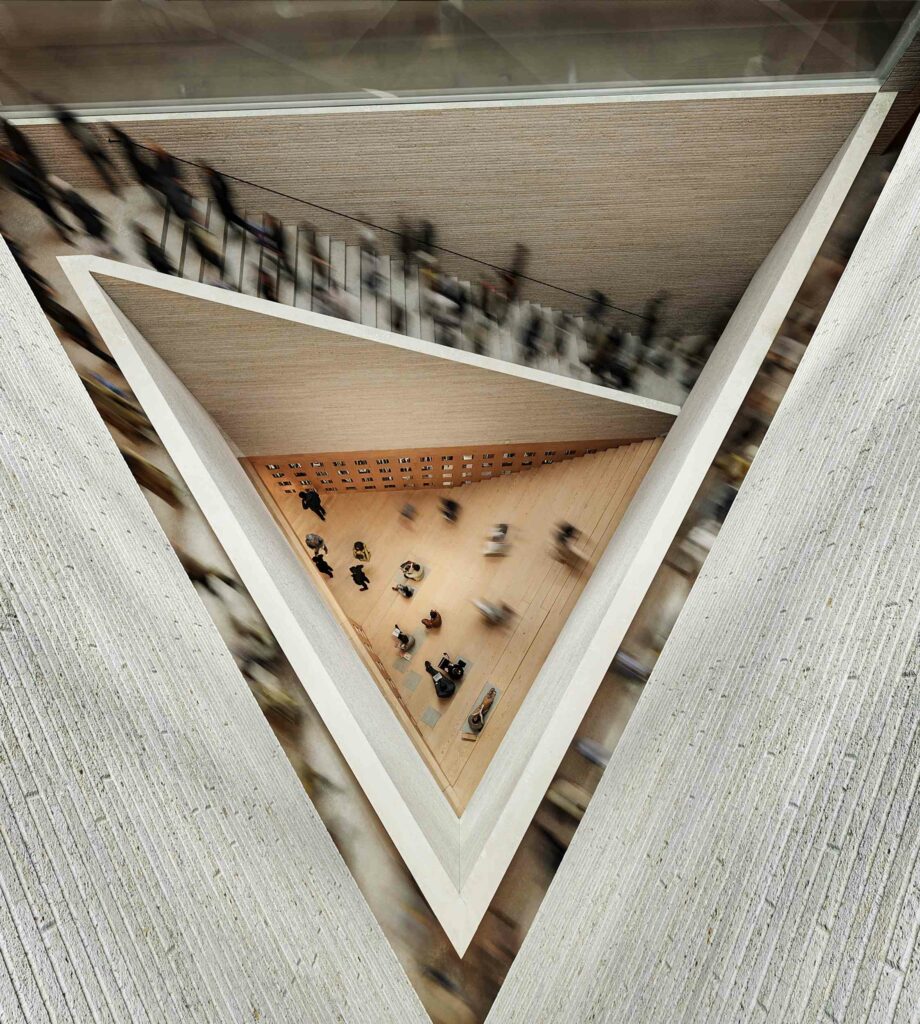
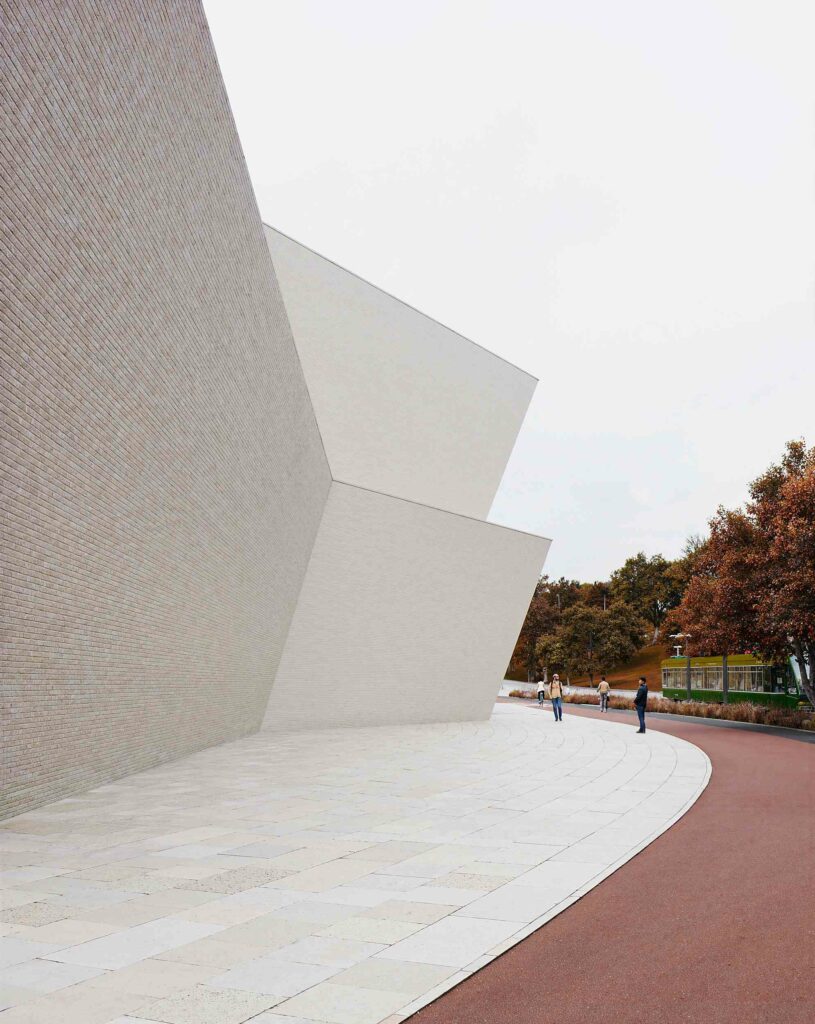
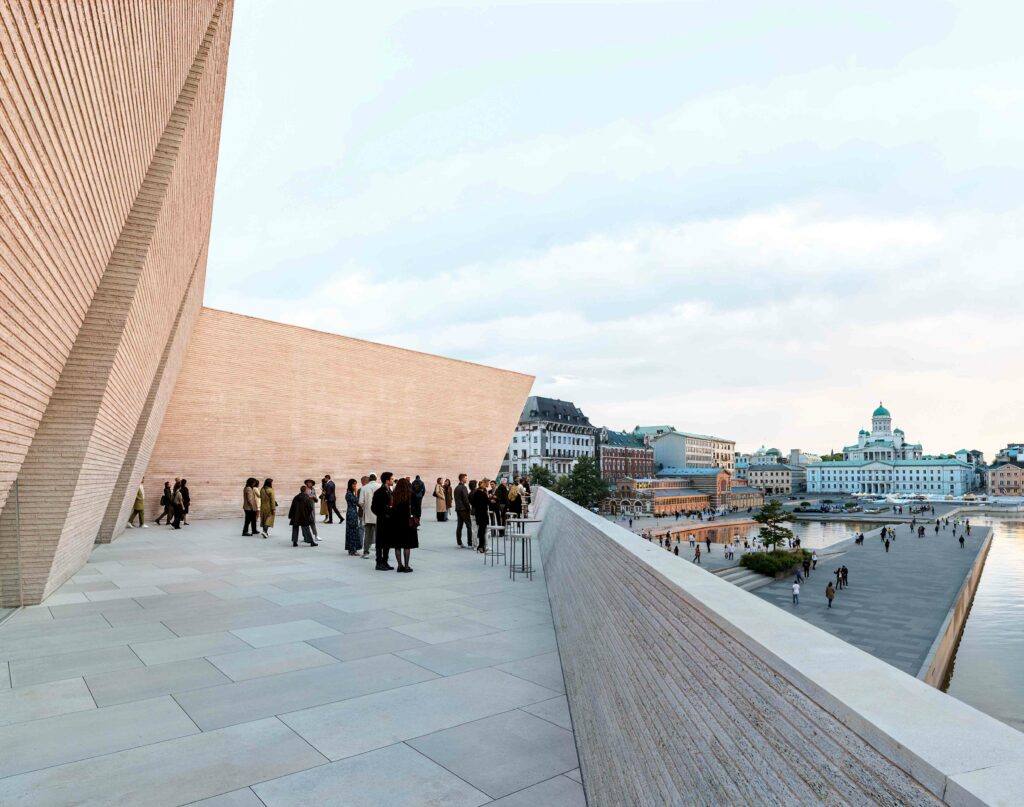
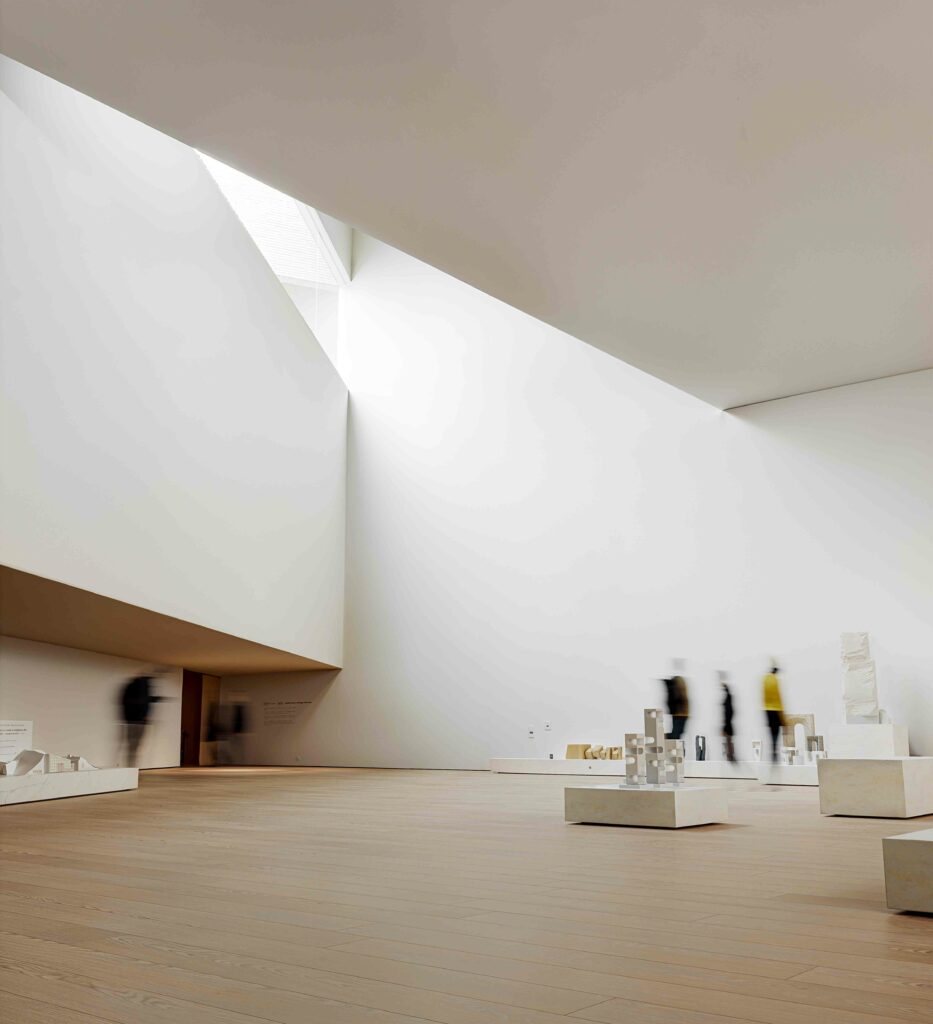
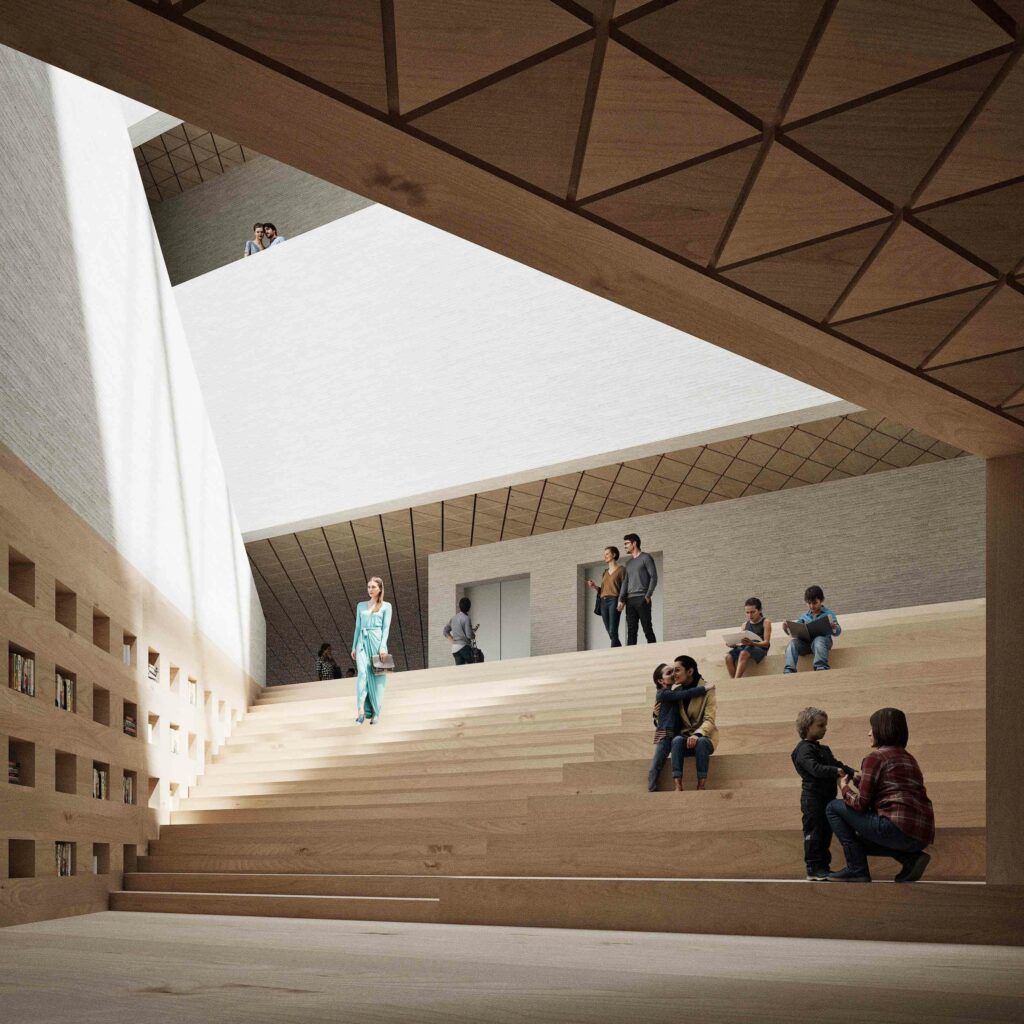
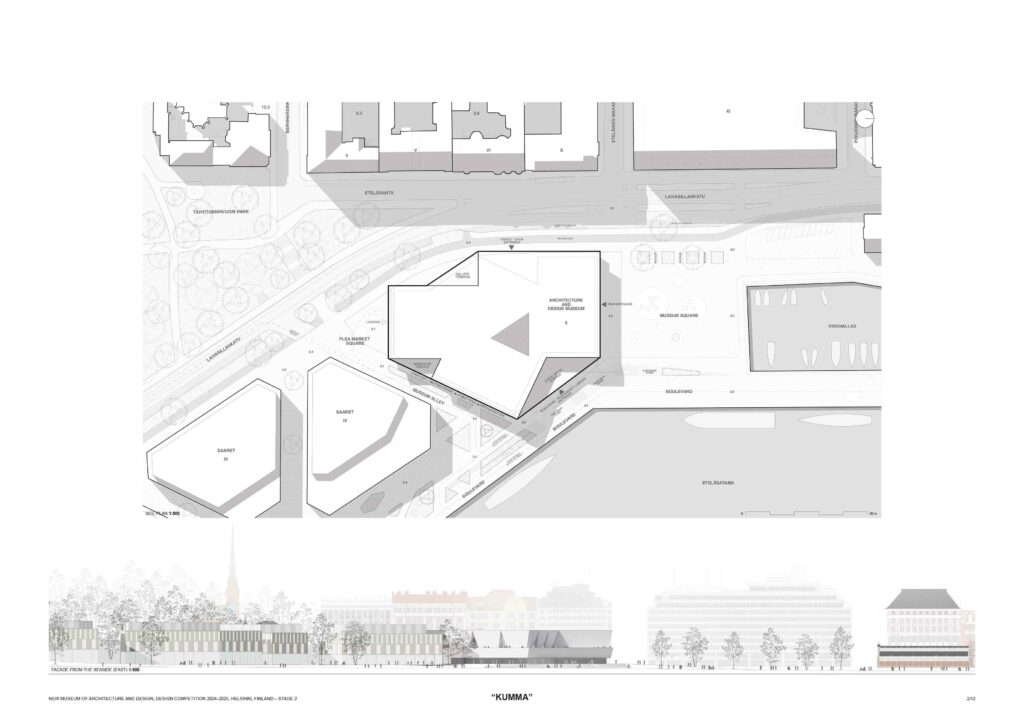
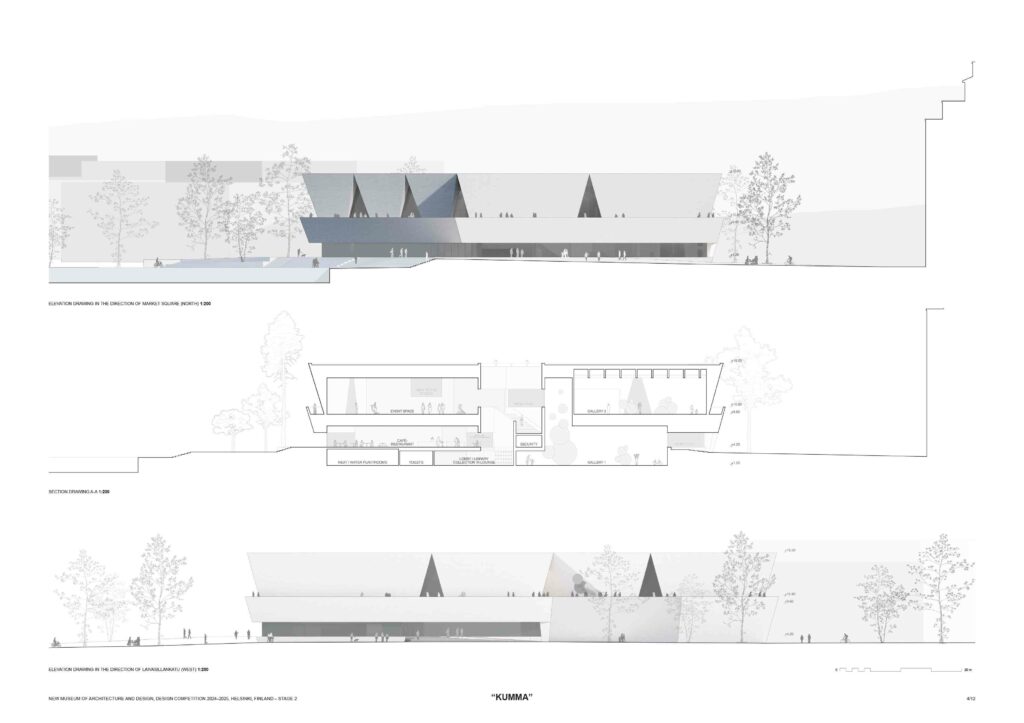
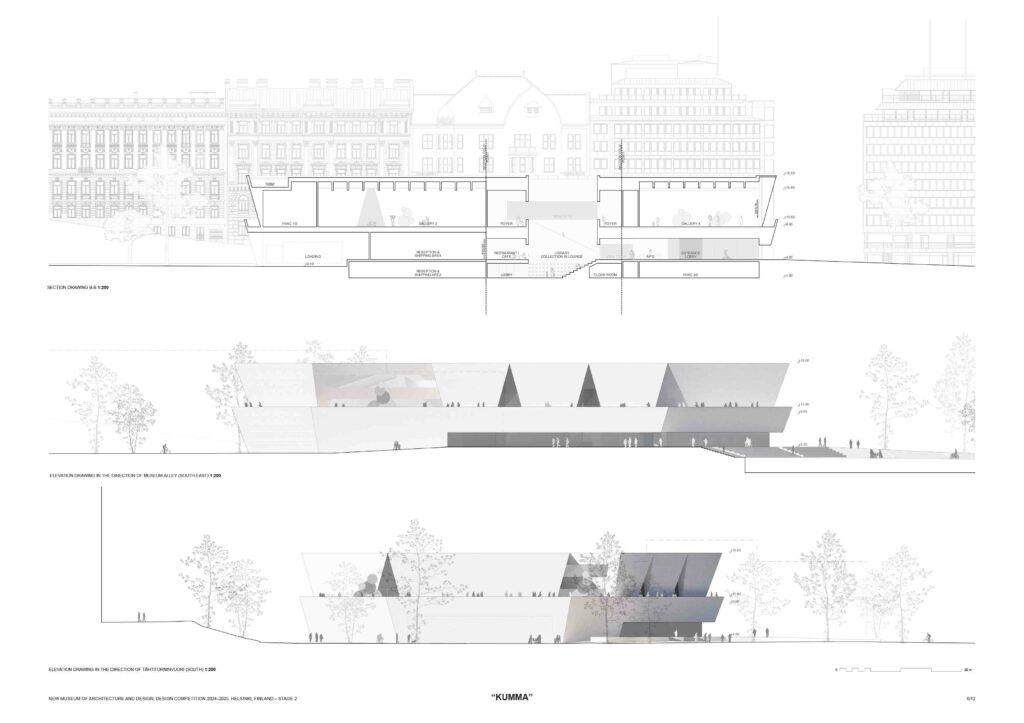
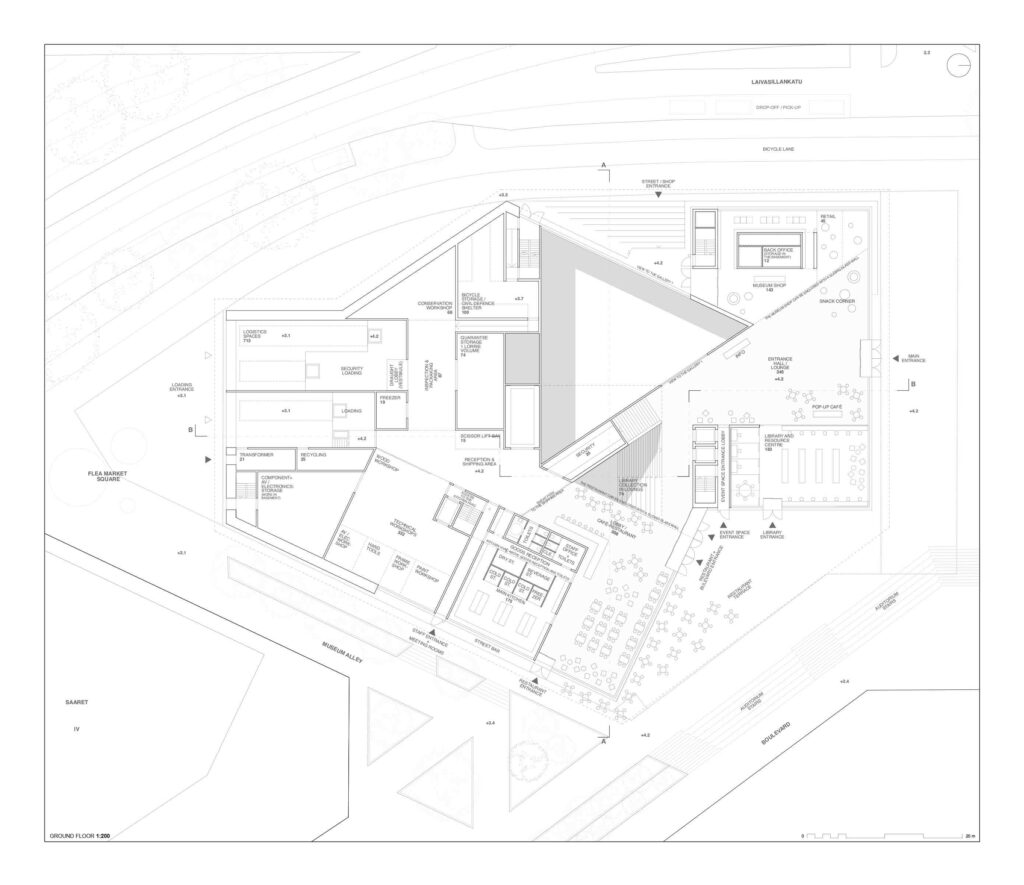
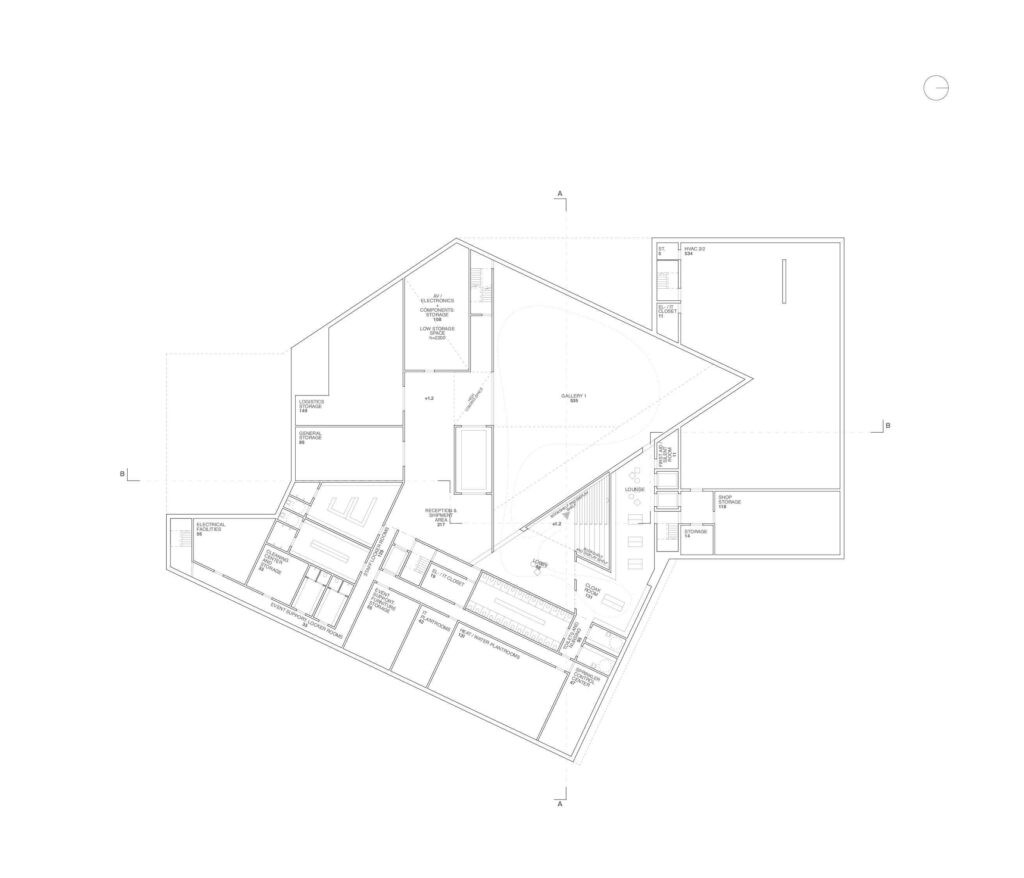
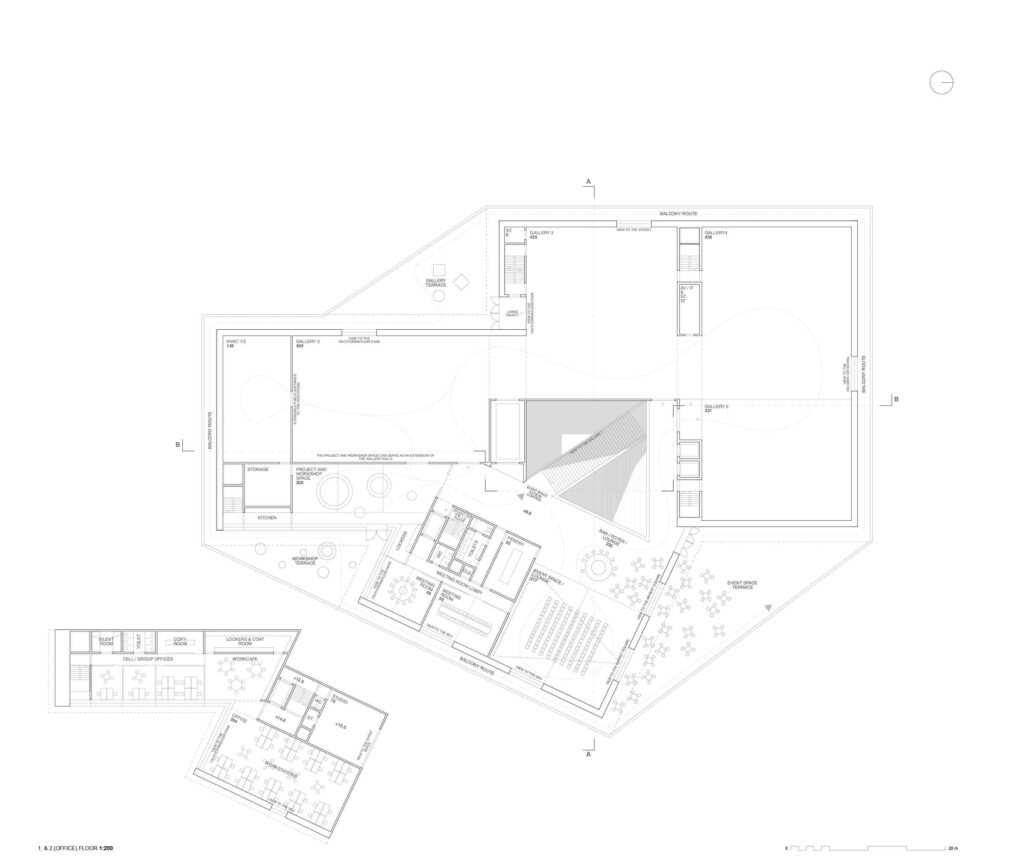
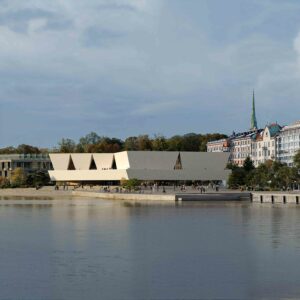
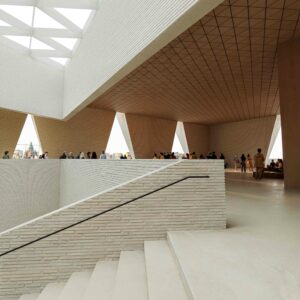
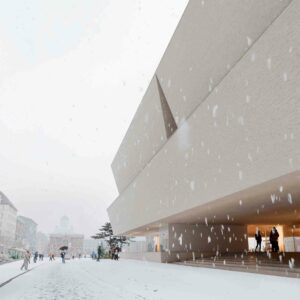
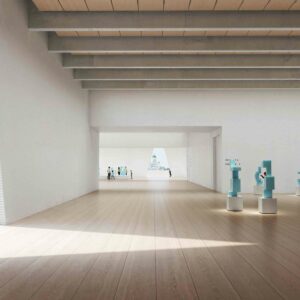
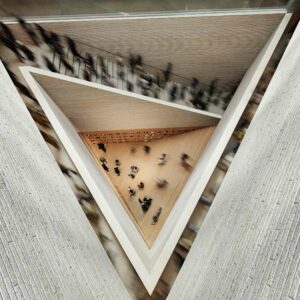
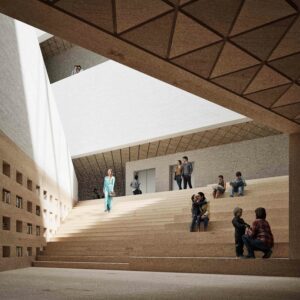
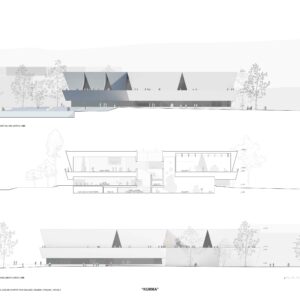
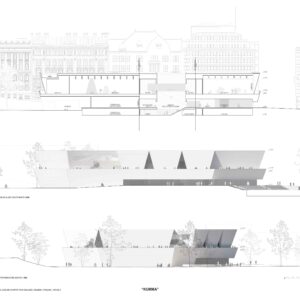
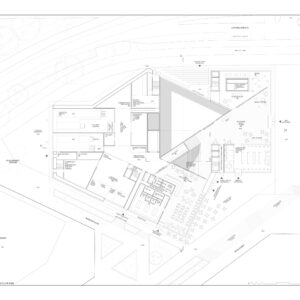
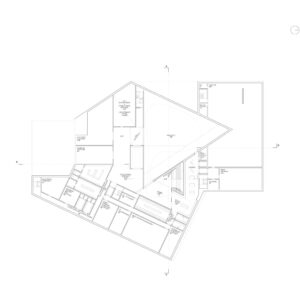
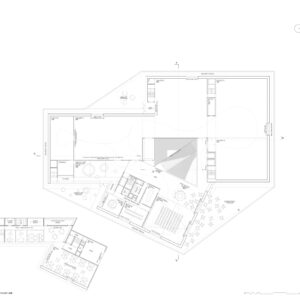
Kumma proposes a low-rise, pavilion-like museum with a triangular base, creating a strong architectural identity that responds respectfully to the surrounding cityscape while standing out as a recognisable landmark. The compact, flat building preserves views from Tähtitorninvuori Park toward Market Square and Katajanokka. Its diagonally stepped walls and triangular façades are echoed in the interior and along the main staircase. The exhibition floor opens onto a large terrace overlooking the sea, which continues as an outdoor gallery and balcony wrapping around the building.
In Stage 1, the building initially appeared closed and heavy. The façades lacked the desired degree of openness, sea views were limited, and the lobby received insufficient daylight. Circulation was fragmented, and the concept was further compromised by technical challenges related to skylights, basement spaces, and structural solutions.
In Stage 2, the plan has improved significantly. New terraces, balconies, and recycled brick façades have softened the museum’s appearance and strengthened its connection to the city. Exhibition circulation is now more intuitive, and new openings provide inviting views of the surroundings. Nevertheless, sharp corners, the monumental staircase, and the triangular geometry continue to raise concerns regarding usability and accessibility. The building’s low carbon footprint relies in part on the use of recycled materials and low-carbon products. With further refinement of technical solutions during spatial and functional design development – and once the feasibility of the proposed sustainability measures is confirmed – Kumma demonstrates strong potential to become a distinctive and memorable museum.
Etiketler

İlgili Projeler
-
 Satın Alma, Kuşadası Belediyesi Hizmet Binası Mimari Proje Yarışması
-
Seçki Ödülü, Mimarhane Öğrenci Projeleri Ödüllü Seçkisi 2025
-
Eşdeğer Mansiyon, Alaşehir Kent Merkezi Kentsel Tasarım Projesi Yarışması
-
Satın Alma, Kuşadası Belediyesi Hizmet Binası Mimari Proje Yarışması
-
Katılımcı, Kuşadası Belediyesi Hizmet Binası Mimari Proje Yarışması