- 30 Mart 2026
- 4728 defa okundu.
International Competition National Slavery Museum
Gemeente Amsterdam tarafından düzenlenen "International Competition National Slavery Museum" başlıklı yarışma için 7 Nisan 2026 tarihine kadar başvuru yapılabiliyor.
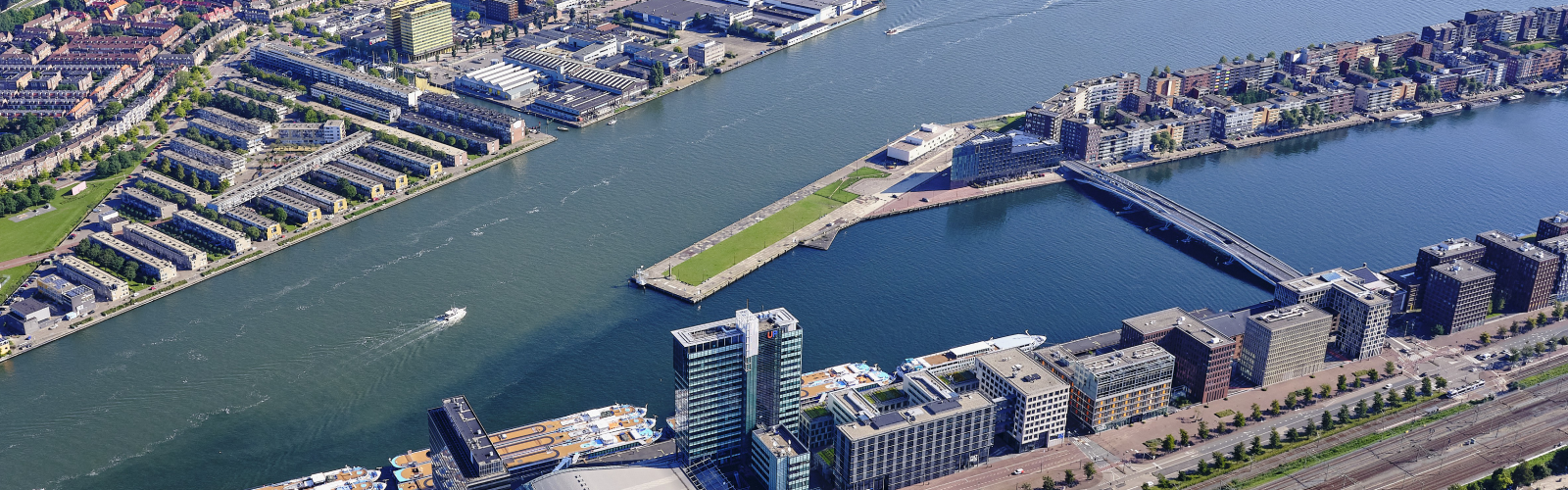
The City of Amsterdam is working with the National Slavery Museum Foundation on the establishment of a National Slavery Museum in Amsterdam. This will give lasting expression to the recognition of the Dutch history of slavery.
The museum will be a meaningful place for reflection, education and connection. A place that does justice to our shared past and offers prospects for future generations. With the history of transatlantic slavery as its central point of reference, the museum will also address other histories of slavery, such as those of the Indian Ocean region. The National Slavery Museum will tell stories of resistance, resilience and connection.
The establishment of the National Slavery Museum has been made possible by the Ministry of Education, Culture and Science (OCW).
What does the museum seek to achieve?
The National Slavery Museum will tell the whole story. It is a story of hope and strength, but also of pain and trauma. Participation will give the stories of individuals a place in the museum and break the silence. Through these personal stories, the museum will soften hardened attitudes. Thanks to these stories, the museum will be able to tell the whole story: a story with many perspectives, constantly evolving, and spanning almost the entire world. It will be a story about Dutch history, and one that invites us to question that history. What do we know about the world before the Dutch history of slavery, and before a white gaze shaped how that world was seen? How did the Netherlands become what it is today? How does this history continue to affect societies within our Kingdom today, and in countries such as Suriname, Indonesia and South Africa? And how are all these stories connected?
By engaging with these and other questions, a deeper understanding of our shared history can emerge. In this way, the museum will contribute to a more equitable society.
Mission
We see the museum’s role as offering an in-depth understanding of the Dutch history of slavery. By telling a shared story from diverse perspectives, the museum can shed light not only on the full history of slavery, but also on life before and after it, with particular attention to perspectives that have been neglected in traditional narratives. By integrating diverse perspectives, such as the strength, identity and resistance of the people affected, the museum can present this history with honesty and balance.
The museum will thus contribute to an informed society that recognises the complexity of the history of slavery.
Vision
By highlighting diverse perspectives and telling the whole story, the museum will be able to inform and inspire its visitors, and prompt them to take action. Telling the whole story means presenting a narrative journey that shows not only the scale of the history of slavery and our connection to it – from the Atlantic Ocean to the Indian Ocean region and the Indonesian Archipelago – but also sheds light on how this history continues to shape the present, in people’s lives and in the societies of the European Netherlands and its former colonies.
We believe the museum will be able to contribute to a more equitable society, enriched by knowledge, understanding, awareness, connection and empathy within and between communities.
Timeline
Phase 1: Suitability (February -June 2026)
12 February 2026 – Start of the competition: Design teams may register from this date.
7 April 2026 – Competition deadline: Design teams may register until 12:00 CET.
June 2026 – Announcement of the results: Longlist of 10 design teams that will progress to phase 2.
Phase 2: Vision document(Status: Huidig)
Phase 3: Design
The Jury
The jury will assess the submissions in phases 1, 2 and 3. In phase 3, the jury will be advised by experts and by the public.
• Francesco Veenstra -Chief Government Architect
• John Leerdam
• Janna Bystrykh
• Noraly Beyer
• Jennifer Tosch
• Erik van Ginkel
• Richard Kofi
• Arna Mačkić
• Carlos Gonçalves
• Yvonne van Genugten
• Winy Maas
Questions about the competition
Questions submitted before 2 March 2026, 12:00 CET, have been answered in the Note of Information. This note was published on 9 March 2026.
Etiketler