
- 4 May 2025
- 10540 defa okundu.
Pako Street Animals Social Life Campus
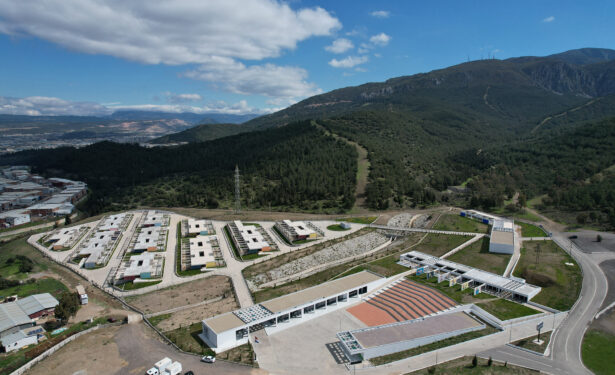
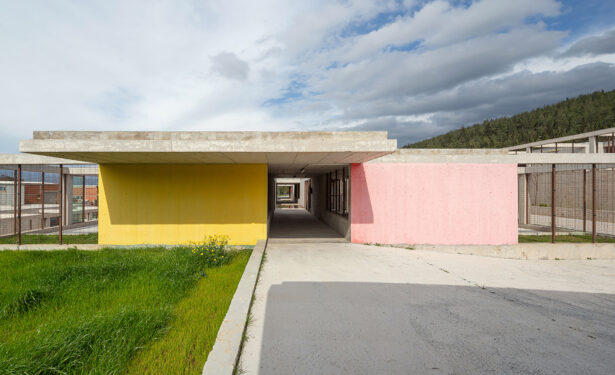
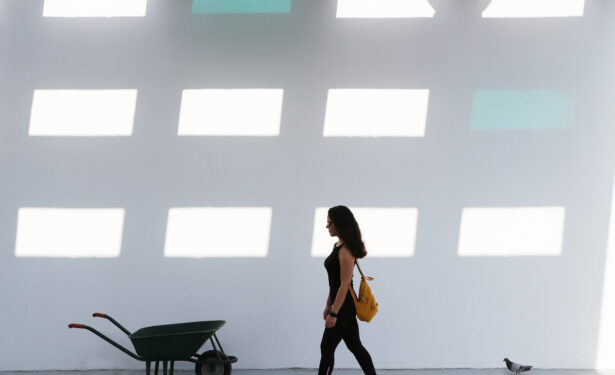
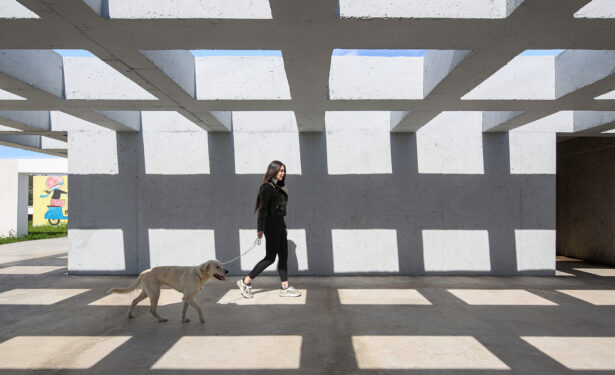
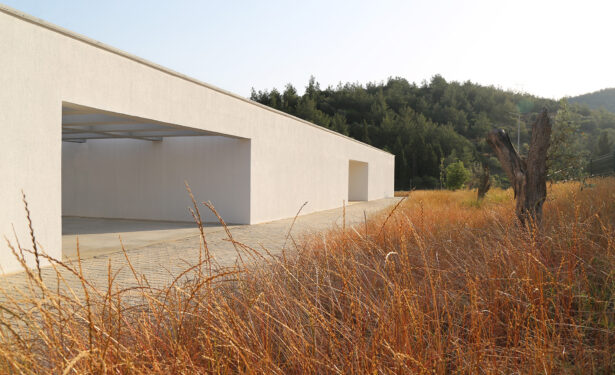
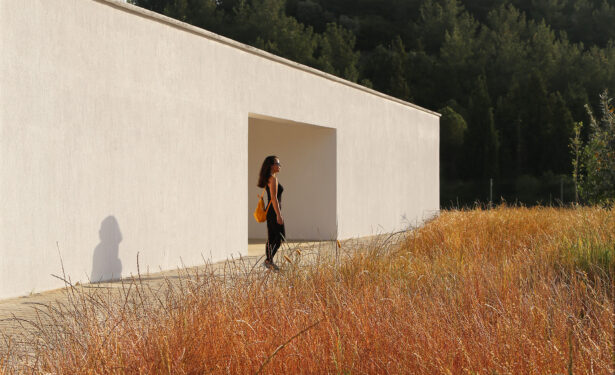
Pako Street Animals Social Life Campus in Izmir was designed by Mert Uslu Architecture.
Gökdere Dog Rehabilitation and Adoption Center
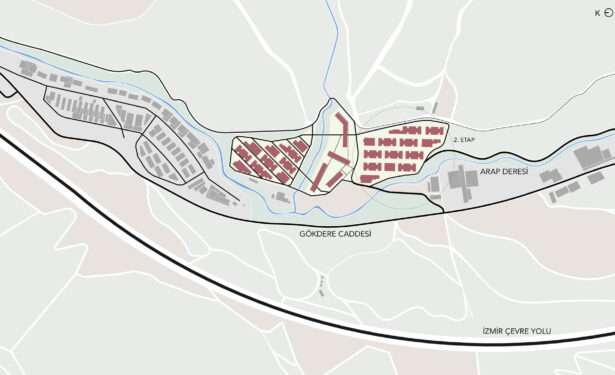
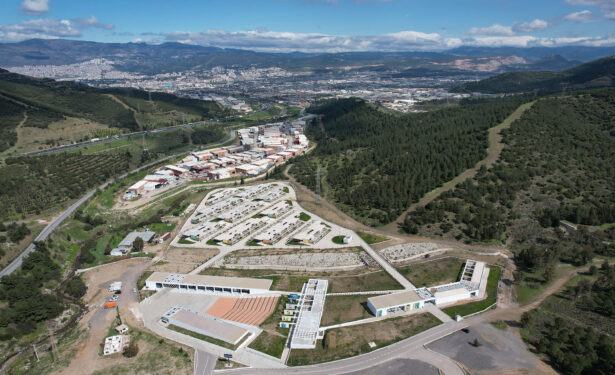
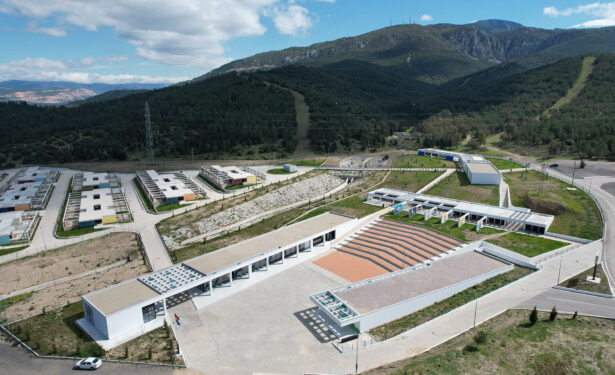
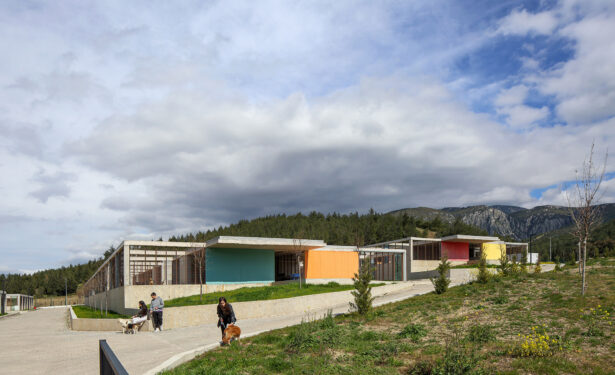
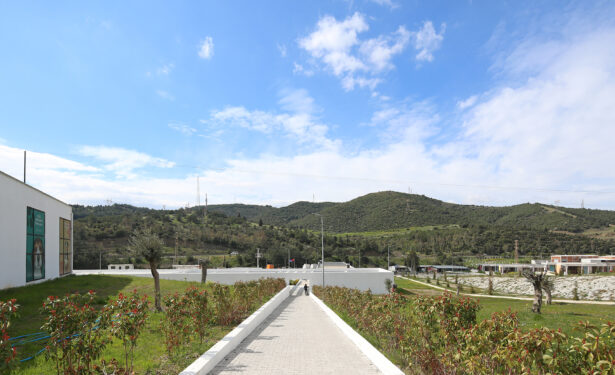
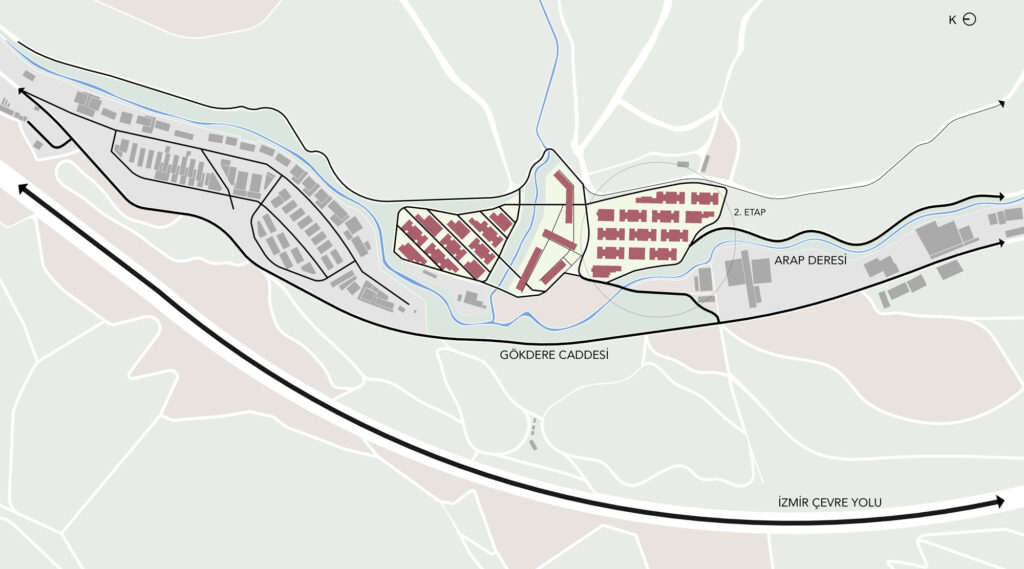
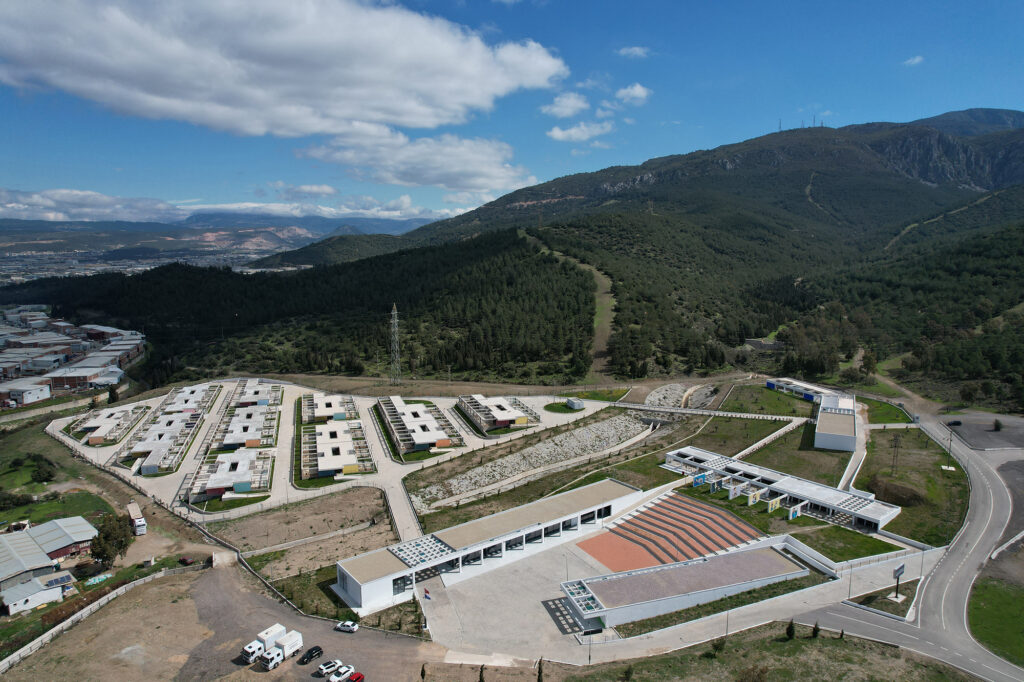
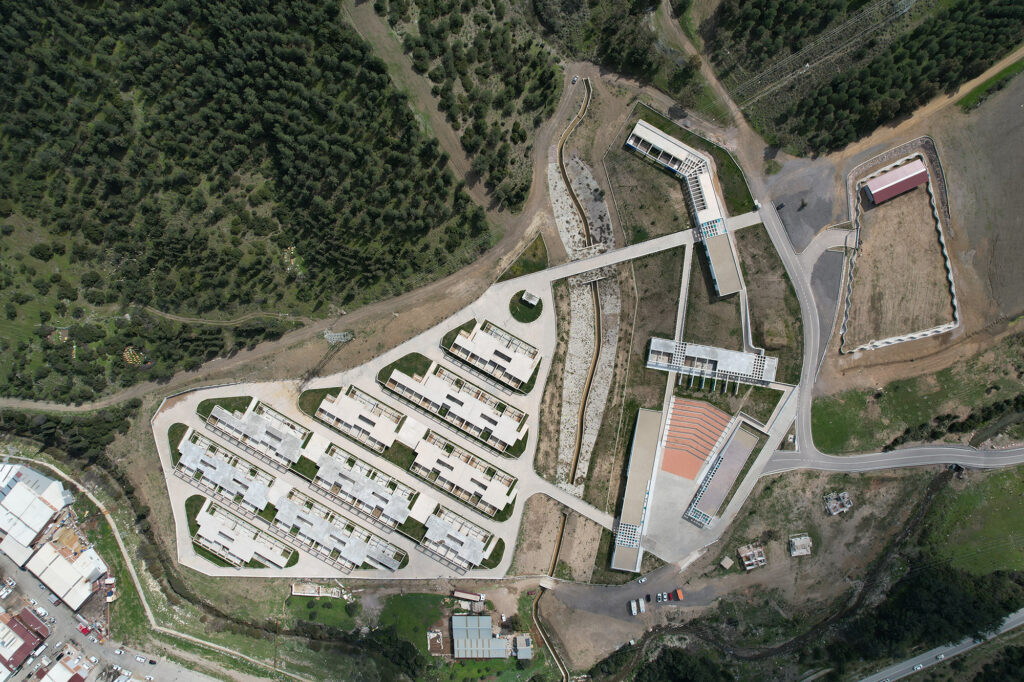
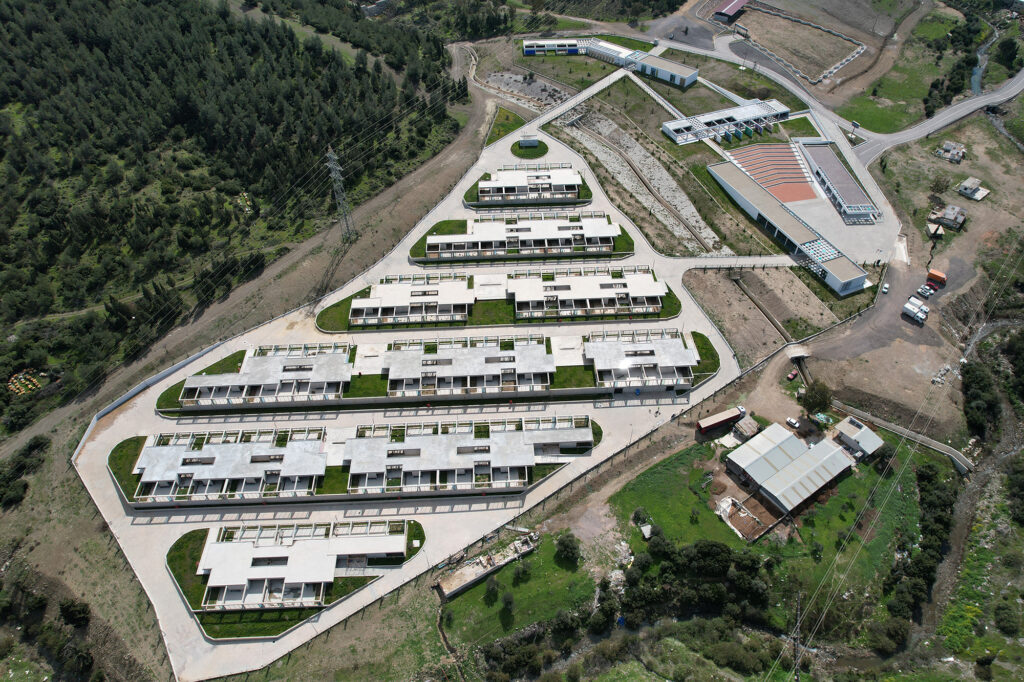
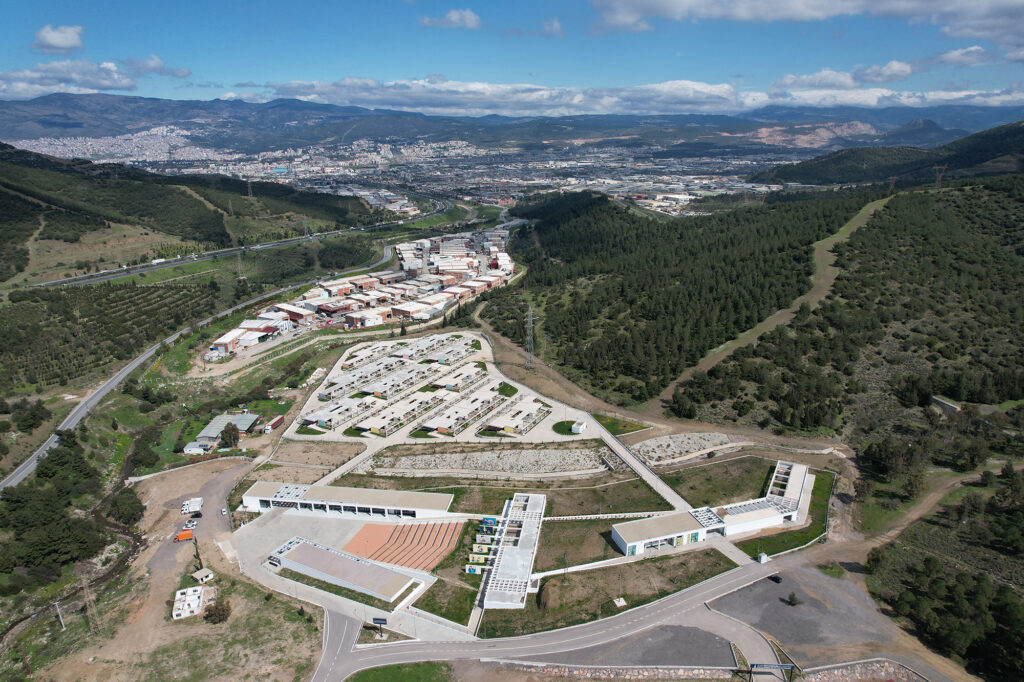
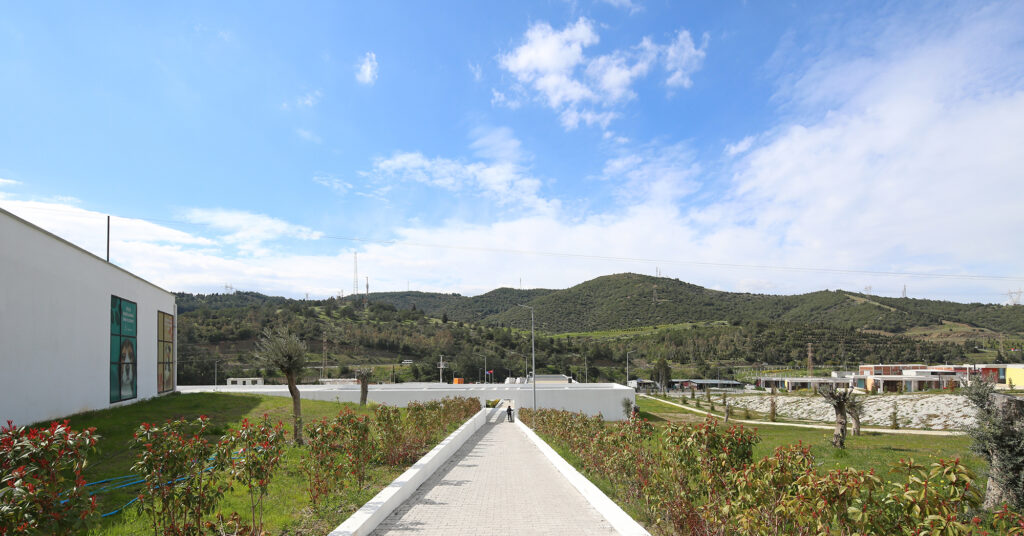
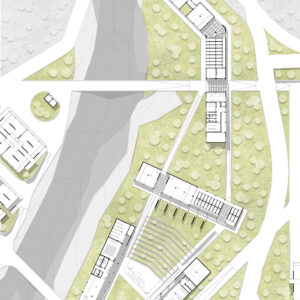
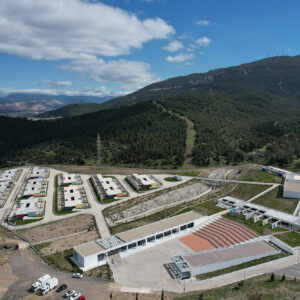
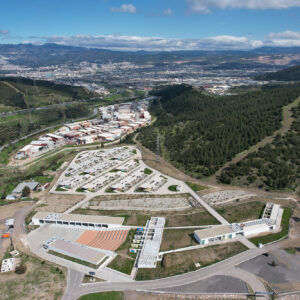
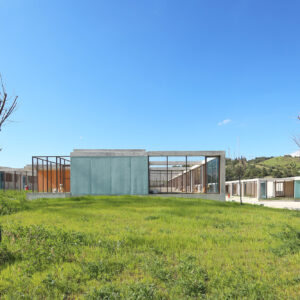
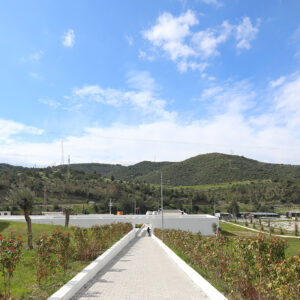
The practices conducted in Turkey in regards to stray animals, are focused primarily on providing much needed care to abandoned, injured, ill, disabled or destitute animals with the intention of releasing these animals back to their natural surroundings at the end of their treatment. For this reason, in contrast to the practice of euthanizing these animals, this notion of treatment and rehabilitation reinforces the need for spaces to accommodate such functions. With these objectives in mind, this temporary care facility for stray dogs, which is projected to be completed by the Metropolitan Municipality of Izmir, will be the first of its kind and scale in the existing urban fabric. With the spatial arrangement of the open and closed spaces focusing on the interaction between humans and dogs while at the same time reinforcing the theme of adoption, the facility is projected to be constructed on an approximately 110.000 m2 site located in the Gokdere district of the town of Bornova in Izmir.
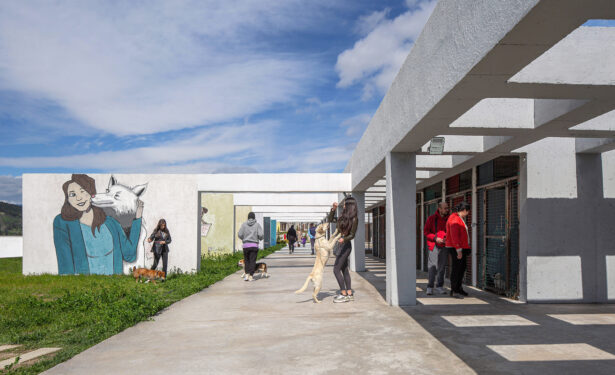
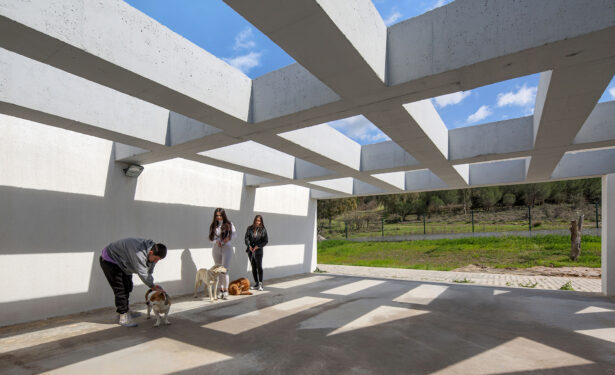
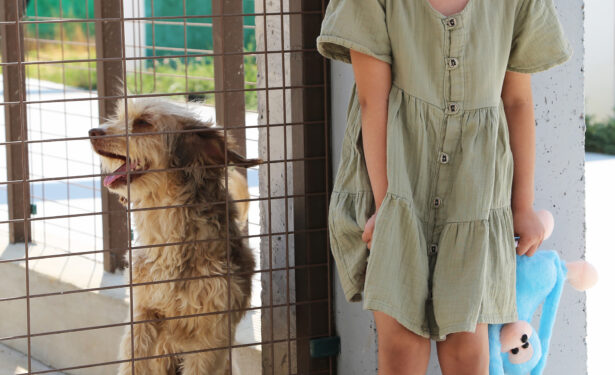
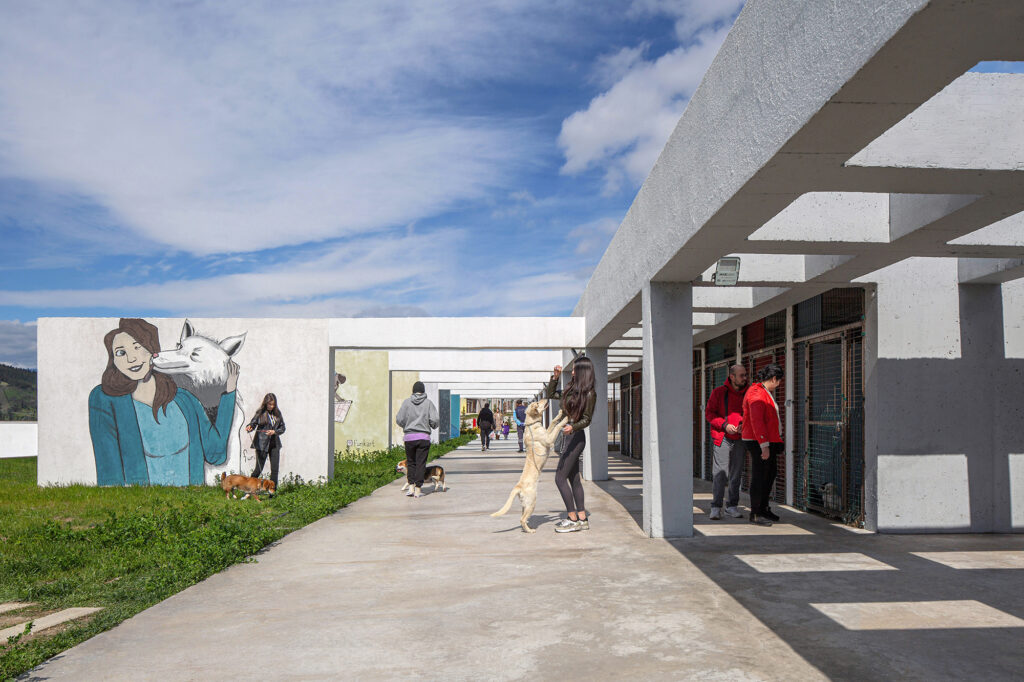
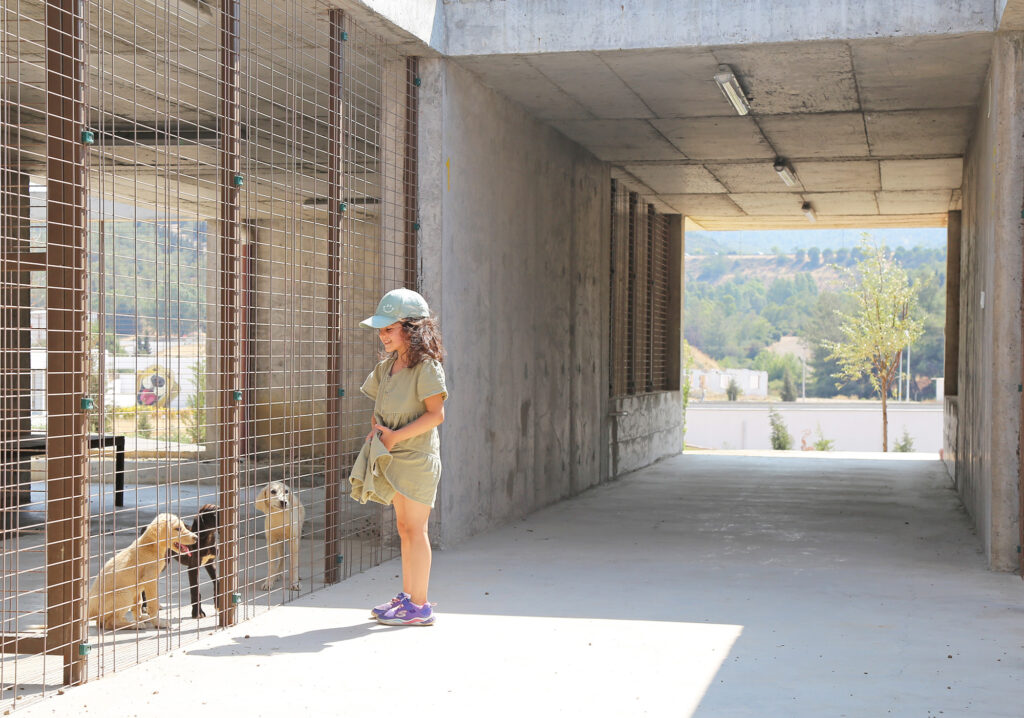
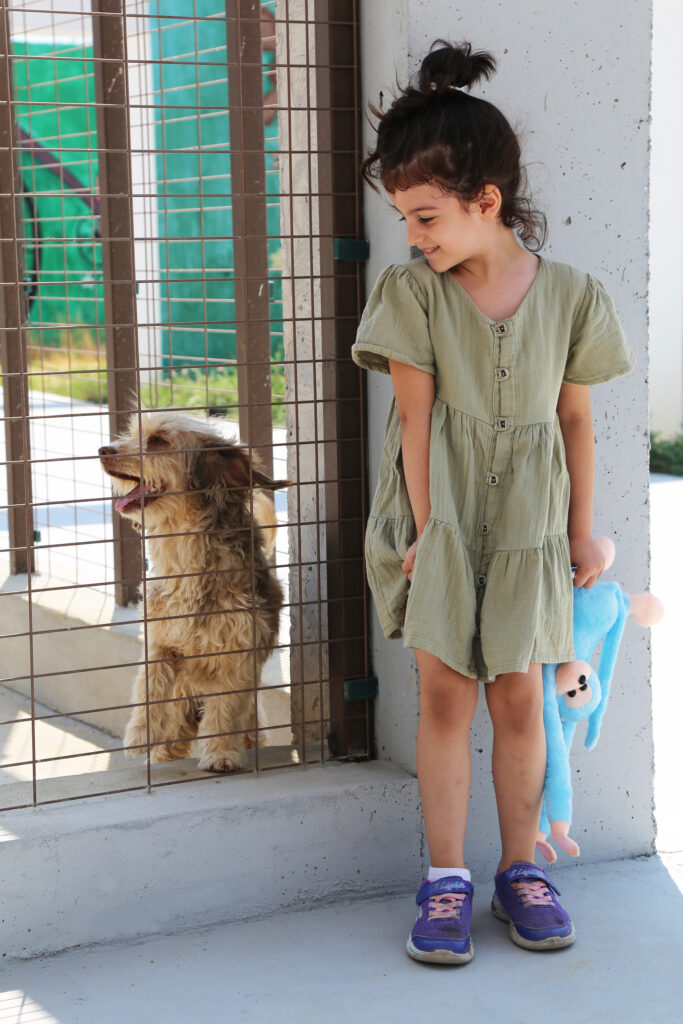
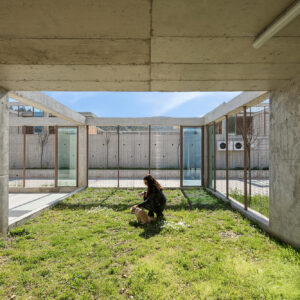
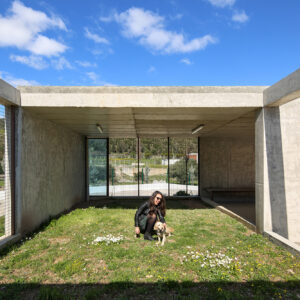
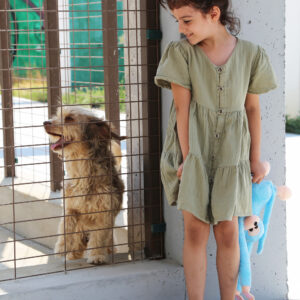
Considered to be a problematic issue within cities, the matter of abandoned stray animals, not only brings with itself many additional problems, but the existing methods to deal with these problems also causes tensions between city dwellers and local officials. Due to this, the matter of how these stray and/or destitute dogs will be removed from the city and the risks that the dogs will face with such methods brings with it many uncertainties, lack of solutions, and at times even instances of malpractice. In order to deal with and eliminate these uncertainties and the possible negative effects of such practices, this facility was not only designed as a temporary care center, but also a center for rehabilitation that is predicated on the interaction between humans and dogs, providing a space that promotes the idea of reciprocal rehabilitation. Accordingly, when the effects of the interaction between humans and dogs are considered in reference to the constructive and positive effects it would have on a child, the Gökdere Dog Rehabilitation and Adoption Center can be seen as an alternative space for families to spend quality time. This foresight has laid the foundation for a design methodology that promotes and reinforces human-dog interaction.
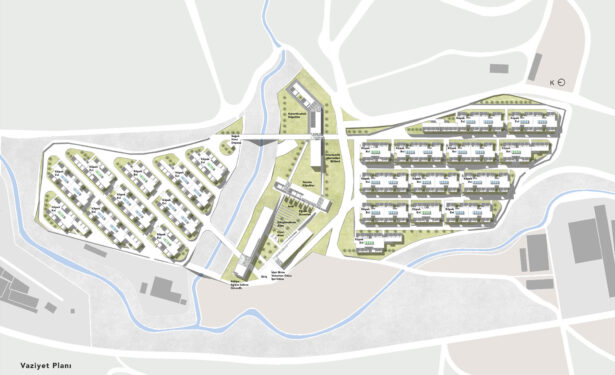
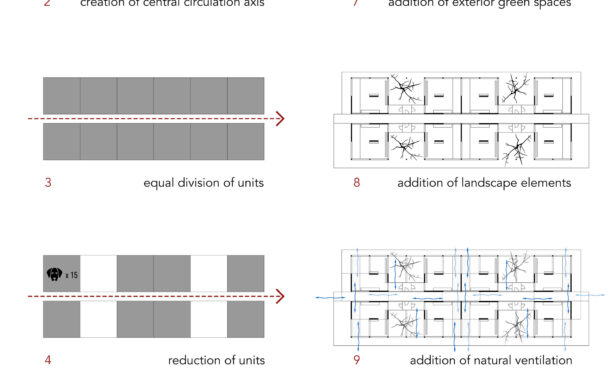
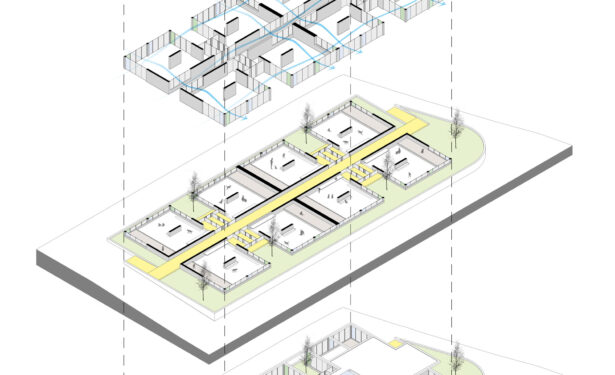
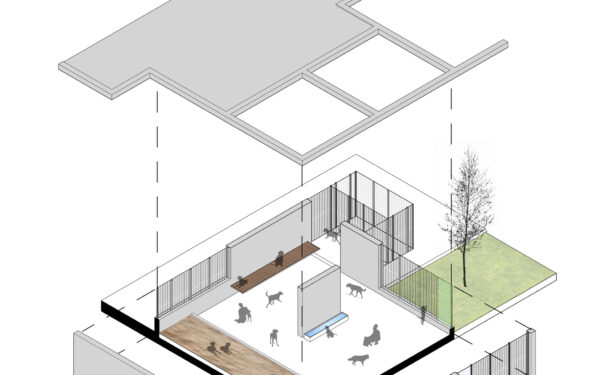
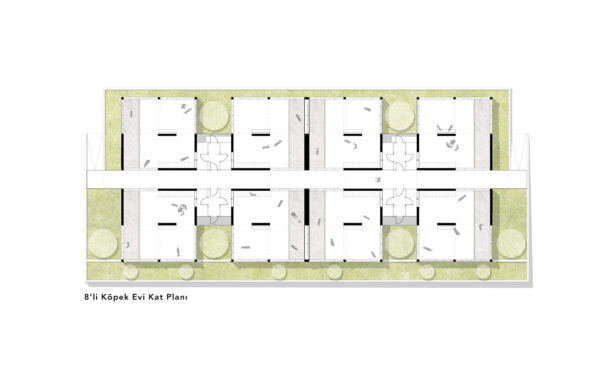
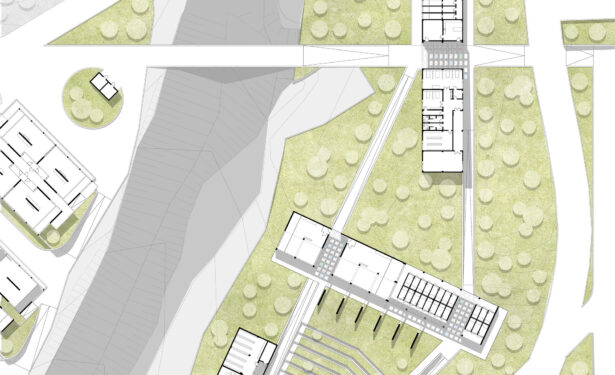
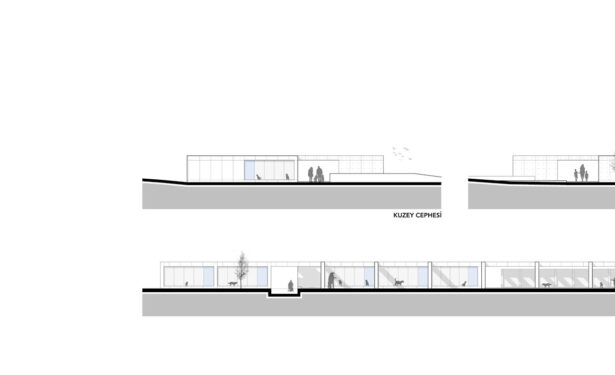
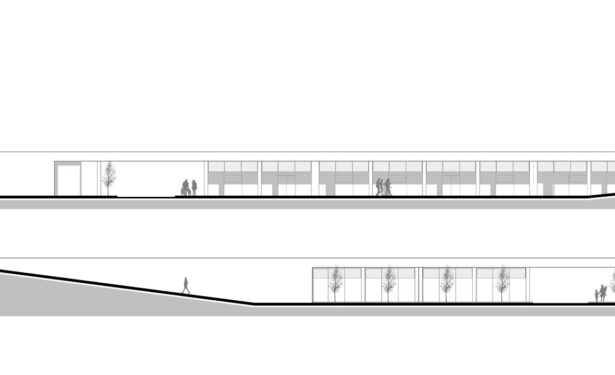
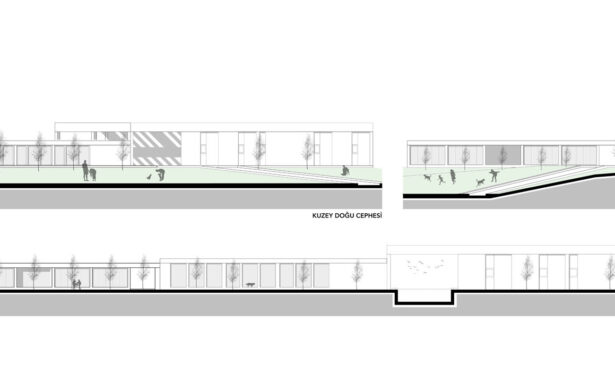
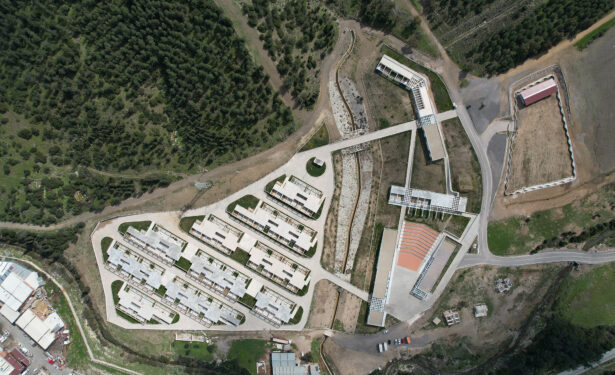
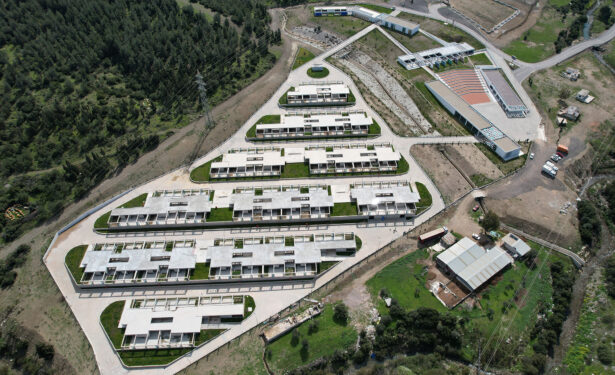
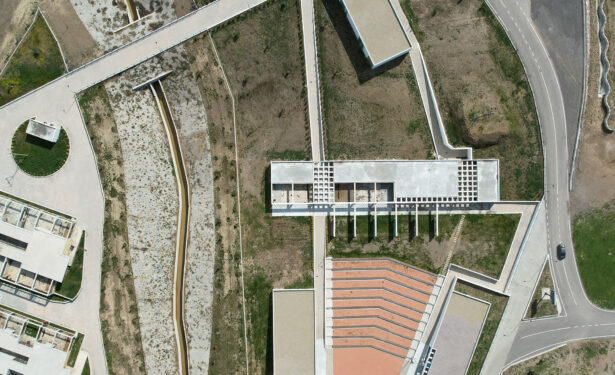
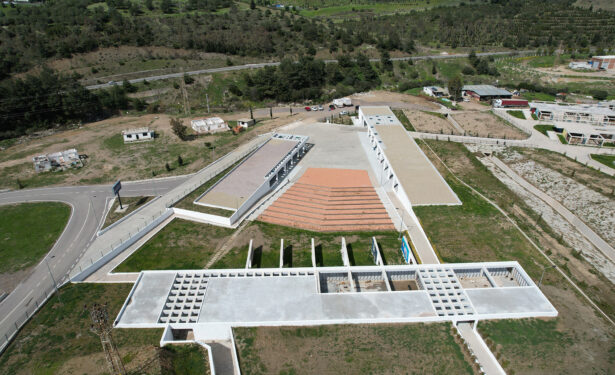
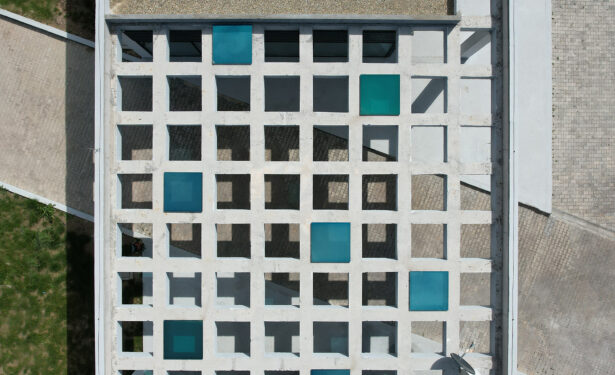
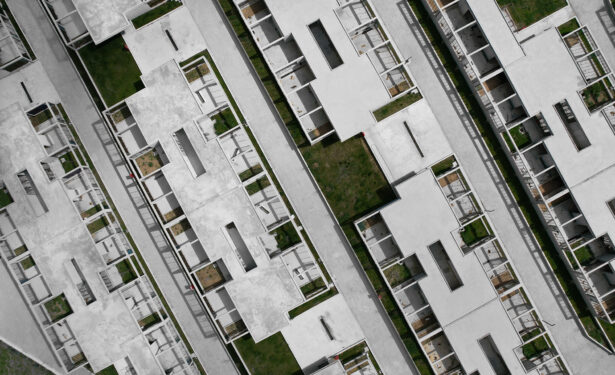
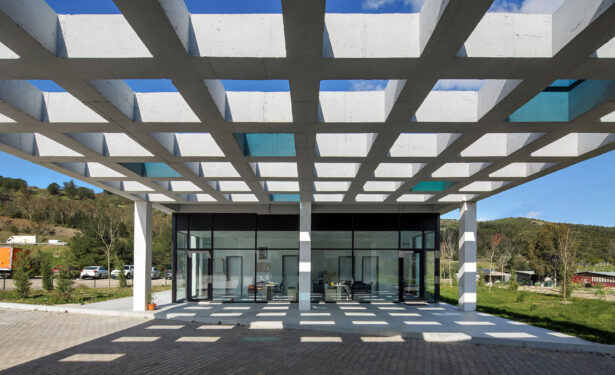
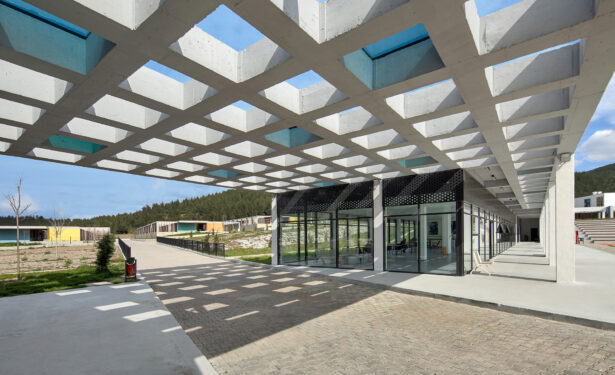
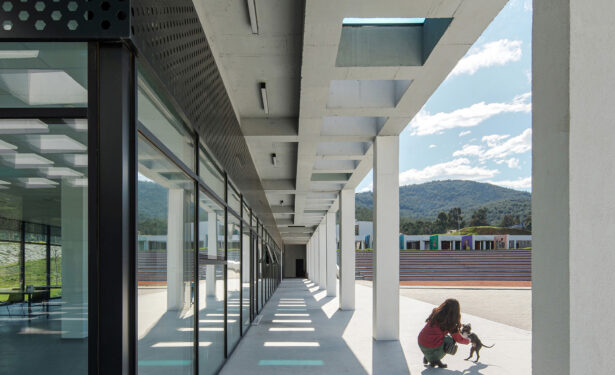
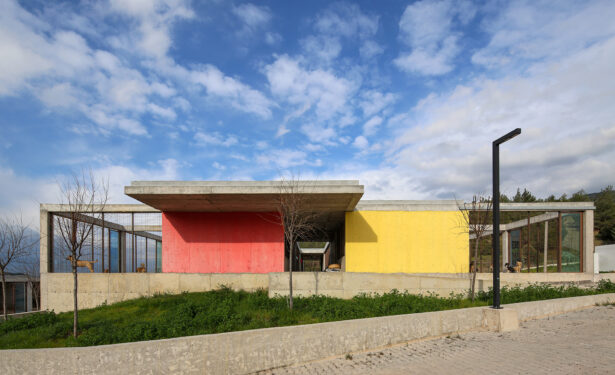
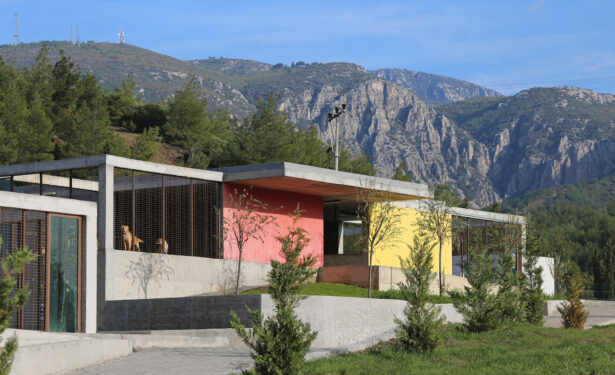
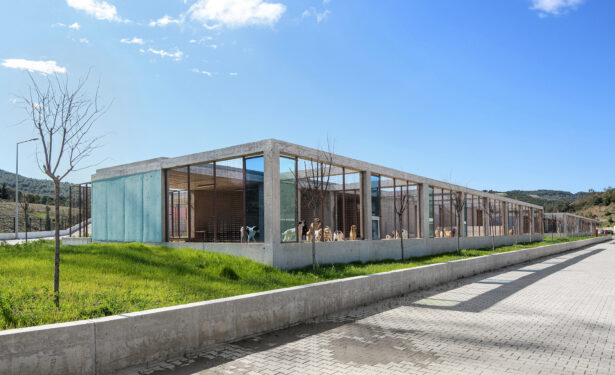
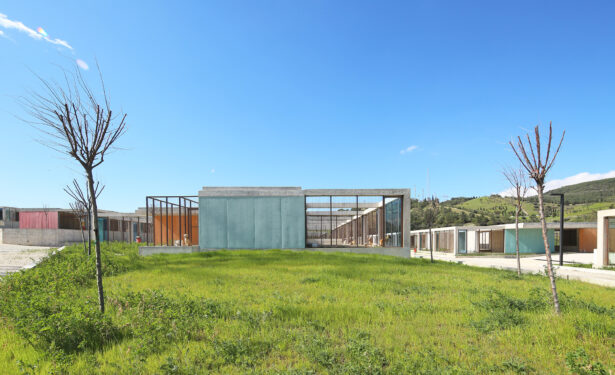
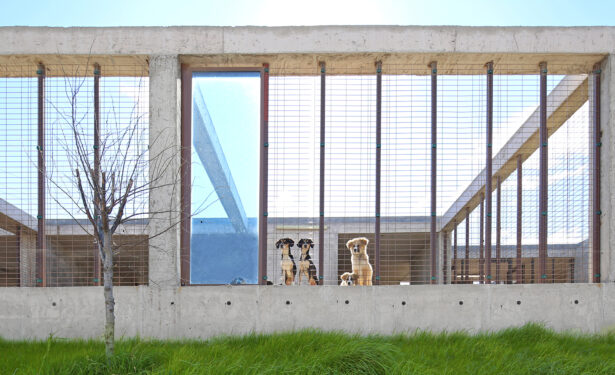
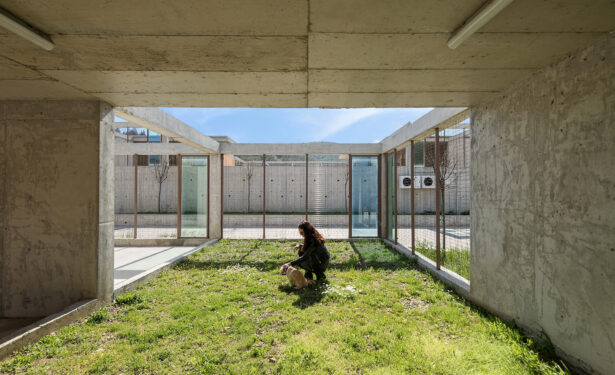
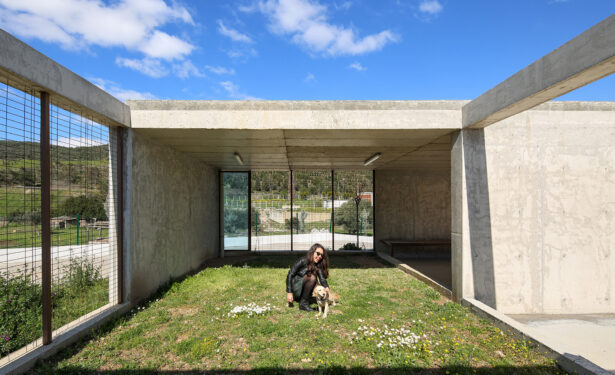
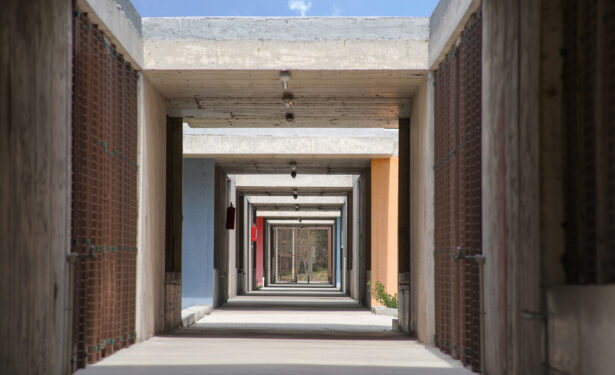
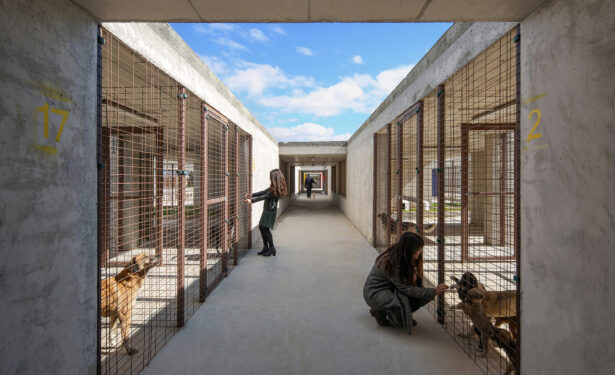
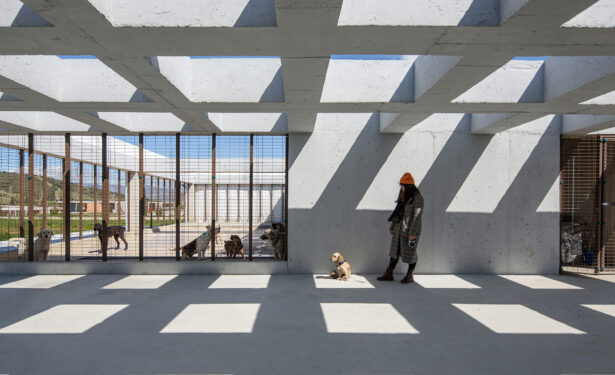
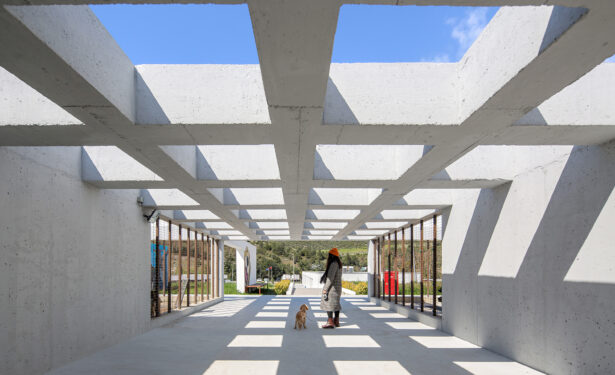
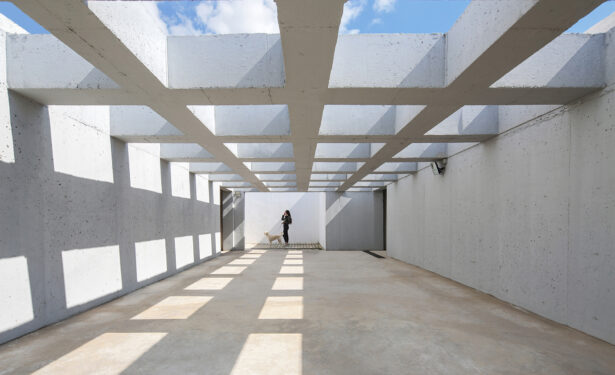
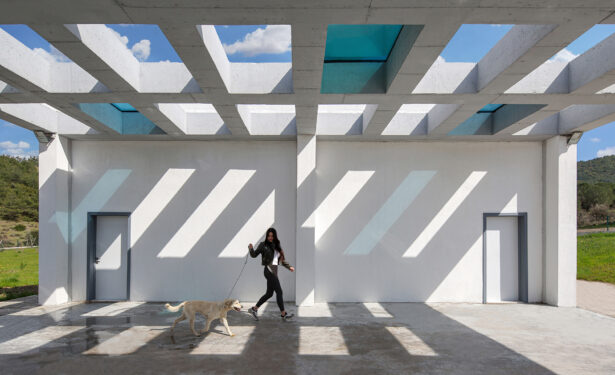
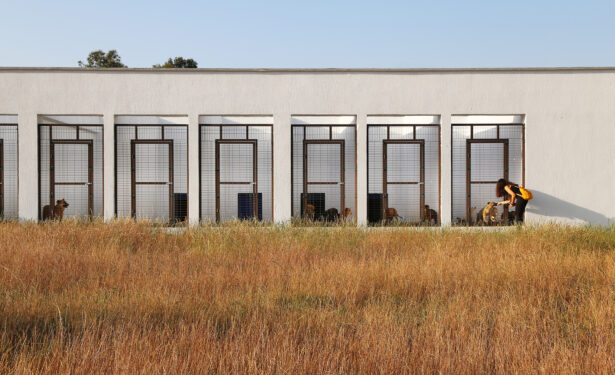
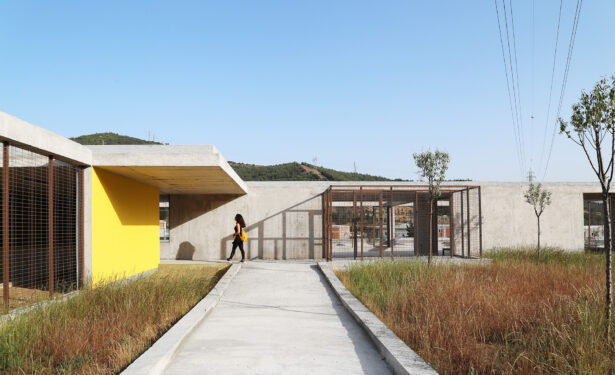
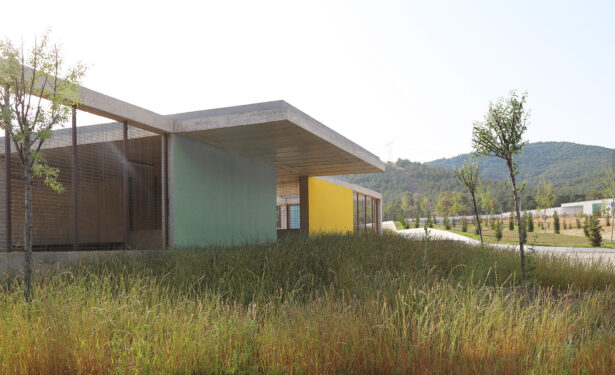
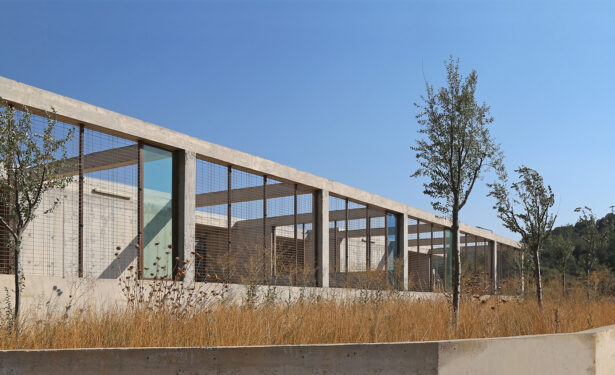
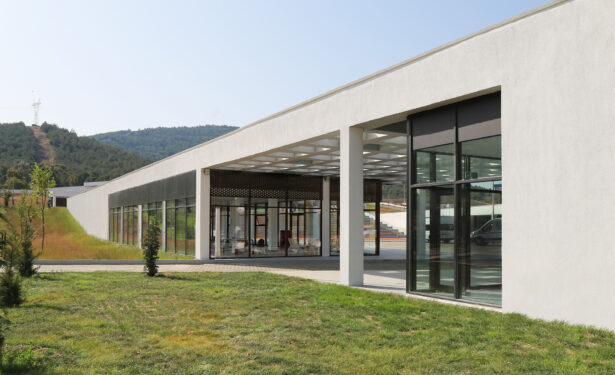
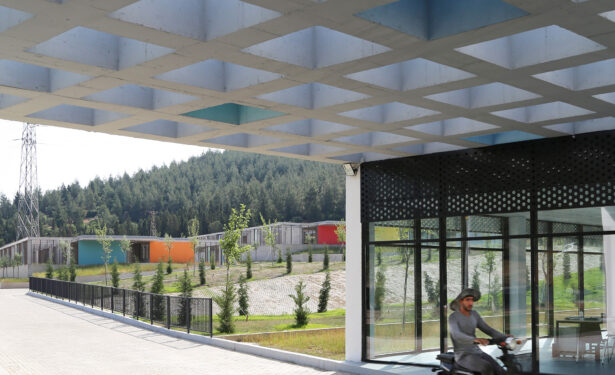
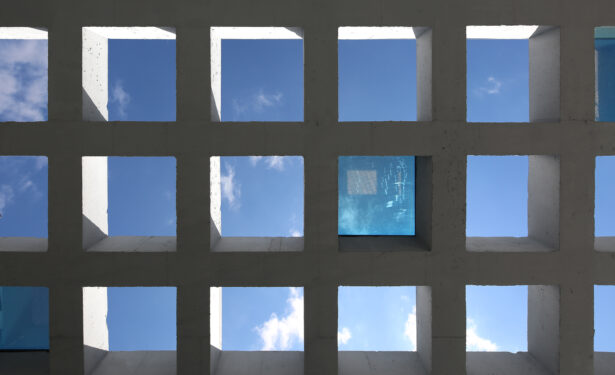
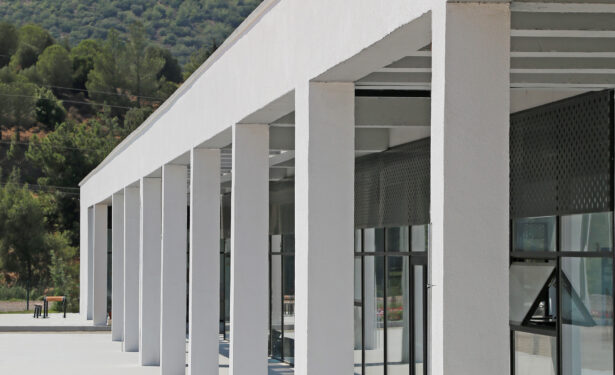
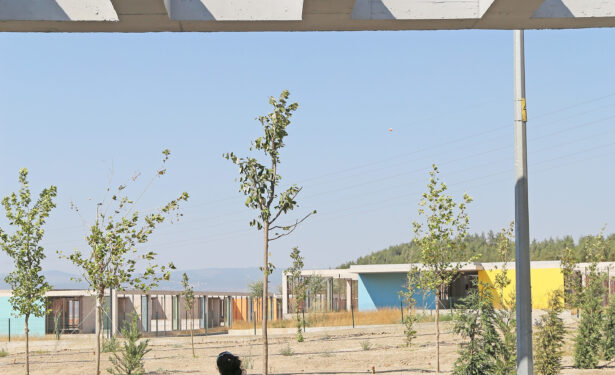
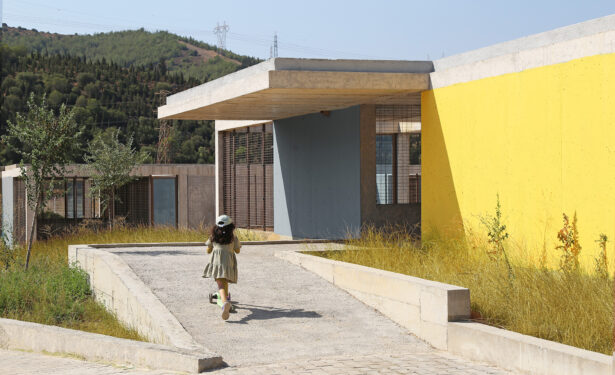
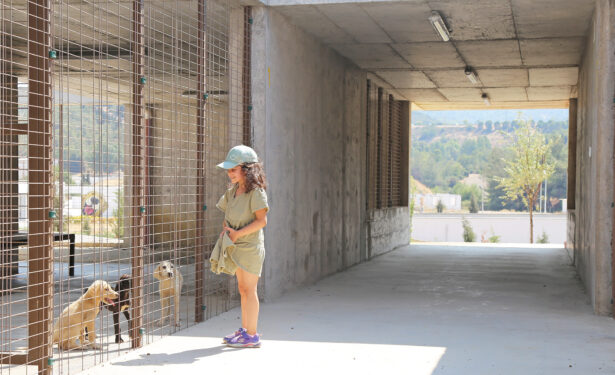
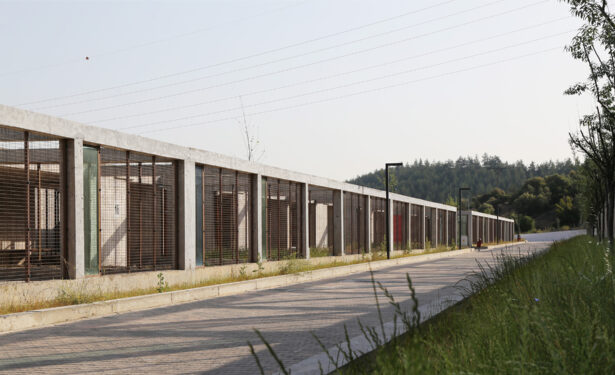
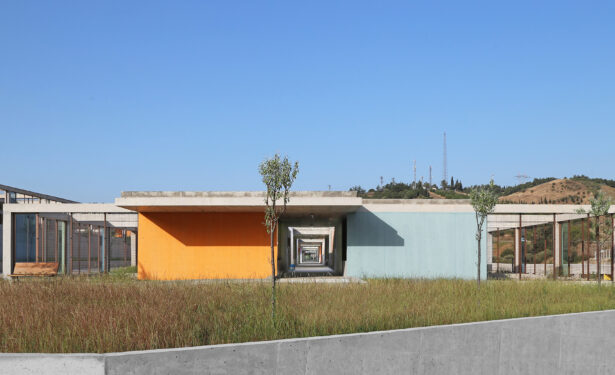
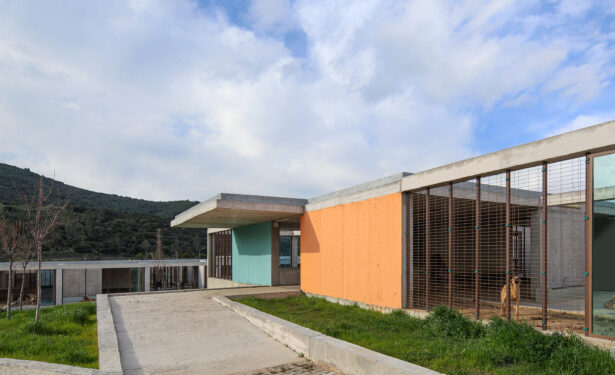
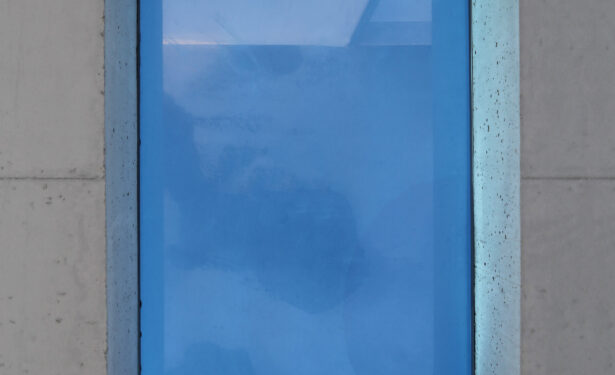
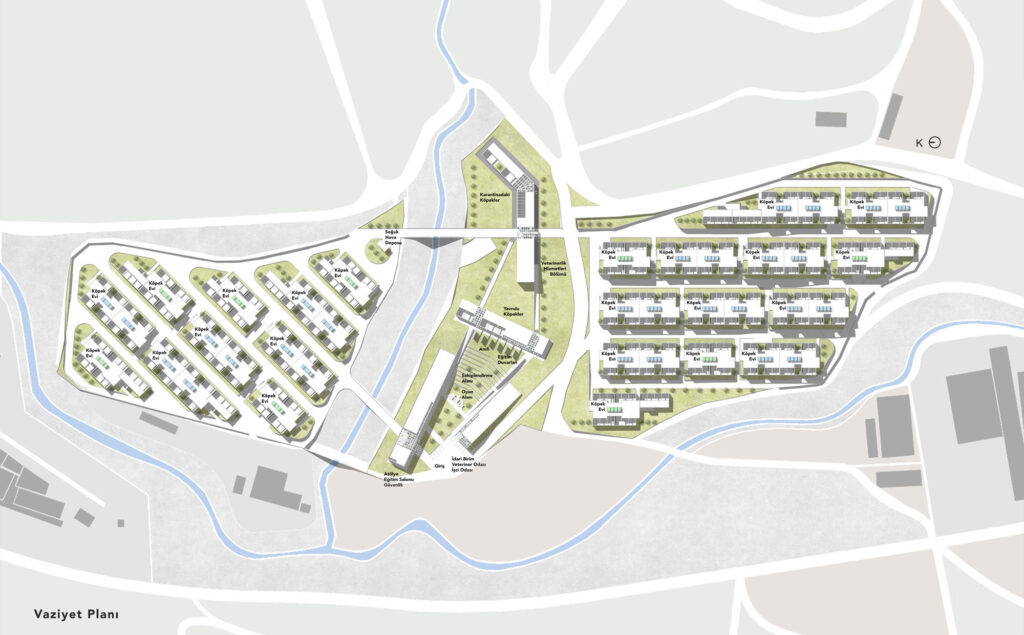
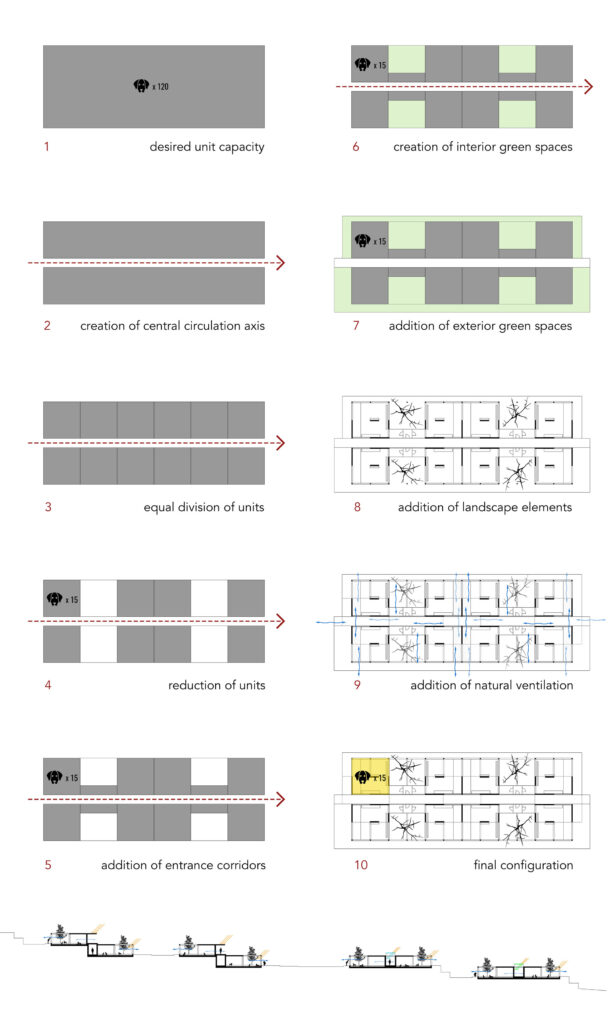
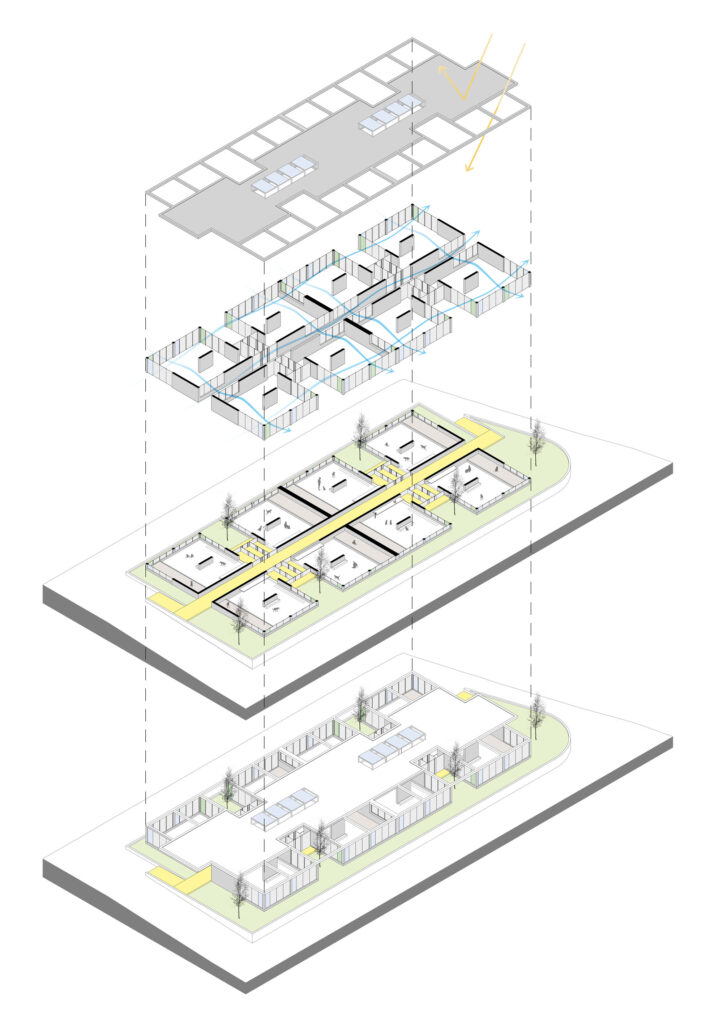
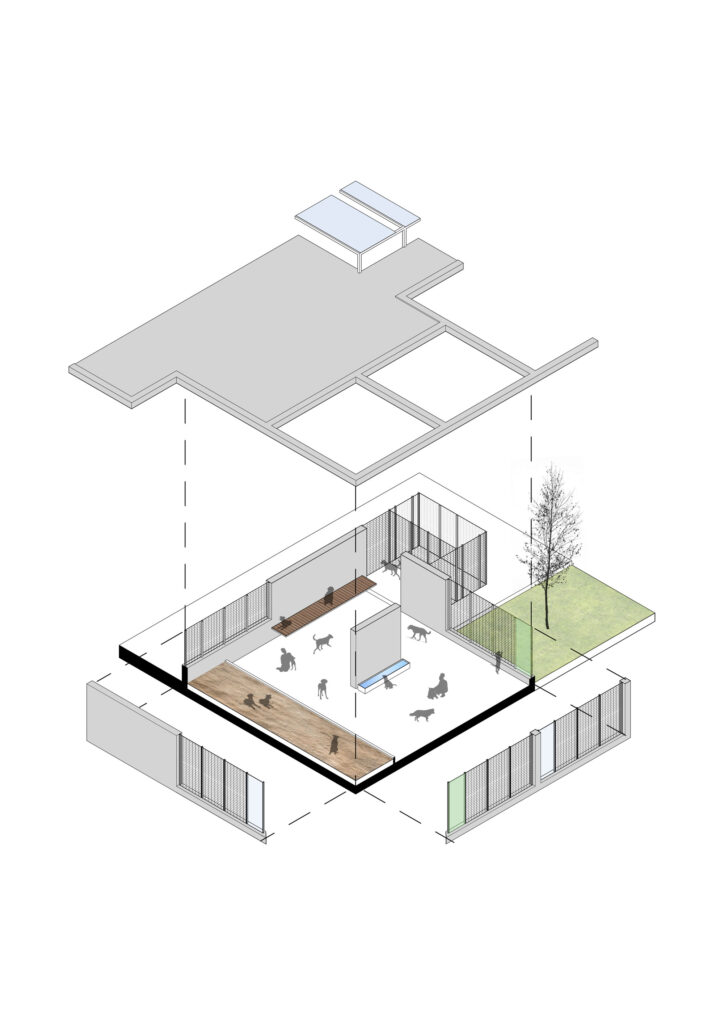
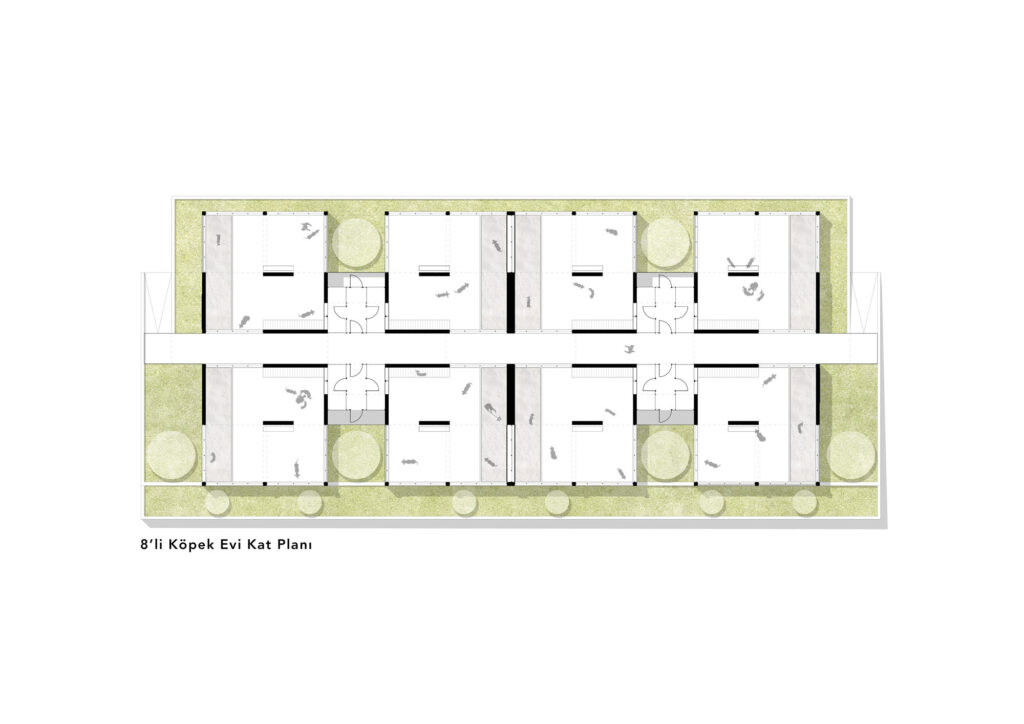
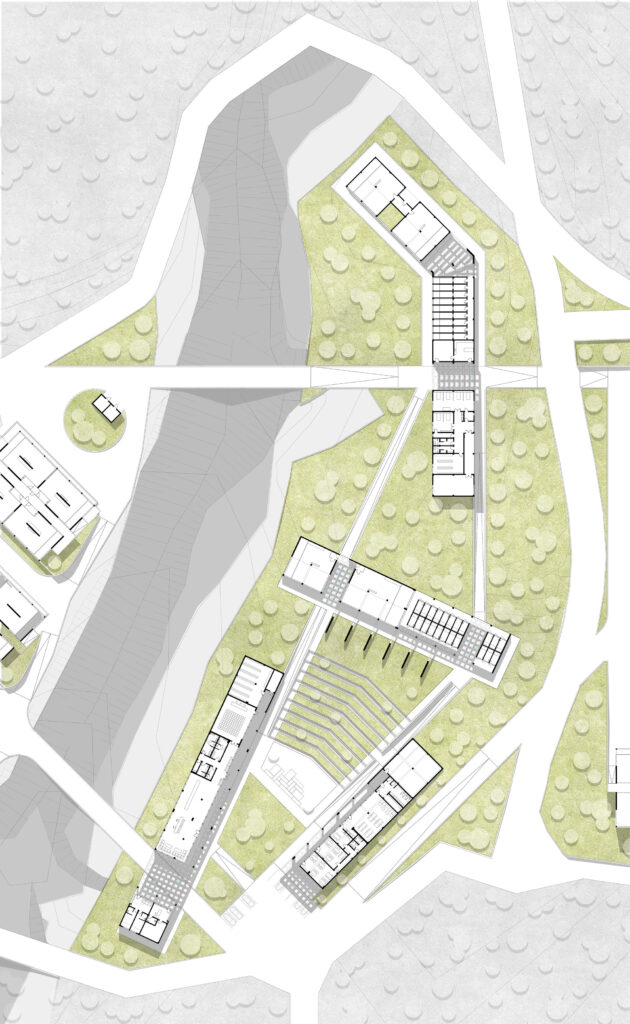
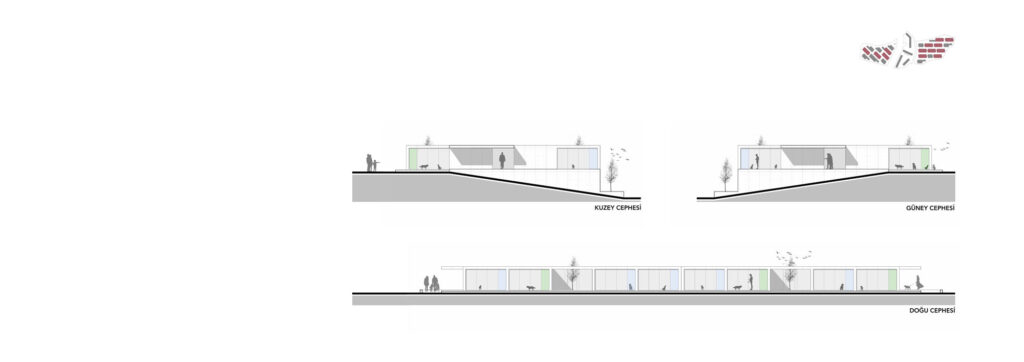
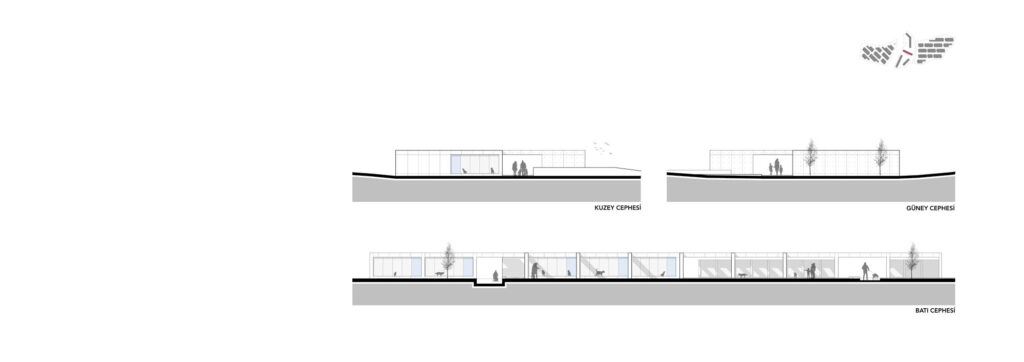
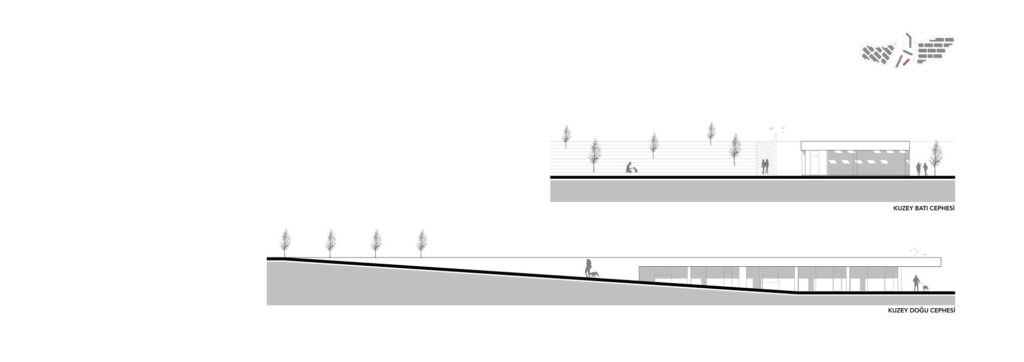
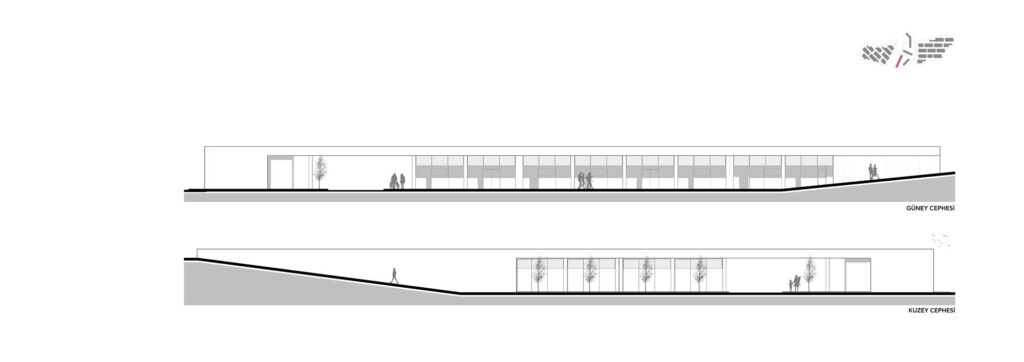
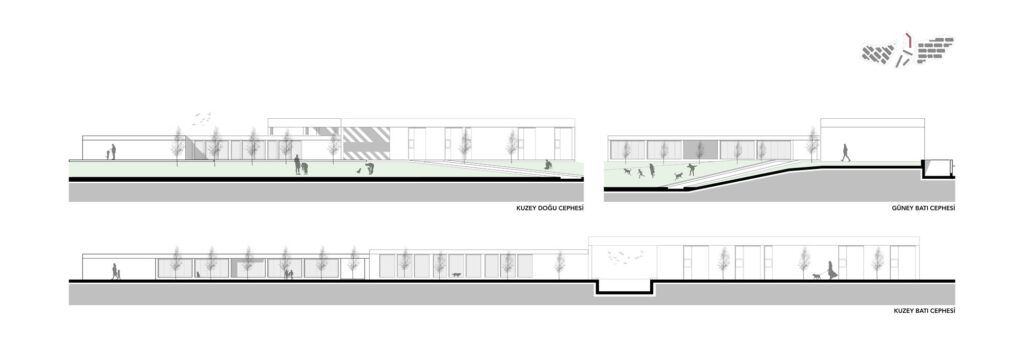
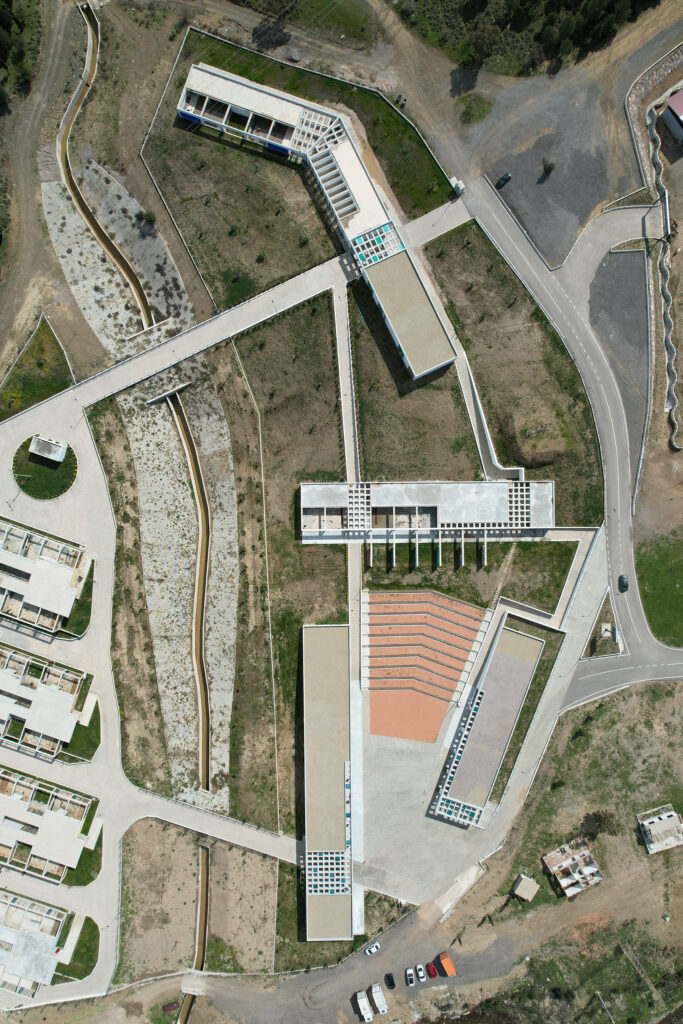
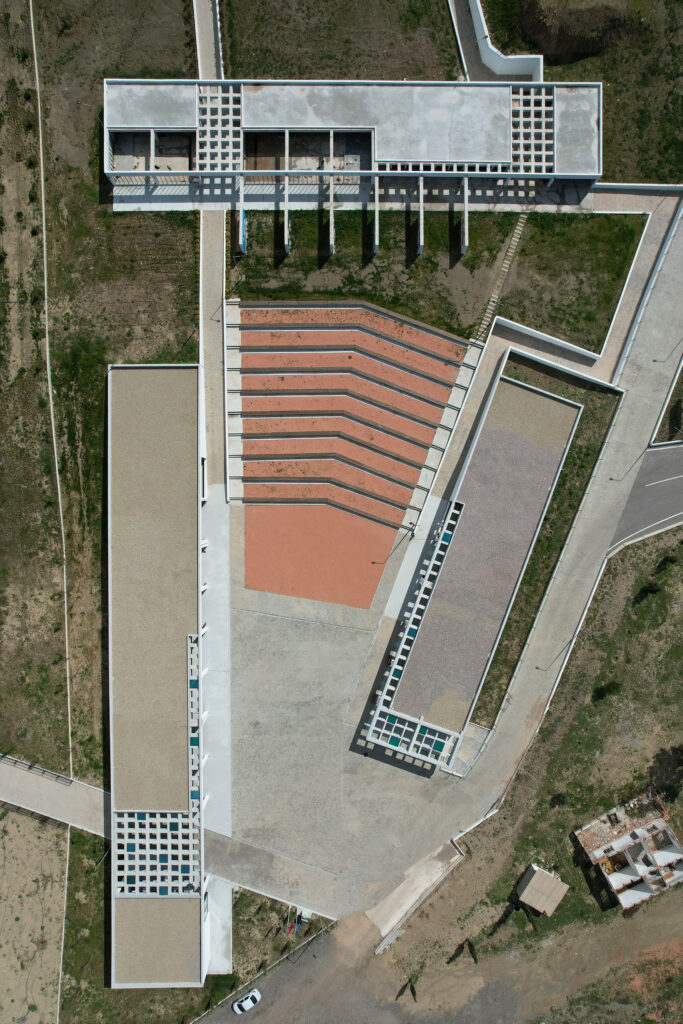
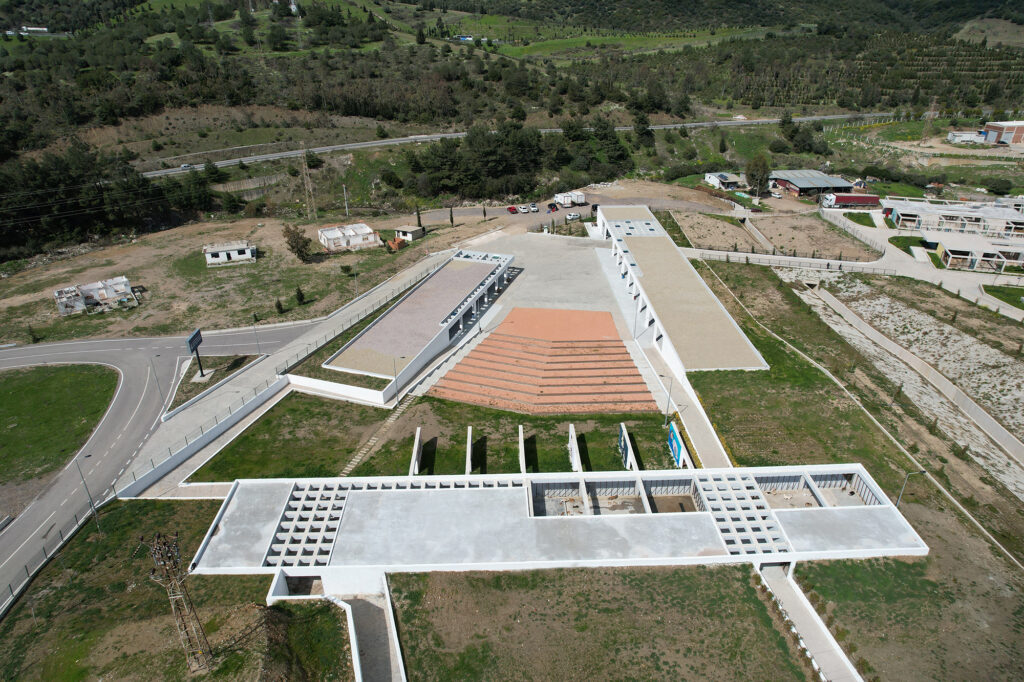
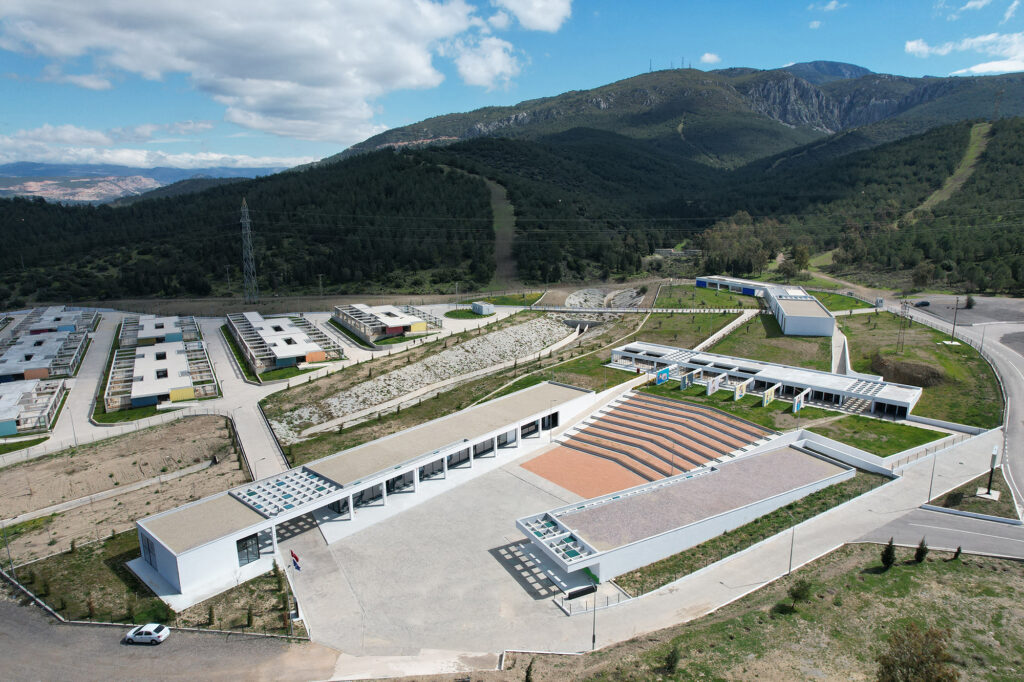
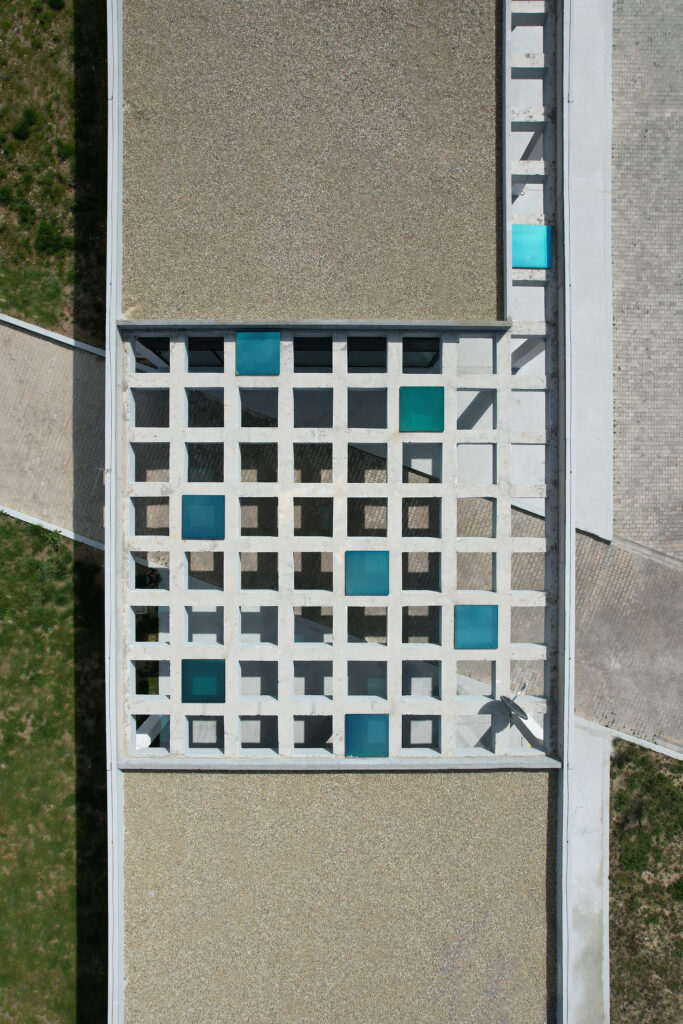
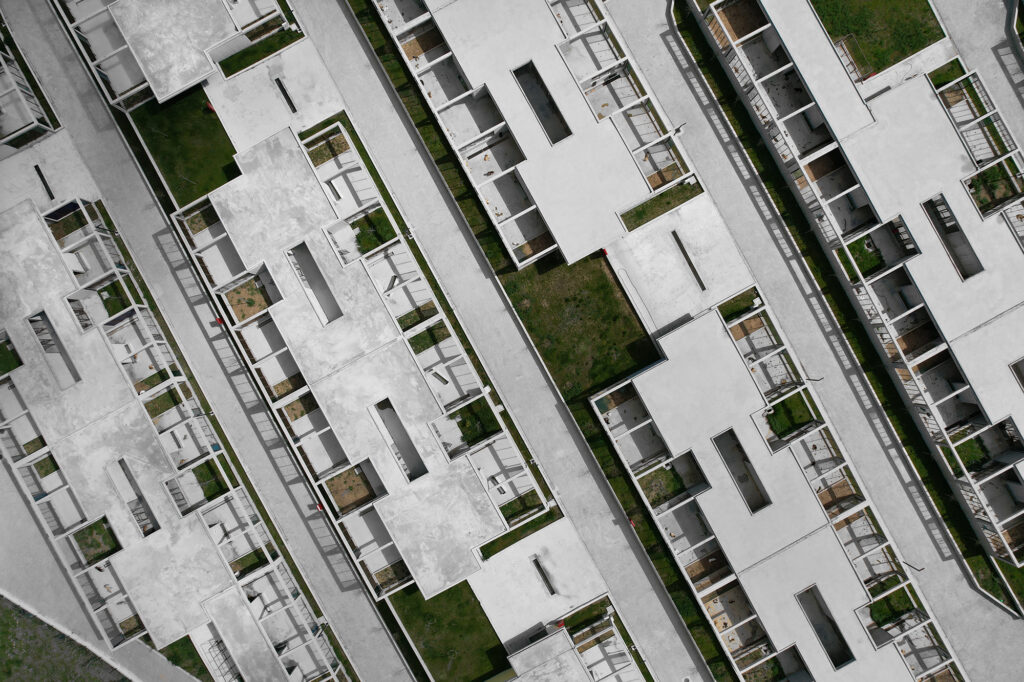
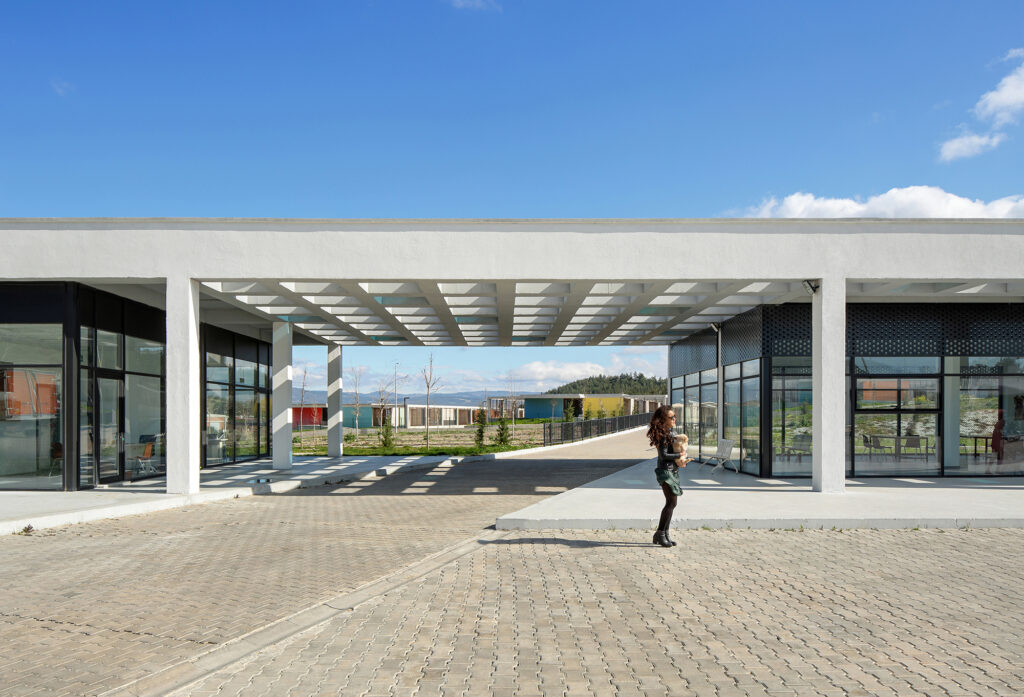
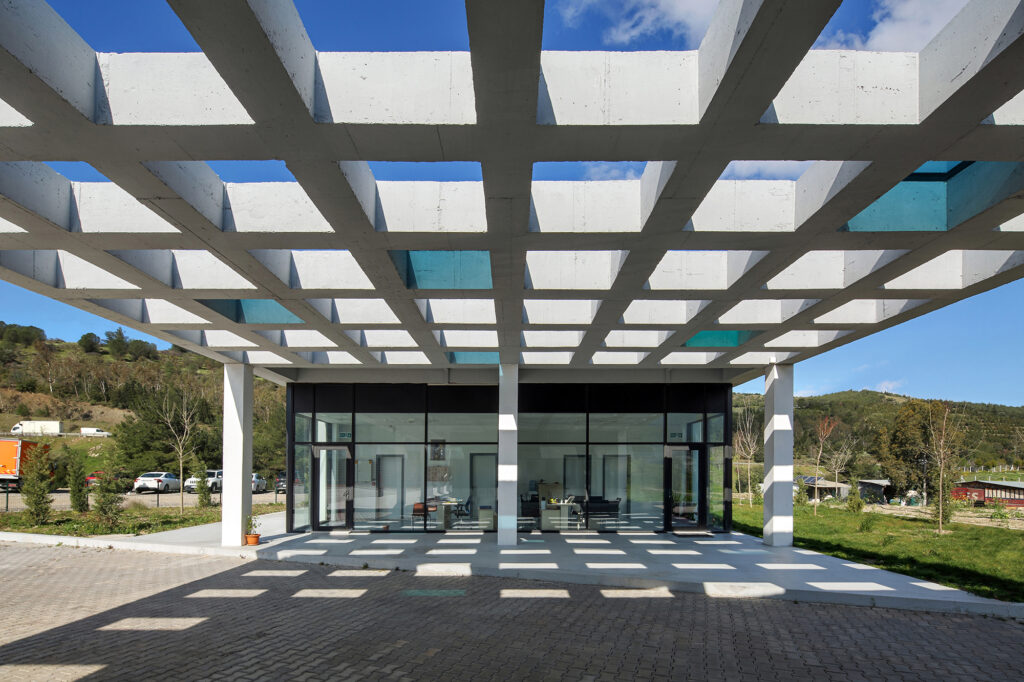
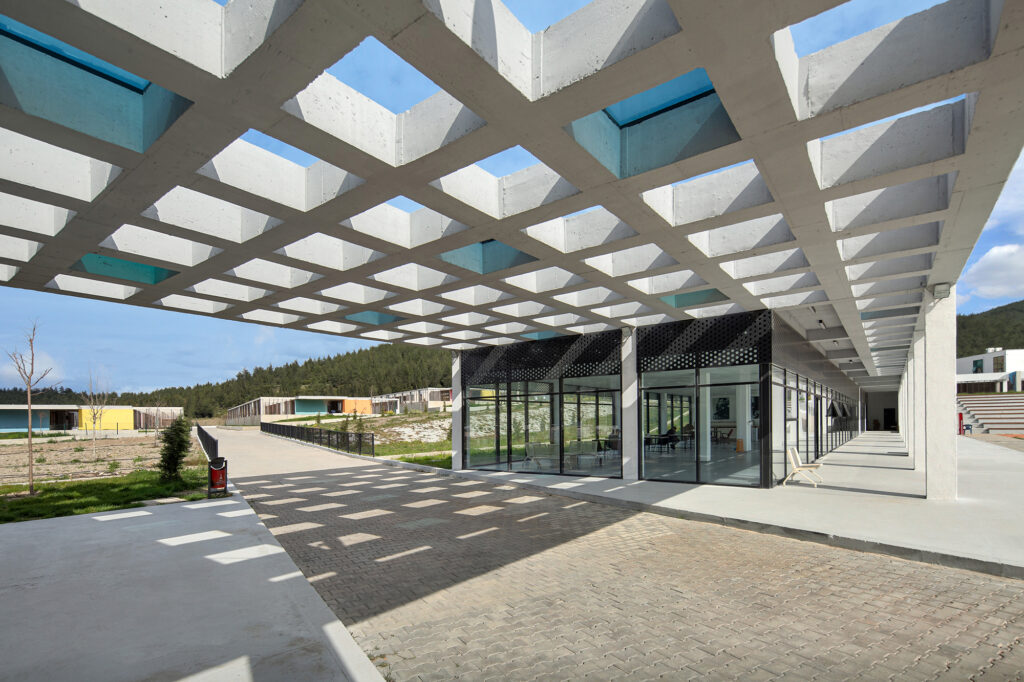
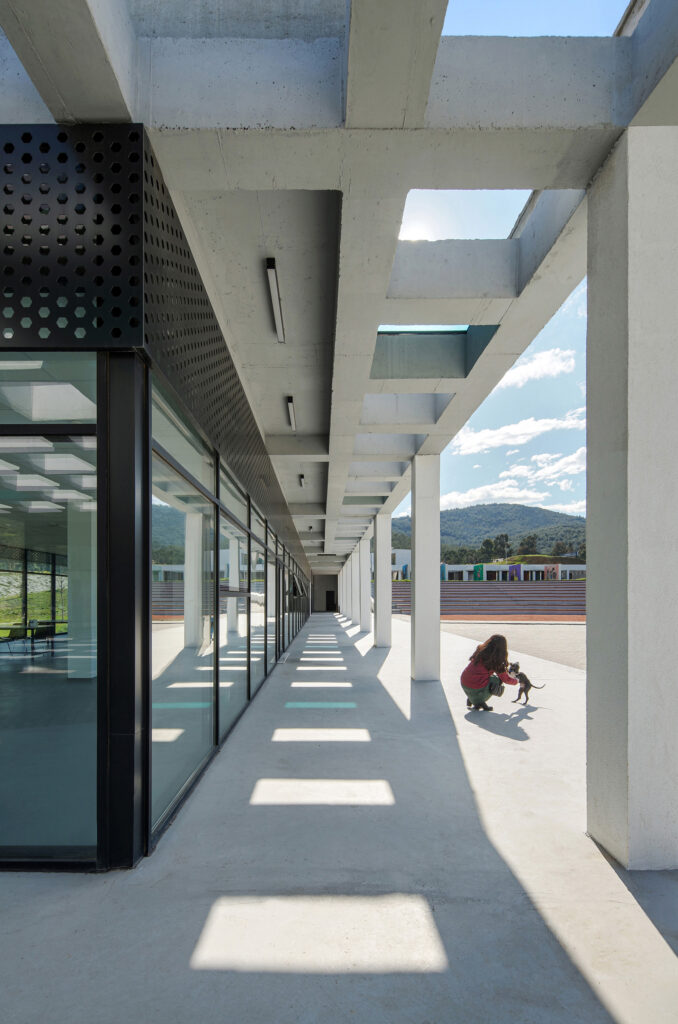
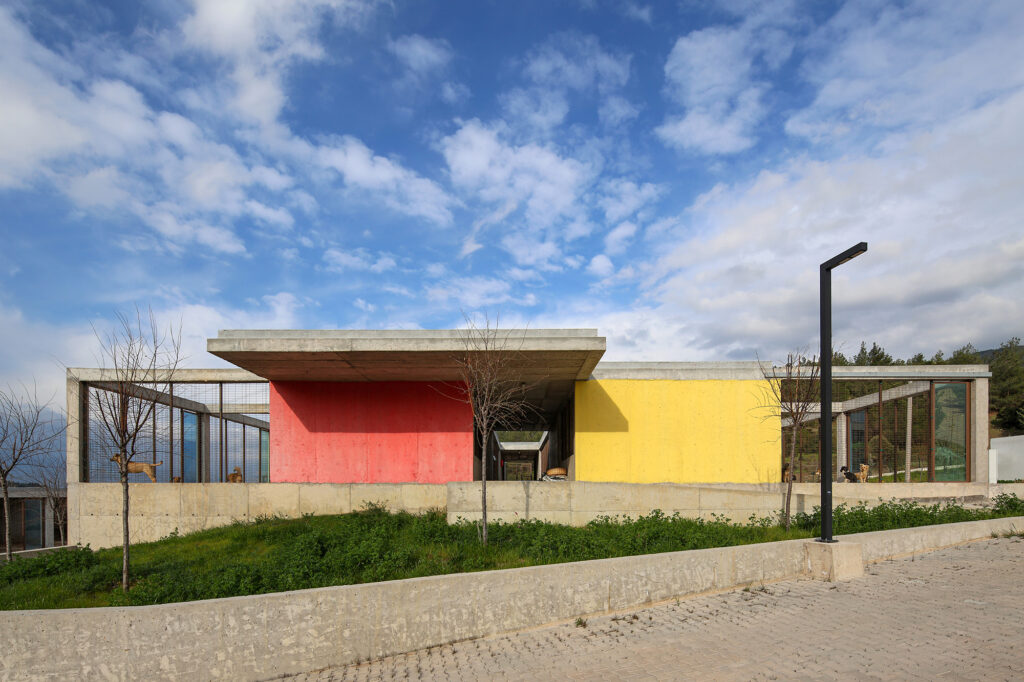
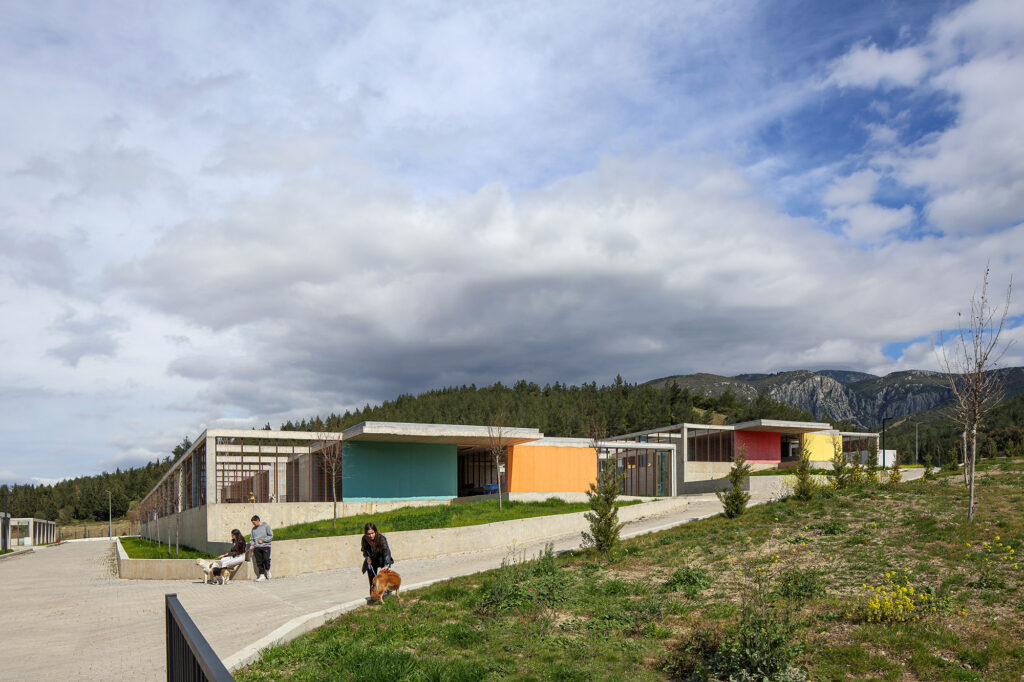
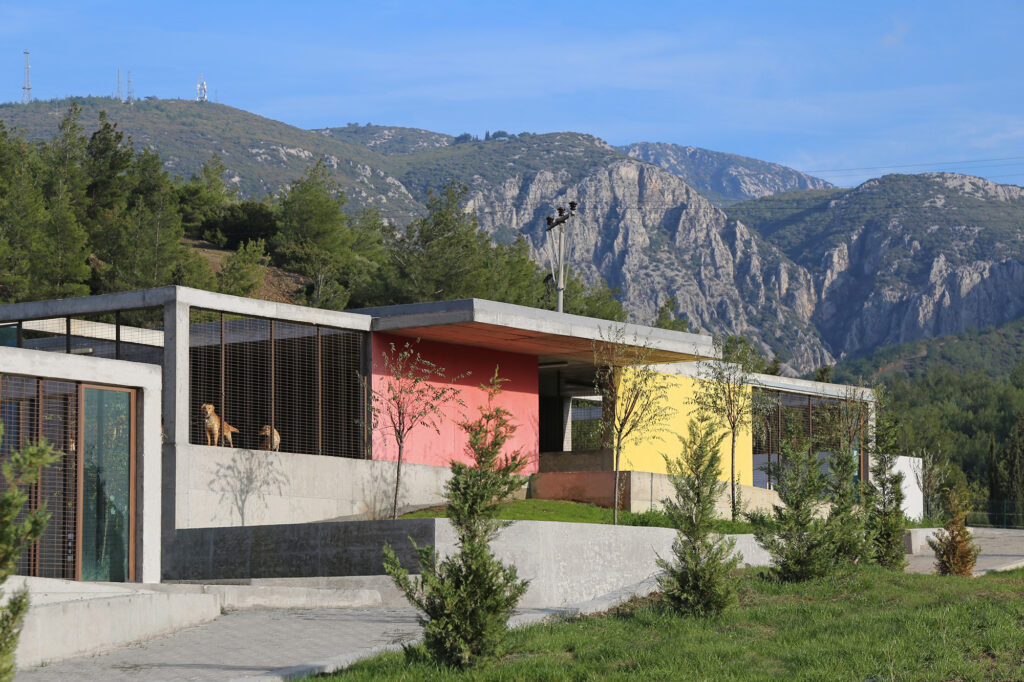
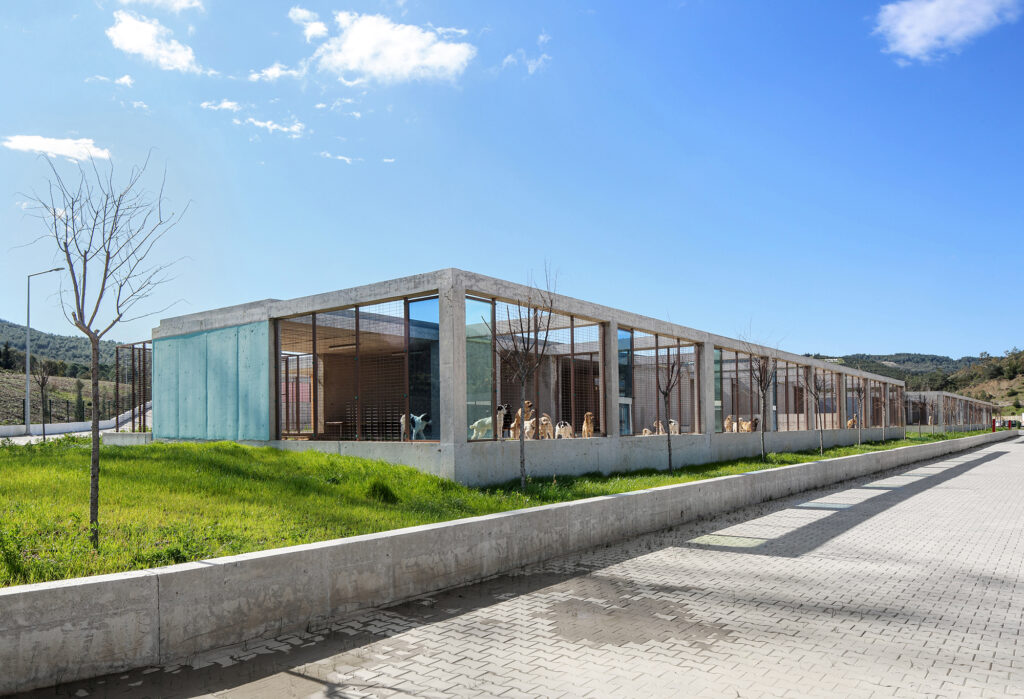
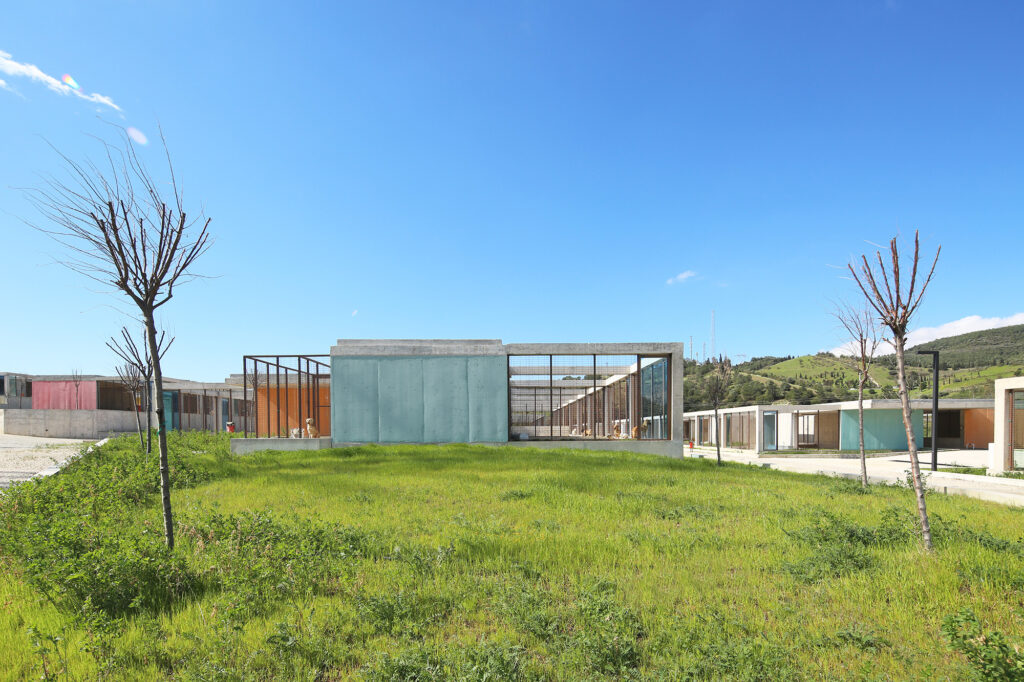
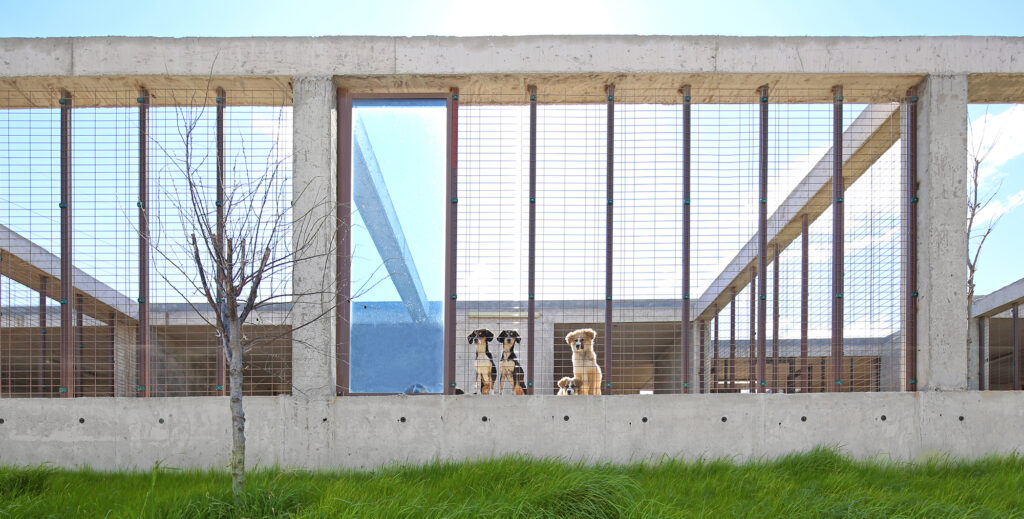
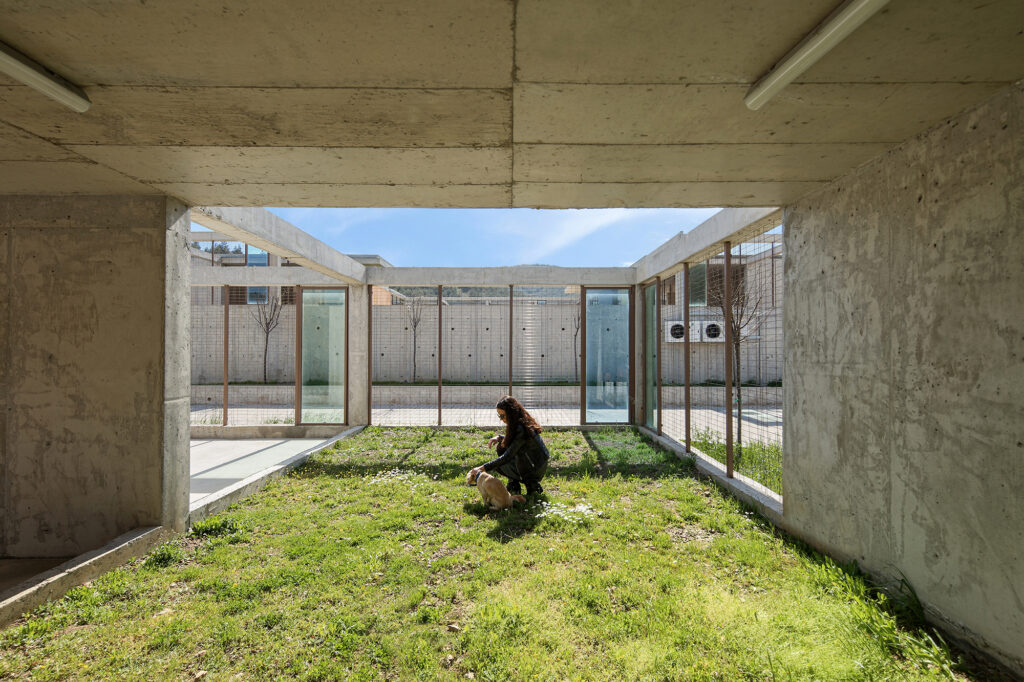
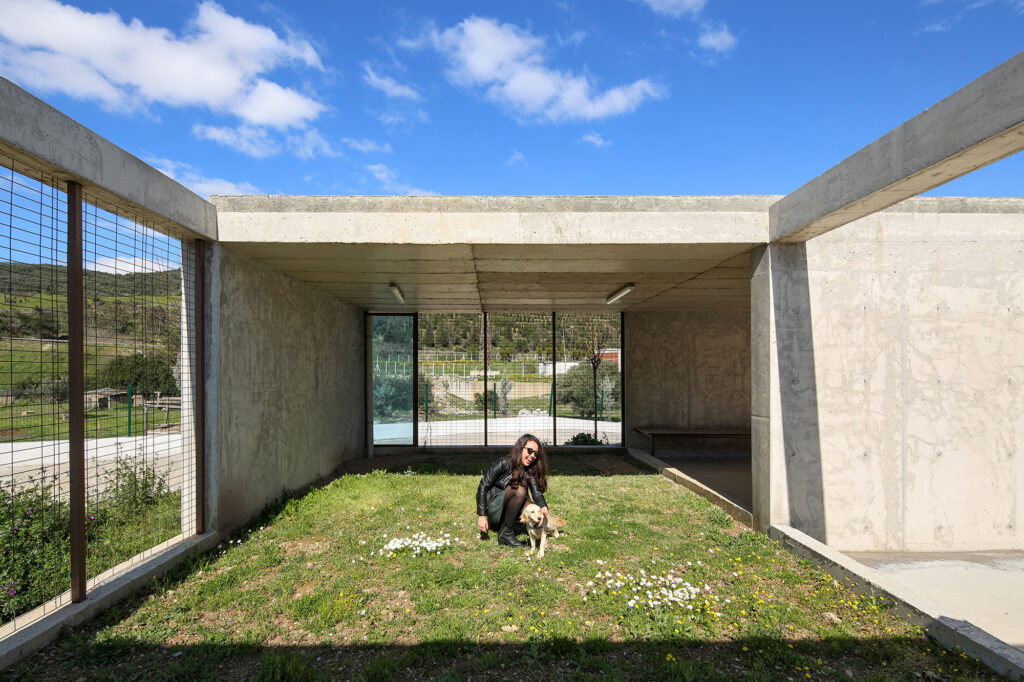
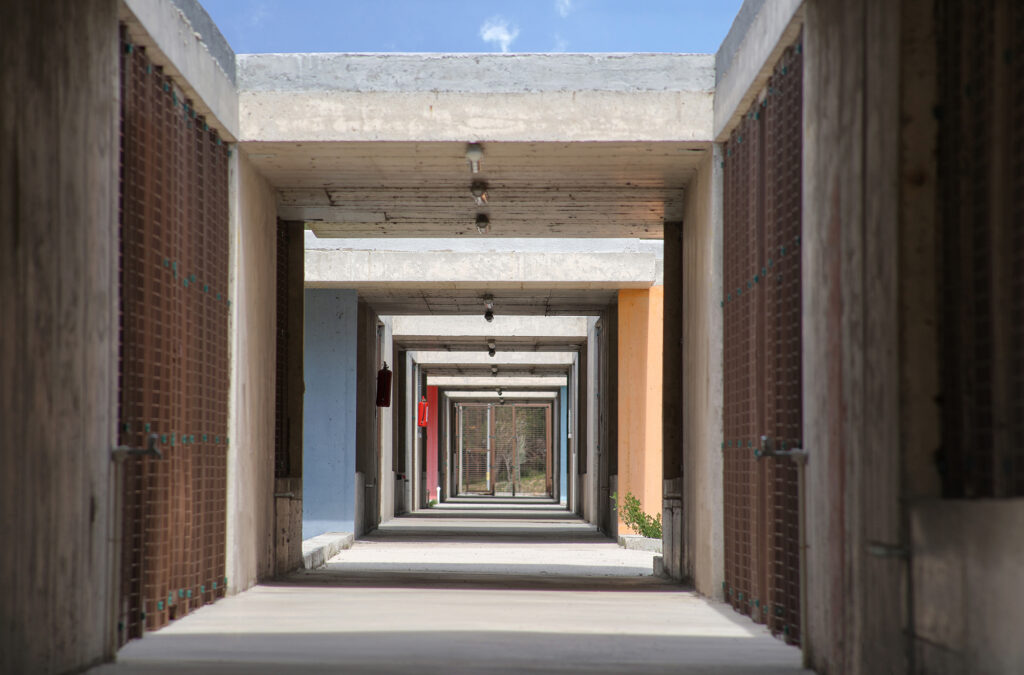
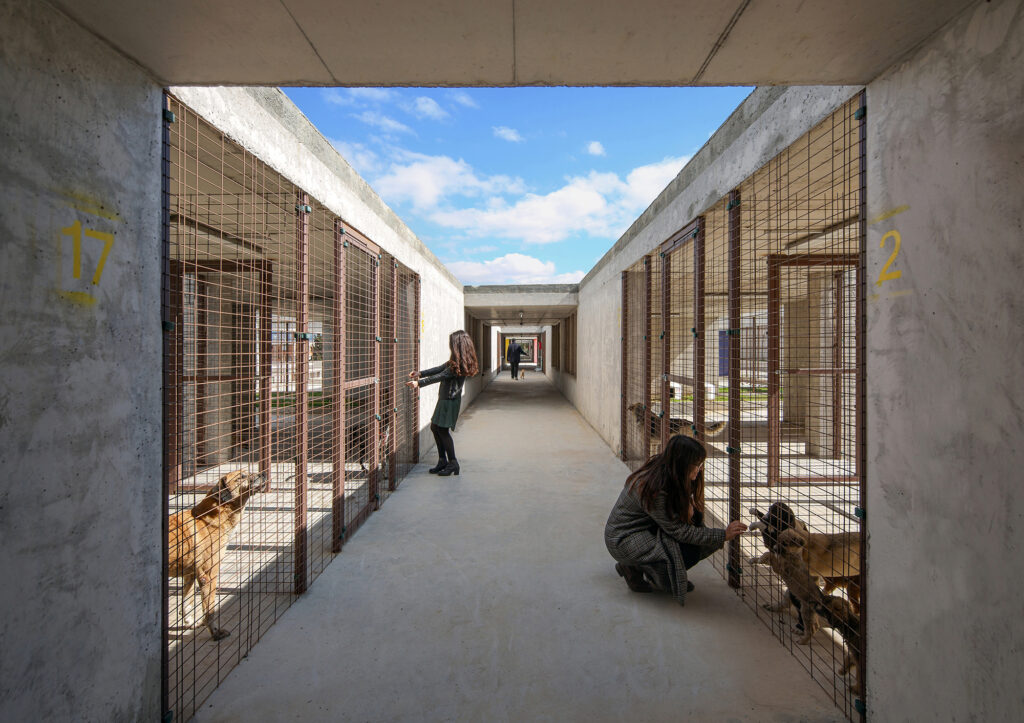
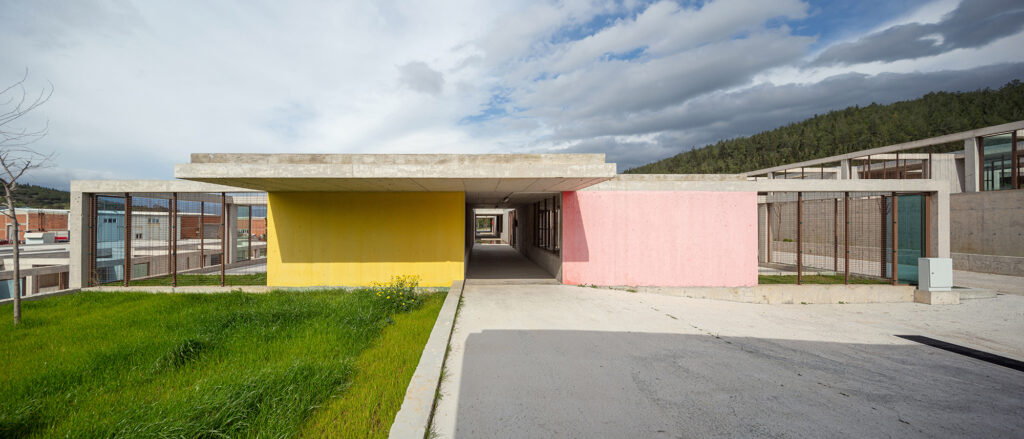
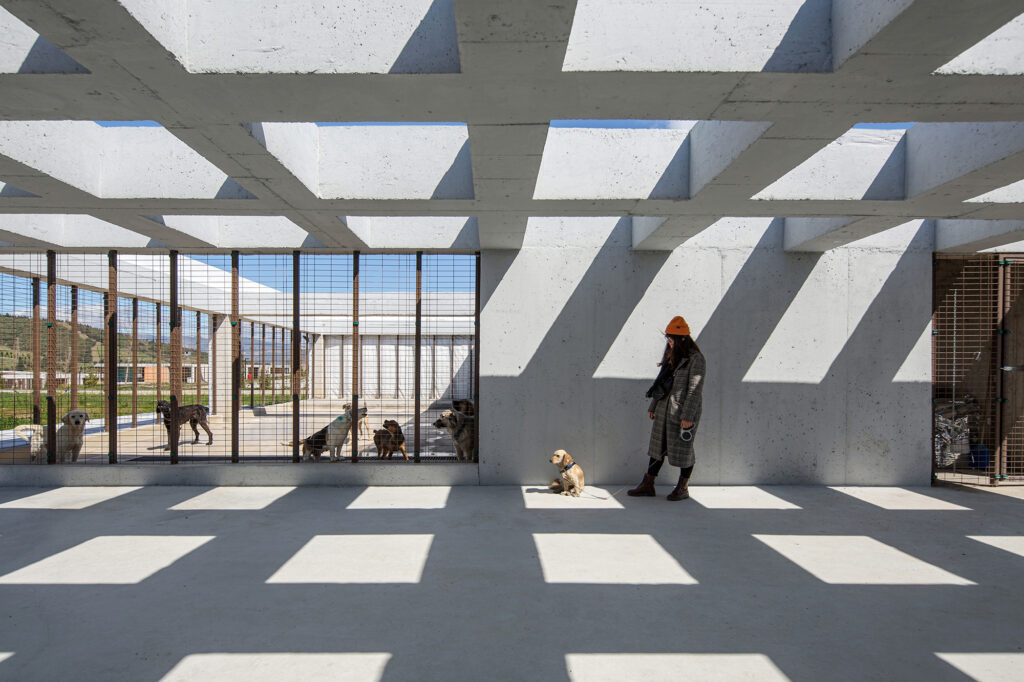
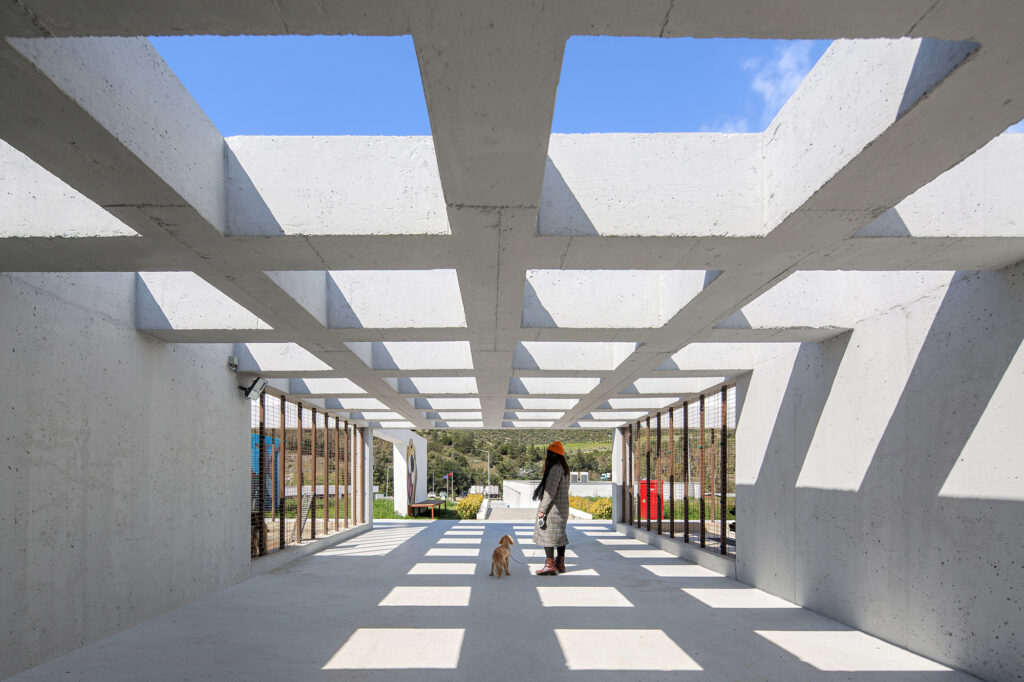
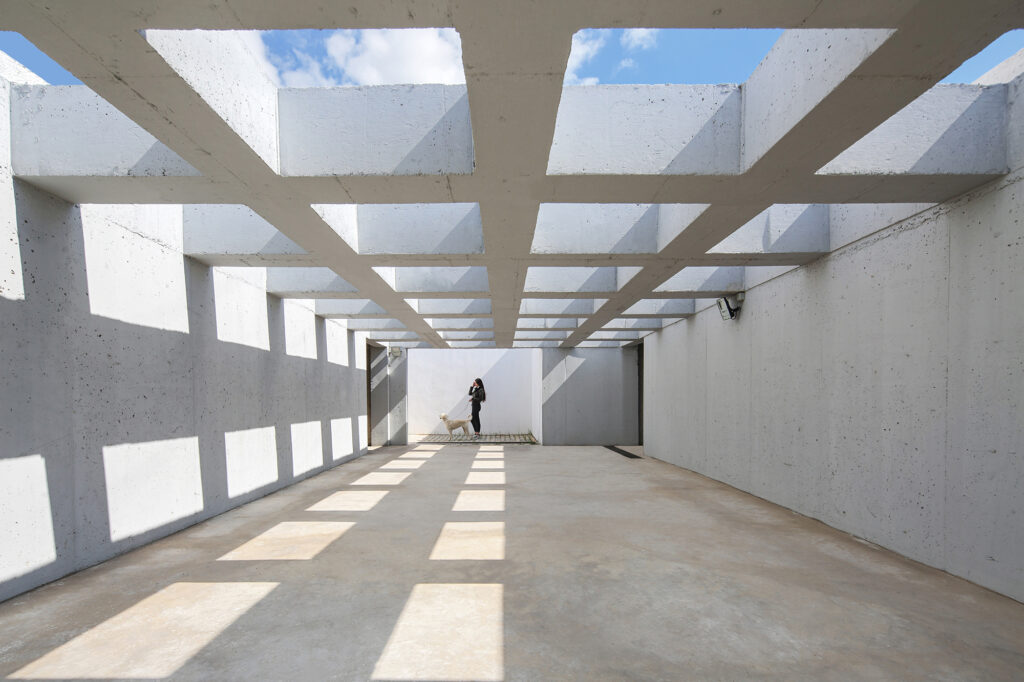
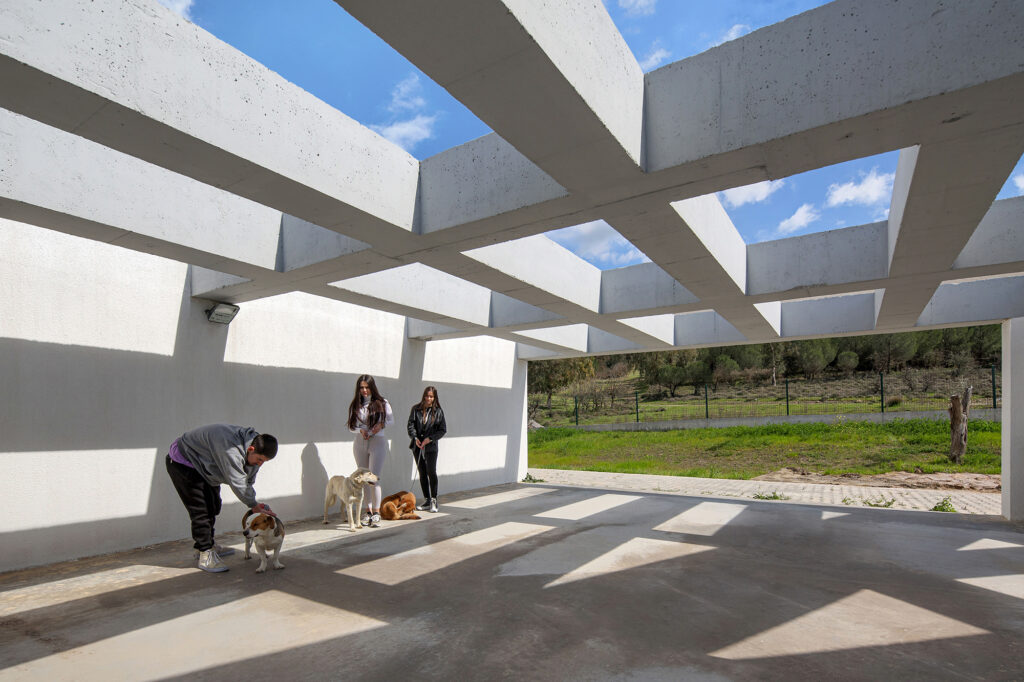
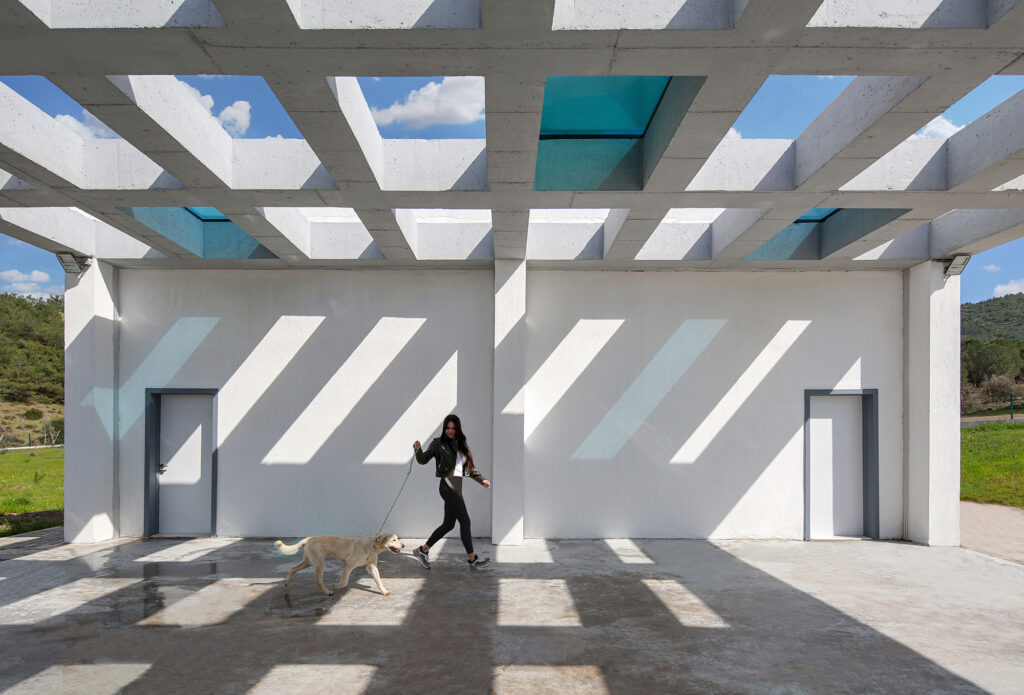
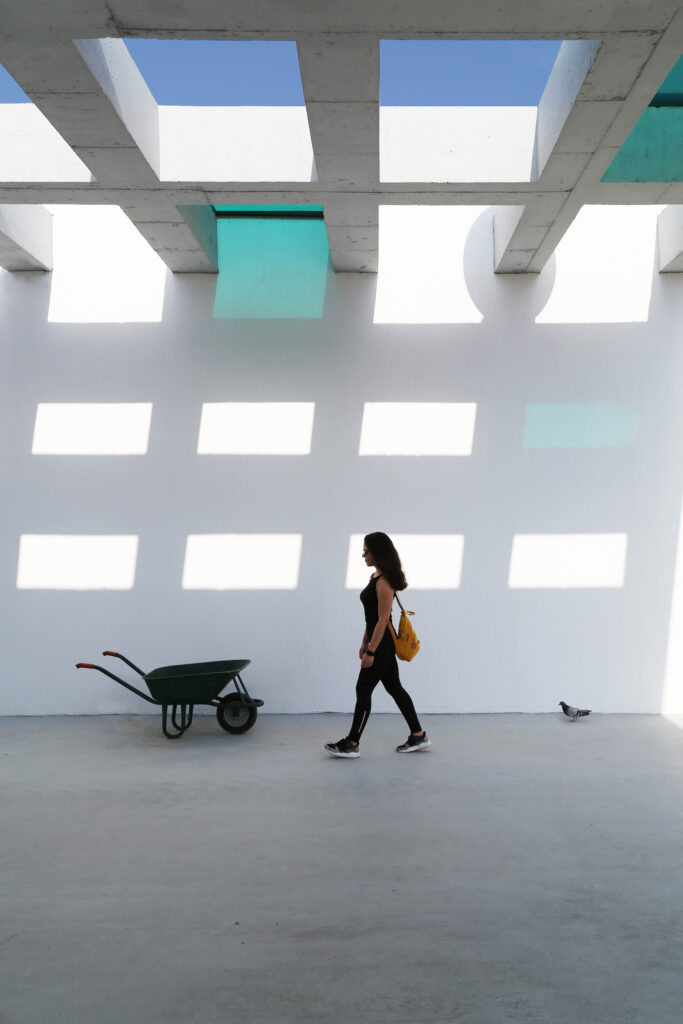
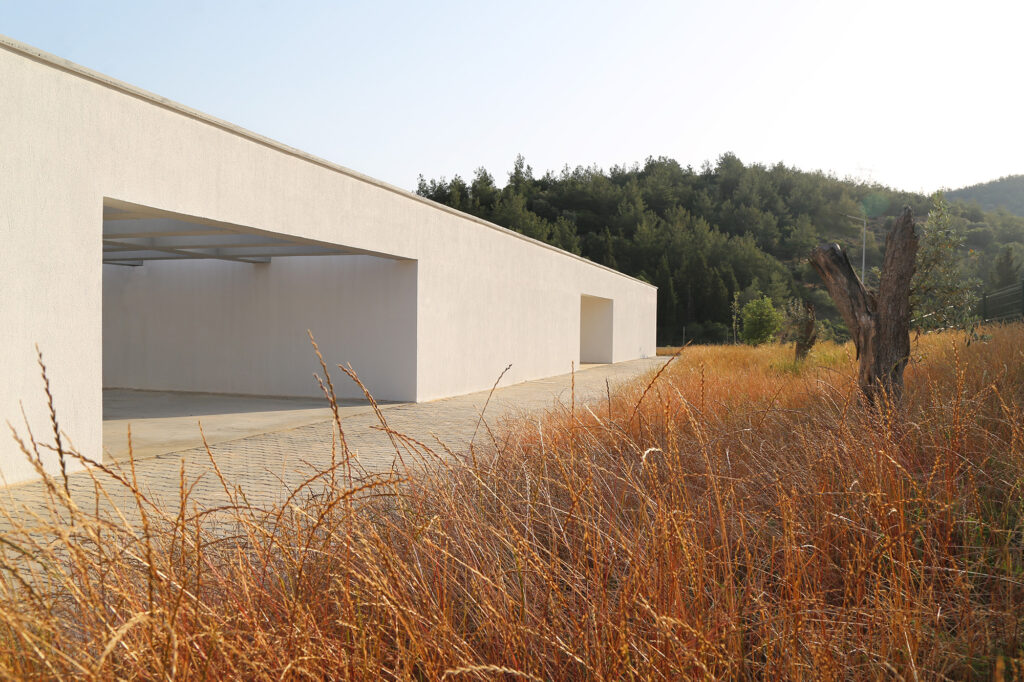
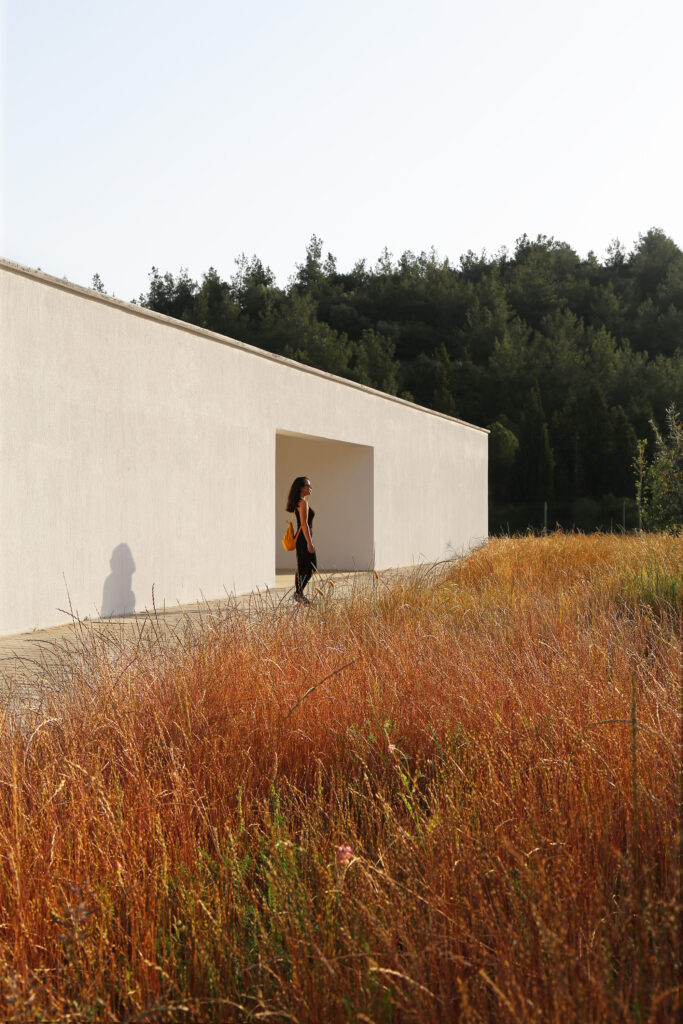
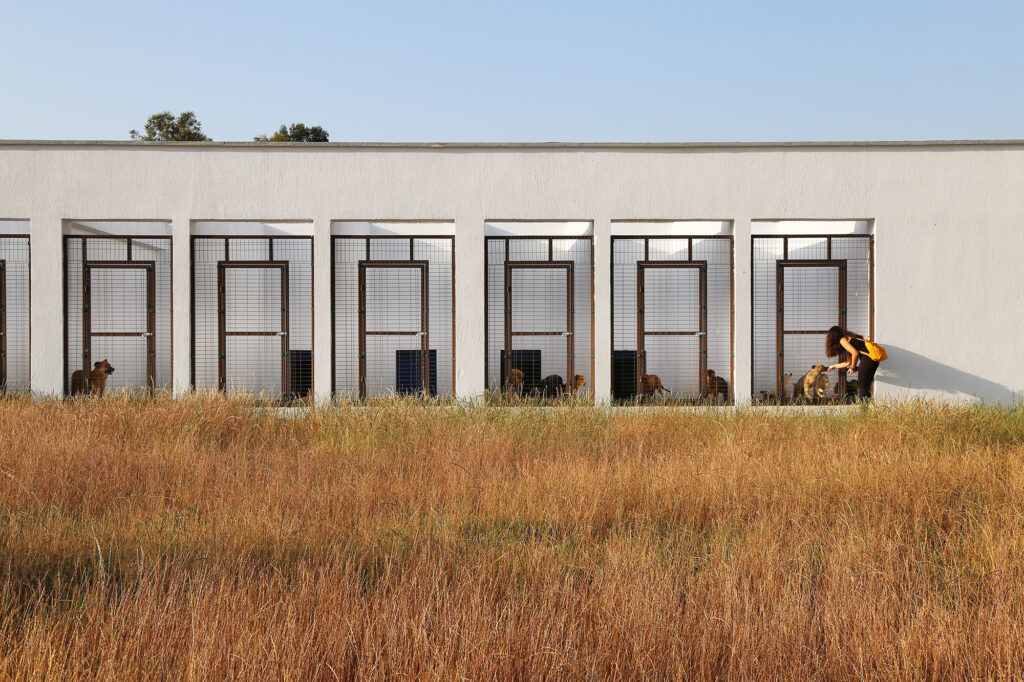
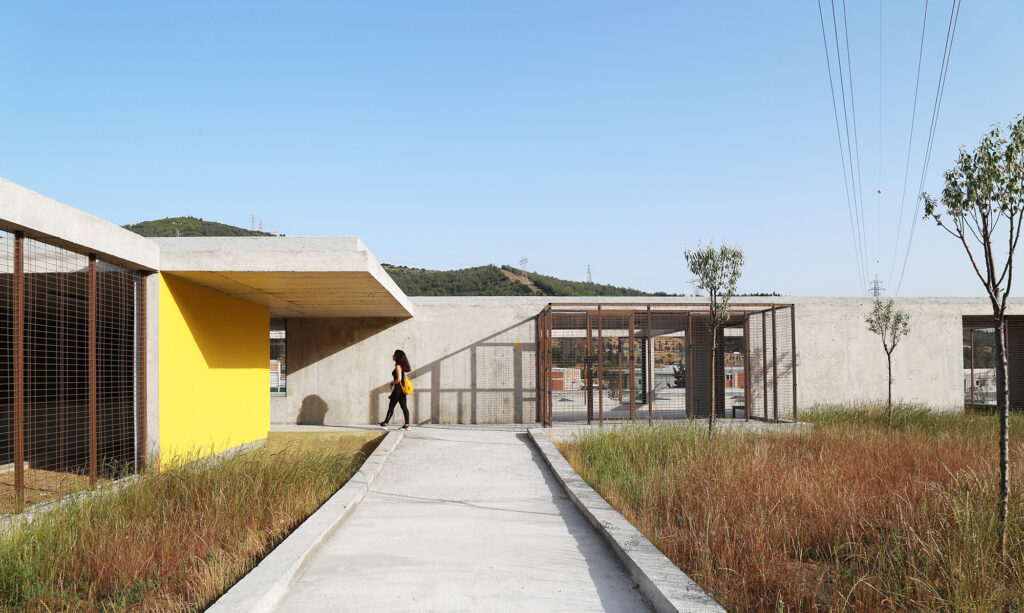
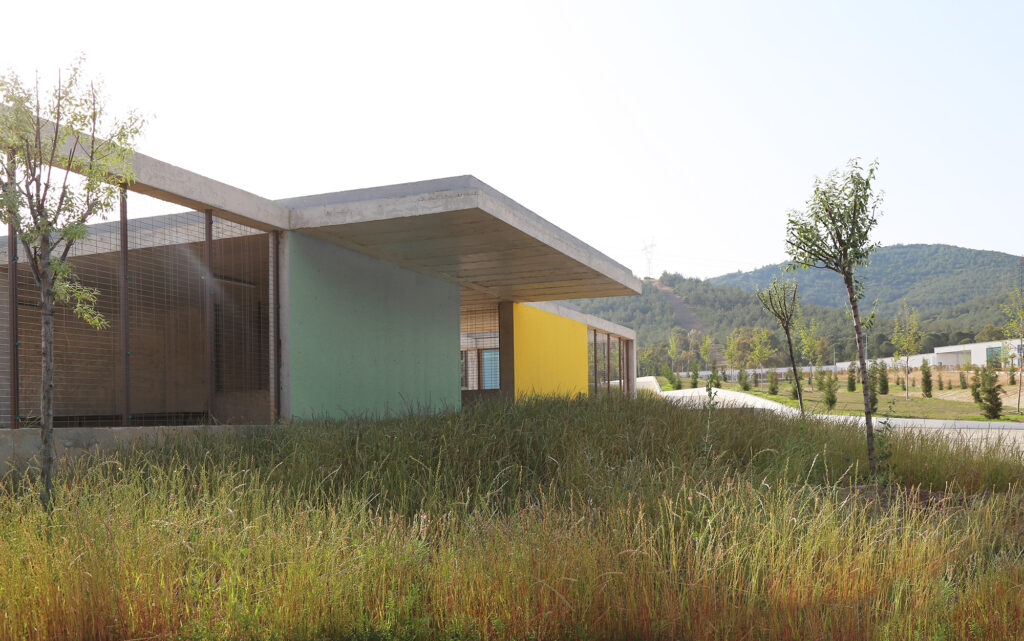
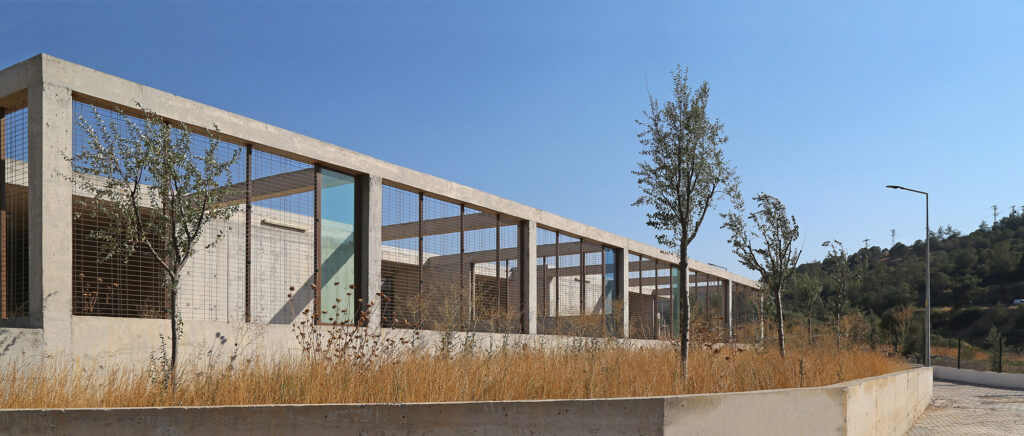
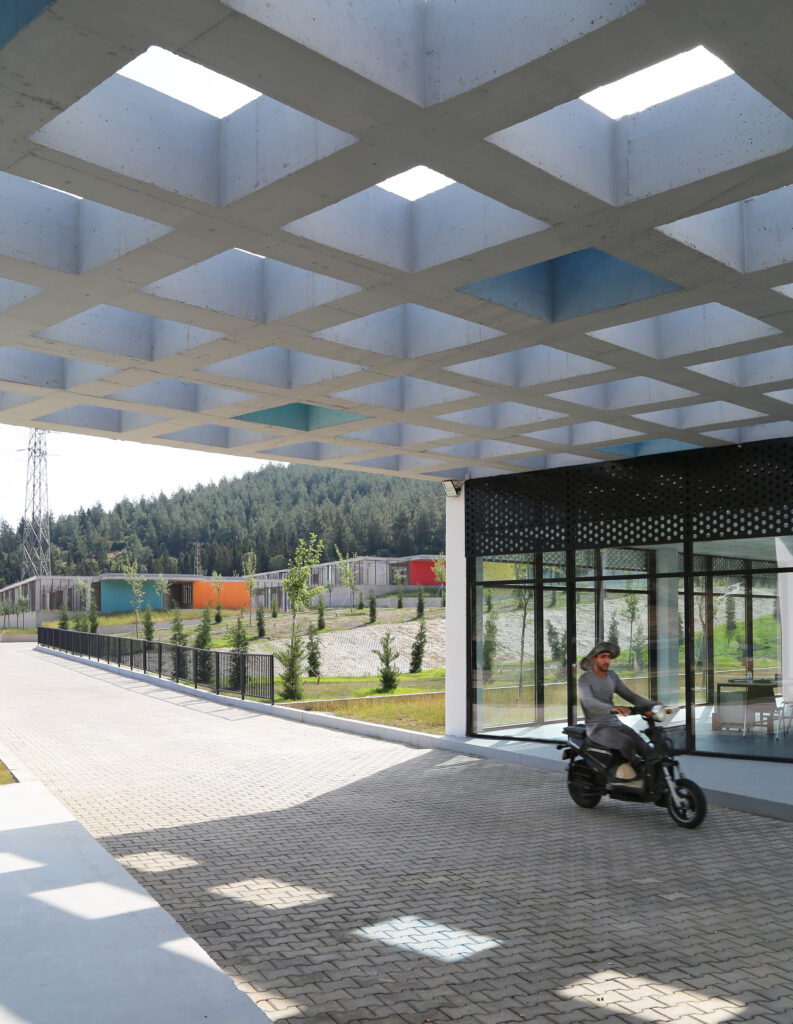
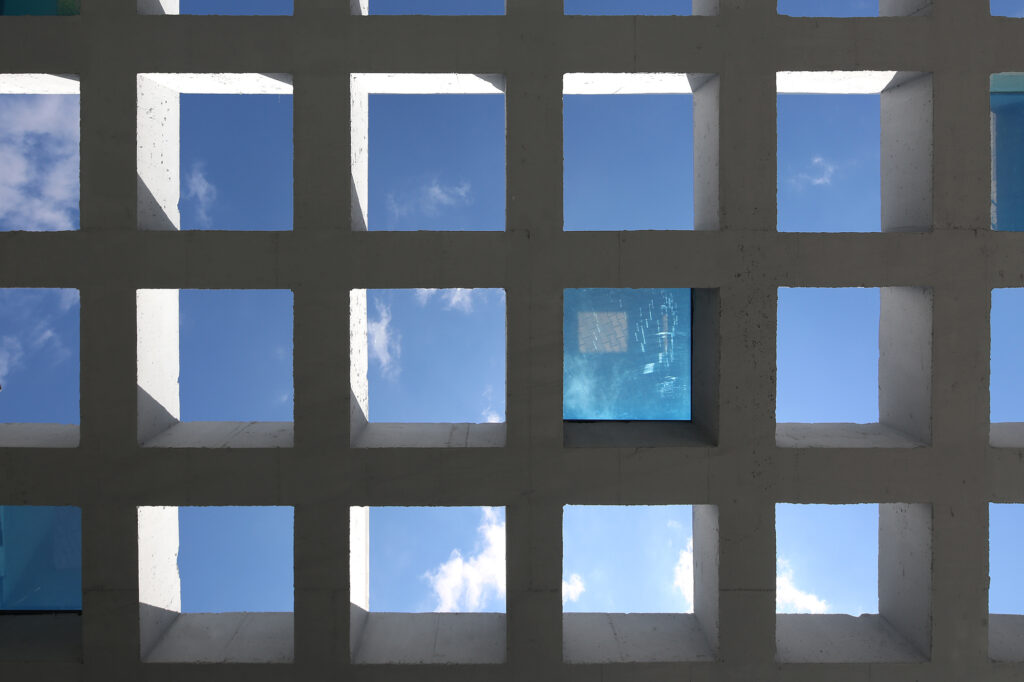
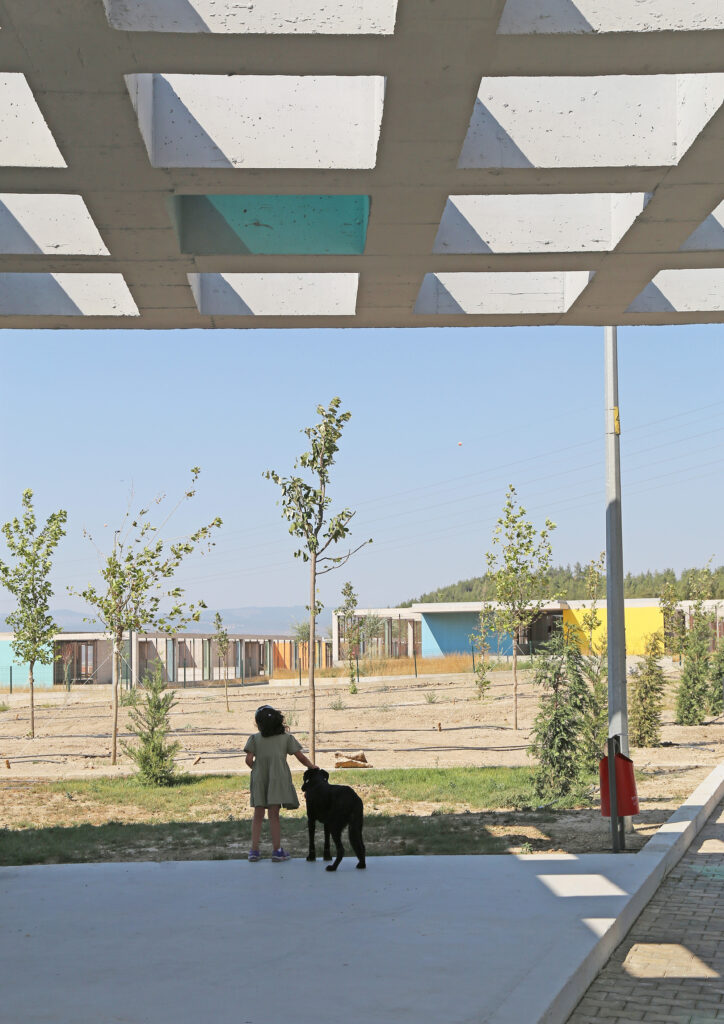
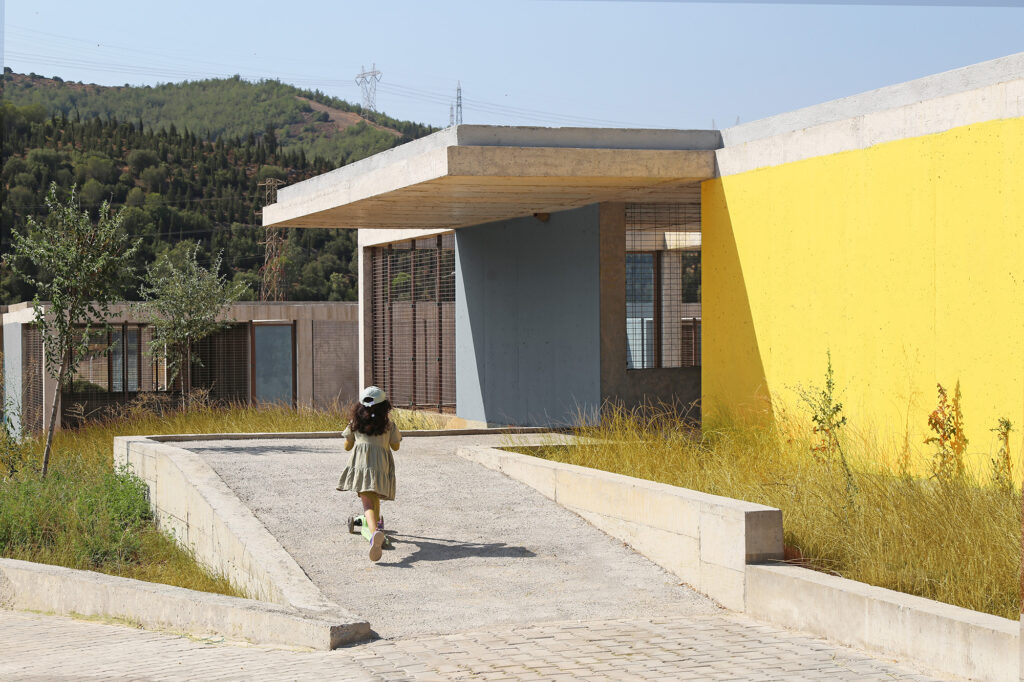
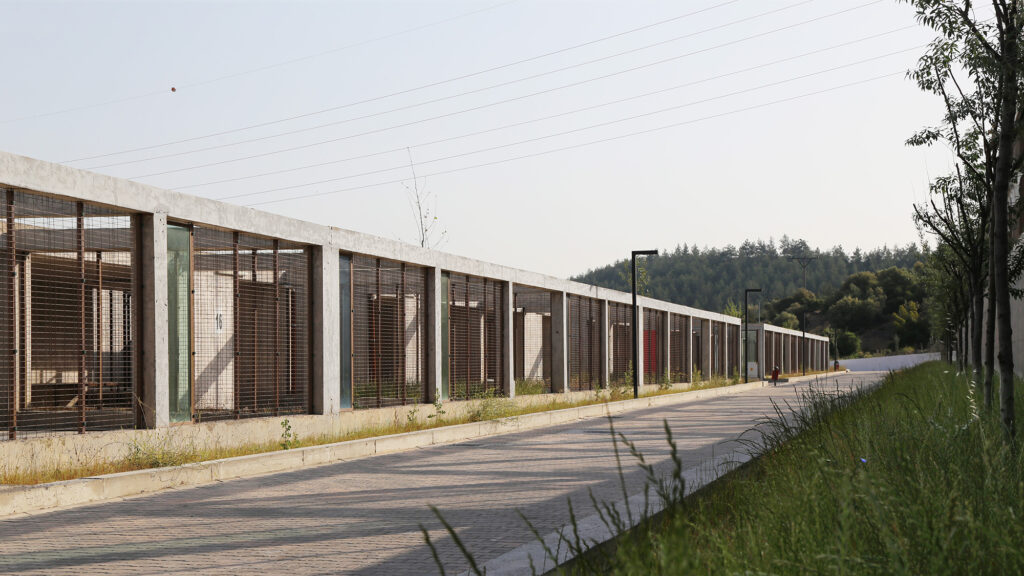
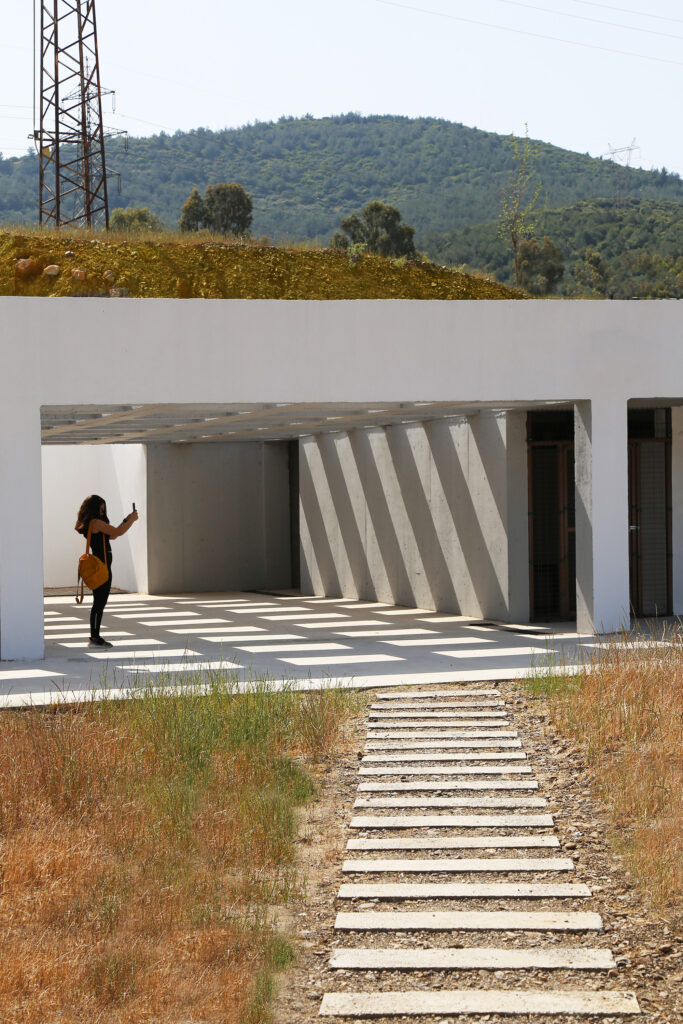
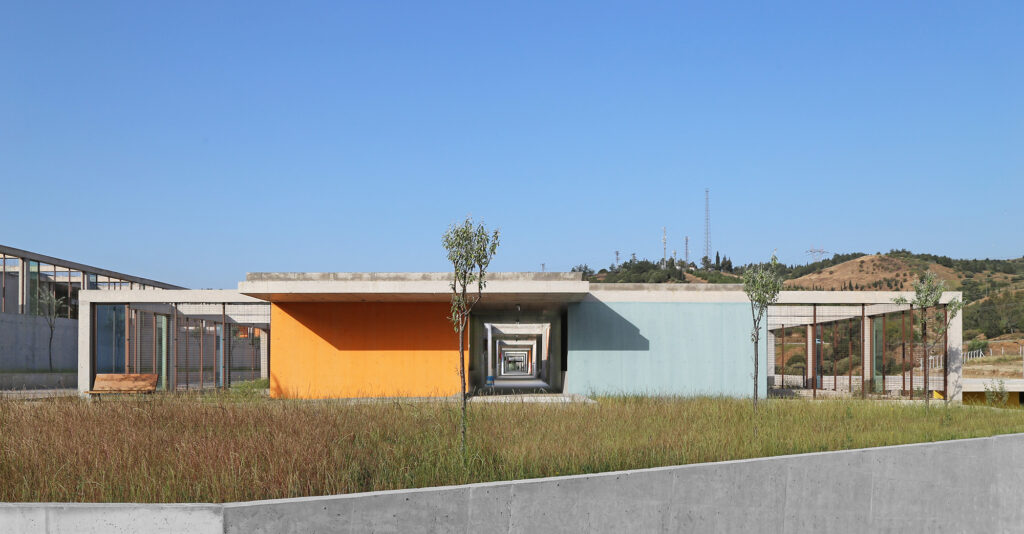
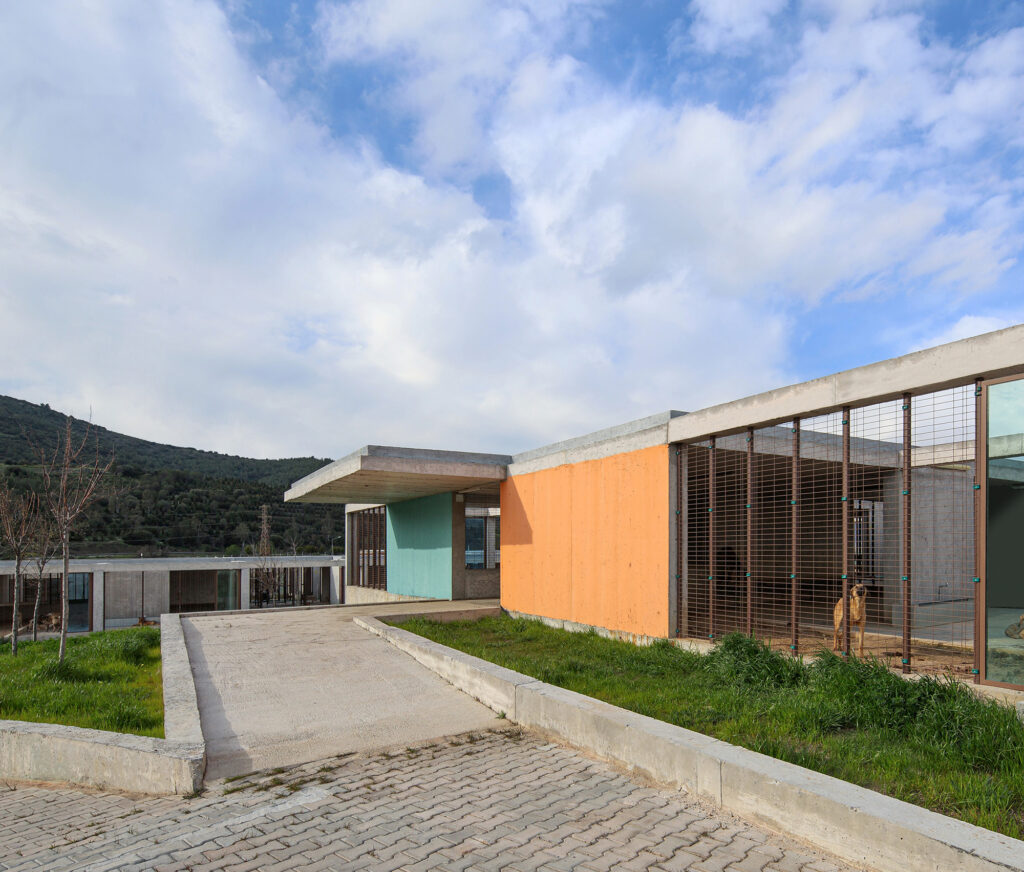
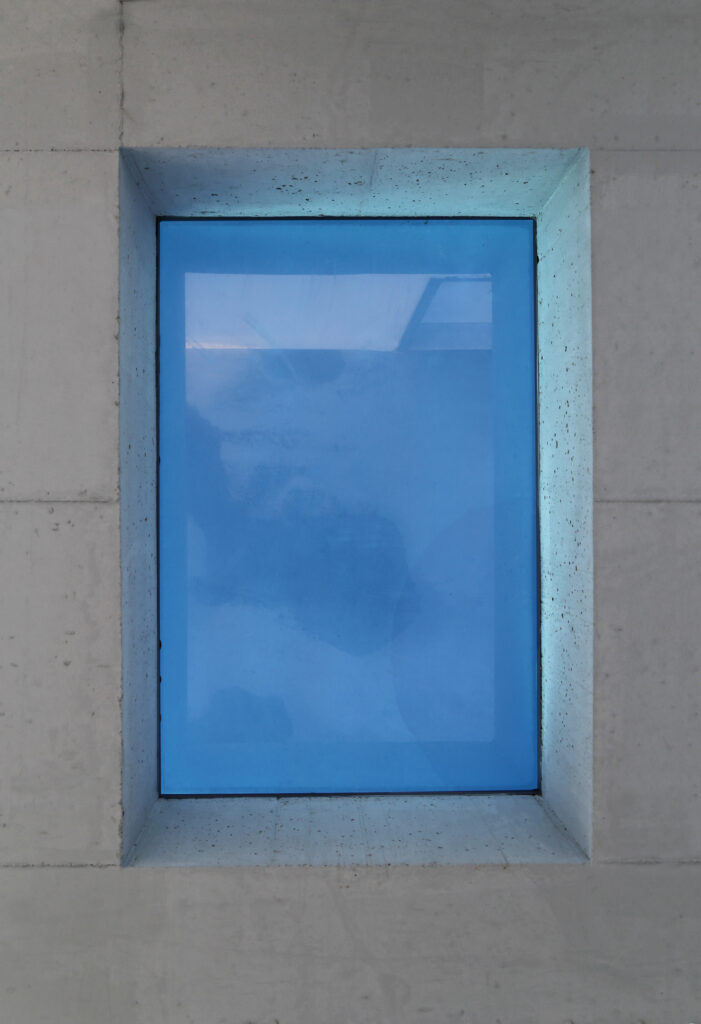
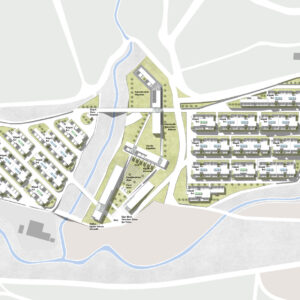
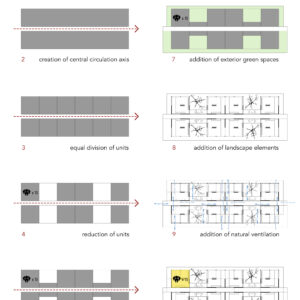
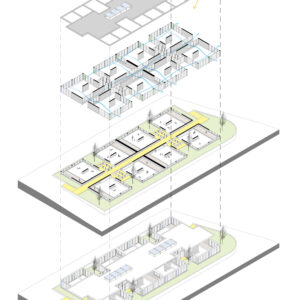
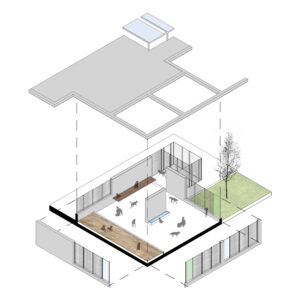
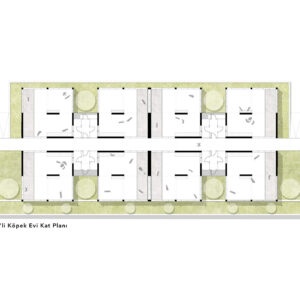
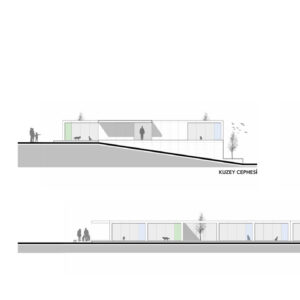
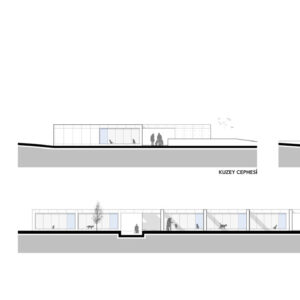
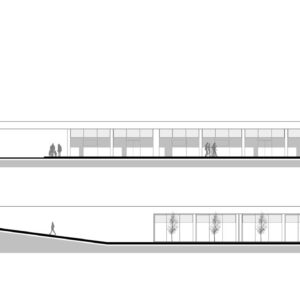
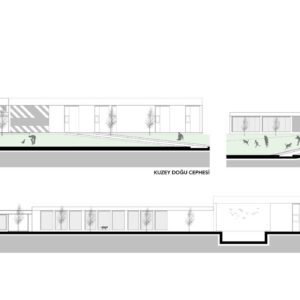
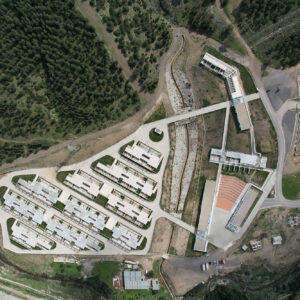
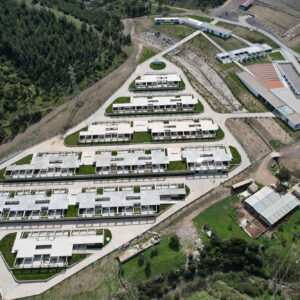
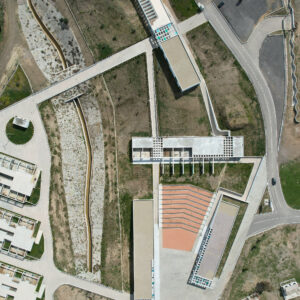
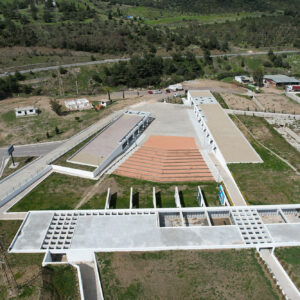
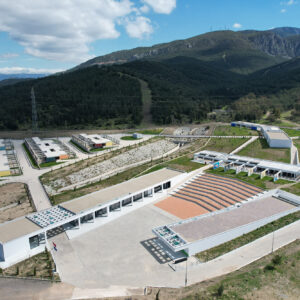
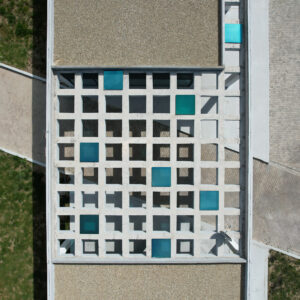
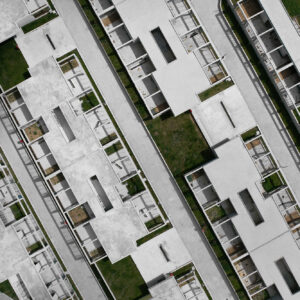
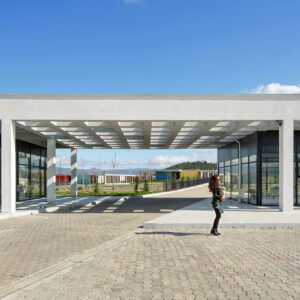
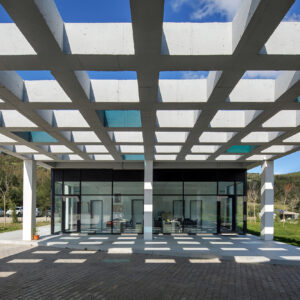
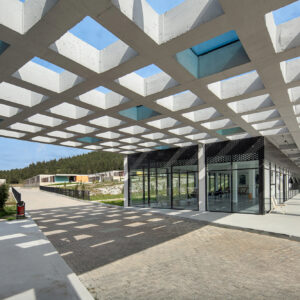
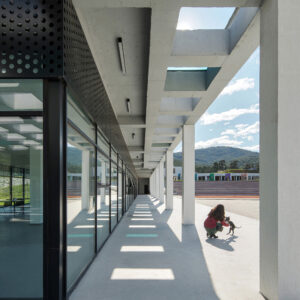
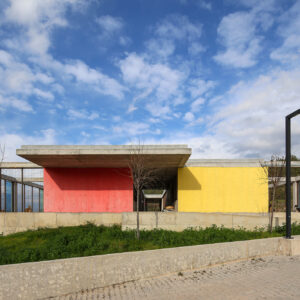
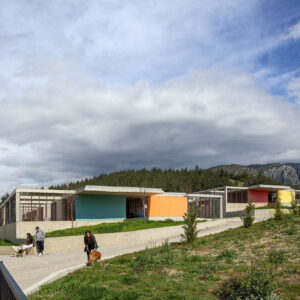
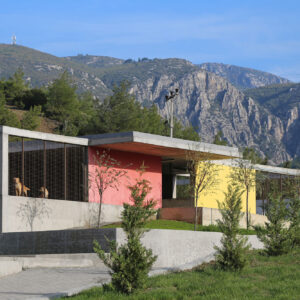
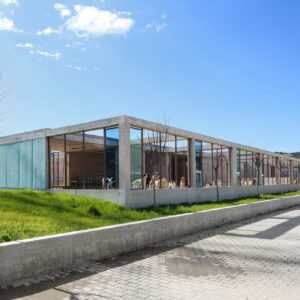
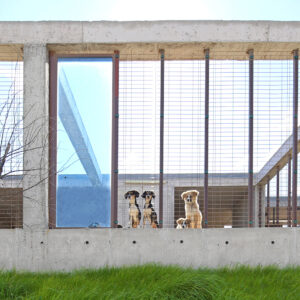
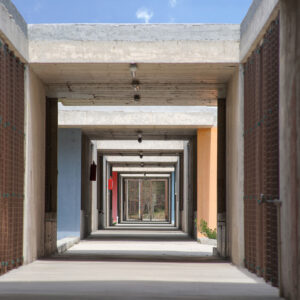
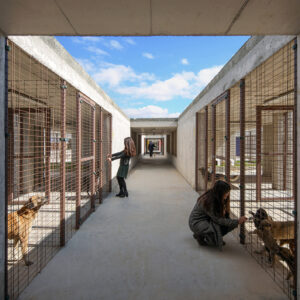
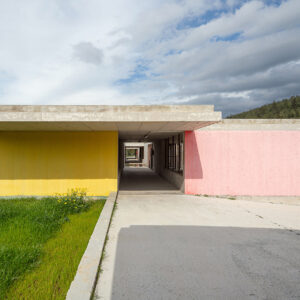
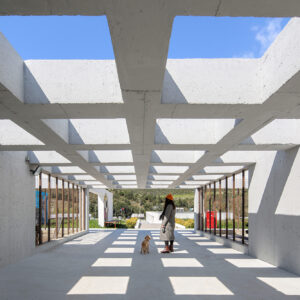
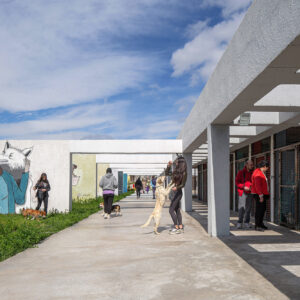
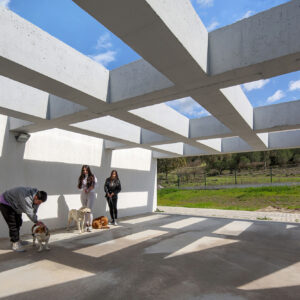
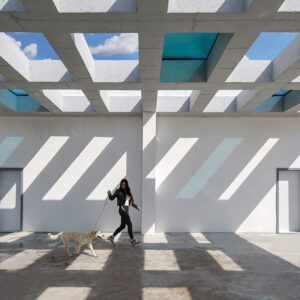
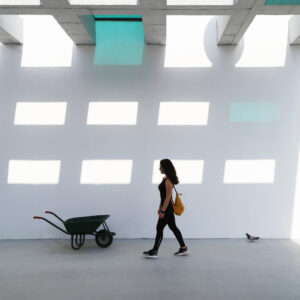
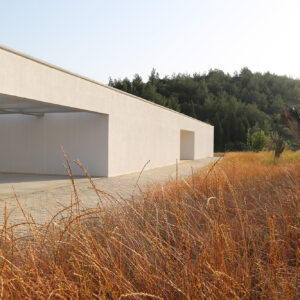
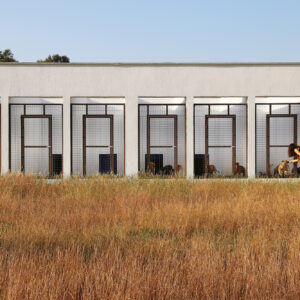
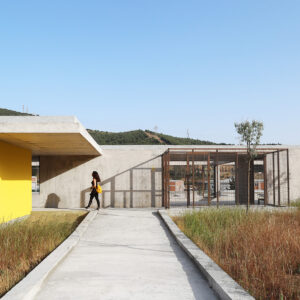
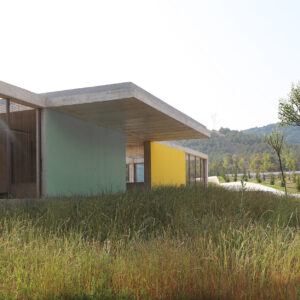
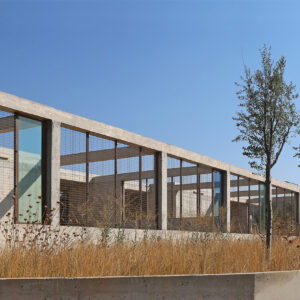
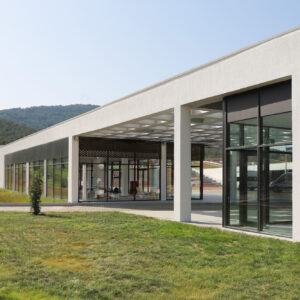
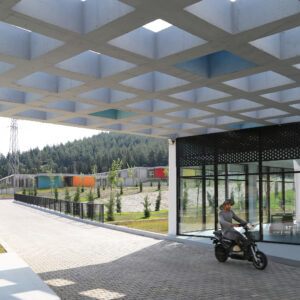
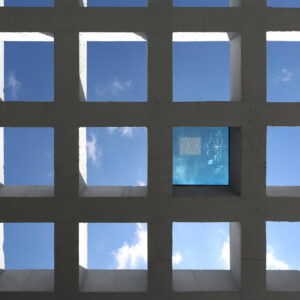
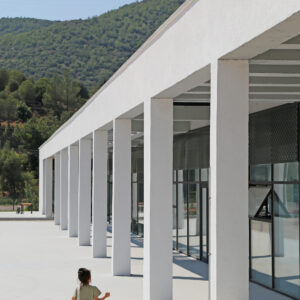
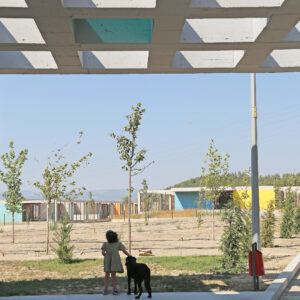
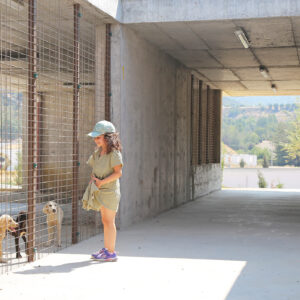
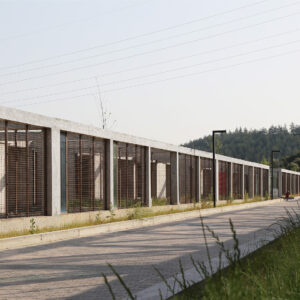
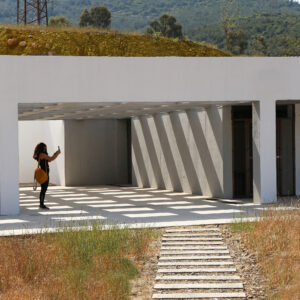
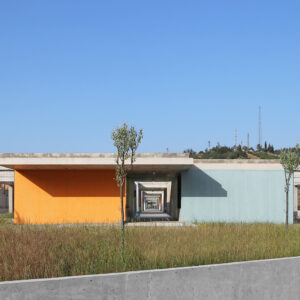
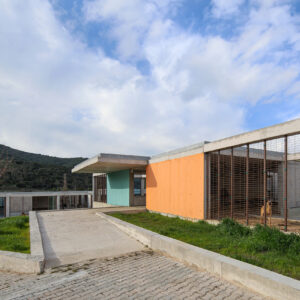
The shelters are placed along the north and south edges of the site and are separated by the central area that contains an open amphitheater, administrative units, and shelters for puppies and pure-bed dogs. Units for veterinary services, a quarantine unit, and a shelter for aggressive dogs are located at the east end of the site. These shelter units, which form the foundation of the project, are designed to address the problems that many shelters face in regards to hygiene, security, accessibility, and lack of green space, with open and comfortable spaces that include softscapes comprised of green and dirt areas, thus providing the dogs that occupy the space a healthy and pleasant place to live. Due to the negative effects that the lack of open green spaces has on the behaviors of dogs, the integration of the project with the surrounding landscape has been emphasized. Thus, the dogs will live in a built environment that is integrated with the existing natural context. Along with this, another primary issue that today’s shelters face are the designs of each shelter unit. It has been projected that the behavior of dogs that live within comfortable living standards will develop in a positive manner. Taking this into consideration, the design and spatial arrangements of the shelter units were developed based on decisions to have sufficiently spacious living units, natural light and air ventilation, an automatic watering system, softscapes within the enclosed spaces, and green and blue transparent elements. With reference to the existing natural elements, the visual effects that the green and blue transparent façade elements will have in the interior spaces are anticipated to have a positive effect on the behavior of the dogs occupying the space. Also, the wire mesh screens that line the façades of the interior circulation axis provide and reinforce the visual connections not only between the visitors and dogs, but between the dogs as well.
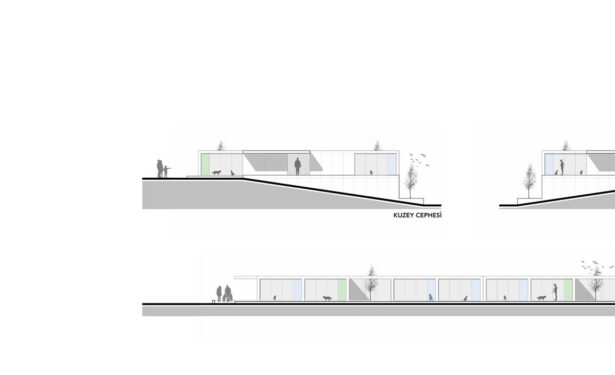
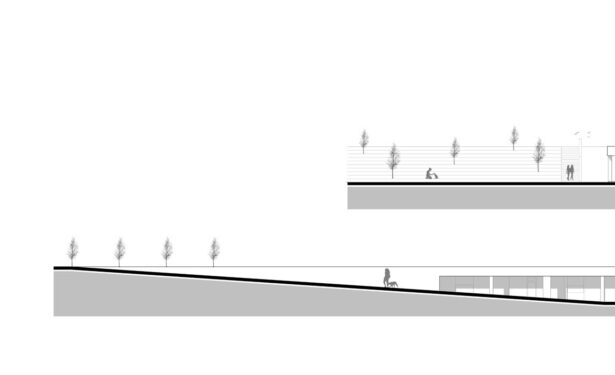
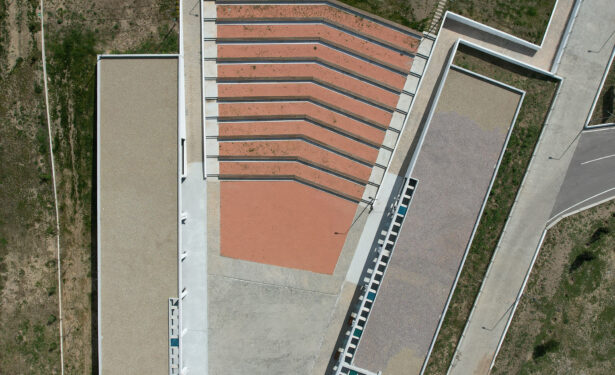
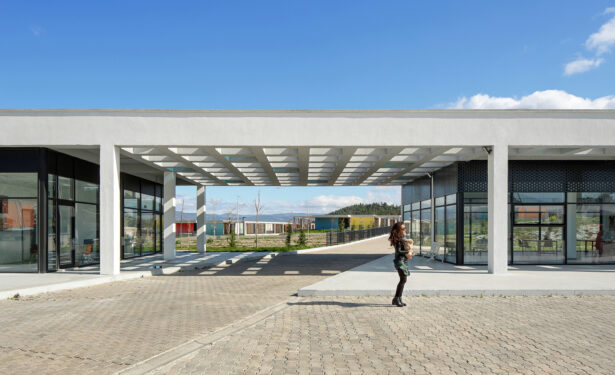
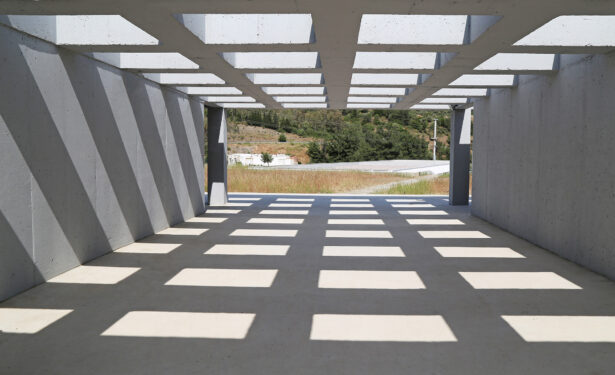
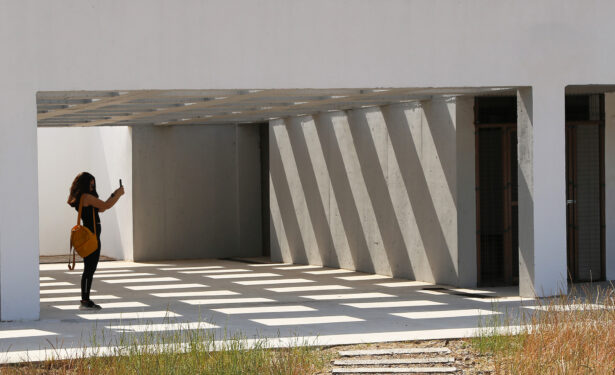
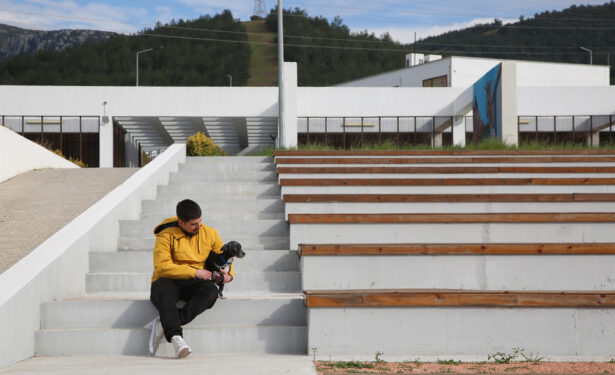
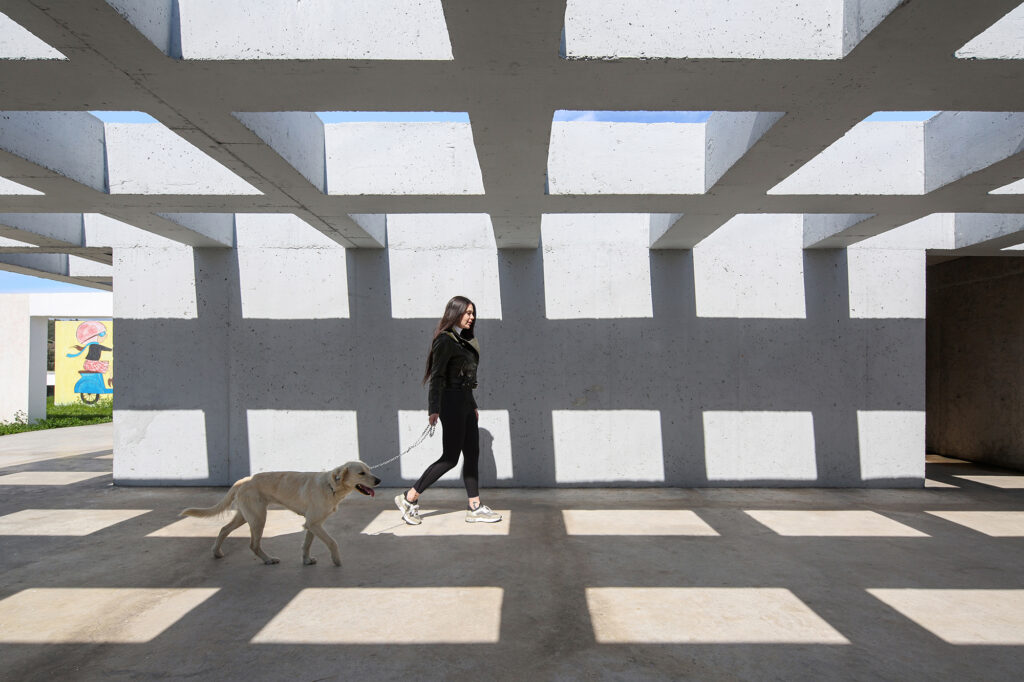
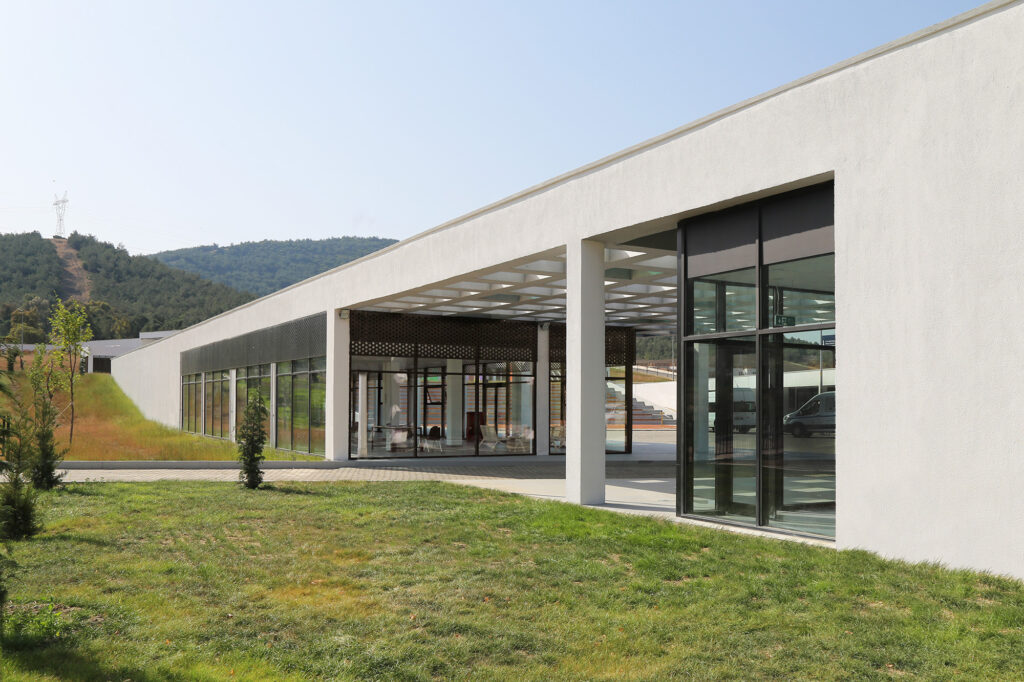
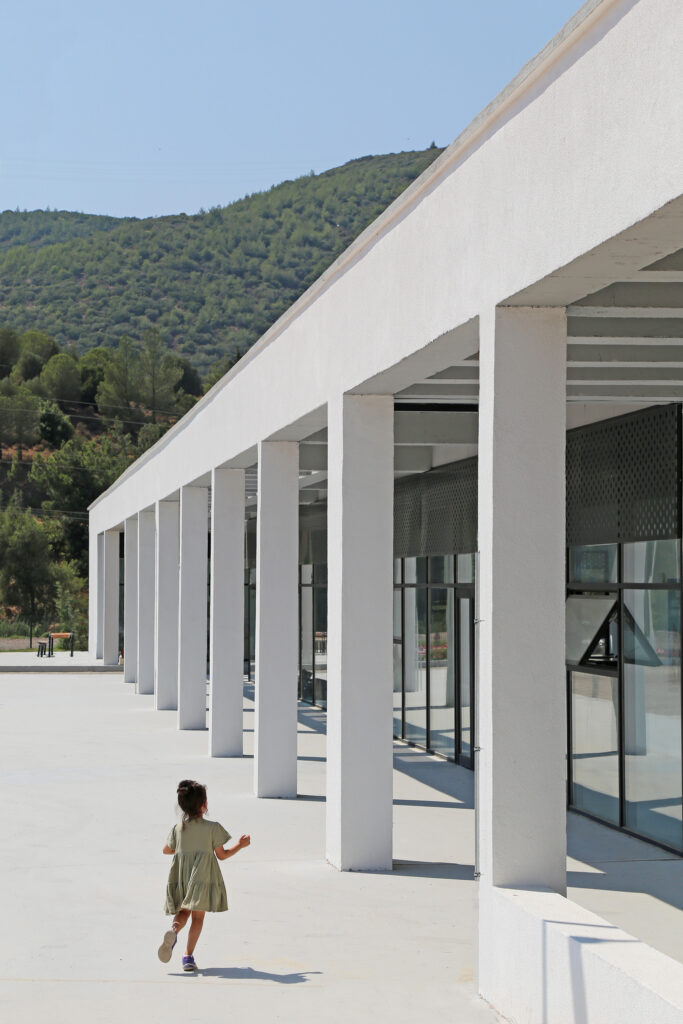
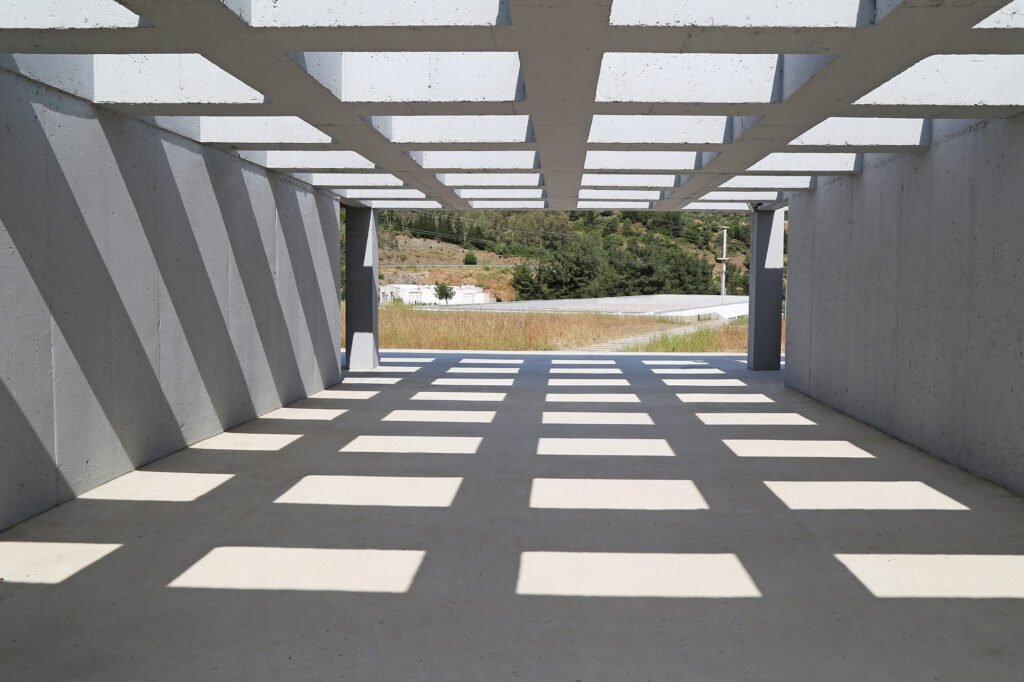
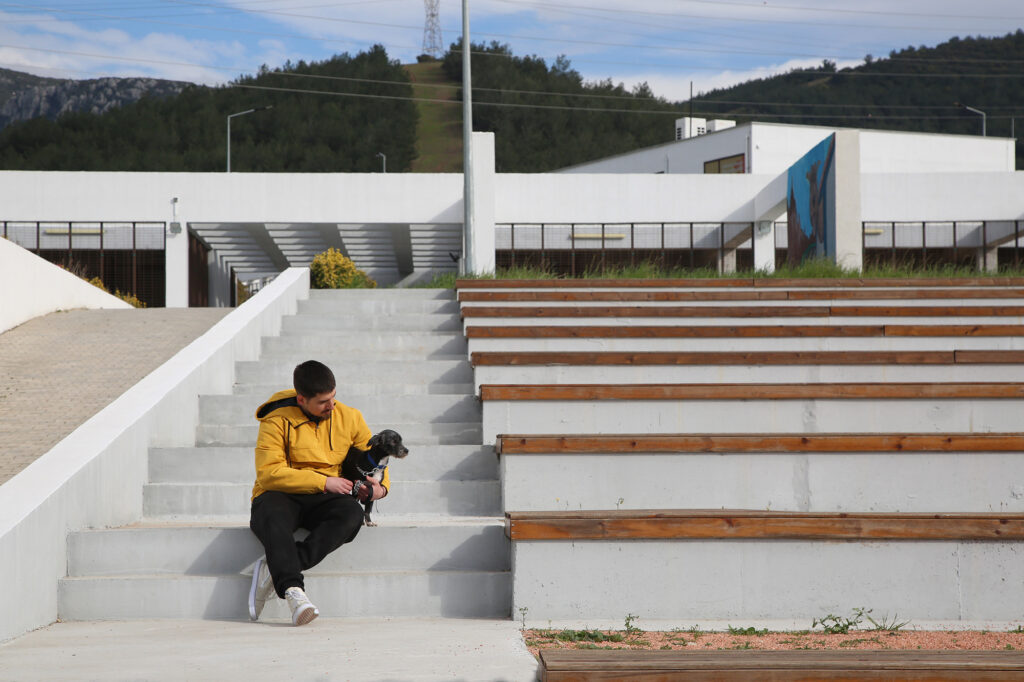
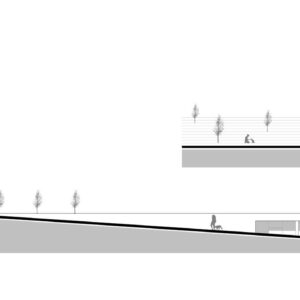
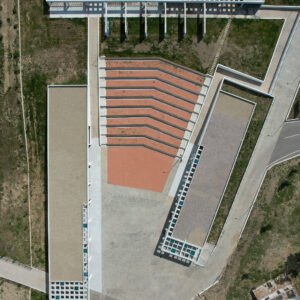
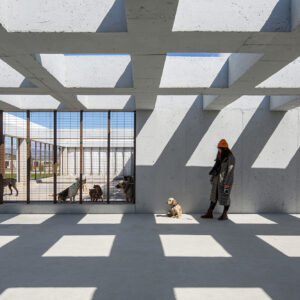
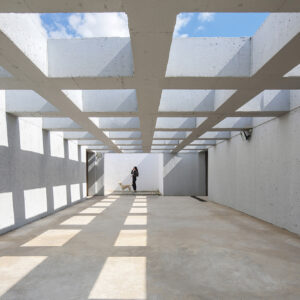
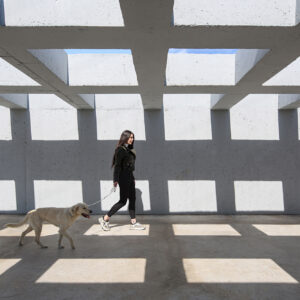
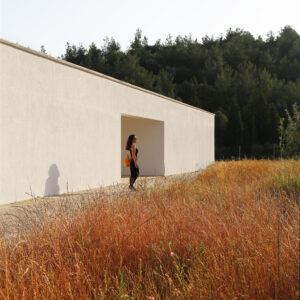
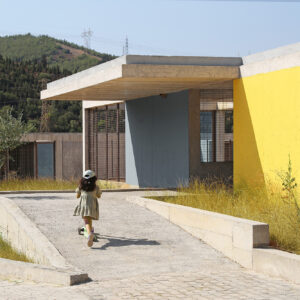
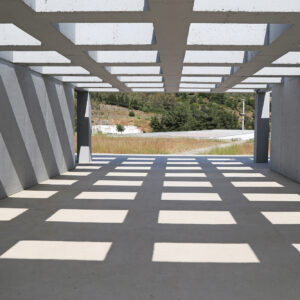
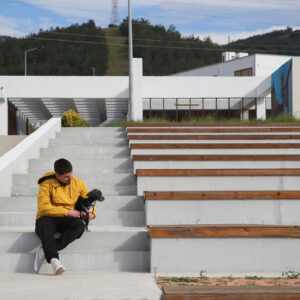
When the ‘user’ is considered within the spatial quality context, the design of the spaces must also take into account the personnel and staff that will be occupying these spaces along with the dogs. In order to create safe entrances and exists for the accommodation spaces that will be provided to the personnel in charge of taking care of the dogs, the entrances have been designed as two sections. In addition to this, the administrative spaces are separated from the shelters and lean along the natural slope in order to reduce any negative effects that may occur from a continued exposure to noise from the resident dogs. Within the area allocated for administrative use, additional spaces dedicated for educational seminars and workshops on dog care and adoption have also been included in the design. Within this scope, the use of the workshops and seminar rooms by students and visitors will be provided and thus the continued use of the spaces will be maintained. In addition to this, educational institutions that are specialized in working with disabled children will also be able to take advantage of the rehabilitative human-dog interaction opportunities provided at the center. The exposed concrete walls that serve as both shading elements and exhibition elements are added to the shelters located on the east wing of the central amphitheater and dedicated to dogs with puppies and pure bred dogs. These exhibition walls will have information regarding the resident dogs and their breeds giving the visitor interested in adoption essential information about the physical aspects and behavioral characteristics of each breed. In addition to this, the amphitheater placed in the center of the project is the focal point of the entire complex and gives visitors the opportunity to spend time and interact with the dogs that they are considering adopting.
In accordance with all of the design parameters and with the goal of providing care to abandoned, injured, ill, disabled or destitute animals with the intention of releasing these animals to their natural surroundings at the end of their treatment, the environmentally integrated design of the Gökdere Dog Rehabilitation and Adoption Center aims to be a precedent for future facilities.
Etiketler
